

Can you cook Uncle Ben’s microwave rice in a pan? Absolutely! While Uncle Ben’s is designed for quick microwave use, you can easily prepare it on the stovetop for a fresh, fluffy texture. With just a few extra minutes and the right technique, you’ll get restaurant-quality rice every time—no microwave needed.
Key Takeaways
- Yes, it’s possible: You can cook Uncle Ben’s microwave rice in a pan using simple stovetop methods.
- Texture improves: Pan-cooking often yields fluffier, less gummy rice compared to microwave results.
- Minimal ingredients: You only need the rice packet, water, and a saucepan—no special tools required.
- Time-efficient: Stovetop cooking takes about 10–15 minutes, similar to microwaving.
- Great backup plan: Ideal when your microwave is broken or you want to change up your routine.
- Saves money: No need to buy pre-cooked rice; this method works with standard dry rice too.
- Customizable: Add butter, salt, or herbs during cooking for extra flavor.
📑 Table of Contents
- Introduction: The Convenience Dilemma
- Understanding Uncle Ben’s Microwave Rice
- The Science Behind Pan-Cooking Rice
- Step-by-Step Guide: How to Cook Uncle Ben’s Microwave Rice in a Pan
- Tips for Perfect Pan-Cooked Rice
- Common Mistakes and How to Avoid Them
- Benefits of Pan-Cooking Over Microwave
- Creative Ways to Use Pan-Cooked Rice
- Conclusion: Why You Should Give It a Try
Introduction: The Convenience Dilemma
Let’s be honest—Uncle Ben’s microwave rice has been a lifesaver in countless households. Whether you’re rushing through a busy workday, feeding a hungry family, or just craving a quick side dish, that little pouch of perfectly seasoned rice has saved the day more times than we’d like to admit. But what happens when your microwave decides to take a permanent vacation? Or maybe you’re just in the mood for something different? That’s where this article comes in.
Today, we’re answering one of the most common kitchen questions: Can you cook Uncle Ben’s microwave rice in a pan? The short answer? Yes, absolutely. And not only is it possible, but it might even give you better-tasting rice than the original microwave version. In fact, many home cooks swear by the stovetop method for its superior texture and flavor control. So grab your favorite saucepan, read on, and discover how to turn that convenient pouch into a delicious, homemade-style meal.
Understanding Uncle Ben’s Microwave Rice
Before we dive into the pan-cooking process, let’s take a moment to understand what makes Uncle Ben’s microwave rice so popular—and why it’s worth trying on the stove.
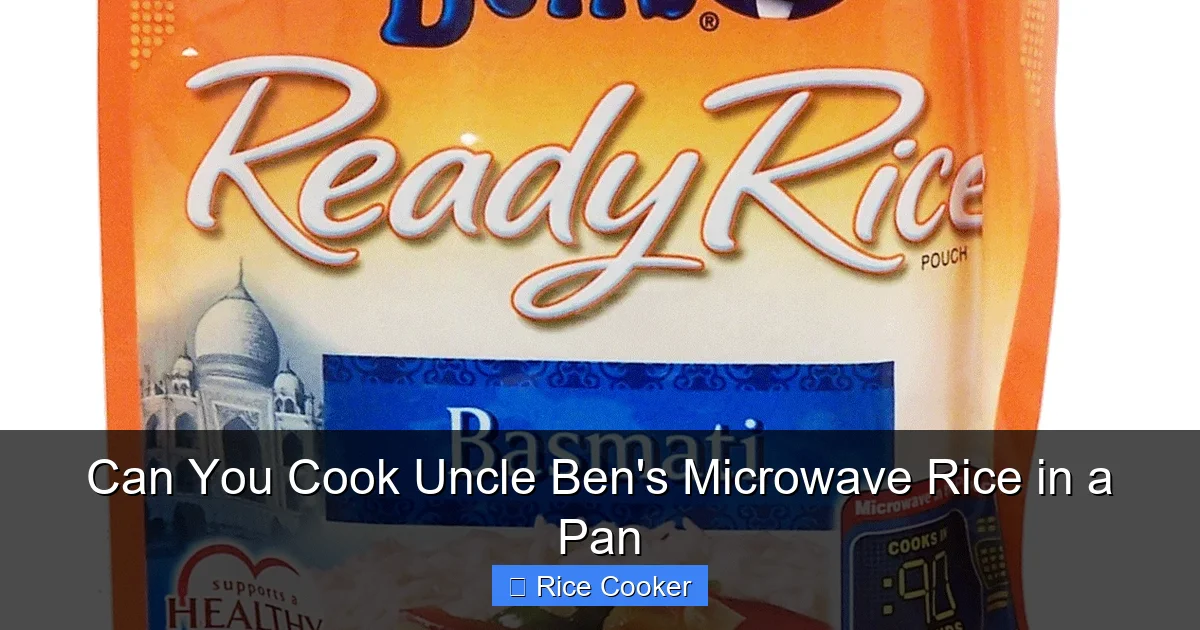
Visual guide about Can You Cook Uncle Ben’s Microwave Rice in a Pan
Image source: groceries-express.com
A Brief History and Design
Uncle Ben’s, originally known as Texas Rice, was introduced in the 1940s and became famous for its long-grain rice and mild seasoning. By the 1980s, they launched the microwave-ready version, which revolutionized how people prepared rice at home. These pouches contain dry rice, seasoning, and sometimes vegetables, all packaged in a moisture-sealed bag. When microwaved, the water inside the rice absorbs steam, cooking the grains evenly without needing stirring or constant attention.
How It Works in the Microwave
The magic of microwave rice lies in its packaging. The pouch is designed to trap steam, allowing the rice to cook from the inside out. You simply add the contents to a bowl, add a bit of water if needed (though most come pre-seasoned), cover, and heat. The result? A soft, fluffy, and ready-to-eat side in under five minutes. It’s no wonder this method dominates convenience food sales year after year.
Why People Want to Cook It on the Stove
Despite its popularity, microwave rice isn’t perfect. Some users report that it can be slightly mushy or overly moist, especially if overcooked. Others miss the authentic texture of freshly cooked rice. This is where the stovetop method shines. Cooking in a pan allows for better control over water absorption, heat distribution, and timing—leading to fluffier, more aromatic grains. Plus, using a pan means you can add butter, garlic, or herbs mid-cook for an upgraded flavor profile.
The Science Behind Pan-Cooking Rice
To truly appreciate why pan-cooking works, we need to peek behind the science of rice preparation. It all starts with the starch content in rice grains.

Visual guide about Can You Cook Uncle Ben’s Microwave Rice in a Pan
Image source: m.media-amazon.com
Starch Gelatinization
Rice contains starches that absorb water and expand when heated. As the temperature rises, these starches undergo gelatinization—a process where they swell and soften, turning raw rice into edible grains. On the stovetop, direct heat ensures even gelatinization, whereas microwaving relies on steam buildup, which can lead to uneven cooking.
Absorption vs. Steaming
Traditional rice cooking uses the absorption method: equal parts rice and water are brought to a boil, then simmered until the liquid is absorbed. Uncle Ben’s microwave rice skips the absorption step by relying entirely on steaming. When you cook it in a pan, you reintroduce the absorption method, giving you more control over texture and doneness.
Heat Distribution Matters
Microwaves heat food unevenly, often creating cold spots. A good saucepan, on the other hand, distributes heat uniformly. This means every grain gets cooked properly, reducing the risk of burnt or undercooked bits.
Step-by-Step Guide: How to Cook Uncle Ben’s Microwave Rice in a Pan
Ready to try it yourself? Here’s a foolproof method to transform that pouch into a delicious pan-cooked dish.
What You’ll Need
- One pouch of Uncle Ben’s microwave rice
- A medium-sized saucepan with a lid
- Water (about 1/2 cup)
- Optional: butter, olive oil, garlic, salt, pepper, or herbs
Step 1: Open the Pouch and Drain Excess Liquid
Start by carefully opening the pouch. You’ll notice it’s filled with rice, seasoning, and some liquid. Gently squeeze the pouch to separate the rice from the liquid, then pour everything into a colander. Rinse the rice under cool water for 30 seconds to remove excess starch and prevent clumping. This step is optional but helps achieve fluffier rice.
Step 2: Combine Rice and Water in the Saucepan
Add the rinsed rice back to the saucepan. Pour in 1/2 cup of water—this mimics traditional rice ratios. If you prefer richer flavor, substitute half the water with broth or milk. Stir in a teaspoon of butter or oil for added creaminess.
Step 3: Bring to a Boil, Then Simmer
Turn the heat to high and bring the mixture to a rolling boil. Once boiling, immediately reduce the heat to low, cover the saucepan, and let it simmer for 10–12 minutes. Resist the urge to lift the lid—peeking can release steam and affect cooking time.
Step 4: Let It Rest
After simmering, turn off the heat and let the rice sit, covered, for 5 minutes. This resting period allows residual heat to finish cooking the rice and helps the grains separate naturally.
Step 5: Fluff and Serve
Remove the lid and gently fluff the rice with a fork. Taste and adjust seasoning if needed. Serve warm with your favorite protein or vegetable.
Tips for Perfect Pan-Cooked Rice
Even with the right technique, small details make a big difference. Here are pro tips to elevate your rice game.
Use a Heavy-Bottomed Pan
Thin pans can cause hot spots and uneven cooking. Opt for a heavy-bottomed saucepan to distribute heat evenly.
Don’t Skip the Resting Time
Resting allows the moisture to redistribute. Skipping this step may result in sticky or unevenly cooked rice.
Experiment with Add-Ins
Try adding sautéed onions, diced bell peppers, or a sprinkle of Parmesan cheese for a gourmet twist.
Adjust Water for Texture
If you like firmer rice, use less water. For softer, creamier rice, increase it slightly.
Season After Cooking
Instead of relying on pre-mixed seasoning, add salt, black pepper, or herbs after cooking for fresher flavor.
Keep a Lid Close at Hand
Once you start simmering, keep the lid on to trap steam and maintain consistent temperature.
Common Mistakes and How to Avoid Them
Even experienced cooks make errors when adapting microwave recipes. Here’s how to sidestep common pitfalls.
Mistake 1: Not Rinsing the Rice
Leaving excess starch on the rice leads to clumpy, gummy grains. Always rinse unless the package says otherwise.
Mistake 2: Using Too Much Water
Uncle Ben’s rice is already seasoned, so adding too much water dilutes the flavor. Stick to 1/2 cup unless you want a soupier consistency.
Mistake 3: Peeking Under the Lid
Each time you lift the lid, you lose heat and steam, extending cooking time. Only check near the end.
Mistake 4: Stirring Too Often
Stirring breaks up the rice and releases more starch, making it stickier. Stir only once at the beginning.
Mistake 5: Using Low Heat Too Long
Low heat causes the rice to absorb too much water and become mushy. Use medium-low once boiling.
Benefits of Pan-Cooking Over Microwave
So why go through the extra effort? Here’s what you gain by choosing the stovetop method.
Better Texture
Pan-cooked rice tends to be fluffier and less pasty than microwave versions. The absorption method gives each grain room to breathe.
More Flavor Control
Add butter, garlic, or spices while cooking to create a customized dish every time.
Faster Cleanup
Unlike messy microwave bowls, a single saucepan means fewer dishes to wash.
Works Without Power
Ideal for camping, power outages, or when your microwave is occupied.
Healthier Option
You know exactly what goes into your food—no hidden preservatives or excess sodium from processed seasonings.
Sustainable Choice
Reusing pouches (if safe) or composting them reduces waste compared to disposable microwave containers.
Creative Ways to Use Pan-Cooked Rice
Once you master the basics, the possibilities are endless.
Fried Rice
Cook rice as directed, then stir-fry with soy sauce, scrambled eggs, peas, carrots, and diced chicken or shrimp. High heat for 3–4 minutes does the trick.
Risotto-Style
Substitute water with chicken broth and stir constantly for 18–20 minutes until creamy. Finish with white wine, cheese, and chives.
Bowl Bowls
Layer pan-cooked rice with grilled veggies, tofu, and tahini dressing for a healthy, satisfying meal.
Stuffed Peppers
Fill bell peppers with rice, ground meat, tomatoes, and spices. Bake at 375°F (190°C) for 30–35 minutes.
Rice Pudding
Cook rice with milk, cinnamon, sugar, and raisins. Simmer until thickened for a comforting dessert.
Conclusion: Why You Should Give It a Try
In short, yes—you can absolutely cook Uncle Ben’s microwave rice in a pan, and doing so opens up a world of culinary possibilities. Whether your microwave is broken, you’re craving a change of pace, or you simply want better-tasting rice, this method delivers. With minimal effort and maximum flavor, pan-cooking offers a simple upgrade to a beloved convenience food.
Not only is it practical, but it also teaches valuable skills like understanding rice ratios, mastering heat control, and experimenting with flavors. Next time you reach for that pouch, consider giving the stovetop method a shot. Your taste buds—and your kitchen routine—will thank you.
Frequently Asked Questions
Can I use any type of rice in a pan instead?
Yes, you can cook regular long-grain white rice in a pan using the same method. Just use equal parts rice and water and adjust cooking time based on your rice variety. Brown rice, for example, may need more water and longer cooking.
Do I have to rinse the rice before cooking?
Rinsing removes excess starch and prevents clumping. While not always necessary, it’s recommended for fluffier results, especially with pre-packaged rice like Uncle Ben’s.
How long does it take to cook rice in a pan?
It typically takes 10–15 minutes on the stovetop, including boiling and simmering. Always let it rest for 5 minutes before fluffing.
Can I freeze leftover pan-cooked rice?
Yes, store cooled rice in an airtight container and freeze for up to 3 months. Reheat in a pan with a splash of water to restore moisture.
Is it safe to reuse the rice pouch?
Most plastic pouches aren’t designed for reuse due to potential chemical leaching. It’s best to dispose of them properly or check local recycling guidelines.
What if my rice turns out too dry?
Add a tablespoon of water, cover, and simmer for 2–3 minutes. If it’s still dry, increase water next time and reduce cooking time slightly.