
Yes, you can safely eat cooked rice the next day if stored and handled correctly. When kept at or below 40°F (4°C) within two hours of cooking, rice can remain edible for several days. However, improper storage increases the risk of Bacillus cereus, a bacteria that thrives in warm, moist environments. Using a rice cooker’s keep-warm function wisely and reheating thoroughly can help preserve both flavor and safety.
Have you ever had leftover rice sitting in your fridge after dinner, wondering if it’s still good to eat the next day? You’re not alone. In fact, millions of people worldwide rely on leftover rice as a quick, affordable, and versatile meal option. But with food safety concerns floating around—especially about bacteria like *Bacillus cereus*—it’s natural to ask: **Can you eat cooked rice the next day?** The short answer is yes—but only if you handle it properly. Let’s dive deep into everything you need to know about storing, reheating, and enjoying leftover rice safely, using insights even rice cooker lovers will appreciate.
Cooked rice is a staple in many households, especially in Asian cuisines where dishes like fried rice, rice bowls, and sushi are daily fare. Its mild flavor and soft texture make it a perfect base for countless recipes. However, because rice is often grown in paddies exposed to soil and water containing spores of *Bacillus cereus*, it can carry these bacteria even after cooking. While cooking kills most bacteria, *B. cereus* spores survive and can multiply if rice is left at room temperature for too long. This means that simply reheating leftover rice without proper storage can still pose a health risk.
The key to enjoying cooked rice the next day—or even a few days later—lies in understanding how food spoilage works and how modern kitchen tools like rice cookers can help. Whether you’re using a basic electric rice cooker or a high-end smart model with delay timers and keep-warm functions, knowing how to manage leftovers is essential. In this guide, we’ll walk through every step: from cooling and storing to reheating and repurposing. We’ll also share practical tips to keep your rice tasting fresh and your family safe.
Key Takeaways
- Safe Storage Time: Cooked rice should be refrigerated within two hours of cooking and consumed within 3–5 days for best quality and safety.
- Temperature Control: Keep rice at or below 40°F (4°C) in an airtight container to prevent bacterial growth.
- Reheating Matters: Always reheat leftover rice to at least 165°F (74°C) to kill potential bacteria.
- Avoid Room-Temperature Storage: Never leave cooked rice out at room temperature for more than two hours (one hour if above 90°F/32°C).
- Watch for Signs of Spoilage: Discard rice if it smells off, has a slimy texture, unusual color, or mold.
- Rice Cooker Use: Use your rice cooker’s “keep warm” feature sparingly—only for short periods—and never rely on it for long-term storage.
- Freezing Is an Option: For longer storage, freeze cooked rice in portions and thaw in the refrigerator before reheating.
📑 Table of Contents
Understanding Food Safety and Rice
Before we get into storage and reheating, let’s talk about why rice needs special attention when it comes to food safety. Unlike other grains, rice contains *Bacillus cereus* spores that are resistant to heat. These spores don’t cause immediate illness but can grow into active bacteria if the rice is cooled slowly or stored improperly. Once activated, they produce toxins that can lead to food poisoning—symptoms include nausea, vomiting, diarrhea, and stomach cramps, usually starting 6 to 15 hours after consumption.
This is why the danger isn’t necessarily in eating cold rice straight from the fridge, but in eating rice that was left out too long before refrigeration. If rice sits between 40°F and 140°F (4°C to 60°C) for more than two hours, bacteria can thrive rapidly. That’s why timing is critical: always refrigerate cooked rice within two hours of cooking.
Now, you might wonder: if I use a rice cooker, does that change anything? Not really—rice cookers just automate the boiling process. They don’t sterilize rice or eliminate spores. So even if your rice cooker has a “keep warm” setting, it’s designed to maintain temperature, not to kill bacteria. In fact, leaving rice on the keep-warm function for extended periods can actually promote bacterial growth because the temperature often hovers around 140°F (60°C), which is ideal for *B. cereus*.
How Long Can You Keep Cooked Rice?

Visual guide about Can You Eat Cooked Rice Next Day
Image source: metrocookingdallas.com
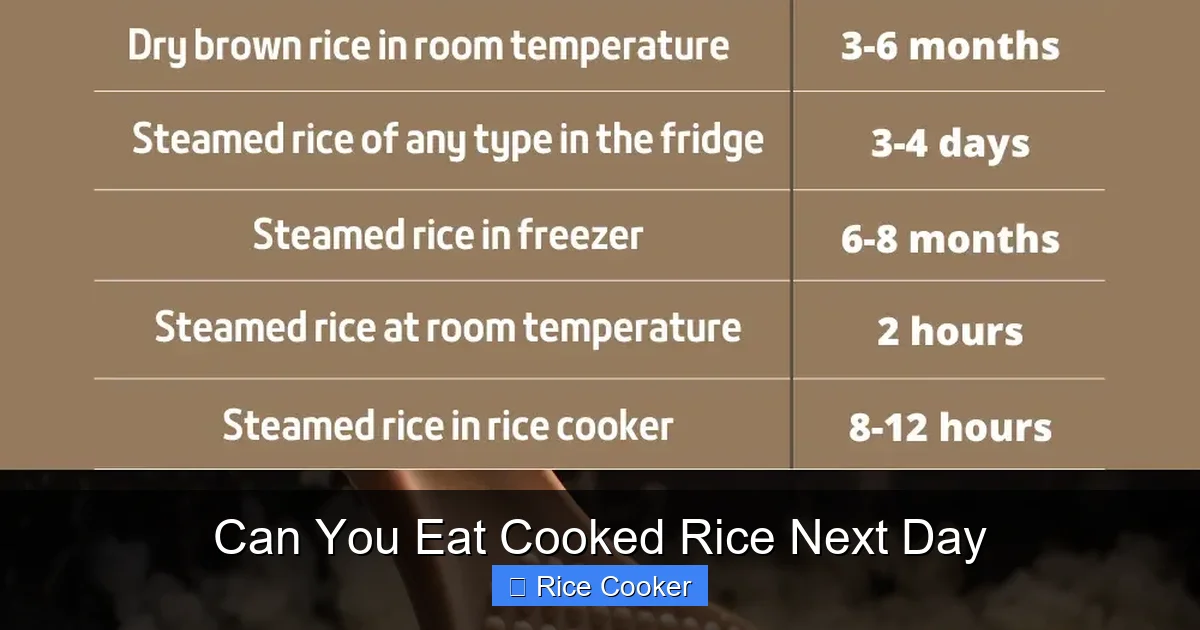
So, how long is too long when it comes to keeping cooked rice? The general rule is: **refrigerate within two hours and eat within three to five days**. This timeframe ensures both safety and quality. Freshly cooked rice tastes best within the first day, but properly stored rice can still be delicious and nutritious for up to five days.
Let’s break down what happens over time:
– **Day 1:** Rice is at its peak freshness. Starch retrogradation begins slightly, giving it a firmer texture.
– **Days 2–3:** Flavor remains excellent. Nutrient retention is still high.
– **Days 4–5:** Texture may become slightly drier or grainier. Best used in cooked dishes like fried rice or casseroles.
– **Beyond Day 5:** Increased risk of spoilage. Discard if in doubt.
It’s important to note that these are guidelines—not absolute rules. Factors like storage method, original cooking conditions, and how the rice was handled all play a role. For example, rice cooked with excess water and drained thoroughly will store better than rice cooked with minimal liquid.
Refrigeration vs. Freezing
Most people choose refrigeration for short-term storage, but freezing is a great option for longer preservation. If you plan to eat rice beyond five days, consider freezing it.
To freeze cooked rice:
1. Let it cool completely.
2. Portion it into freezer-safe containers or bags.
3. Label with the date.
4. Store at 0°F (-18°C) or below.
Frozen rice can last up to six months. Thaw it overnight in the refrigerator before reheating. Note that frozen rice may have a softer texture, so it’s ideal for soups, stews, or mashed rice dishes rather than sushi or steamed preparations.
Proper Storage Techniques
Visual guide about Can You Eat Cooked Rice Next Day
Image source: boatbasincafe.com
Even the best rice cooker won’t save you from poor storage habits. How you store your leftover rice makes all the difference. Here’s how to do it right:
Cooling Quickly
Don’t leave rice sitting in a hot pot or bowl for more than two hours. Instead, spread it out in shallow containers or divide it into smaller portions to speed up cooling. This reduces the time it spends in the danger zone (40°F–140°F).
Use Airtight Containers
Transfer cooled rice to airtight containers. Glass or BPA-free plastic containers work well. Avoid metal containers unless they’re stainless steel and specifically labeled for food storage.
Label and Date
Always label your containers with the date. This helps you track how long the rice has been stored and avoid confusion later.
Store in the Coldest Part of the Fridge
Place rice containers in the back of the refrigerator, where temperatures are most stable. Don’t store them on the door, where temperature fluctuates.
Avoid Cross-Contamination
Use clean utensils when scooping rice. Don’t return uneaten portions to the original container if they’ve touched bare hands or dirty spoons.
Reheating Cooked Rice Safely
Reheating is where many people go wrong. Simply microwaving cold rice without ensuring it’s heated evenly can leave cold spots where bacteria survive. Here’s how to reheat rice safely:
Microwave Method
1. Place rice in a microwave-safe dish.
2. Add a splash of water to prevent drying.
3. Cover with a damp paper towel or lid to retain moisture.
4. Heat on high in 30-second intervals, stirring between each, until steaming hot throughout (at least 165°F/74°C).
Stovetop Method
1. Transfer rice to a saucepan.
2. Add a tablespoon of water or broth.
3. Heat over medium-low, stirring frequently, until hot.
Oven Method
1. Preheat oven to 350°F (175°C).
2. Spread rice on a baking sheet or in a shallow pan.
3. Cover tightly with foil.
4. Bake for 15–20 minutes, stirring halfway.
No matter the method, always check that the center of the rice reaches at least 165°F. Use a food thermometer if possible.
Signs That Rice Has Gone Bad
Even with careful storage, rice can spoil. Know the signs:
– **Unpleasant smell:** Sour, rancid, or fermented odor.
– **Slimy texture:** Especially at the bottom of the container.
– **Mold:** Visible fuzzy spots (discard immediately).
– **Discoloration:** Grayish, greenish, or black patches.
– **Off taste:** Metallic, bitter, or overly sweet.
If any of these are present, throw the rice away. Don’t risk food poisoning for a quick meal.
Practical Tips for Rice Cooker Users
As someone who uses a rice cooker regularly, you’ll want tips tailored to your appliance. Here’s how to make the most of it:
Use the Keep-Warm Function Wisely
Modern rice cookers have a “keep warm” setting that maintains rice at 140°F–170°F. While convenient, this temperature is within the danger zone for bacterial growth. Only use it for up to 12 hours, and preferably for 1–2 hours max. After that, transfer rice to the fridge.
Choose the Right Rice Type
Long-grain white rice (like jasmine or basmati) stores better than short-grain or sticky rice because it’s less starchy and less prone to clumping.
Cook in Batches
If you’re cooking for one or two people, avoid making too much rice. Leftovers are great, but excess rice increases waste and storage challenges.
Repurpose Leftovers Creatively
Turn leftover rice into fried rice, rice salads, rice pudding, or stuffed peppers. It’s a fantastic way to reduce waste and add variety to your meals.
Can You Eat Cold Rice?
Absolutely—many people enjoy cold rice straight from the fridge. In fact, sushi, rice salads, and cold rice bowls rely on chilled rice for texture and flavor. Just ensure the rice was properly refrigerated and hasn’t been sitting out.
Cold rice is also easier to portion and store. Many restaurants serve fried rice with cold, firm rice to prevent mushiness. So don’t hesitate to eat rice cold—just follow the same storage rules.
Final Thoughts: Enjoy Rice Safely
Eating cooked rice the next day is not only safe—it’s practical, economical, and delicious. With the right techniques, you can enjoy leftover rice for up to five days without worry. Remember: the key is prompt refrigeration, proper storage, and thorough reheating. Your rice cooker is a powerful tool, but it’s up to you to use it responsibly.
By following these guidelines, you’ll not only protect your health but also extend the life of your favorite grain. Whether you’re whipping up a quick fried rice lunch or prepping meals for the week, knowing how to handle cooked rice makes cooking easier and more enjoyable.
So go ahead—make that extra batch of rice tonight. Store it smartly, reheat it well, and enjoy every bite tomorrow. Your taste buds and tummy will thank you.
Frequently Asked Questions
Is it safe to eat cold leftover rice?
Yes, cold rice is safe to eat if it was refrigerated within two hours of cooking. Many dishes like sushi and rice salads use cold rice. Just ensure it was stored properly and hasn’t spoiled.
How do I know if my leftover rice is bad?
Discard rice if it has a sour smell, slimy texture, mold, or unusual discoloration. When in doubt, throw it out—food poisoning isn’t worth the risk.
Can I leave rice on the rice cooker’s keep-warm setting overnight?
No. The keep-warm function keeps rice at a temperature (around 140°F–170°F) that promotes bacterial growth. Refrigerate leftover rice within two hours, even if it’s still warm.
Does freezing ruin the taste of rice?
Freezing doesn’t ruin rice, but it can soften its texture. It’s best for dishes like soups or casseroles rather than sushi or steamed rice.
Can you reheat rice more than once?
Yes, but each time you reheat, ensure it reaches 165°F throughout. Repeated heating can dry out rice, so add moisture if needed.
Why does my reheated rice taste dry?
Dry rice often results from insufficient moisture during reheating. Add a splash of water, broth, or oil and cover while heating to retain steam.