
Can you eat cooked rice that’s been left out overnight? The short answer is usually no, unless it’s been stored properly in the refrigerator within two hours. Raw rice contains spores of Bacillus cereus—a bacteria that can survive cooking and multiply in warm environments, leading to food poisoning. Proper handling is key to avoiding serious health risks.
Key Takeaways
- Bacillus cereus risk: Cooked rice can harbor heat-resistant bacteria spores that multiply when rice is left at room temperature, especially between 40°F and 140°F (the “danger zone”).
- Refrigeration is critical: To safely store leftover rice, cool it quickly and refrigerate within two hours—ideally within one hour if the room is warm.
- Reheating matters: If you do eat refrigerated rice, reheat it thoroughly to at least 165°F (74°C) to kill any potential bacteria.
- Signs of spoilage: Discard rice if it has an off smell, slimy texture, mold, or unusual color—don’t rely only on smell or taste.
- Freezing extends shelf life: Properly stored rice can be kept in the freezer for up to 3–6 months for best quality.
- Never leave rice out longer than 2 hours: This applies to all cooked grains, including pasta, couscous, and quinoa.
- Use clean containers: Store rice in shallow, airtight containers to speed cooling and prevent cross-contamination.
📑 Table of Contents
- Can You Eat Cooked Rice That’s Been Left Out Overnight?
- The Science Behind Cooked Rice and Food Safety
- How Long Is It Safe to Leave Cooked Rice Out?
- Signs Your Rice Has Gone Bad
- Safe Storage Practices for Leftover Rice
- Reheating Rice Safely
- Common Myths About Rice Safety
- Practical Tips for Busy Cooks
- Special Considerations: Brown Rice vs. White Rice
- What to Do If You Get Sick
- Conclusion: When in Doubt, Throw It Out
Can You Eat Cooked Rice That’s Been Left Out Overnight?
You just made a big pot of rice for dinner, but there’s more than enough for tomorrow. After cleaning up, you realize you forgot to put it in the fridge. It’s been sitting out all night—maybe even a full day. Now you’re wondering: Can you eat cooked rice that’s been left out overnight?
This is a question many home cooks face, and the answer isn’t always black and white. While some people might take a bite and feel fine, others could end up with stomach cramps, nausea, or worse. The truth lies in understanding how rice behaves after cooking and what happens when it’s exposed to room temperature.
In this article, we’ll explore everything you need to know about eating rice that’s been left out overnight—from the science behind foodborne illness to practical tips for safe storage. Whether you’re using a rice cooker, stovetop, or microwave, these guidelines apply to all types of cooked rice.
The Science Behind Cooked Rice and Food Safety
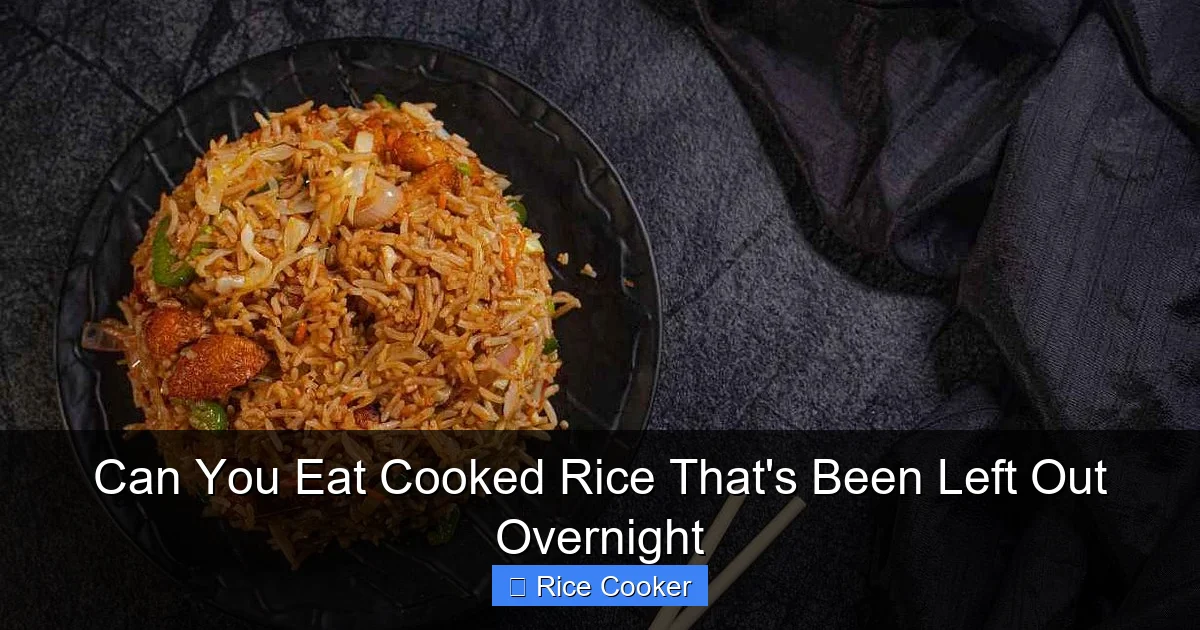
Visual guide about Can You Eat Cooked Rice That’s Been Left Out Overnight
Image source: miro.medium.com
When rice is cooked, it’s no longer safe to eat raw—but that doesn’t mean it’s automatically safe to leave out. The real danger comes from a bacterium called Bacillus cereus. This spore-forming bacteria is naturally present in soil and can get into rice during growing or processing. Unlike most bacteria, B. cereus spores are heat-resistant—meaning they survive the boiling process used to cook rice.
Once the rice is cooked, those dormant spores become active again if the grain is left at room temperature. In the “danger zone”—between 40°F and 140°F (4°C and 60°C)—the spores germinate, grow, and produce toxins that cause food poisoning. These toxins are what make people sick, not necessarily the bacteria themselves, which die during digestion.
The symptoms of B. cereus poisoning usually appear within 6 to 15 hours after eating contaminated rice. They include:
- Nausea
- Vomiting
- Stomach cramps
- Diarrhea
Importantly, the toxins produced by B. cereus are not destroyed by reheating. So even if you boil leftover rice again, you won’t eliminate the risk if it was already spoiled.
How Long Is It Safe to Leave Cooked Rice Out?

Visual guide about Can You Eat Cooked Rice That’s Been Left Out Overnight
Image source: chefsresource.com
According to the U.S. Food and Drug Administration (FDA), cooked rice should never be left out at room temperature for more than two hours. If the ambient temperature is above 90°F (32°C), that window shrinks to just one hour. Beyond that, the risk of bacterial growth increases significantly.
Let’s break this down:
Room Temperature Exposure
If your kitchen is at normal room temperature (around 70°F), leaving rice out overnight (8+ hours) is unsafe. The rice will pass through the danger zone multiple times—especially if it starts hot and cools slowly. This creates ideal conditions for B. cereus to thrive.
Warm Weather Considerations
In hotter climates or during summer months, even shorter exposure can be risky. A pot of rice left on the counter after dinner may still be above 140°F when you go to bed, but as it cools throughout the night, it spends several hours in the danger zone.
What About Cold Rooms?
Even in cooler environments, the two-hour rule still applies. While slower cooling might seem safer, it doesn’t eliminate the risk—it just delays bacterial growth. The spores can begin multiplying as soon as the rice drops below 140°F.
Signs Your Rice Has Gone Bad
Sometimes, you won’t see obvious signs that rice has spoiled. But there are clues to watch for:
- Smell: Fresh rice should have a neutral, slightly nutty odor. If it smells sour, foul, or just “off,” discard it.
- Texture: Spoiled rice may feel sticky, slimy, or clumpy. Normal rice should remain separate and dry.
- Color: Discoloration—like grayish or green patches—can indicate mold or bacterial contamination.
- Mold: Any visible mold means the rice is unsafe. Don’t try to cut around it.
Remember: taste is not a reliable indicator. Some people report eating rice that looked and smelled fine but still made them sick. Relying on appearance alone is dangerous.
Safe Storage Practices for Leftover Rice
To avoid foodborne illness, proper storage is essential. Here’s how to handle leftover rice like a pro:
Cool It Fast
After cooking, spread rice in a shallow container or tray to accelerate cooling. A wide surface area helps it lose heat quickly, reducing time spent in the danger zone.
Use Airtight Containers
Transfer cooled rice into clean, airtight containers. Glass or BPA-free plastic works well. Avoid reusing old takeout containers without washing them first.
Refrigerate Promptly
Place rice in the fridge within two hours (one hour if it’s hot outside). The ideal internal temperature should drop below 40°F as quickly as possible.
Label and Date
Write the date on the container so you know how long it’s been stored. Most experts recommend eating refrigerated rice within 3–5 days.
Freeze for Long-Term Storage
For rice you won’t eat soon, freeze it in portions. Use freezer-safe bags or containers. Frozen rice stays safe indefinitely, though quality may degrade after 3–6 months.
Reheating Rice Safely
If you’ve stored rice correctly and want to eat it later, reheating is necessary—but not sufficient on its own. Follow these steps:
Bring It to a Full Boil
Heat rice until it reaches at least 165°F (74°C) throughout. Stir frequently to ensure even heating. For stovetop rice, add a splash of water and cover to trap steam.
Avoid Microwaving Without Moisture
Dry microwaved rice can become unevenly heated. Add a tablespoon of water per cup before microwaving, and stir halfway through.
Don’t Reheat More Than Once
Each time you reheat rice, there’s a slight risk of moisture reintroducing bacteria. Best practice is to reheat only what you plan to eat immediately.
Common Myths About Rice Safety
There are plenty of misconceptions about rice and food safety. Let’s clear them up:
Myth 1: “Rice is safe if it looks okay.”
False. Bacteria and toxins aren’t always visible. Even if rice looks perfect, it could still be contaminated.
Myth 2: “Boiling rice again kills all germs.”
Partially true—boiling kills live bacteria—but it doesn’t destroy the heat-stable toxins produced by B. cereus.
Myth 3: “Leftover rice from takeout is always safe.”
Not necessarily. Many restaurants don’t follow strict refrigeration protocols. When in doubt, treat restaurant rice the same as homemade—refrigerate within two hours.
Myth 4: “Only old rice is dangerous.”
No. Even freshly cooked rice left out overnight is risky. The danger isn’t age—it’s time-temperature abuse.
Practical Tips for Busy Cooks
Life gets busy. Between work, school, and family, you might not always remember to put away your rice. Here are some real-world solutions:
- Set a timer: Place a phone reminder or kitchen timer 90 minutes after cooking.
- Cook less: Make smaller batches to reduce leftovers—and waste.
- Use portion-sized containers: Pre-portion rice while hot so it’s ready to go straight into the fridge.
- Keep a rice log: Note when you cook rice so you track expiration dates.
- Educate your household: Make sure everyone knows not to eat rice left out too long.
Special Considerations: Brown Rice vs. White Rice
Both types carry the same risk, but there are subtle differences:
- White rice: Higher in starch, which supports faster bacterial growth.
- Brown rice: Contains more fiber and nutrients, but also retains moisture longer. It can spoil faster if not cooled quickly.
Regardless of type, follow the same safety rules. Brown rice may even pose a slightly higher risk due to its oil content, which can go rancid over time.
What to Do If You Get Sick
If you suspect you’ve eaten spoiled rice, monitor yourself for symptoms. Most cases of B. cereus infection resolve on their own within 24 hours. Stay hydrated and rest.
However, seek medical attention if:
- Symptoms persist beyond 24 hours
- You experience severe dehydration
- You have underlying health conditions (e.g., diabetes, weakened immune system)
Conclusion: When in Doubt, Throw It Out
So, can you eat cooked rice that’s been left out overnight? In most cases, no. The risk of foodborne illness simply outweighs any convenience. While some people might feel fine after eating questionable rice, others suffer serious consequences.
The bottom line? When in doubt, throw it out. It’s better to lose a small amount of food than risk your health. With simple habits—like cooling rice fast, storing it properly, and reheating thoroughly—you can enjoy safe, delicious meals every time.
Next time you cook rice, remember: safety starts the moment the pot comes off the heat. Treat your leftovers like fragile ingredients, and they’ll serve you well for days to come.
Frequently Asked Questions
Is it safe to eat rice that’s been left out overnight?
Generally, no. Cooked rice left at room temperature for more than two hours can grow harmful bacteria like Bacillus cereus, which causes food poisoning. Always refrigerate rice within two hours.
How long does cooked rice last in the fridge?
Properly stored cooked rice can last 3–5 days in the refrigerator. Freeze it for longer storage—up to 3–6 months—for best quality.
Can you reheat rice more than once?
It’s not recommended. Each reheating increases the risk of bacterial contamination. Only reheat what you plan to eat immediately.
Does boiling rice again kill bacteria?
Boiling kills live bacteria, but it doesn’t destroy the heat-stable toxins produced by Bacillus cereus. So if rice was already spoiled, reheating won’t make it safe.
Can you eat rice straight from the rice cooker?
Yes, but only if you plan to eat it right away. If you’re not consuming it immediately, refrigerate it within two hours to prevent bacterial growth.
What temperature should rice be stored at?
Rice should be refrigerated at or below 40°F (4°C) within two hours of cooking. The freezer should be 0°F (-18°C) or lower for long-term storage.