
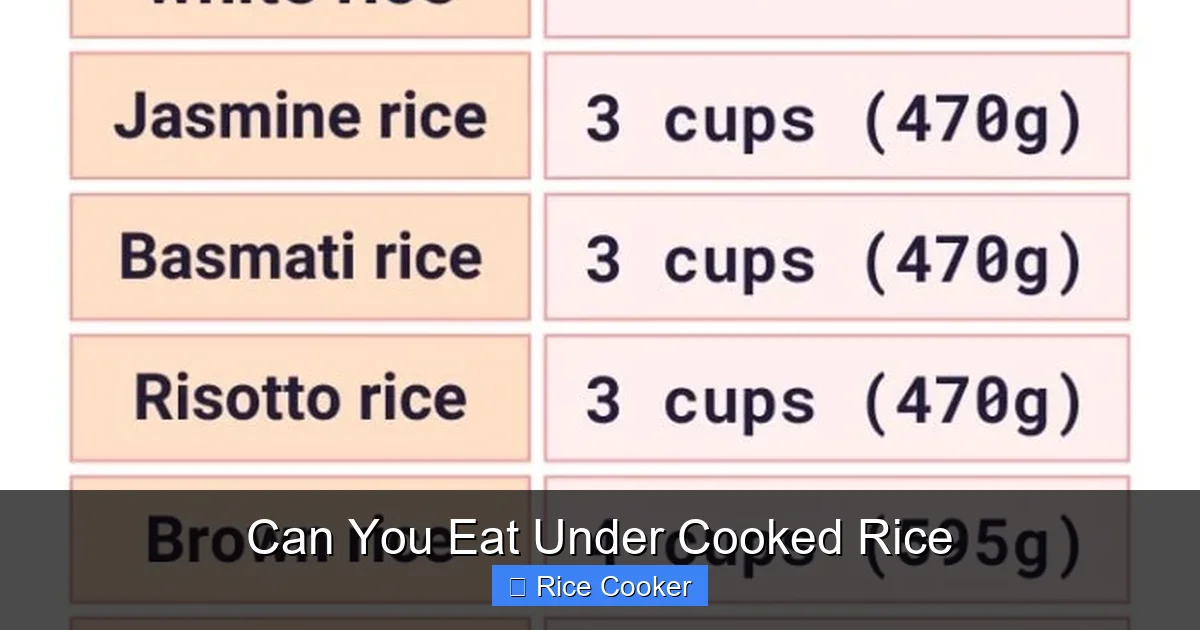
Eating undercooked rice can be dangerous. Raw or partially cooked rice may contain harmful bacteria like Bacillus cereus, which causes food poisoning. Properly cooked rice is safe and nutritious.
Key Takeaways
- Understanding can you eat under cooked rice: Provides essential knowledge
📑 Table of Contents
- Can You Eat Under Cooked Rice?
- The Science Behind Undercooked Rice
- Signs Your Rice Is Undercooked
- Health Risks of Eating Undercooked Rice
- How to Safely Cook Rice Every Time
- Are Rice Cookers Safe?
- What About Leftover Rice?
- Special Considerations: Brown Rice vs. White Rice
- Common Myths About Rice and Food Safety
- Practical Tips for Busy People
- When to See a Doctor
- Conclusion: Cook It Right, Eat It Safe
Can You Eat Under Cooked Rice?
Have you ever taken a bite of rice that still had a slightly chewy bite in the center—and wondered if it was safe? You’re not alone. Many people enjoy rice as a staple side dish or base for meals, but what happens when it’s not fully cooked? Can you eat under cooked rice, or is it a recipe for disaster?
Let’s be honest: rice is delicious—creamy, fluffy, and versatile. But when it comes to food safety, rice isn’t just about taste. It’s about biology, chemistry, and timing. Whether you’re using a stovetop pot, a microwave, or a high-tech rice cooker, knowing how to cook rice properly is key to avoiding stomach troubles.
In this article, we’ll explore everything you need to know about eating undercooked rice—why it’s risky, how to tell if your rice is done, and the best ways to prevent foodborne illness. We’ll also talk about rice cookers, because let’s face it, they make life easier… when used correctly.
The Science Behind Undercooked Rice
Why Is Rice a Breeding Ground for Bacteria?
Rice is made up mostly of starch—a type of carbohydrate that loves water. When you cook rice, you soak it in boiling water, creating the perfect environment for certain bacteria to thrive. One particularly sneaky culprit is Bacillus cereus.
Visual guide about Can You Eat Under Cooked Rice
Image source: projectperfecthome.com
This bacteria is everywhere—in soil, air, and yes, even in raw rice. It doesn’t cause illness immediately. Instead, its spores survive cooking. Once the rice cools down, especially if left at room temperature, those spores wake up, start reproducing, and produce toxins that can make you sick.
Unlike other foodborne illnesses that happen during cooking, B. cereus works quietly in the background. That’s why eating undercooked rice isn’t always the issue—sometimes it’s the way you store or reheat it afterward.
What Happens When You Eat Under Cooked Rice?
So, can you eat under cooked rice? Technically, yes—but with caveats. If the rice hasn’t been sitting around long enough for bacteria to multiply, you might get away with it. But here’s the catch: undercooked rice can still harbor live spores of Bacillus cereus, especially if it’s been stored improperly.
When these spores enter your gut, they release toxins that affect your digestive system. The result? A classic case of food poisoning.
Signs Your Rice Is Undercooked
Texture and Appearance
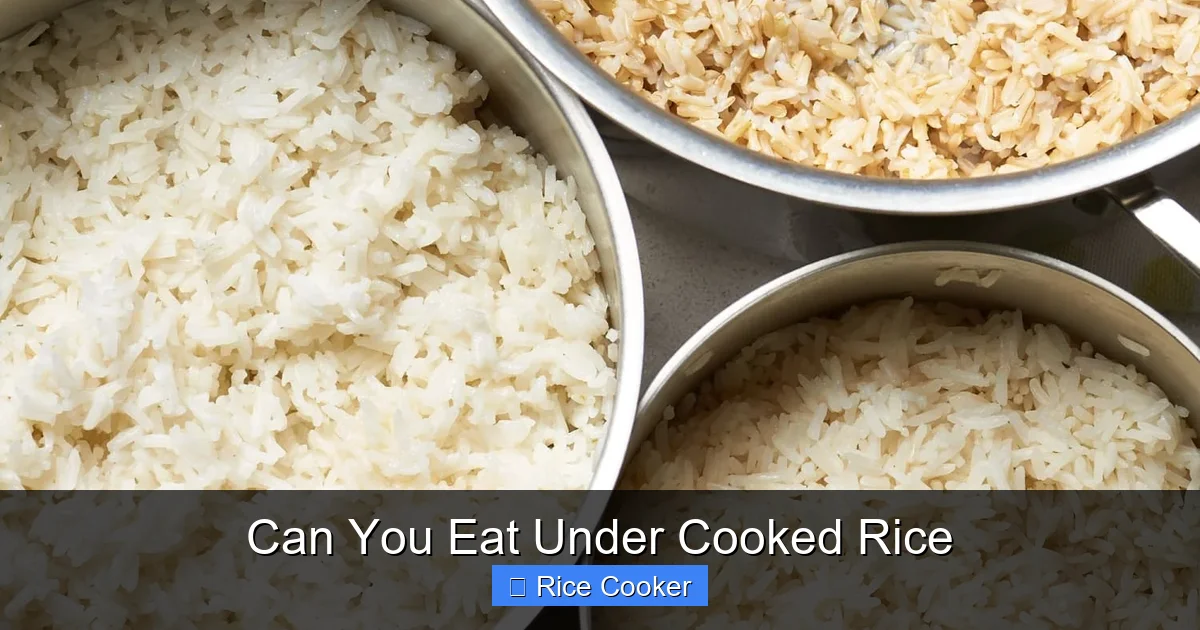
One of the easiest ways to spot undercooked rice is by looking and feeling it. Fully cooked rice should be tender, soft, and uniform throughout. If you see hard, chalky grains that don’t dissolve when you chew, it’s likely undercooked.
Visual guide about Can You Eat Under Cooked Rice
Image source: cdn.apartmenttherapy.info
White rice should be light and fluffy. Brown rice has a firmer texture but should still be tender in the center. If it feels gritty or crunchy, don’t risk it.
The “Bite Test”
The age-old method: take a small bite. If it tastes grainy or starchy, spit it out. There’s no benefit in eating undercooked rice—no flavor boost, no nutritional gain. It just increases your risk of getting sick.
Water Content Matters
Too much water can lead to mushy rice, while too little leaves it dry and tough. The right ratio is key. For white rice, it’s usually 1:2 (rice to water). Brown rice needs more—about 1:2.5 or even 1:3. Using a rice cooker helps maintain the perfect balance automatically.
Health Risks of Eating Undercooked Rice
Food Poisoning Symptoms
If you do eat undercooked rice that contains active Bacillus cereus, symptoms typically appear within 6 to 15 hours. These include:
- Nausea
- Vomiting
- Diarrhea
- Stomach cramps
These symptoms usually last 24 hours and resolve on their own. But in sensitive individuals—like young children, pregnant women, or people with weakened immune systems—the effects can be more severe.
Is Undercooked Rice Worse Than Raw Rice?
Raw rice is definitely worse—it’s hard to digest, lacks nutrients, and can cause intestinal blockages. But undercooked rice is a middle ground: safer than raw, but still risky due to bacterial contamination.
Long-Term Effects?
There’s no strong evidence linking occasional undercooked rice to long-term health issues. However, repeated exposure to contaminated food increases your risk of chronic digestive problems and nutrient absorption issues.
How to Safely Cook Rice Every Time
Use the Right Water Ratio
The golden rule: measure your rice and water carefully. Too much water makes rice soggy; too little leaves it dry. Here’s a quick guide:
| Grain Type | Water Ratio (Rice:Water) | Notes |
|---|---|---|
| White Rice | 1:2 | Fluffy and separate |
| Brown Rice | 1:2.5 | More water needed due to bran layer |
| Jasmine or Basmati | 1:1.5 | Lighter texture, less sticky |
Boil, Then Simmer
If you’re cooking on the stove, bring the rice to a rolling boil first. Then reduce heat to low and cover. Let it simmer for the full recommended time—usually 18–20 minutes for white rice, 35–40 for brown.
Don’t peek! Each time you lift the lid, you lose steam and heat, which can leave parts of the rice undercooked.
Let It Rest
After cooking, turn off the heat and let the rice sit, covered, for 5–10 minutes. This allows steam to finish cooking the grains evenly—especially important for large batches.
Are Rice Cookers Safe?
How Rice Cookers Work
A rice cooker is a kitchen appliance designed specifically for cooking rice. It uses internal sensors to detect when the water has been absorbed and automatically switches to “warm” mode. Some models even have timers and multiple settings for different types of rice.
The beauty of a rice cooker? Consistency. Unlike boiling on the stove, where timing and heat control are manual, a rice cooker does the work for you. Most modern rice cookers reach temperatures above 212°F (100°C), which is hot enough to kill most bacteria.
Do Rice Cookers Prevent Undercooked Rice?
Yes—if used correctly. A good rice cooker will cook rice thoroughly every time. The key is choosing the right setting. White rice, brown rice, sushi rice—each has its own button. Use it!
However, if you add too much or too little water, even a smart cooker can’t fix that. Follow the instructions that came with your model, and measure carefully.
Best Rice Cookers for Safety
Look for models with:
- Fuzzy logic technology (adjusts cooking time based on conditions)
- Keep-warm function (maintains safe temperature without reheating)
- Non-stick inner pots (easier to clean, preventing bacterial buildup)
Top brands like Zojirushi, Panasonic, and Instant Pot offer reliable, safe options.
What About Leftover Rice?
Can You Reheat Undercooked Rice?
No. If you’ve already eaten undercooked rice, don’t try to fix it by reheating. The bacteria are already inside you. Instead, focus on hydration and rest if symptoms develop.
How to Store and Reheat Leftover Rice Safely
Here’s the safest way to handle leftover rice:
- Cool it quickly: Spread rice in a shallow container to speed cooling.
- Refrigerate within 2 hours: Bacteria multiply fast between 40°F and 140°F (4°C–60°C).
- Store in an airtight container for up to 4 days.
- Reheat thoroughly: Bring to a rolling boil or heat until steaming hot throughout (165°F/74°C).
A microwave-safe plate works well. Stir halfway through to ensure even heating.
Is It Safe to Eat Cold Rice?
Yes—as long as it’s been refrigerated properly. Cold rice salads (with veggies, herbs, and dressing) are a great way to use leftovers. Just make sure it wasn’t left out too long.
Special Considerations: Brown Rice vs. White Rice
Why Brown Rice Takes Longer to Cook
Brown rice has a protective outer layer called the bran, which holds onto moisture and slows down cooking. That’s why it takes longer and needs more water than white rice.
But the extra time also means better texture—when done right, brown rice is nutty, chewy, and satisfying.
Tips for Perfect Brown Rice
- Soak it overnight to reduce cooking time.
- Use a higher water ratio (1:2.5 or 1:3).
- Cook on low heat for 40–45 minutes.
- Let it rest before fluffing.
Nutritional Differences
Brown rice is richer in fiber, vitamins, and minerals. But because it’s harder to digest when undercooked, it’s even more important to cook it thoroughly.
Common Myths About Rice and Food Safety
Myth: “If I Boil It Long Enough, It’s Fine”
True—boiling kills bacteria. But remember, Bacillus cereus spores survive boiling. They only become dangerous after the rice cools and is stored improperly.
Myth: “I’ve Eaten Undercooked Rice My Whole Life—I’m Fine”
Just because you haven’t gotten sick yet doesn’t mean it’s safe. Your body might have handled it, but others aren’t so lucky. Don’t risk it.
Myth: “Rinsing Rice Removes Bacteria”
Unfortunately, no. Rinsing removes surface starch, which helps prevent sticking, but it doesn’t kill bacteria. In fact, some studies suggest rinsing might spread spores around.
Practical Tips for Busy People
Batch Cook and Store Safely
On weekends, cook a big pot of rice and store portions in the fridge. Use them throughout the week in stir-fries, fried rice, or bowls. Just follow the storage guidelines above.
Use a Timer
If you’re cooking on the stove, set a timer. Don’t rely on guesswork. Rice can go from perfect to overdone in just a few minutes.
Invest in a Good Rice Cooker
If you eat rice regularly, a rice cooker is worth the investment. It takes the guesswork out of cooking and ensures consistency every time.
When to See a Doctor
Most cases of rice-related food poisoning resolve on their own. But see a doctor if you experience:
- Severe dehydration (dry mouth, little urination)
- High fever (over 101.5°F or 38.6°C)
- Blood in stool
- Symptoms lasting more than 24 hours
These could be signs of a more serious infection.
Conclusion: Cook It Right, Eat It Safe
So, can you eat under cooked rice? While it might seem harmless, the risks are real. Undercooked rice can harbor dangerous bacteria that lead to food poisoning, especially if it’s been stored or reheated improperly.
The good news? Cooking rice safely is simple. Use the right water ratio, cook it thoroughly, let it rest, and store it properly. And if you want peace of mind, a quality rice cooker can make all the difference.
Whether you prefer fluffy white rice or hearty brown rice, the goal is the same: tender, safe, delicious grains every time. No shortcuts, no compromises. Just perfectly cooked rice—thanks to science, skill, and the right tools.
Next time you open a rice cooker, remember: you’re not just making a meal. You’re ensuring food safety for yourself and your family.
Frequently Asked Questions
Can you eat undercooked rice if you’re healthy?
It’s not recommended. Even healthy people can get sick from undercooked rice containing Bacillus cereus spores. The risk isn’t worth it—always cook rice thoroughly.
Does cooking rice kill all bacteria?
Boiling rice at 212°F (100°C) for at least 30 minutes kills most bacteria, but Bacillus cereus spores can survive. They become dangerous when rice cools and is stored improperly.
How long does it take for undercooked rice to make you sick?
Symptoms usually appear 6 to 15 hours after eating contaminated rice. Look out for nausea, vomiting, diarrhea, and stomach cramps.
Can a rice cooker prevent undercooked rice?
Yes. A quality rice cooker uses precise temperature control and automatic shut-off to ensure rice is cooked evenly and completely every time.
Is it safe to eat leftover rice cold?
Yes, as long as it’s been refrigerated within 2 hours of cooking and stored in an airtight container. Cold rice salads are a safe and tasty option.
Should you rinse rice before cooking?
Rinsing removes excess starch and prevents clumping, but it doesn’t kill bacteria. It’s optional—just avoid washing away too much starch if you want fluffy rice.