
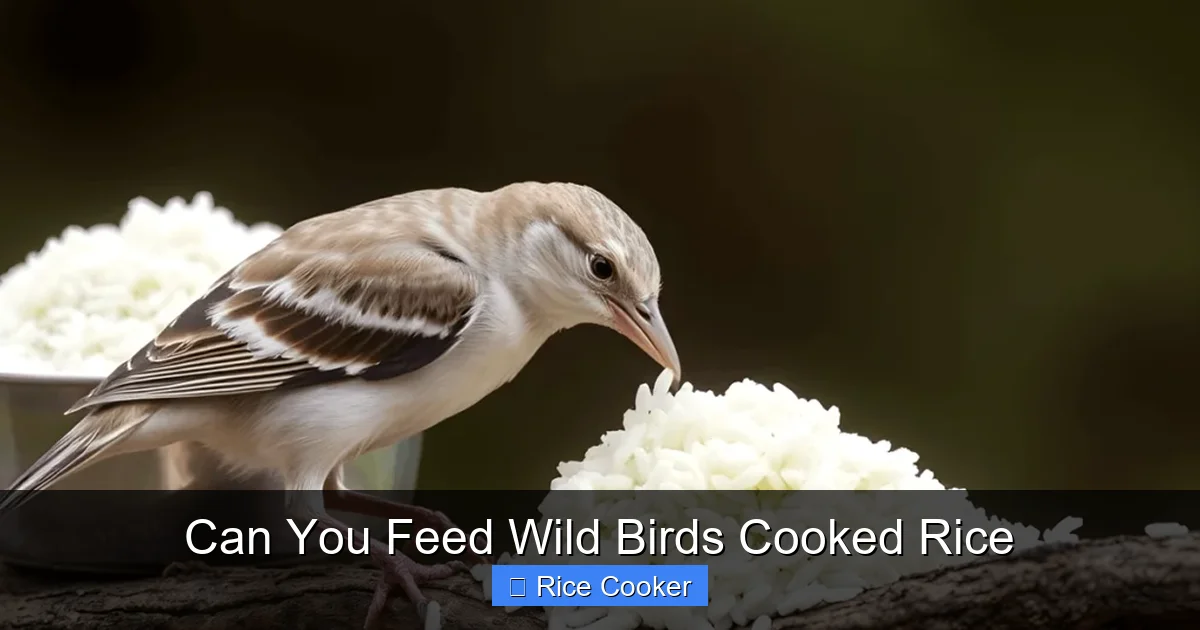
Yes, you can feed wild birds cooked rice—but only plain, unseasoned rice without oil or salt. Cooked rice is a safe and nutritious treat that provides carbohydrates and energy, especially during cold weather. However, moderation and proper preparation are key to avoiding health issues.
Have you ever spotted a curious sparrow pecking at a discarded piece of rice near your backyard feeder? Or maybe you’ve wondered whether tossing a leftover bowl of plain rice into your garden might be doing more good than harm? If so, you’re not alone. Many bird lovers enjoy sharing food with local wildlife, but it’s natural to ask: can you feed wild birds cooked rice? The short answer is yes—but with important caveats.
In this complete guide, we’ll walk you through everything you need to know about feeding wild birds cooked rice. From safety and nutrition to practical tips and potential pitfalls, we’ll cover it all. Whether you’re a seasoned birdwatcher or just starting your backyard bird sanctuary, this article will help you make informed, compassionate decisions that support the health and well-being of our feathered friends.
So grab a cup of coffee, pull up a chair, and let’s dive into the fascinating world of bird-friendly cooking!
—
Key Takeaways
- Plain rice is safe: Unseasoned, cooked white or brown rice is non-toxic and easily digestible for most wild birds.
- Avoid additives: Never give birds seasoned, fried, oily, or salty rice—these can harm their kidneys and digestive systems.
- Offer in moderation: Use rice as an occasional snack, not a staple diet, to prevent nutritional imbalances.
- Keep it fresh: Provide small portions daily and remove uneaten food to avoid mold and bacterial growth.
- Supplement with variety: Combine rice with seeds, fruits, and insects for a balanced diet that supports overall bird health.
- Use clean feeding areas: Place rice in bird-safe feeders or on clean ground away from predators to encourage safe eating.
- Timing matters: Offer rice during colder months when natural food sources are scarce to help birds conserve energy.
📑 Table of Contents
- Understanding Wild Birds and Their Diet
- Is Cooked Rice Safe for Wild Birds?
- Benefits of Feeding Wild Birds Cooked Rice
- Risks and Downsides of Feeding Birds Cooked Rice
- How to Safely Feed Wild Birds Cooked Rice
- Alternatives to Cooked Rice for Wild Birds
- Practical Tips for Backyard Bird Enthusiasts
- Environmental Impact and Sustainability
- Conclusion: A Simple Act with Big Impact
Understanding Wild Birds and Their Diet
Before we get into the specifics of cooked rice, it’s helpful to understand what wild birds actually eat in nature. Most songbirds, such as finches, sparrows, and robins, primarily consume seeds, berries, insects, and plant matter. In the winter months, when natural food sources dwindle, birds become more reliant on human-provided food like seed mixes, suet, and fruit.
Birds have unique digestive systems designed to process high-protein diets, especially during breeding season when they need extra energy for nesting and chick-rearing. While seeds are ideal, some grains—like cooked rice—can serve as a temporary energy boost, particularly when birds are stressed by cold temperatures or food scarcity.
However, not all human foods are suitable. Some can cause blockages, dehydration, or even poisoning. That’s why it’s crucial to offer food that aligns with a bird’s natural dietary needs. Cooked rice, when prepared correctly, fits this bill—but only in certain conditions.
—
Is Cooked Rice Safe for Wild Birds?
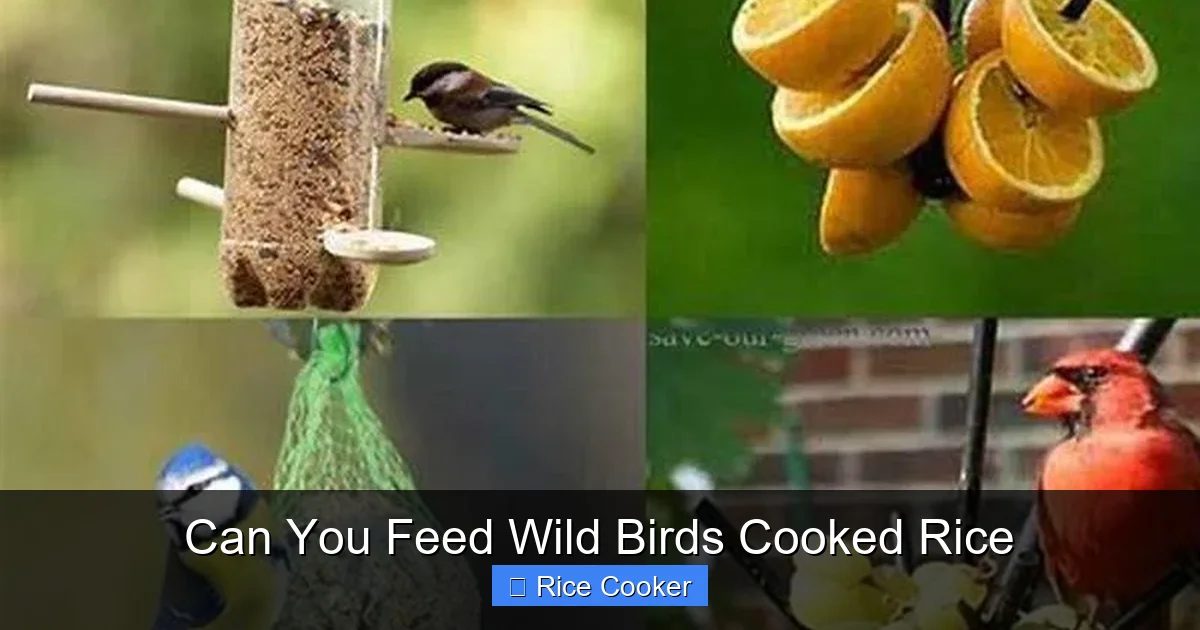
Visual guide about Can You Feed Wild Birds Cooked Rice
Image source: diyseattle.com
Let’s cut to the chase: cooked rice is generally safe for wild birds—but only if it’s plain, unseasoned, and free of harmful additives. White or brown rice that has been boiled without oil, butter, salt, spices, or sauces poses little to no risk to most common backyard birds.
The reason lies in its simple composition. Cooked rice breaks down into glucose, providing quick energy. It’s also easy for birds to swallow and digest, especially when mixed with other soft foods. During harsh winters, when birds burn calories faster due to shivering and increased metabolism, a small portion of rice can help them maintain body heat.
That said, caution is essential. Raw rice, while not toxic, can expand in a bird’s stomach if swallowed whole, potentially causing discomfort. But once cooked, this risk disappears. Still, it’s best to offer rice in small, manageable pieces or as part of a moist mix.
—
What Makes Plain Rice Different from Seasoned Rice?
Not all rice is created equal when it comes to wildlife feeding. Here’s how to tell the difference:
- Plain cooked rice: Boiled in water only, cooled, and offered without any added ingredients. This is safe and nutritious.
- Seasoned, fried, or oily rice: Includes salt, garlic, soy sauce, butter, or deep-fried textures. These are dangerous and should never be fed to birds.
- Microwaved or instant rice: Often contains preservatives, oils, or sodium that can harm delicate bird livers and kidneys.
For example, imagine you’re cleaning up after a family dinner and come across a plate with leftover fried rice. Even though it looks like food, tossing it into your garden could harm local birds. The oil and salt are toxic, and the texture may cause choking. Instead, save plain boiled rice from your own meals—just make sure it hasn’t been sitting out too long.
—
Types of Rice That Are Safe for Birds
Most types of cooked rice are acceptable, but some are better than others:
- White rice: Quick-cooking and gentle on digestion. Ideal for small birds like finches or wrens.
- Brown rice: Richer in fiber and nutrients, making it a slightly healthier option. Best for larger birds like jays or thrushes.
- Instant rice: Only safe if labeled “plain” and made without added flavors or fats. Check the ingredient list carefully.
If you’re preparing rice specifically for birds, stick to basic methods: boil in water, drain excess liquid (to prevent sogginess), and cool before offering. Think of it like making birdseed cake—simple, clean, and effective.
—
Benefits of Feeding Wild Birds Cooked Rice
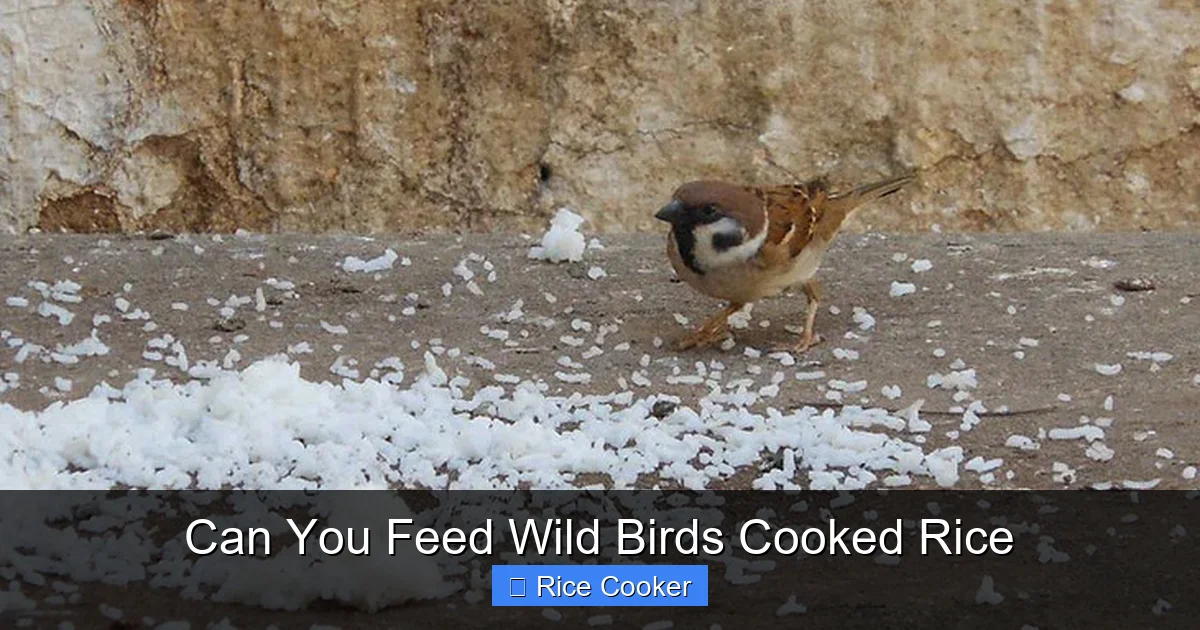
Visual guide about Can You Feed Wild Birds Cooked Rice
Image source: avianreport.com
Why go through the trouble of preparing rice for birds? There are several real benefits, especially during challenging seasons.
1. Energy Source During Cold Weather
During winter, birds expend more energy staying warm. A carbohydrate-rich meal like cooked rice helps fuel their bodies without overloading them with fat. Think of it as a quick snack bar for sparrows or nuthatches trying to survive subzero nights.
2. Ease of Digestion
Unlike hard seeds or nuts, cooked rice softens quickly, making it easier for young birds or those with weakened immune systems to eat. This is especially helpful during migration when birds may be exhausted or injured.
3. Natural Attractant
Birds are naturally drawn to grains, especially when mixed with seeds or fruits. Offering rice near your bird feeder can attract a wider variety of species, including ground-feeding birds like doves or quail.
4. Low-Cost Supplement
Rice is affordable and widely available. You can repurpose leftovers from your kitchen, reducing waste while supporting local wildlife. Just remember: sustainability goes both ways—don’t feed birds expired or spoiled rice.
—
Risks and Downsides of Feeding Birds Cooked Rice
While cooked rice is beneficial, it’s not without risks—especially if misused.
Overfeeding Can Lead to Nutritional Imbalance
Birds require a varied diet rich in protein, vitamins, and minerals. Relying too heavily on rice can lead to deficiencies. For instance, many songbirds need insects during spring and summer to feed their chicks. Replacing those with rice alone may stunt growth or reduce fertility.
Mold and Bacteria Growth
Rice left outside for extended periods can develop mold or attract bacteria like salmonella. Always offer fresh portions daily and discard uneaten food promptly. Moisture from rain or dew can also spoil rice quickly, so consider using covered feeders or offering it on dry ground.
Attracting Pests
Sticky rice residue or spilled grains may draw unwanted visitors—rats, raccoons, or ants. Keep feeding areas clean and avoid overfilling. If pests become a problem, temporarily stop offering rice until the issue resolves.
Choking Hazards
Large chunks of rice can pose a choking risk, especially for smaller birds. Always break rice into tiny pieces or soak it briefly to soften.
—
How to Safely Feed Wild Birds Cooked Rice
Ready to start? Follow these simple steps to ensure your efforts benefit the birds—and don’t backfire.
Step 1: Prepare Plain, Cooled Rice
Boil rice in plain water. Avoid using broth, stock, or flavored liquids. Once cooked, spread it out to cool completely. No microwave popcorn rice—ever.
Step 2: Portion Control
Offer only what birds can eat in one day. A handful per square yard is plenty. Overfeeding leads to waste and attracts pests.
Step 3: Choose the Right Location
Place rice on open ground or in shallow dishes. Avoid hanging feeders unless they’re designed for soft foods. Ground-feeding birds like towhees and juncos prefer accessible spots.
Step 4: Mix with Other Foods (Optional)
Combine rice with cracked corn, millet, or soaked dried fruit for variety. This mimics a natural foraging experience and encourages diverse species to visit.
Step 5: Monitor and Clean Up
Check feeders daily. Remove spoiled food, clean dishes with hot water (no soap—it leaves residues), and note which birds are visiting. Adjust offerings based on demand.
—
Alternatives to Cooked Rice for Wild Birds
While rice is a great occasional treat, it shouldn’t replace core food sources. Consider these nutritious alternatives:
Suet Cakes and Nuts
High in fat, ideal for winter energy. Offer peanuts (shelled), sunflower seeds, or homemade suet cakes with added raisins or dried fruit.
Dry Bird Seed Mixes
Commercial blends containing millet, nyjer, and cracked corn appeal to finches, sparrows, and doves. Rotate brands to prevent boredom and ensure balance.
Fruits and Berries
Apples, grapes, berries, and oranges provide vitamins and hydration. Cut into small pieces and place in mesh bags or shallow trays.
Insects and Mealworms
Protein-rich and perfect for breeding season. Offer live mealworms or dried options near nest boxes to attract insect-eating birds like bluebirds and swallows.
Oatmeal and Whole Grains
Unsweetened oatmeal or barley can be mixed with peanut butter and rolled oats to create easy-to-eat mounds on the ground.
Remember: variety is the spice of life—even for birds!
—
Practical Tips for Backyard Bird Enthusiasts
Want to turn your yard into a bird paradise? Here are some tried-and-true tips:
- Create a feeding schedule: Offer rice only during cold snaps or when natural food is scarce.
- Use native plants: Plant berry bushes, sunflowers, or grasses to provide year-round habitat and food.
- Install water features: Birds need fresh water for drinking and bathing. A birdbath with moving water is irresistible.
- Minimize window collisions: Use decals, netting, or UV-reflective glass to protect curious flyers.
- Observe responsibly: Watch from a distance. Too much interaction can stress birds or teach them to depend on humans.
And yes—feel free to enjoy watching the antics of your feathered guests. That moment when a bold cardinal snatches rice right off your finger? Pure magic.
—
Environmental Impact and Sustainability
Feeding wild birds isn’t just about individual kindness—it’s part of a broader ecological conversation. When done responsibly, backyard feeding supports biodiversity and helps offset habitat loss due to urban development.
However, mass feeding can disrupt natural behaviors, spread disease, or create dependency. The goal isn’t to replace nature with human intervention, but to supplement it wisely.
Using recycled containers for feeders, sourcing food sustainably, and avoiding single-use plastics all contribute to a greener approach. Plus, every grain of rice shared is a small act of stewardship for future generations of birds.
—
Conclusion: A Simple Act with Big Impact
So, can you feed wild birds cooked rice? Absolutely—but only when done thoughtfully. Plain, cooled, unseasoned rice offers real benefits during tough times, giving birds the energy they need to survive and thrive.
Just remember: less is more. Offer rice sparingly, keep it clean, and always prioritize a varied, natural diet. Your backyard can become a haven for wildlife, one grain at a time.
Whether you’re sprinkling rice on the lawn after a snowstorm or mixing it into a suet cake, you’re doing more than feeding birds—you’re connecting with nature in a meaningful way. And sometimes, that’s exactly what we all need.
Now go ahead—share that rice responsibly. Your feathered friends will thank you with songs, flights, and joyful visits.
Frequently Asked Questions
Can wild birds eat uncooked rice?
Uncooked rice is not recommended for wild birds because it can expand in their digestive tract if swallowed, potentially causing blockages. Always offer cooked, plain rice to ensure safety.
How often should I feed wild birds cooked rice?
Limit rice to occasional offerings, especially during cold weather when natural food is scarce. One small portion per day is sufficient—never make it a regular staple.
Can I mix cooked rice with birdseed?
Yes! Mixing plain cooked rice with cracked corn, millet, or dried fruit creates a nutrient-rich blend that appeals to many bird species and encourages natural foraging behavior.
Will feeding birds rice attract unwanted animals?
Rice alone is unlikely to attract large pests, but spilled grains or sticky residues might draw ants or rodents. Keep feeding areas clean and use covered containers to minimize risk.
Is brown rice better than white rice for birds?
Brown rice offers more fiber and nutrients, making it a slightly healthier choice. However, both types are safe as long as they’re plain and properly prepared.
What should I do if a bird seems sick after eating rice?
If you suspect illness, contact a local wildlife rehabilitator immediately. Do not attempt treatment yourself. Continue providing safe, clean food while seeking professional advice.