
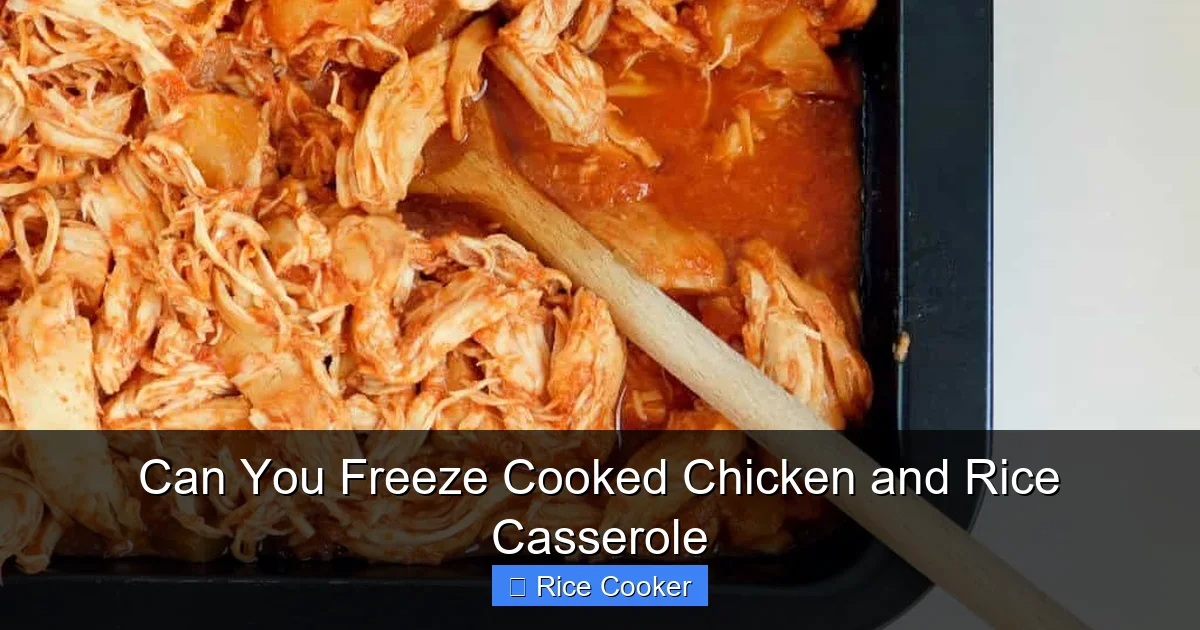
Can you freeze cooked chicken and rice casserole? Absolutely! This hearty dish freezes beautifully when stored correctly, making it perfect for meal prep or saving leftovers. With the right steps, you can enjoy flavorful, reheated casseroles that taste almost as good as fresh. From portioning to thawing, we’ll walk you through everything so your next meal is always ready to go.
Have you ever made a big batch of chicken and rice casserole only to realize you’ll never finish it in one sitting? You’re not alone. That rich, creamy, comforting dish—packed with tender chicken, fluffy rice, and savory seasonings—is a family favorite. But what do you do when you’ve got more than you can eat? Can you freeze cooked chicken and rice casserole?
The short answer? Yes, absolutely. Freezing this classic comfort food is not only safe—it’s actually one of the best ways to preserve its flavor and texture. Whether you’re meal prepping for busy weekdays or just want to avoid food waste, freezing your leftover casserole is a smart move.
But before you toss that entire pan into the freezer, there are some important steps to follow. From cooling techniques to proper storage, getting it right ensures your casserole tastes amazing when you reheat it later. In this guide, we’ll walk you through everything you need to know about freezing, storing, and reheating cooked chicken and rice casserole like a pro.
—
Key Takeaways
- Freezing works well: Cooked chicken and rice casserole freezes successfully when prepared and stored properly.
- Proper packaging is key: Use airtight containers or heavy-duty freezer bags to prevent freezer burn and retain moisture.
- Label and date everything: Keep track of when you froze your casserole with clear labels for easy identification.
- Thaw safely in the fridge: Always defrost frozen casserole in the refrigerator to maintain food safety and texture.
- Reheat thoroughly: Warm your casserole until steaming hot throughout—about 30–40 minutes at 350°F (175°C) usually does the trick.
- Best for up to 3 months: For optimal quality, consume frozen chicken and rice casserole within three months.
📑 Table of Contents
- Why Freeze Chicken and Rice Casserole?
- When Is the Best Time to Freeze Chicken and Rice Casserole?
- How to Properly Store Cooked Chicken and Rice Casserole
- How Long Can You Keep Frozen Chicken and Rice Casserole?
- Thawing and Reheating Tips
- Ingredients That Work Best for Freezing
- Common Mistakes to Avoid
- Creative Ways to Enjoy Frozen Chicken and Rice Casserole
- Final Thoughts
Why Freeze Chicken and Rice Casserole?
Cooking in bulk has become a staple for many households, especially with today’s fast-paced lifestyles. But even the best meal planners run into situations where there’s simply too much food. That’s where freezing comes in—and chicken and rice casserole is a prime candidate.
First and foremost, freezing extends the shelf life of your casserole. Without refrigeration, most cooked dishes spoil within a few days. But when frozen properly, your casserole can last up to three months while still tasting fresh and satisfying. That means fewer trips to the grocery store and less stress over expired ingredients.
Another benefit? Convenience. Imagine coming home from work tired and hungry—only to pull out a frozen casserole from the fridge, pop it in the oven, and have dinner ready in under an hour. It’s a game-changer for families, college students, or anyone who wants homemade meals without the daily effort.
Plus, freezing helps maintain nutritional value. When done correctly, your casserole retains its vitamins, minerals, and protein content. Just be sure to avoid overcooking when reheating, which can degrade some nutrients.
Of course, not all casseroles freeze equally well. The key lies in ingredients and preparation. Casseroles with dairy (like cream of mushroom soup or cheese sauce) can separate when frozen, but with a few tricks, you can minimize that risk. We’ll cover those tips shortly.
—
When Is the Best Time to Freeze Chicken and Rice Casserole?

Visual guide about Can You Freeze Cooked Chicken and Rice Casserole
Image source: canyoufreezethis.com
Timing matters when it comes to freezing. Ideally, you should freeze your casserole **within two hours** of cooking. Bacteria multiply rapidly between 40°F and 140°F (4°C and 60°C), so leaving your hot casserole at room temperature too long increases the risk of foodborne illness.
After removing your casserole from the oven, let it cool slightly—but don’t leave it out overnight. Instead, transfer it to shallow containers or divide it into smaller portions. This allows it to cool faster and prevents condensation buildup, which can lead to sogginess or freezer burn.
If you’re making a large batch ahead of time, consider preparing the casserole the day before and refrigerating it overnight. Then, on the day you plan to freeze it, bring it to room temperature slowly (in the fridge) before portioning and freezing. This method reduces the chance of bacterial growth while keeping your dish intact.
Also, avoid freezing casserole that contains raw eggs or uncooked pasta. These ingredients can become unsafe or develop off-flavors when frozen. Stick to fully cooked recipes for the best results.
—
How to Properly Store Cooked Chicken and Rice Casserole
Visual guide about Can You Freeze Cooked Chicken and Rice Casserole
Image source: canyoufreezethis.com
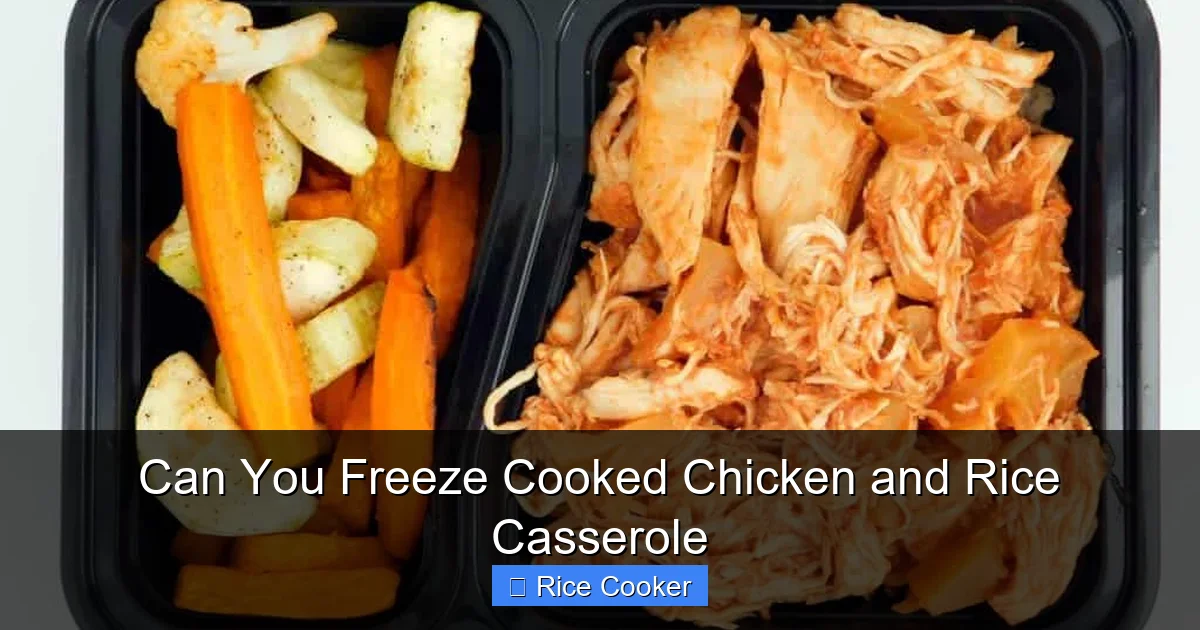
Proper storage is crucial to maintaining quality. Here’s how to pack your casserole for maximum protection:
Use Airtight Containers or Freezer Bags
Choose containers with tight-fitting lids or heavy-duty freezer bags. Glass or BPA-free plastic containers work well, but make sure they’re freezer-safe. If using bags, squeeze out as much air as possible before sealing—this reduces the chance of freezer burn.
Portion Control Matters
Divide your casserole into individual servings or family-sized portions. This makes reheating easier and minimizes repeated thawing and refreezing, which can affect texture and flavor. Use muffin tins or small baking dishes if you prefer pre-portioned trays.
Leave Space for Expansion
Don’t fill containers to the brim. Liquids and sauces expand as they freeze, so leave at least an inch of headspace. This prevents cracking and leakage.
Label Everything Clearly
Write the contents and date on masking tape or a label pen. Frozen casserole looks identical after a month, so labeling saves time and avoids confusion. Include both the type of dish and “best by” date (typically 2–3 months).
Avoid Double Thawing
Once thawed, don’t refreeze your casserole unless it’s been reheated to 165°F (74°C). Refreezing increases the risk of bacterial growth and affects texture.
—
How Long Can You Keep Frozen Chicken and Rice Casserole?
For best quality, consume your frozen casserole within **2 to 3 months**. While it won’t necessarily “go bad” after that, the texture, flavor, and appearance may decline. Rice, in particular, can become mushy when frozen longer than recommended, and chicken can dry out.
That said, if stored properly in a consistently cold freezer (0°F or below), your casserole will remain safe to eat indefinitely. But realistically, aim to use it within three months for optimal taste and texture.
Signs your casserore is no longer good include:
– Off odors (rancid or sour smells)
– Ice crystals forming inside the container
– Mold growth
– Unusual color changes
If any of these are present, discard the casserole immediately.
—
Thawing and Reheating Tips
Reheating frozen casserole doesn’t have to be complicated. Follow these steps for best results:
Thaw Safely in the Refrigerator
Transfer the frozen casserole to the fridge 24–48 hours before you plan to eat it. This slow thawing method keeps bacteria at bay and preserves texture. If you’re in a hurry, you can thaw it in cold water (change water every 30 minutes), but this is less ideal for large portions.
Check for Cold Spots
Before reheating, ensure the casserole is evenly thawed. Gently stir or break apart any chunks if needed. Uneven thawing can lead to uneven heating.
Reheat in the Oven
Preheat your oven to 350°F (175°C). Place the thawed casserole in an oven-safe dish, cover with foil, and bake for 30–40 minutes. Remove foil during the last 10–15 minutes to crisp up the top if desired.
Add Moisture if Needed
Frozen casseroles can dry out. Add a splash of broth, milk, or water during reheating to revive creaminess. Stir halfway through baking to distribute moisture.
Microwave Option (for Singles)
For single servings, microwave on high for 3–5 minutes, stirring halfway. Be careful—some areas may get hot while others stay cold. Rotate the dish or stir thoroughly before serving.
—
Ingredients That Work Best for Freezing
Not all chicken and rice casserole recipes freeze equally well. Some ingredients hold up better than others.
Chicken: Fully Cooked Is Best
Use shredded rotisserie chicken or leftover roasted chicken. Avoid adding raw chicken before freezing—it can develop off-flavors and pose food safety risks. If your recipe calls for raw chicken, cook it separately and add it after thawing.
Rice: Short-Grain or White Rice Preferred
Short-grain or white rice holds its texture better when frozen and reheated. Brown rice tends to become gummy. Cook rice slightly al dente before mixing into the casserole—overcooked rice gets mushy.
Dairy Products: Use Wisely
Cream-based sauces or cheese can separate when frozen. To reduce this, mix in a bit of cornstarch or flour to thicken sauces. Alternatively, add dairy after thawing.
Vegetables: Low-Moisture Veggies Are Better
Avoid high-moisture veggies like spinach or zucchini, which can make the casserole watery. Carrots, peas, and corn freeze well.
Seasonings and Herbs: Add After Thawing
Fresh herbs lose their punch when frozen. Add them toward the end of reheating for the freshest flavor.
—
Common Mistakes to Avoid
Even experienced cooks make mistakes when freezing casserole. Here’s how to avoid them:
– Freezing too soon: Always cool casserole quickly before freezing.
– Using improper containers: Never use cracked glass or non-freezer-safe plastics.
– Overfilling containers: Leave space for expansion.
– Skipping labels: You’ll forget what’s inside after a month.
– Thawing on the counter: This promotes bacterial growth.
– Reheating without stirring: Leads to uneven warming and dry spots.
By following these guidelines, you’ll keep your casserole tasting delicious every time.
—
Creative Ways to Enjoy Frozen Chicken and Rice Casserole
Once your casserole is frozen, the possibilities are endless:
– Meal Prep Magic: Prepare five batches in advance and rotate them weekly.
– Lunch Box Ready: Thaw a portion and pair it with a side salad or breadstick.
– Cold Leftovers: Let it cool completely, then slice and serve at room temperature with a drizzle of olive oil and herbs.
– Breakfast Twist: Scoop onto a toasted English muffin with scrambled eggs and cheese.
– Gravy Lover’s Dream: Serve with extra gravy spooned over the top.
You can also repurpose frozen casserole into mini hand pies, quesadillas, or even pizza topping—just add your favorite crust and cheese.
—
Final Thoughts
So, can you freeze cooked chicken and rice casserole? The answer is a resounding yes—and doing so opens up a world of convenience and savings. With proper techniques, your casserole will stay delicious, nutritious, and ready whenever hunger strikes.
Remember: cool quickly, package tightly, label clearly, and reheat thoroughly. By treating your frozen casserole with care, you’ll enjoy restaurant-quality comfort food without the daily grind.
Whether you’re feeding a crowd or just yourself, freezing chicken and rice casserole is a smart, sustainable choice. Next time you make a big batch, take the extra few minutes to portion and freeze it. Your future self (and your wallet) will thank you.
Frequently Asked Questions
Can I freeze chicken and rice casserole with cream sauce?
Yes, but cream-based sauces can separate when frozen. To prevent this, add a thickening agent like cornstarch or flour to the sauce, or add dairy ingredients after thawing. This helps maintain texture and prevents a greasy layer from forming.
How do I know if my frozen casserole is still good?
Check for signs like unusual odors, mold, excessive ice crystals, or a slimy texture. If the casserole has any of these indicators, it’s best to discard it. Otherwise, it should be safe to eat within 2–3 months of freezing.
Can I freeze chicken and rice casserole in aluminum foil pans?
It’s not recommended. Aluminum foil doesn’t create an airtight seal, and moisture can escape or enter, leading to freezer burn. Transfer casserole to freezer-safe containers or bags instead.
Do I need to add liquid when reheating frozen casserole?
Sometimes. Frozen casseroles can dry out during storage. Add a splash of broth, milk, or water during reheating to restore creaminess. Stir halfway through baking to distribute moisture evenly.
Can I freeze chicken and rice casserole that contains raw pasta?
No, it’s not safe. Raw pasta can absorb freezer odors and develop off-flavors. Also, uncooked grains may not reheat evenly. Always use fully cooked rice or pasta when freezing.
What’s the fastest way to thaw frozen casserole?
The safest method is in the refrigerator (24–48 hours). If you’re in a hurry, submerge the sealed container in cold water, changing the water every 30 minutes. Avoid thawing at room temperature to prevent bacterial growth.