
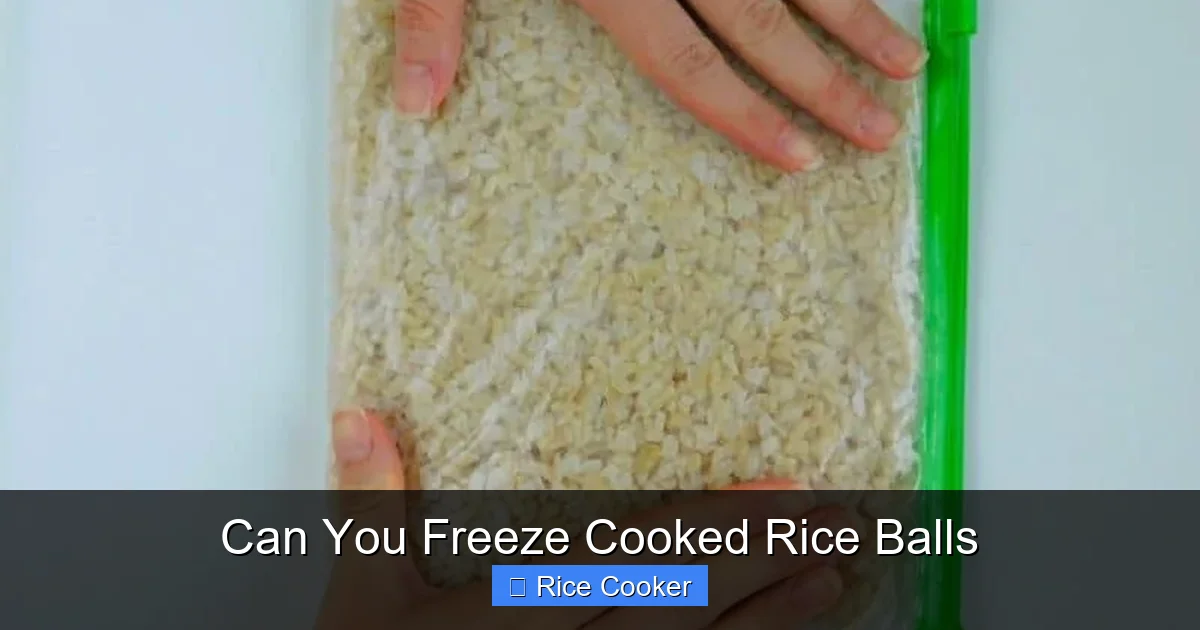
Yes, you can freeze cooked rice balls, but proper preparation is key to maintaining their texture and taste. Freezing extends shelf life up to 3 months, making them ideal for batch cooking and quick reheating. Whether you’re making onigiri or fried rice balls, freezing helps reduce food waste and ensures a convenient snack anytime.
Key Takeaways
- Freezing cooked rice balls is safe and effective: Properly stored, they last up to 3 months in the freezer without losing major quality.
- Cool before freezing: Always let rice balls cool completely to prevent ice crystals and condensation inside the container.
- Use airtight packaging: Wrap tightly in plastic wrap or place in freezer-safe bags to avoid freezer burn.
- Label with date: Keep track of when you froze them so you know the optimal time to use them.
- Reheat gently: Steam, microwave, or fry depending on the type—each method restores best results.
- Best for onigiri and fried rice balls: These hold shape better than saucy or soft varieties when frozen.
- Meal prep friendly: Freezing saves time and reduces food waste—ideal for busy households.
📑 Table of Contents
- Can You Freeze Cooked Rice Balls? The Complete Guide
- Understanding Rice Ball Composition
- Preparing Cooked Rice Balls for Freezing
- How Long Can You Freeze Cooked Rice Balls?
- Thawing and Reheating Frozen Rice Balls
- Common Mistakes to Avoid
- Creativity Beyond Snacking
- Final Thoughts: Should You Freeze Cooked Rice Balls?
Can You Freeze Cooked Rice Balls? The Complete Guide
If you’re a fan of Japanese onigiri, Korean jjinppang, or even your own homemade fried rice balls, you’ve probably wondered: can you freeze cooked rice balls? The short answer is yes—absolutely! But like any good recipe hack, there’s more to it than just tossing them in the freezer. Whether you’re meal prepping, saving leftovers, or just want to stock up on a delicious snack, freezing cooked rice balls is not only possible, it’s practical.
Rice balls, also known as onigiri (in Japan) or hand-shaped rice portions, are typically made from cooked rice molded around fillings like pickled plum (umeboshi), salmon, tuna mayo, or even sweet red bean paste. They’re portable, satisfying, and often eaten as on-the-go snacks. But what happens when you have more than you can eat in one sitting? That’s where freezing comes in. With the right techniques, you can preserve their flavor, texture, and convenience for weeks—even months—after cooking.
In this comprehensive guide, we’ll walk through everything you need to know about freezing cooked rice balls. From preparation to storage to reheating, we’ve got you covered. We’ll also discuss which types freeze best, common mistakes to avoid, and creative ways to use frozen rice balls in future meals. So grab a bowl of warm sushi rice and let’s dive in!
Understanding Rice Ball Composition
The Science Behind Rice Texture
Before we talk freezing, it’s important to understand why rice behaves the way it does—especially after being shaped into balls. Rice contains starch, primarily amylose and amylopectin, which gelatinize during cooking and then recrystallize (or retrograde) as they cool. This process affects texture: too much retrogradation makes rice hard and crumbly, while too little keeps it soft.
When you shape rice into balls, you’re relying on that sticky, cohesive texture to hold together. But once cooled, the rice becomes firmer. If improperly stored, especially in moist environments, it can dry out or develop off-flavors. That’s why freezing isn’t just about extending shelf life—it’s about preserving the delicate balance of moisture and structure that makes rice balls enjoyable.
Why Some Rice Balls Freeze Better Than Others
Not all rice balls are created equal when it comes to freezing. Here’s a quick breakdown:
- Traditional Onigiri (Salted or with Mild Fillings): These freeze well because they have minimal moisture and no dairy or acidic ingredients that could separate or spoil.
- Tuna Mayo or Salmon Rice Balls: Still freezeable, but the mayonnaise can become grainy or oily when thawed. Best used within 1–2 months.
- Sweet Rice Balls (like mochi or dango): High in sugar and moisture; they can become gummy or sticky when refrozen. Not ideal for long-term storage.
- Fried Rice Balls (like Korean tteokbokki-style): Can be frozen if cooled properly, but the coating may soften upon reheating. Reheating by frying works best.
For maximum success, stick to simple, low-moisture fillings and avoid anything with fresh herbs, mayo, or creamy sauces unless you’re willing to accept some texture changes.
Preparing Cooked Rice Balls for Freezing
Cooling Is Critical
This step is non-negotiable. Never freeze hot rice balls. When rice is still warm, placing it directly into the freezer causes rapid temperature changes that lead to condensation. That moisture can create ice crystals, making the rice balls mushy and increasing the risk of bacterial growth.
Here’s the right way to cool them:
- Spread them out: Place rice balls on a wire rack or tray so air can circulate around each one.
- Aim for room temperature: Let them sit for 1–2 hours, depending on size and ambient temperature.
- Check before wrapping: They should feel cool to the touch—not cold, but no longer warm.
Pro tip: If you’re in a hurry, you can speed up cooling by placing the tray in front of a fan or using shallow containers instead of deep ones.
Wrapping Techniques for Maximum Protection
Once cooled, the next step is wrapping. You want to minimize exposure to air—the enemy of frozen foods. Here are the best methods:
- Individual wrapping: Wrap each rice ball tightly in plastic wrap or parchment paper. This prevents sticking and reduces air contact.
- Double-layer protection: After wrapping in plastic, place each one in a resealable freezer bag. Squeeze out excess air before sealing.
- Bulk storage: If making many at once, arrange unwrapped rice balls on a baking sheet in a single layer. Once frozen solid (about 1 hour), transfer them to bags or containers to save space.
Always label your packages with the date and contents. Frozen rice balls are best used within 3 months, though they’ll stay safe longer—just quality decreases over time.
How Long Can You Freeze Cooked Rice Balls?
The freezer is a great tool, but even it has limits. According to food safety guidelines from the USDA and FDA, cooked rice can safely be frozen for up to 6 months. However, cooked rice balls lose quality faster than plain rice due to their shape, moisture content, and potential fillings.
Here’s a general timeline:
| Storage Duration | Quality | Best Use |
|---|---|---|
| Up to 1 month | Excellent | Snacks, lunchboxes, quick reheats |
| 1–3 months | Good | Still tasty, minor texture changes |
| 3–6 months | Fair | Use for cooking (e.g., fried rice) |
After 6 months, the risk of freezer burn increases significantly, and the rice can develop off-flavors. While not unsafe, the experience won’t be as enjoyable.
Thawing and Reheating Frozen Rice Balls
Safe Thawing Methods
You don’t need to rush. The safest way to thaw rice balls is gradually, which helps maintain texture. Avoid leaving them at room temperature for more than 2 hours to prevent bacterial growth.
Recommended methods:
- Refrigerator thawing: Move from freezer to fridge 12–24 hours before eating. This is ideal for preserving quality.
- Quick thaw in cold water: Seal in a waterproof bag and submerge in cold water for 30–45 minutes. Change water every 30 minutes.
- Microwave defrost: Use the defrost setting or 30% power. Check frequently to avoid partial cooking.
Reheating Like a Pro
Thawed rice balls aren’t always ready to eat cold. Here’s how to bring them back to life:
- Steaming: Place in a steamer basket over boiling water for 5–7 minutes. This revives moisture and softness—great for onigiri.
- Microwaving: Wrap in a damp paper towel and heat for 20–30 seconds per ball. Flip halfway through for even heating.
- Pan-frying: Heat oil in a non-stick pan, add rice balls, and cook for 2–3 minutes per side until golden and crispy. Best for fried-style rice balls.
- Grilling or broiling: For an extra crisp top, place under a broiler for 1–2 minutes. Watch closely to avoid burning.
Avoid boiling or simmering—it can break apart the structure and make them mushy.
Common Mistakes to Avoid
Even experienced home cooks make these errors when freezing rice balls. Let’s clear them up:
- Freezing hot rice: As mentioned, this leads to condensation and poor texture. Always cool first.
- Skipping individual wrapping: Without it, rice balls stick together and absorb freezer odors.
- Overfilling freezer bags: Leave room for expansion. Frozen items expand, and sealed bags can burst.
- Not labeling: Trust us—you’ll forget what’s in there after a few weeks.
- Using weak rice: Stick to sushi rice or short-grain rice. Long-grain rice doesn’t hold its shape as well when frozen.
Creativity Beyond Snacking
Frozen rice balls aren’t just for eating straight out of the package. They’re incredibly versatile in the kitchen. Try these ideas:
- Fried rice: Cube thawed rice balls, stir-fry with vegetables and soy sauce.
- Rice pudding: Crumble and simmer with milk, sugar, and cinnamon.
- Rice flour substitute: Blend into a paste for dumplings or tempura batter.
- Sushi rolls: Use as a filling or mix into seasoned rice for futomaki.
These uses help reduce waste and turn leftovers into new dishes—perfect for sustainable cooking.
Final Thoughts: Should You Freeze Cooked Rice Balls?
Absolutely. Freezing cooked rice balls is a smart, practical solution for anyone who loves these handheld delights. With proper technique, you can enjoy fresh-tasting rice balls months later, whether you’re packing lunches, hosting guests, or just craving a quick snack.
Remember: cool first, wrap tightly, label clearly, and thaw slowly. Choose the right fillings, avoid high-moisture ingredients, and reheat with care. And don’t forget—frozen rice balls open up a world of culinary possibilities beyond the original recipe.
So next time you make a big batch of onigiri or fry up leftover rice into fun shapes, don’t toss anything. Freeze it. Save it. Enjoy it. Your future self will thank you.
Frequently Asked Questions
Can you freeze cooked rice balls with tuna mayo?
Yes, but mayonnaise can separate or become grainy when thawed. For best results, freeze plain rice balls and add tuna mayo just before eating or reheating. Use within 1–2 months for optimal texture.
How do you reheat frozen rice balls without making them soggy?
Steam or pan-fry them. Steaming restores moisture without adding extra liquid, while frying gives a crispy exterior. Avoid microwaving without a damp cloth, as it can trap steam and make them soft.
Can you freeze rice balls with raw fillings like crab or shrimp?
No, raw seafood or meat should never be frozen inside rice balls. Cook fillings first, cool completely, then assemble and freeze. This prevents foodborne illness and ensures even cooking later.
Do rice balls freeze well if they have a crispy coating?
Partially. The coating may soften when thawed, but pan-frying after thawing usually restores crispiness. For best results, coat again lightly before frying.
How long do frozen rice balls last in the freezer?
Up to 3 months for best quality. They remain safe to eat for up to 6 months, but texture and flavor may decline after 3 months.
Can you freeze rice balls made with glutinous rice?
Glutinous rice (like mochi) becomes very sticky and gummy when frozen and thawed. It’s not recommended for long-term freezing unless used immediately in recipes that call for cold mochi.