
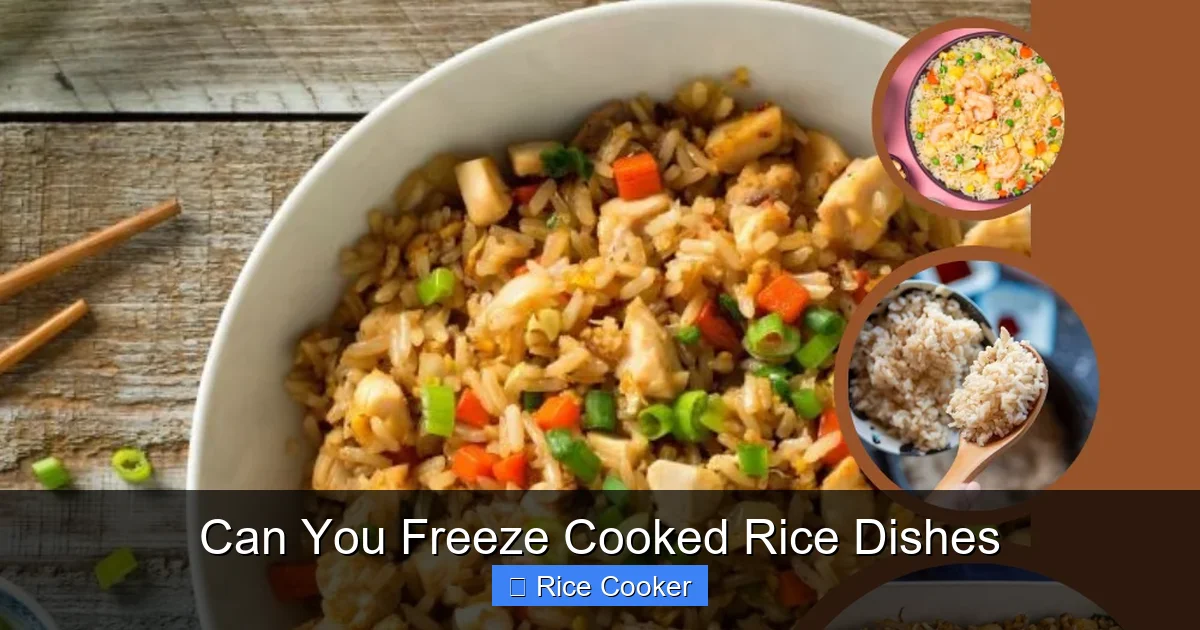
Can you freeze cooked rice dishes? Absolutely! Freezing cooked rice is a smart way to save time, reduce waste, and enjoy homemade meals all week long. With the right techniques, your rice dishes stay flavorful, safe, and ready to reheat in minutes.
Whether you’ve made a big batch of fried rice, curry, or casserole, freezing makes it easy to meal prep like a pro. From proper storage to thawing tips, this guide walks you through everything you need to know. Plus, we’ll share creative ideas and common mistakes to avoid. Ready to master frozen rice? Let’s dive in!
Key Takeaways
- Yes, you can freeze cooked rice dishes: Most cooked rice-based meals—like fried rice, curries, and casseroles—freeze well when stored properly.
- Proper portioning prevents freezer burn: Divide large batches into individual or family-sized portions before freezing for easier reheating.
- Cool completely before freezing: Always let rice cool to room temperature (within 2 hours) to prevent ice crystals and bacterial growth.
- Use airtight containers or freezer bags: Vacuum-sealed or heavy-duty freezer-safe bags work best to keep moisture and odors out.
- Label and date your containers: Keep track of what’s inside and how long it’s been frozen—most rice dishes last 2–3 months in the freezer.
- Reheat thoroughly and evenly: Steam, microwave, or oven-reheat frozen rice until hot throughout to ensure food safety.
- Avoid refreezing thawed rice: Once defrosted, consume immediately to prevent spoilage and maintain quality.
📑 Table of Contents
- Can You Freeze Cooked Rice Dishes?
- Why Freeze Cooked Rice Dishes?
- Types of Rice Dishes That Freeze Well
- How to Properly Freeze Cooked Rice Dishes
- Common Mistakes to Avoid When Freezing Rice
- How Long Can You Freeze Cooked Rice Dishes?
- How to Reheat Frozen Cooked Rice Dishes Safely
- Creative Ways to Use Frozen Rice Dishes
- Does Freezing Affect Rice Texture?
- Special Considerations: Sushi Rice and Sticky Varieties
- Tips for Freezing Rice from Different Cooking Methods
- Health and Safety Tips
- Conclusion: Yes, You Can Freeze Cooked Rice Dishes—And You Should!
Can You Freeze Cooked Rice Dishes?
If you’re someone who loves making big batches of rice-based meals—whether it’s a hearty stir-fry, fragrant biryani, or creamy risotto—you’ve probably wondered: Can you freeze cooked rice dishes? The short answer? Yes, absolutely. Freezing cooked rice is not only possible but also one of the most effective ways to preserve freshness, extend shelf life, and simplify meal prep.
Rice is a versatile, filling staple that forms the base of countless global cuisines. But when you cook too much—or simply want to save time later—freezing becomes a game-changer. Whether you’re using a rice cooker, stovetop, or Instant Pot, the leftover cooked rice can be transformed into convenient, ready-to-eat meals weeks later. In this comprehensive guide, we’ll walk you through everything you need to know about freezing cooked rice dishes—from preparation to storage, reheating, and creative reuse.
Why Freeze Cooked Rice Dishes?
Freezing isn’t just about saving leftovers; it’s about convenience, sustainability, and smart kitchen habits. Here’s why more home cooks are turning to freezing as a solution:
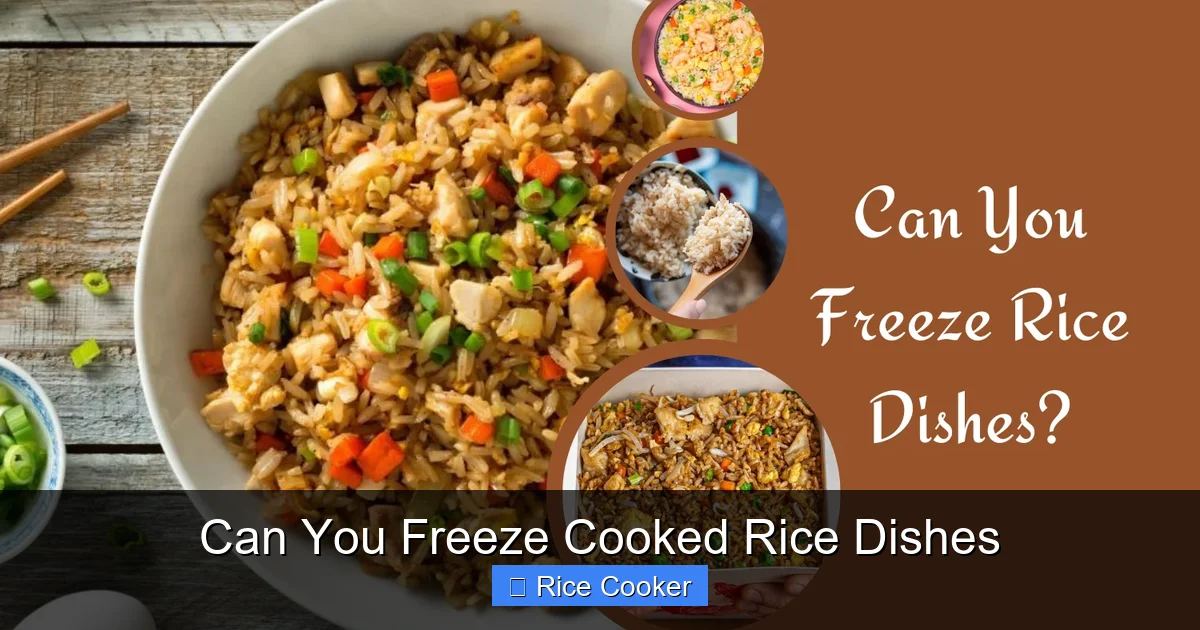
Visual guide about Can You Freeze Cooked Rice Dishes
Image source: canyourefreeze.com
Time-Saving Meal Prep
Imagine having perfectly cooked rice dishes ready to go every night. By preparing and freezing meals ahead of time, you eliminate daily cooking stress. This is especially helpful for busy weekdays or when you want to enjoy comfort food without spending hours in the kitchen.
Reduced Food Waste
Overcooked rice or forgotten leftovers often end up in the trash. Freezing extends the usable life of your rice dishes by months, cutting down on unnecessary waste. It’s an eco-friendly choice that benefits both your wallet and the planet.
Consistent Flavor and Texture
When done correctly, freezing preserves the flavor and texture of rice dishes better than refrigeration in some cases. While cold rice can become dry when refrigerated, freezing locks in moisture and keeps ingredients like vegetables and proteins intact.
Portability and Convenience
Frozen rice dishes make great grab-and-go lunches or dinner options. Just pop a container in the microwave or oven, and you’re ready to eat—no prep required.
Types of Rice Dishes That Freeze Well
Not all rice dishes freeze equally well—some hold up better than others. Generally, dishes with a balanced mix of rice, protein, vegetables, and sauce tend to freeze best. Here are the top contenders:
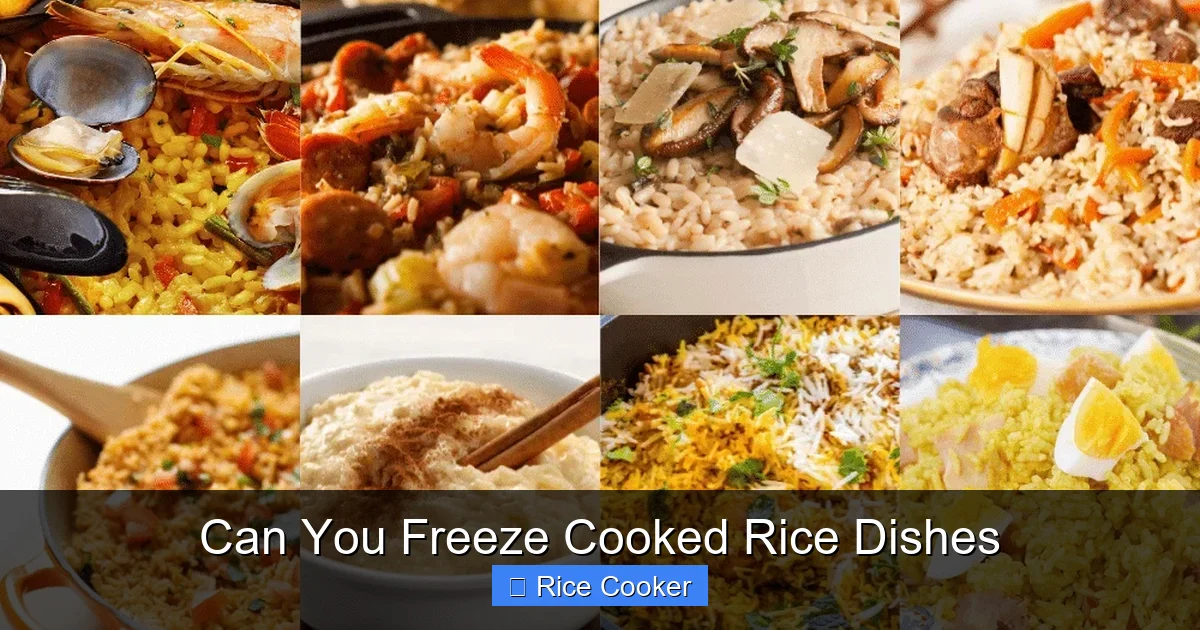
Visual guide about Can You Freeze Cooked Rice Dishes
Image source: freezeit.co.uk
Fried Rice
Classic fried rice is one of the easiest dishes to freeze. The combination of rice, eggs, soy sauce, and mixed veggies creates a flavorful, cohesive meal. When frozen properly, the rice stays fluffy and the flavors meld beautifully.
Coconut Rice and Curries
Thai green curry, Indian biryani, or Caribbean rice and peas all freeze exceptionally well. The rich sauces and aromatic spices help preserve taste and texture over time.
Stuffed Peppers and Casseroles
Dishes like stuffed bell peppers with rice and ground meat or creamy baked ziti with rice can be frozen whole. Just be sure they’re cooled and packed tightly to prevent cracking.
Sushi Rice (in savory forms)
While sushi rice is typically eaten fresh, savory rice bowls or sushi rolls with cooked fillings (like chicken teriyaki or tempura veggies) can be frozen and reheated for quick meals.
Risotto
Though delicate, risotto freezes well if cooled quickly and stored in airtight containers. Avoid adding cream or dairy before freezing—opt for a light sauce instead.
How to Properly Freeze Cooked Rice Dishes
The key to successful freezing lies in preparation and technique. Follow these steps to ensure your rice dishes stay delicious and safe:
Step 1: Cool the Dish Quickly
After cooking, spread the rice dish thinly on a baking sheet or shallow pan. This helps it cool faster and prevents the outer layer from forming a crust while the center remains warm. Let it cool at room temperature for no more than two hours. Never leave hot food sitting out longer than this—it can enter the “danger zone” (40°F–140°F), where bacteria multiply rapidly.
Step 2: Portion Into Containers
Divide the cooled dish into manageable portions—either individual servings or family-sized batches. Use freezer-safe containers with tight-fitting lids or heavy-duty plastic freezer bags. Leave about an inch of headspace if using rigid containers to allow for expansion during freezing.
Step 3: Label and Date
Clearly label each container with the contents and the date. This simple step helps you rotate your stock and use older items first. Frozen rice dishes typically last 2 to 3 months without significant quality loss.
Step 4: Seal Air-Tight
Remove as much air as possible from freezer bags before sealing. For rigid containers, press out excess air before closing. This minimizes freezer burn and prevents odors from affecting your food.
Step 5: Freeze Flat (Optional)
If using freezer bags, lay them flat so they take up less space and freeze faster. This is especially useful for large batches or when storage space is limited.
Common Mistakes to Avoid When Freezing Rice
Even with the best intentions, mistakes happen. Here are some frequent errors and how to fix them:
- Freezing hot rice directly: This traps steam and causes condensation, leading to soggy or icy textures. Always cool first.
- Using weak containers: Thin plastic or non-freezer-safe containers may crack or leak. Stick to glass or BPA-free plastic designed for freezing.
- Overpacking containers: Too much food in one container can lead to uneven freezing and potential breakage.
- Skipping labels: Without dates, you risk eating old food or forgetting what’s inside.
- Refreezing after thawing: Once rice has been thawed, it should not be refrozen. Bacteria can multiply rapidly during thawing.
How Long Can You Freeze Cooked Rice Dishes?
Most cooked rice dishes can be safely frozen for up to 3 months. While they remain safe beyond that point, quality—such as texture and flavor—may decline. After 3 months, rice can develop off-flavors or become slightly dry. For best results, consume within 2 to 3 months.
Here’s a quick reference table:
| Storage Method | Max Duration | Notes |
|---|---|---|
| Refrigerator | 3–5 days | Best for short-term storage; may dry out |
| Freezer (airtight) | 2–3 months | Preserves flavor and texture best |
| Vacuum-sealed freezer bag | 3+ months | Ideal for long-term storage |
How to Reheat Frozen Cooked Rice Dishes Safely
Reheating frozen rice dishes is easy when you follow proper techniques. The goal is to bring the food to an internal temperature of at least 165°F (74°C) without drying it out.
Microwave Method (Quickest Option)
Place the frozen rice in a microwave-safe bowl. Cover with a damp paper towel or microwave-safe lid to trap steam and prevent drying. Heat on high in 2–3 minute intervals, stirring between cycles. Check temperature with a thermometer to ensure it’s fully heated through.
Oven Method (For Larger Batches)
Preheat your oven to 350°F (175°C). Transfer the frozen rice to an oven-safe dish. Add a splash of water or broth to refresh moisture. Cover with foil and bake for 20–30 minutes, checking halfway through. Remove the foil during the last 5 minutes to crisp up any surface.
Stovetop Method (Best for Flavor Restoration)
Heat a skillet over medium heat. Add a bit of oil, butter, or broth, then add the frozen rice. Stir frequently and cook for 8–10 minutes until warmed through. This method works especially well for fried rice or curries.
Steamer Basket (Gentle and Even)
Use a steamer basket over simmering water. Place the frozen rice in a heatproof bowl inside the basket, cover, and steam for 15–20 minutes. This preserves texture and moisture.
Creative Ways to Use Frozen Rice Dishes
Don’t let frozen rice sit untouched in your freezer. Get creative and turn it into new meals:
- Breakfast Bowls: Turn frozen fried rice into a morning scramble by mixing it with beaten eggs, diced veggies, and cheese.
- Burritos and Wraps: Fill tortillas with reheated rice, beans, salsa, and protein for portable meals.
- Soup Base: Simmer frozen rice with broth, vegetables, and seasonings to create instant grain-based soups.
- Baked Goods: Use cooked rice in recipes like rice pudding, rice flour pancakes, or even rice bread (for gluten-free options).
- Snack Mixes: Combine reheated rice with nuts, seeds, and dried fruit for crunchy trail mix.
Does Freezing Affect Rice Texture?
Some people worry that freezing ruins rice. While it’s true that rice can absorb moisture during freezing, proper techniques minimize texture changes. The starches in rice recrystallize when frozen, which can make it slightly firmer upon thawing—but this usually improves once reheated.
To maintain fluffiness:
- Add a splash of water or broth when reheating.
- Cover the dish to retain steam.
- Stir frequently to distribute heat evenly.
In most cases, the difference between fresh and frozen rice is minimal—especially in dishes with sauces or mixed ingredients.
Special Considerations: Sushi Rice and Sticky Varieties
Sushi rice, being very sticky and high in starch, doesn’t freeze as well as regular white or brown rice. The texture becomes overly firm and gummy when thawed. However, if you’re making a savory rice bowl with cooked fillings (not raw fish), it can still be frozen and reheated successfully.
For best results with sushi-style dishes:
- Avoid freezing unless the entire dish includes cooked components.
- Use a light sauce or broth to keep the rice moist during reheating.
- Consider freezing only the cooked base and adding fresh toppings later.
Tips for Freezing Rice from Different Cooking Methods
The way you cook rice affects how well it freezes. Here’s how different methods stack up:
Rice Cooker Rice
Perfectly cooked rice from a rice cooker freezes beautifully. Just cool and store promptly. The even texture holds up well in dishes.
Instant Pot Rice
Instant Pot produces tender, consistent rice that freezes well. Be sure to vent steam quickly and cool before storing.
Boiled or Boiled-and-Rinsed Rice
This method yields lighter, fluffier rice that freezes and reheats nicely. Rinse to remove excess starch, which helps prevent clumping.
Brown Rice
Brown rice freezes similarly to white rice but may require slightly longer reheating times due to its denser structure. It also lasts a bit longer—up to 3–4 months.
Wild or Basmati Rice
Long-grain varieties like basmati or wild rice freeze well because of their distinct texture and low moisture content. They resist becoming mushy when reheated.
Health and Safety Tips
Food safety is critical when freezing and reheating. Follow these guidelines:
- Never refreeze thawed rice: Once defrosted, rice should be eaten immediately. Refreezing increases the risk of foodborne illness.
- Check for freezer burn: If your rice has ice crystals or a leathery surface, trim off the affected areas before reheating.
- Use a food thermometer: Ensure reheated rice reaches 165°F (74°C) throughout.
- Avoid cross-contamination: Use clean utensils and containers when handling frozen food.
Conclusion: Yes, You Can Freeze Cooked Rice Dishes—And You Should!
So, can you freeze cooked rice dishes? The answer is a confident yes. With the right techniques, you can enjoy flavorful, nutritious meals anytime—without sacrificing quality or safety. Whether you’re meal prepping for the week, reducing waste, or simply saving time, freezing is a practical, reliable solution.
From fried rice to curries, casseroles to stuffed peppers, nearly any cooked rice dish can be frozen and reheated successfully. Just remember to cool quickly, portion wisely, seal air-tightly, and label clearly. And when it comes time to eat, reheat thoroughly using your preferred method—microwave, oven, or stovetop.
Next time you cook a big batch, don’t toss the leftovers. Freeze them, and transform what could have been wasted into future meals. Your future self—hungry, tired, or just craving something comforting—will thank you.
Frequently Asked Questions
Can you freeze cooked rice in plastic containers?
Yes, but only if they’re labeled as freezer-safe. Regular plastic containers may warp or leach chemicals when exposed to freezing temperatures. Always choose BPA-free, rigid containers designed for long-term cold storage.
How do I prevent freezer burn on frozen rice dishes?
Minimize air exposure by pressing out excess air from freezer bags or using vacuum-sealed containers. Also, avoid overfilling containers and ensure the dish is cooled completely before freezing to reduce moisture buildup.
Can you freeze rice soup or rice porridge?
Yes, but with caution. Thick rice soups and porridges can separate when frozen. Stir in a little extra liquid before reheating. For best results, freeze in small portions and blend briefly after thawing to restore smoothness.
Is it safe to freeze rice with meat or seafood?
Absolutely. Dishes like chicken fried rice, shrimp biryani, or beef and rice casseroles freeze well. Just ensure all ingredients are fully cooked and cooled before freezing. Avoid raw seafood or undercooked meats.
How do I thaw frozen rice dishes quickly?
The fastest way is to transfer the frozen dish to the refrigerator and let it thaw slowly overnight. For quicker thawing, place the container in a bowl of cold water (change the water every 30 minutes) or use the microwave’s defrost setting.
Can you freeze rice salad?
Rice salads with mayonnaise or creamy dressings may not freeze well due to texture changes. Solid ingredients like cooked grains, vegetables, and proteins can be frozen separately and combined later with fresh dressing.