
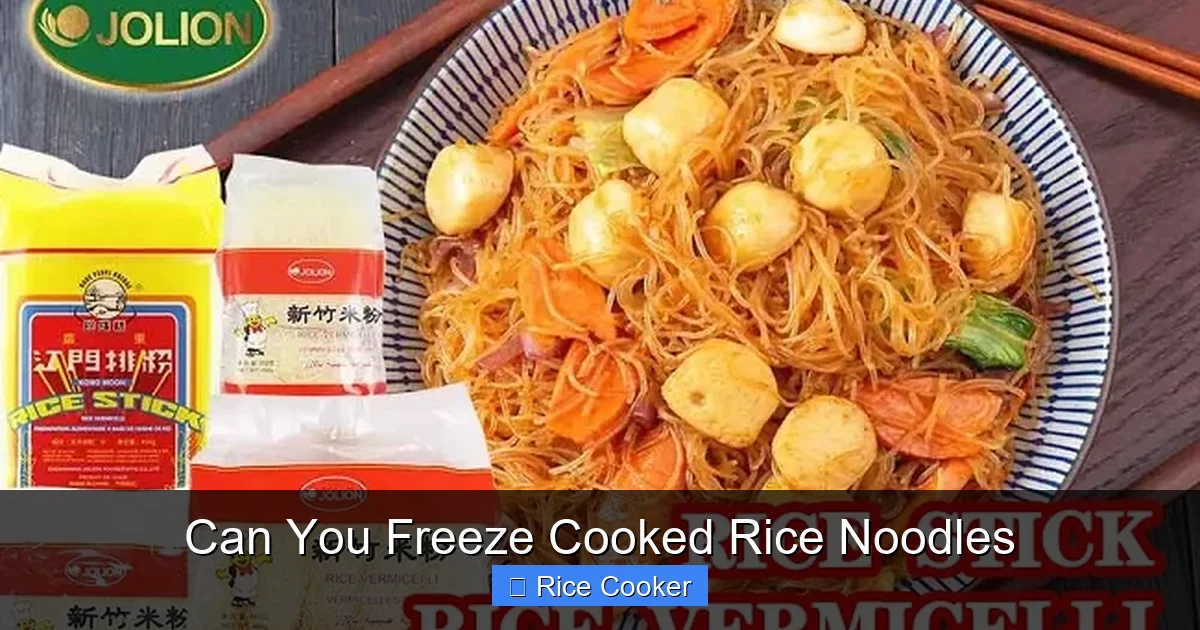
You absolutely can freeze cooked rice noodles, and doing so is a smart way to cut down on food waste and meal prep stress. Whether you’ve made too much for one dinner or want to save time during the week, freezing rice noodles preserves their texture and flavor when done correctly. With simple steps like cooling, portioning, and proper storage, you’ll have ready-to-use noodles anytime you need them—no reheating disasters included.
Key Takeaways
- Freezing extends shelf life: Cooked rice noodles can last up to 3–6 months in the freezer, keeping them safe and usable long after cooking.
- Proper cooling prevents clumping: Always cool rice noodles completely before freezing to avoid excess moisture and sogginess.
- Portion control saves time: Freeze noodles in individual or meal-sized portions for quick reheating later.
- Use airtight containers or bags: Prevent freezer burn by using vacuum-sealed bags or tightly wrapped containers with minimal air.
- Reheat with care: Steam, microwave, or sauté frozen noodles gently to restore softness without turning them mushy.
- Quality matters: Fresh or high-quality rice noodles freeze better than overly sticky or processed ones.
- Label everything: Mark containers with dates and contents to keep track of freshness and avoid confusion.
📑 Table of Contents
- Can You Freeze Cooked Rice Noodles? The Short Answer Is YES!
- The Science Behind Freezing Rice Noodles
- How Long Can You Keep Cooked Rice Noodles in the Freezer?
- Step-by-Step Guide: How to Freeze Cooked Rice Noodles
- Best Practices for Reheating Frozen Rice Noodles
- Common Mistakes to Avoid When Freezing Rice Noodles
- Creative Ways to Use Thawed Rice Noodles
- Are There Any Downsides to Freezing Rice Noodles?
- Final Thoughts: Should You Freeze Your Cooked Rice Noodles?
Can You Freeze Cooked Rice Noodles? The Short Answer Is YES!
If you love making stir-fries, noodle soups, or Asian-inspired dishes, you’ve probably found yourself with a generous batch of cooked rice noodles—only to realize you won’t finish it all in one sitting. That leftover pile in your fridge might seem destined for the compost bin, but here’s a secret: you can absolutely freeze cooked rice noodles. In fact, freezing is one of the most effective ways to preserve them without losing quality.
But before you toss that container into the freezer, there are a few important steps to follow. Freezing isn’t as simple as just throwing food into the freezer—especially delicate items like rice noodles, which can absorb moisture, become gummy, or lose their shape if not handled properly. The good news? With the right technique, your frozen rice noodles will taste almost as fresh as the day they were cooked.
Whether you’re meal prepping for the week, trying to reduce food waste, or just want backup noodles for those busy nights, freezing cooked rice noodles is a game-changer. Let’s dive into everything you need to know—from preparation and storage to thawing and reheating—so you never have to wonder again about the freezer life of your favorite noodles.
The Science Behind Freezing Rice Noodles
Visual guide about Can You Freeze Cooked Rice Noodles
Image source: canyoupreserve.com
Understanding why freezing works—and what goes wrong—helps explain why proper technique matters. When rice noodles are cooked, they absorb water and swell slightly, creating a soft, pliable texture. But when exposed to freezing temperatures, that water inside the noodles expands into ice crystals. If the noodles aren’t prepared well, those crystals can rupture cell walls, leading to a mushy or grainy consistency once thawed.
That’s why rapid cooling and proper packaging are so crucial. By cooling the noodles quickly and sealing them in an airtight environment, you minimize ice crystal formation and preserve texture. Additionally, rice noodles made from higher-quality ingredients—like pure rice flour and minimal additives—tend to hold up better in the freezer than mass-produced or overly processed varieties.
Another benefit of freezing is that it slows down enzymatic activity and microbial growth. While refrigerated cooked rice noodles typically last only 2–3 days, properly frozen ones can stay safe and tasty for up to six months. Of course, flavor and texture do degrade over time, so it’s best to use them within three months for optimal results.
How Long Can You Keep Cooked Rice Noodles in the Freezer?
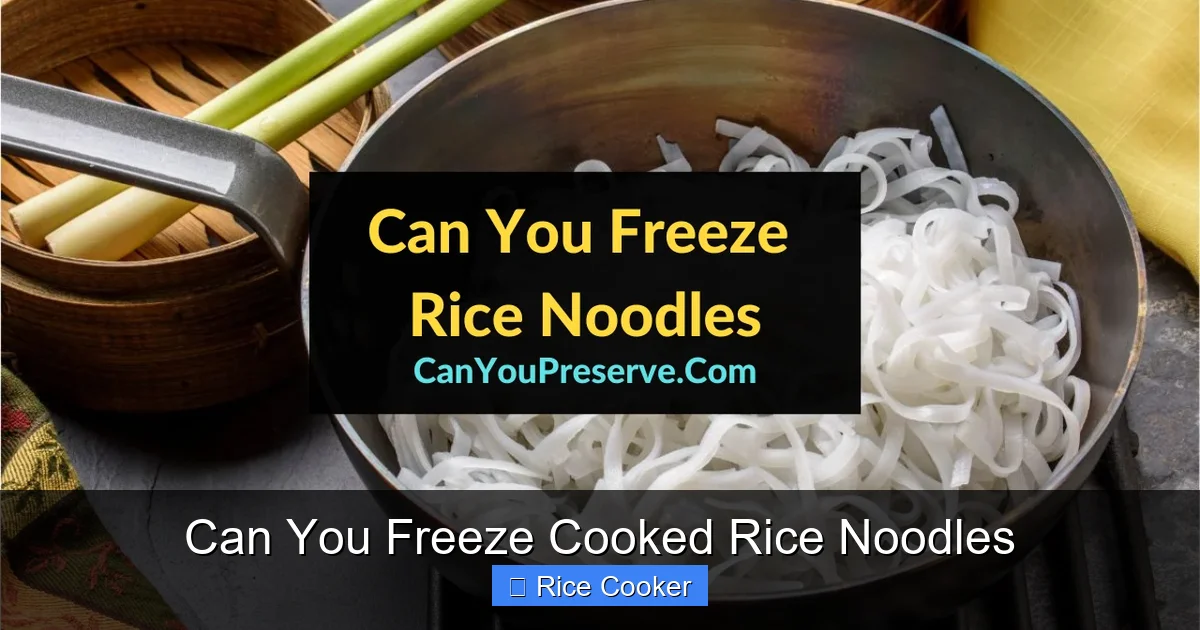
Visual guide about Can You Freeze Cooked Rice Noodles
Image source: canyoupreserve.com
Most people assume frozen food lasts forever, but rice noodles have a limited shelf life—even under ideal conditions. According to food safety guidelines, cooked rice noodles can be safely stored in the freezer for up to 6 months. However, for the best taste and texture, aim to use them within 3 months.
After three months, while the noodles may still be edible, they could start to develop off-flavors or become slightly drier due to freezer burn or oxidation. To ensure peak quality, label your containers with both the date and contents. This simple habit helps you rotate your stock and enjoy your frozen noodles at their freshest.
It’s also worth noting that different types of rice noodles freeze slightly differently. For example:
– Fresh rice noodles (often sold in refrigerated sections) tend to be stickier and may require extra care to prevent clumping.
– Dried rice noodles (like pad Thai or Vietnamese vermicelli) usually dry out less during freezing but can become brittle if over-stored.
– Instant or pre-cooked noodles should always be cooled thoroughly before freezing, as they’re more prone to moisture buildup.
No matter the type, consistent temperature control in your freezer—ideally between 0°F and 5°F (-18°C to -15°C)—is key to maintaining quality.
Step-by-Step Guide: How to Freeze Cooked Rice Noodles
Freezing rice noodles doesn’t require special equipment—just a little patience and attention to detail. Follow these steps to ensure your noodles stay fresh and easy to use later.
1. Cool the Noodles Quickly
Once your rice noodles are cooked, drain them thoroughly and rinse under cold water to stop the cooking process. Then spread them out on a baking sheet lined with parchment paper. This step helps prevent clumping and speeds up cooling. Let them sit at room temperature for about 15–20 minutes until no longer steaming.
2. Portion Them Out
Divide the cooled noodles into manageable portions based on how you plan to use them later. Common sizes include:
– Single serving (perfect for quick lunches)
– Stir-fry batches (usually 2–4 servings)
– Soup or broth portions
Avoid over-portioning unless you’re certain you’ll use the whole amount, as refreezing partially used portions increases contamination risk.
3. Wrap or Package Securely
Place each portion into a resealable plastic bag or airtight container. Squeeze out as much air as possible before sealing to reduce freezer burn. If using bags, consider laying them flat so they stack neatly in your freezer. For extra protection, double-wrap especially delicate noodles in foil or another freezer-safe layer.
4. Label and Date Everything
Use a permanent marker to write the contents and date on each container or bag. This prevents guesswork and ensures you use older batches first. Clear labeling also helps when you’re browsing the freezer looking for something specific.
5. Store at Optimal Freezer Temperature
Keep your freezer set at 0°F (-18°C) or lower. Fluctuating temperatures can cause condensation, which leads to soggy noodles. Once sealed, place the packages in a dedicated spot where they won’t get crushed or forgotten.
Best Practices for Reheating Frozen Rice Noodles
One of the biggest concerns people have about freezing rice noodles is how they’ll taste after thawing. Will they be rubbery? Dry? Sticky? The answer depends largely on your reheating method.
Thawing First or Cooking Directly?
There are two main approaches:
– Thaw then cook: Remove noodles from the freezer, let them sit at room temperature for 10–15 minutes, then cook in hot water or sauce.
– Cook directly from frozen: Add frozen noodles straight to boiling water or stir-fry oil and continue cooking.
For most applications, cooking directly from frozen works well—especially if you’re adding them to soups or curries where they’ll absorb liquid. Just give them a few extra minutes compared to fresh noodles.
Microwave Method (Quick & Easy)
Place the desired portion in a microwave-safe dish. Add a splash of water or broth to prevent drying out. Cover with a damp paper towel to trap steam. Microwave in 30-second intervals, stirring between cycles, until heated through—usually 2–4 minutes depending on quantity.
Stovetop Reheating (Best for Stir-Fries)
Heat a nonstick pan over medium heat. Add a small amount of oil or broth, then toss in the frozen noodles. Stir constantly for 3–5 minutes until warmed through and slightly glossy. This method helps restore elasticity and prevents sticking.
Steam Method (Gentlest Option)
Put the noodles in a steamer basket over simmering water. Cover and steam for 5–7 minutes, checking frequently to avoid overcooking. This works great for delicate noodles or when you want to retain maximum softness.
Avoid microwaving without added moisture—it causes uneven heating and dry spots. Also, don’t boil frozen noodles for too long; they can turn mushy just like fresh ones.
Common Mistakes to Avoid When Freezing Rice Noodles
Even experienced home cooks make mistakes when freezing food. Here are some pitfalls to watch out for:
Mistake #1: Not Cooling Before Freezing
Adding hot or warm noodles to the freezer traps steam, creating ice crystals and encouraging bacterial growth. Always cool completely before storing.
Mistake #2: Overpacking or Poor Air Removal
Leaving too much air in packaging allows freezer burn and dehydration. Always press out excess air or use vacuum-sealed bags if available.
Mistake #3: Skipping Portion Control
Freezing large batches makes reheating inconvenient and increases the chance of spoilage. Stick to realistic portions.
Mistake #4: Using Damaged Packaging
Cracked containers or torn bags expose noodles to air. Inspect packaging regularly and replace damaged ones immediately.
Mistake #5: Ignoring Labeling
Unlabeled containers lead to confusion and potential waste. Make labeling a habit—it takes seconds but saves time later.
By avoiding these errors, you’ll enjoy perfectly usable noodles every time.
Creative Ways to Use Thawed Rice Noodles
Once thawed, your rice noodles become versatile ingredients for countless meals. Here are some ideas to inspire you:
– Pad Thai: Toss with tamarind sauce, peanuts, bean sprouts, and scrambled eggs for a classic Thai dish.
– Vietnamese Spring Rolls: Soften noodles briefly in warm water, then roll with shrimp, herbs, and rice paper.
– Chicken & Broccoli Stir-Fry: Sauté noodles with garlic, soy sauce, and veggies for a fast weeknight dinner.
– Noodle Soups: Drop thawed noodles into hot broth with vegetables and protein.
– Rice Bowl Bowls: Layer noodles with roasted veggies, tofu, and a drizzle of sriracha-mayo.
The beauty of frozen noodles is that they’re ready to go—no extra prep needed beyond reheating. They’re perfect for last-minute meals or when you’re short on ingredients but still want a satisfying dish.
Are There Any Downsides to Freezing Rice Noodles?
While freezing offers many benefits, it’s not perfect. Some limitations include:
– Texture changes: After several months, noodles may become slightly firmer or drier.
– Limited reuse after opening: Once thawed, leftover noodles should be used within 24 hours.
– Poor performance in raw recipes: Salads or cold noodle dishes often work better with fresh noodles.
However, these downsides are minor compared to the convenience and savings gained. Plus, many of the texture issues can be mitigated with proper reheating techniques.
Final Thoughts: Should You Freeze Your Cooked Rice Noodles?
Absolutely. Freezing cooked rice noodles is a practical, eco-friendly strategy that reduces waste and simplifies meal planning. With just a bit of foresight—cooling, portioning, and proper storage—you can preserve the flavor and texture of your favorite noodles for weeks or even months.
Whether you’re preparing for a big family dinner, cooking ahead for busy weekdays, or simply trying to use up leftovers, freezing rice noodles puts you in control. And when hunger strikes, you’ll have a delicious, ready-made base for countless creative meals.
So next time you cook a big batch, don’t hesitate to stash some in the freezer. Your future self (and your wallet) will thank you.
Frequently Asked Questions
How long do frozen rice noodles last?
Frozen rice noodles remain safe to eat for up to 6 months, though best quality is usually within 3 months. Always check for unusual smells or textures before using.
Can I freeze rice noodles directly after boiling?
No, you must cool them completely first. Boiling-hot noodles release steam that creates ice crystals and promotes spoilage when frozen.
Do I need to add anything to prevent sticking?
Not necessarily. Lightly oiling noodles before freezing can help, but most people find that proper cooling and airtight packaging are enough to prevent clumping.
Can I freeze rice noodles with sauce?
Yes, but only if the sauce is stable at freezing temperatures (like peanut sauce or soy-based dressings). Creamy sauces may separate upon thawing.
Why did my thawed rice noodles turn mushy?
This usually happens if they weren’t cooled properly before freezing or were over-stored. Always cool fully and use within recommended timeframes.
Can I refreeze rice noodles after thawing?
Only once, and only if they were previously frozen and kept refrigerated during thawing. Multiple freeze-thaw cycles degrade quality and increase contamination risk.