
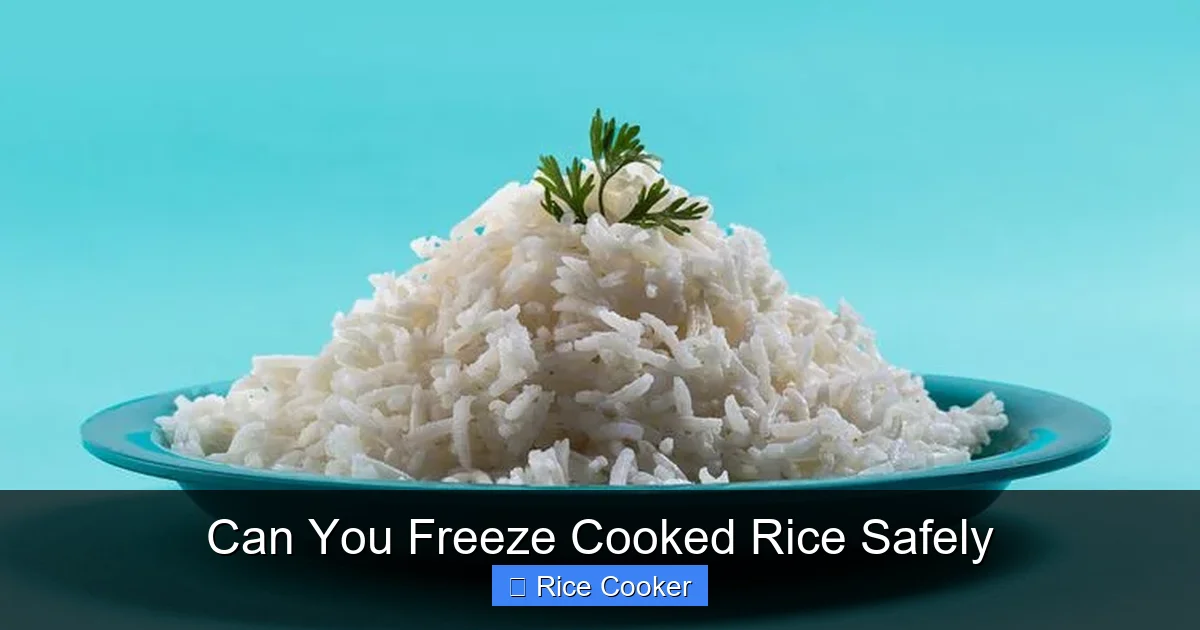
Freezing cooked rice is a smart way to save time and reduce food waste. With the right steps, your rice stays fresh, safe, and ready to eat for weeks. Proper storage and handling ensure quality and prevent bacterial growth.
Key Takeaways
- Freezing extends shelf life: Cooked rice can be safely frozen for up to 6 months without losing major nutritional value.
- Cool quickly to prevent spoilage: Cool rice within two hours of cooking to avoid the “danger zone” where bacteria thrive.
- Use airtight containers or freezer bags: Prevent freezer burn by removing as much air as possible from storage containers.
- Label and date your portions: Make it easy to track how long your rice has been stored.
- Reheat thoroughly: Always reheat frozen rice to an internal temperature of at least 165°F (74°C) before eating.
- Texture changes are normal: Frozen rice may become slightly firmer, so add moisture when reheating.
📑 Table of Contents
- Can You Freeze Cooked Rice Safely?
- Why Freeze Cooked Rice?
- How Long Can You Keep Cooked Rice in the Freezer?
- Step-by-Step Guide: How to Freeze Cooked Rice Safely
- Types of Rice and Their Freezing Performance
- Common Mistakes to Avoid When Freezing Cooked Rice
- How to Reheat Frozen Cooked Rice Properly
- Creative Ways to Use Frozen Cooked Rice
- Freezing Rice in a Rice Cooker?
- Troubleshooting Frozen Rice Issues
- Environmental and Health Considerations
- Final Thoughts: Freeze Smart, Eat Well
Can You Freeze Cooked Rice Safely?
You just made a big pot of jasmine rice or fluffy brown rice for dinner—only to have leftovers. Instead of letting it go to waste or risking foodborne illness by leaving it out too long, what’s the best way to store it? The answer: freeze it safely!
Freezing cooked rice is not only safe—it’s one of the most effective ways to preserve its flavor, texture, and nutrition for later use. Whether you’re meal prepping for the week or saving extra servings for busy days, freezing rice is a game-changer. But like any food preservation method, it requires proper technique to maintain quality and safety. In this guide, we’ll walk you through everything you need to know about freezing cooked rice safely—from cooling methods to storage containers and reheating tips.
So grab your rice cooker, takeout container, or freezer bag—because by the end of this article, you’ll be a pro at freezing and thawing rice like a seasoned chef. Let’s dive in!
Why Freeze Cooked Rice?
If you love rice but hate wasting it, freezing is your new best friend. Leftover cooked rice often gets tossed in the fridge, where it can dry out or develop off-flavors after a couple of days. But freezing changes the game. It locks in freshness and keeps your rice tasting great for weeks—even months.
The Science Behind Freezing Rice
When rice cools, its starches begin to recrystallize, which affects texture over time. Freezing slows down this process significantly, preserving the structure of the grains. Additionally, freezing halts the growth of bacteria like Bacillus cereus, which can produce toxins if rice is improperly cooled or stored at room temperature.
That said, not all rice freezes equally well. Short-grain varieties like sushi rice tend to hold their shape better than long-grain white rice, which can become mushy. Brown rice, due to its higher oil content, may darken slightly but remains safe and edible. Still, with the right techniques, almost any type of cooked rice freezes successfully.
Benefits of Freezing Cooked Rice
- Reduces food waste: Save leftovers instead of throwing them away.
- Meal prep made easy: Freeze individual portions for quick lunches or dinners.
- Convenience: Have rice ready for fried rice, casseroles, or stir-fries anytime.
- Preserves nutrients: Properly frozen rice retains most vitamins and minerals.
- Saves money: Buy rice in bulk or cook larger batches knowing they’ll last.
How Long Can You Keep Cooked Rice in the Freezer?
This is a common question—and the answer depends on how well you store it. When frozen correctly, cooked rice can last anywhere from 3 to 6 months without significant loss of quality.
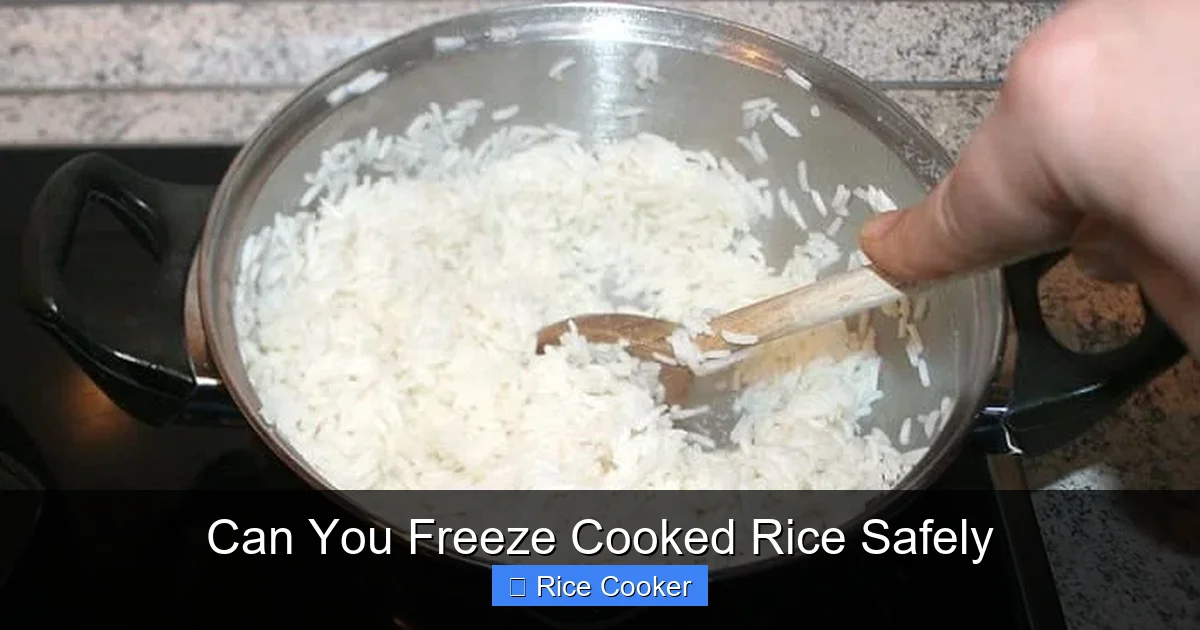
Visual guide about Can You Freeze Cooked Rice Safely
Image source: chefreader.com
Shelf Life by Storage Method
| Storage Method | Maximum Shelf Life | Notes |
|---|---|---|
| Airtight container (vacuum-sealed) | 6 months | Best for long-term storage |
| Freezer-safe plastic bag | 4–6 months | Ensure air is squeezed out |
| Wrap in aluminum foil | 3–4 months | May absorb odors from other foods |
After 6 months, while still technically safe, rice may start to lose flavor and become more susceptible to freezer burn. That’s why labeling with the date is essential.
Signs Your Frozen Rice Is Still Good
- No unusual smells (like sour or rancid odors)
- Ice crystals are minimal and uniform
- Rice doesn’t feel slimy or discolored when thawed
If you notice any of these red flags, it’s best to discard the rice. Safety first!
Step-by-Step Guide: How to Freeze Cooked Rice Safely
Ready to freeze your rice? Follow these simple steps to ensure it stays fresh and delicious.
1. Cool the Rice Quickly
Time is critical here. Bacteria multiply rapidly between 40°F (4°C) and 140°F (60°C)—this is known as the “danger zone.” To prevent foodborne illness, cool your rice as fast as possible.
Here are two effective methods:
- Ice bath method: Place the pot of hot rice in a sink filled with ice water. Stir occasionally to speed up cooling.
- Spread on a baking sheet: Spread rice in a thin layer on a rimmed baking sheet and refrigerate for 30–60 minutes before transferring to containers.
Aim to get the rice below 40°F (4°C) within two hours of cooking.
2. Portion Into Containers
Divide the cooled rice into meal-sized portions. This makes reheating easier and reduces the number of times you open the freezer door, helping maintain temperature stability.
Use:
- Freezer-safe glass or BPA-free plastic containers
- Silicone muffin trays (great for portion control)
- Heavy-duty freezer bags (lay flat to save space)
3. Remove Air and Seal Tightly
Air exposure leads to freezer burn—that dry, leathery spot that ruins texture and taste. To minimize this:
- Press plastic wrap directly onto the surface of the rice before sealing the container.
- For bags, squeeze out as much air as possible before sealing. Double-bagging adds extra protection.
4. Label and Date Everything
Write the contents and date on masking tape or a label pen. Use a permanent marker so labels don’t smudge in the freezer.
5. Freeze Flat (If Using Bags)
Lay freezer bags flat in the freezer. They stack neatly, take up less space, and freeze more evenly than standing upright.
Types of Rice and Their Freezing Performance
Not all rice behaves the same in the freezer. Here’s how different varieties compare:
White Rice
Short-grain white rice (like sushi or arborio) freezes very well. It holds its shape and remains tender when reheated. Long-grain white rice (like basmati or jasmine) may become slightly drier but is still perfectly safe and usable.
Brown Rice
Because of its bran layer, brown rice contains natural oils that can oxidize over time. When frozen properly, it stays safe and nutritious. However, it may darken slightly and develop a milder flavor after several months.
Wild Rice & Mixed Grains
These blends usually freeze well, though texture may vary. Wild rice, being denser, tends to stay firmer. Mixing different types in one batch is fine, as long as they were cooked together initially.
Cooked Flavored Rice (e.g., Coconut, Spiced)
Rice infused with herbs, spices, or coconut milk freezes excellently. Just make sure excess liquid is drained before freezing to prevent sogginess.
Common Mistakes to Avoid When Freezing Cooked Rice
Even with good intentions, small errors can lead to poor results. Here are the most common pitfalls—and how to fix them.
Mistake 1: Leaving Rice at Room Temperature Too Long
Storing warm rice in the fridge or freezer allows bacteria to grow. Always cool it rapidly first.
Mistake 2: Not Portioning Correctly
Freezing large chunks of rice leads to uneven thawing and longer reheating times. Stick to single-serving sizes.
Mistake 3: Using Non-Freezer-Safe Containers
Plastic containers that warp or crack in the freezer can leak and contaminate your rice. Choose containers labeled “freezer-safe.”
Mistake 4: Skipping the Ice Bath
While not always necessary, skipping rapid cooling increases the risk of bacterial growth, especially in warm kitchens.
Mistake 5: Overcrowding the Freezer
If your freezer is packed, cold air can’t circulate, causing temperature fluctuations. Leave space around your rice containers.
How to Reheat Frozen Cooked Rice Properly
Thawed rice isn’t just for eating cold. With the right reheating method, it can taste nearly as good as fresh.
Method 1: Microwave (Best for Single Servings)
- Place rice in a microwave-safe dish.
- Add a splash of water or broth to restore moisture.
- Cover with a damp paper towel to trap steam.
- Heat in 30-second intervals, stirring between each, until hot throughout.
Method 2: Stovetop (Restores Best Texture)
- Transfer rice to a saucepan.
- Add 1–2 tablespoons of liquid per cup of rice.
- Cook over medium heat, stirring frequently, until heated through.
Method 3: Oven (Great for Large Batches)
- Preheat oven to 350°F (175°C).
- Place rice in an oven-safe dish with a lid or aluminum foil.
- Heat for 15–20 minutes, checking halfway through.
Pro Tip: Fluff and Add Liquid
Frozen rice tends to clump. After reheating, fluff it with a fork and add a little more liquid if needed. A sprinkle of salt or soy sauce can revive flavor.
Creative Ways to Use Frozen Cooked Rice
Don’t let frozen rice sit unused. It’s incredibly versatile!
- Fried Rice: Sauté with veggies, eggs, soy sauce, and your favorite protein.
- Risotto: Warm frozen rice with broth and Parmesan for a creamy dish.
- Casseroles: Mix into mac and cheese, shepherd’s pie, or stuffed peppers.
- Bread Pudding: Combine with eggs, milk, sugar, and raisins for a sweet breakfast.
- Snack Rolls: Shape into bite-sized balls with sesame seeds—perfect for bento boxes.
Freezing Rice in a Rice Cooker?
Many people wonder: “Can I freeze rice directly in my rice cooker pot?” The short answer is yes—but with caveats.
If you’ve already cooked rice in your rice cooker and plan to freeze it immediately, you can transfer it to a freezer-safe container right away. Just remember to cool it quickly first.
However, do NOT leave rice sitting in the rice cooker overnight or longer than two hours. The appliance isn’t designed for prolonged refrigeration or freezing, and leaving food inside can damage the heating element or promote bacterial growth.
Also, avoid using the rice cooker’s keep-warm function for more than a few hours—it’s meant for temporary holding, not storage.
Troubleshooting Frozen Rice Issues
Sometimes frozen rice doesn’t turn out as expected. Here’s how to fix common problems.
Problem: Rice is Dry and Crumbly
Cause: Not enough moisture added during reheating.
Fix: Add a tablespoon of broth or water per cup of rice and steam covered for 2–3 minutes.
Problem: Rice Has a Strong Odor
Cause: Cross-contamination from other freezer items (e.g., fish, onions).
Fix: Store rice in sealed containers or double-wrap in foil.
Problem: Ice Crystals Are Large and Excessive
Cause: Long storage time or improper packaging.
Fix: Use smaller portions next time and ensure airtight seals.
Problem: Rice Won’t Thaw Even After a Day
Cause: Very low freezer temperature or overcrowding.
Fix: Move rice to the refrigerator for slow thawing (overnight), or thaw in cold water (change water every 30 minutes).
Environmental and Health Considerations
Freezing rice is not only practical—it’s also eco-friendly. By reducing food waste, you help lower methane emissions from landfills. Plus, rice is a staple crop that supports sustainable agriculture in many parts of the world.
From a health perspective, freezing doesn’t reduce the nutritional value of rice. In fact, it preserves vitamins like B1, B3, and folate better than refrigeration alone, since oxidation and enzymatic browning are slowed.
Just remember: reheated rice should always be consumed within 3–4 days of thawing to ensure safety.
Final Thoughts: Freeze Smart, Eat Well
Freezing cooked rice is simple, safe, and incredibly useful. Whether you’re feeding a family, meal prepping for the week, or just trying to cut down on waste, this method puts you in control of your kitchen.
With the right tools—airtight containers, quick cooling, and proper labeling—you can enjoy perfectly textured rice anytime. And when you pair it with creative recipes, frozen rice becomes more than leftovers; it becomes inspiration.
So the next time you have extra rice, don’t hesitate. Cool it fast, freeze it tight, and save it for later. Your future self will thank you.
Frequently Asked Questions
Can you freeze cooked rice from the rice cooker?
Yes, you can freeze cooked rice that was made in a rice cooker—just cool it quickly first and transfer it to a freezer-safe container. Avoid leaving it in the cooker for more than two hours.
How long does frozen rice last in the freezer?
Frozen cooked rice can last up to 6 months when stored properly in airtight containers. For best quality, use within 4–5 months.
Is it safe to freeze rice that’s been in the fridge?
It’s generally safe if the rice was refrigerated within two hours of cooking and hasn’t exceeded the fridge’s 3–4 day limit. However, for optimal safety and taste, freeze rice sooner rather than later.
Can you freeze rice with sauce or seasoning?
Yes, but drain excess liquid before freezing to prevent sogginess. Seasoned rice like curry or pilaf freezes well and reheats beautifully.
How do you defrost frozen rice quickly?
To thaw fast, place the rice in a sealed container and submerge it in cold water, changing the water every 30 minutes. Never thaw on the counter at room temperature.
Does freezing rice change its taste?
Minimal change occurs if frozen and reheated correctly. Some people notice a slight shift in texture or flavor, especially with brown rice, but most find it still enjoyable.