

Can you freeze cooked salmon and rice? Absolutely! With the right techniques, this protein-packed meal can stay fresh and delicious for up to 3 months. Just make sure to cool it quickly, portion it properly, and store it in airtight containers to preserve texture and flavor.
Key Takeaways
- Freezing is safe: Cooked salmon and rice can be frozen safely when stored correctly.
- Texture matters: Rice may become slightly softer upon thawing, but salmon retains most of its flakiness if handled gently.
- Proper packaging prevents freezer burn: Use airtight containers or heavy-duty freezer bags with minimal headspace.
- Label and date everything: Keep track of how long each batch has been stored to ensure maximum freshness.
- Reheating makes a difference: Steam or microwave with a splash of water helps restore moisture to both components.
- Portion control saves time: Freeze individual servings so you only defrost what you need.
- Quality over quantity: Best results come from freezing within 2–3 hours of cooking.
📑 Table of Contents
- Can You Freeze Cooked Salmon and Rice? The Short Answer Is Yes!
- Why Freeze Cooked Salmon and Rice?
- How Long Can You Store Frozen Cooked Salmon and Rice?
- Step-by-Step Guide: How to Properly Freeze Cooked Salmon and Rice
- Best Practices for Maintaining Quality While Frozen
- Thawing and Reheating Tips for Maximum Flavor
- Common Mistakes to Avoid When Freezing Salmon and Rice
- Nutritional Benefits of Freezing Cooked Salmon and Rice
- Creative Ways to Enjoy Thawed Salmon and Rice
- Food Safety Reminders
- Final Thoughts: Yes, You Should Freeze Cooked Salmon and Rice
Can You Freeze Cooked Salmon and Rice? The Short Answer Is Yes!
Have you ever finished a delicious salmon pilaf or a bowl of garlic herb salmon over jasmine rice, only to realize you’ll never finish it before it goes bad? Or maybe you’re meal prepping like a pro and want to stash your leftover dinner for later. That’s where freezing comes in—especially when you’re talking about two powerhouse foods: salmon and rice.
Cooked salmon is rich in omega-3 fatty acids, high-quality protein, and essential nutrients, while rice adds fiber, carbohydrates, and a satisfying base for any meal. Together, they make a balanced, comforting dish. But here’s the real question: can you freeze cooked salmon and rice without losing quality or risking food safety?
The good news? You absolutely can—with a few smart steps. Freezing doesn’t destroy nutrients; in fact, it helps lock them in. But timing, packaging, and technique all play a role in whether your next meal tastes just as amazing as the first.
In this guide, we’ll walk through everything you need to know about freezing cooked salmon and rice. From prep tips to storage hacks and reheating methods, you’ll learn how to enjoy this wholesome combination anytime—weekday lunches, quick dinners, or even emergency meals.
Why Freeze Cooked Salmon and Rice?

Visual guide about Can You Freeze Cooked Salmon and Rice
Image source: foodandfizz.b-cdn.net
Before diving into how-to steps, let’s talk about why this duo is perfect for freezing. Both ingredients are naturally shelf-stable once cooked (within limits), and their textures hold up surprisingly well in the freezer—when done right.
Salmon, especially when lightly seasoned and not heavily sauced, freezes beautifully. Its fat content helps keep it moist, and unlike some proteins that dry out, salmon remains tender if handled carefully. As for rice, it’s one of the easiest grains to freeze. Whether it’s basmati, jasmine, brown, or wild, rice absorbs flavors and holds shape well—even after thawing.
Plus, combining them creates a complete meal in one container. Imagine grabbing a ready-made lunch from the fridge instead of scrambling to cook again. That’s convenience with nutrition baked right in.
But don’t just take our word for it. Let’s break down the science—and practicality—behind freezing this dynamic duo.
How Long Can You Store Frozen Cooked Salmon and Rice?
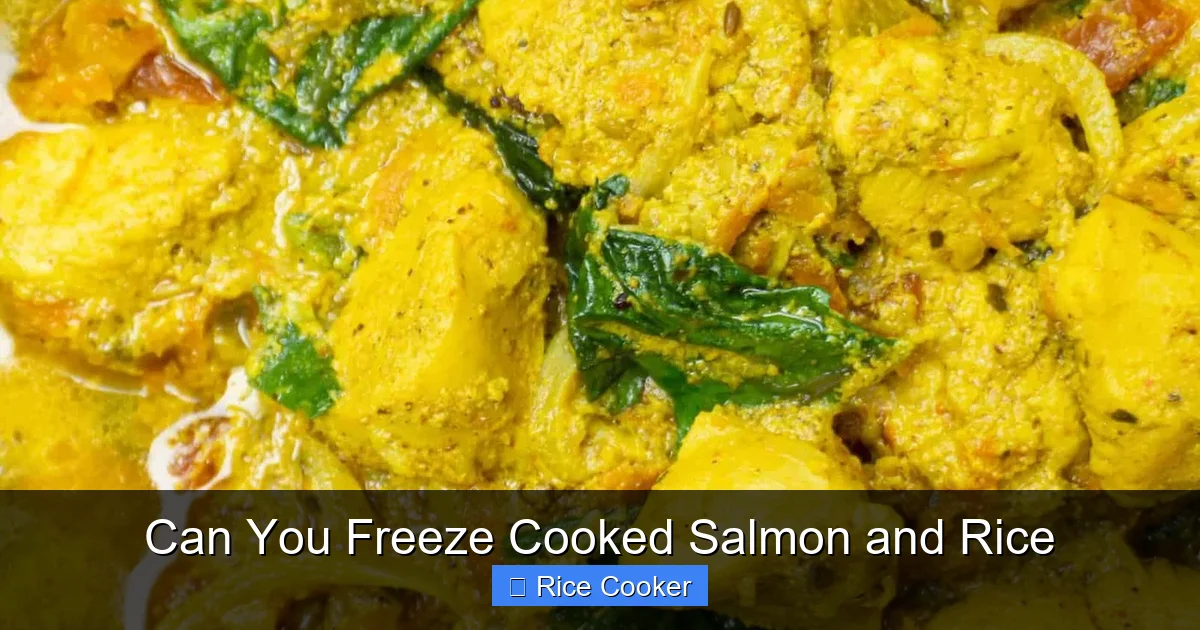
Visual guide about Can You Freeze Cooked Salmon and Rice
Image source: freezeit.co.uk
Understanding storage duration is crucial for maintaining taste, texture, and safety. According to USDA guidelines, cooked salmon should ideally be consumed within 3–4 days at room temperature and up to 4 days refrigerated. When frozen, however, it can last significantly longer.
For cooked salmon alone, the general rule is:
– Up to 2 months in the freezer for best quality.
– Up to 6 months is safe, though flavor and texture may begin to decline.
Rice, on the other hand, is more forgiving. Plain cooked rice can stay fresh in the freezer for up to 6 months. But when mixed with other ingredients—like butter, cream, or sauce—it’s best used within 1–2 months to avoid off-flavors.
So what happens if you combine them?
When you mix cooked salmon and rice, the ideal timeframe shifts toward the shorter end due to increased surface area and potential moisture exchange. Here’s a simple breakdown:
| Storage Condition | Max Duration |
|——————-|————–|
| Refrigerated | 3–4 days |
| Frozen | 1–2 months |
That means if you want to preserve peak flavor and texture, aim to freeze your cooked salmon and rice combo within 2–3 hours of cooking. And always label your containers with the date so you know exactly when it was made.
Step-by-Step Guide: How to Properly Freeze Cooked Salmon and Rice
You might think “freeze it” is enough instruction—but doing it right makes all the difference. Follow these steps to ensure your meal stays delicious and safe.
Step 1: Cool Down Fast (Don’t Leave It Out)
Never leave cooked salmon and rice sitting at room temperature for more than two hours. Bacteria multiply rapidly between 40°F and 140°F—the danger zone. To prevent spoilage, cool your meal quickly.
Here’s a simple trick: divide the mixture into shallow containers or place it in wide-mouth jars. This increases surface area, allowing heat to escape faster. You can also submerge the container in an ice bath for quicker cooling.
Step 2: Portion Smart
Instead of freezing one giant block, divide your meal into single or double servings. Why? Because thawing only what you need prevents repeated freeze-thaw cycles, which degrade quality.
Use freezer-safe containers or heavy-duty zip-top bags. Squeeze out excess air from bags before sealing—this reduces freezer burn.
Step 3: Pack with Protection
Wrap portions tightly in plastic wrap or foil before placing in containers. Alternatively, use silicone freezer trays designed for this purpose. These create uniform shapes that freeze evenly and stack neatly.
If using bags, consider double-bagging for extra protection against leaks or odors.
Step 4: Label and Date Everything
Write the contents and date clearly on masking tape stuck to the container or directly on the bag. This helps you rotate stock and avoid confusion later.
Bonus tip: If you’re meal prepping weekly, color-code labels by day (e.g., blue = Monday meals) for easy identification.
Step 5: Place in Freezer Immediately
Once cooled and packed, pop everything into the coldest part of your freezer—usually the back third. Avoid frequent door openings to maintain consistent temperature.
Now comes the fun part: waiting… or eating!
Best Practices for Maintaining Quality While Frozen
Even with perfect prep, a few habits will help your frozen salmon and rice stay restaurant-quality.
Avoid Overcrowding Your Freezer
Give each container space to breathe. Overpacked freezers lead to uneven freezing and warmer spots where bacteria could grow during thaw.
Keep It Cold, Not Warm
Set your freezer to 0°F (-18°C) or lower. This slows bacterial growth and preserves texture better than higher settings.
Minimize Exposure to Air
Every time you open the freezer, warm air enters. Moisture condenses inside containers, leading to ice crystals and sogginess. Seal tightly every time.
Rotate Stock Regularly
Follow the FIFO principle: First In, First Out. Use older batches before newer ones. A small habit that prevents waste and ensures nothing gets forgotten.
Consider Vacuum Sealing (Optional)
For long-term storage or bulk meal prep, vacuum sealing removes nearly all air. This drastically cuts down on freezer burn and extends shelf life to 3–4 months without sacrificing quality.
Thawing and Reheating Tips for Maximum Flavor
The moment you pull your frozen salmon and rice from the freezer is exciting—but rushing leads to disappointment. Patience pays off here.
Thaw Safely: Three Methods Compared
There are three main ways to thaw frozen salmon and rice:
Method 1: Refrigerator Thawing (Slow & Steady)
Place the container in the fridge overnight (about 8 hours). This method keeps temperatures low enough to prevent bacterial growth and preserves texture best.
Method 2: Cold Water Bath (Quick & Safe)
Seal the package in a leak-proof bag. Submerge it in cold tap water, changing water every 30 minutes until fully thawed (usually 1–2 hours). Keep hands clean throughout.
Method 3: Microwave (Fastest Option)
Use the defrost setting. Rotate and stir occasionally to ensure even thawing. Note: Microwaving too fast can partially cook edges while leaving centers icy.
Avoid room-temperature thawing—it invites bacteria.
Reheat Like a Pro
Once thawed, reheating determines whether your meal feels homemade or microwaved garbage.
Stovetop Method: Heat a nonstick skillet over medium-low. Add a splash of broth or water, cover, and steam for 3–5 minutes. Stir gently to prevent sticking.
Oven Method: Preheat to 325°F. Place in a baking dish, add 2 tbsp liquid, cover with foil. Bake 15–20 minutes.
Microwave Method: Place in a microwave-safe dish. Cover loosely with damp paper towel. Cook in 30-second intervals, stirring between bursts. Check for hot spots.
Adding a squeeze of lemon, a pat of butter, or fresh herbs after reheating makes a world of difference.
Common Mistakes to Avoid When Freezing Salmon and Rice
Even experienced cooks make errors. Here are the top blunders to dodge.
Mistake #1: Skipping the Cooling Step
Leaving hot food in the fridge causes warm zones. The appliance then works harder to cool everything down, potentially raising internal temps above safe levels.
Mistake #2: Using Weak Containers
Cardboard boxes, thin plastic, or non-freezer-rated bags crack and leak. Stick to BPA-free, freezer-safe materials.
Mistake #3: Not Removing Excess Air
Air causes freezer burn. Always press down on bags or use vacuum sealers to eliminate pockets.
Mistake #4: Freezing with Heavy Sauces
Cream-based or oil-heavy sauces separate or turn rancid. Opt for light seasonings—olive oil, lemon juice, herbs—instead.
Mistake #5: Ignoring Labels
Trust us—you’ll forget what’s in that mystery tub after three months. Write legibly and stick labels firmly.
Nutritional Benefits of Freezing Cooked Salmon and Rice
Freezing isn’t just about convenience—it actually helps retain nutrients. Studies show that flash-freezing (like rapid cooling followed by deep freeze) preserves vitamins and minerals better than gradual refrigeration.
Salmon is a superstar:
– Rich in omega-3s (anti-inflammatory)
– High in protein (muscle repair)
– Contains vitamin D (bone health)
Brown rice offers:
– Fiber (digestion support)
– Magnesium (nerve function)
– Complex carbs (sustained energy)
By freezing this combo, you’re locking in those benefits for future meals—no compromise.
Creative Ways to Enjoy Thawed Salmon and Rice
Thawed leftovers aren’t just for eating straight out of the container. Get creative!
Sushi Bowls
Layer thawed rice with flaked salmon, avocado, cucumber, and edamame. Top with soy-ginger dressing.
Fried Rice
Sauté rice with scrambled eggs, peas, carrots, and a dash of teriyaki sauce. Add salmon as a protein swirl.
Tacos or Burrito Bowls
Warm tortillas or use rice as a base. Top with salmon, shredded cabbage, salsa, and sour cream.
Salad Upgrade
Mix cold thawed rice with arugula, cherry tomatoes, feta, and grilled salmon chunks. Dress with vinaigrette.
The possibilities are endless—and delicious.
Food Safety Reminders
Even though freezing kills many bacteria, raw salmon can carry parasites (like Anisakis). That’s why we recommend only freezing cooked salmon. Raw salmon should be frozen separately at -4°F or below for at least 7 days to kill parasites—but since we’re dealing with cooked fish, that’s not a concern here.
Always check expiration dates. If your salmon smells fishy, slimy, or shows discoloration after thawing, toss it. Same goes for rice that’s moldy or unusually soft.
When in doubt, throw it out.
Final Thoughts: Yes, You Should Freeze Cooked Salmon and Rice
So, can you freeze cooked salmon and rice? The answer is a confident yes—if you follow best practices. This simple technique turns a healthy, tasty meal into a reusable powerhouse of nutrition and convenience.
Whether you’re meal prepping for busy weeks, reducing kitchen waste, or building a well-stocked freezer arsenal, this method works wonders. With proper cooling, smart packaging, and thoughtful reheating, you’ll enjoy restaurant-worthy salmon and rice anytime.
Remember: quality starts with preparation. Invest a little time now, and you’ll reap the rewards every time you reach for that frozen meal.
And hey—now you’re officially a freezer-savvy chef. Next time you cook up that salmon pilaf, save half. Your future self will thank you.
Frequently Asked Questions
How long does cooked salmon and rice last in the freezer?
Cooked salmon and rice can safely stay in the freezer for up to 2 months while maintaining best quality. For up to 6 months, it remains safe but may lose some texture and flavor.
Can I freeze raw salmon and rice together?
It’s not recommended. Raw salmon needs specific freezing conditions (-4°F or lower for 7 days) to kill parasites. Since you’re asking about cooked salmon, just ensure both items are fully cooked before freezing together.
Does freezing ruin the taste of salmon?
Not if done properly. Freezing preserves most flavors, though very fatty cuts may develop slight changes after several months. Light sauces work better than heavy creams for preserving taste.
How do I prevent my frozen salmon from drying out?
Pack it tightly in airless containers or bags, add a splash of broth or olive oil before freezing, and avoid prolonged thawing. Reheat gently with moisture to revive tenderness.
Can I refreeze salmon and rice after thawing?
Only once, and only if it’s been kept cold during thawing and hasn’t exceeded original storage time. Multiple freeze-thaw cycles degrade quality and increase bacterial risk.
What’s the best way to reheat frozen salmon and rice?
Steam it on the stovetop with a lid for 3–5 minutes, or microwave in short bursts with a damp paper towel cover. Adding liquid helps restore moisture lost during freezing.