
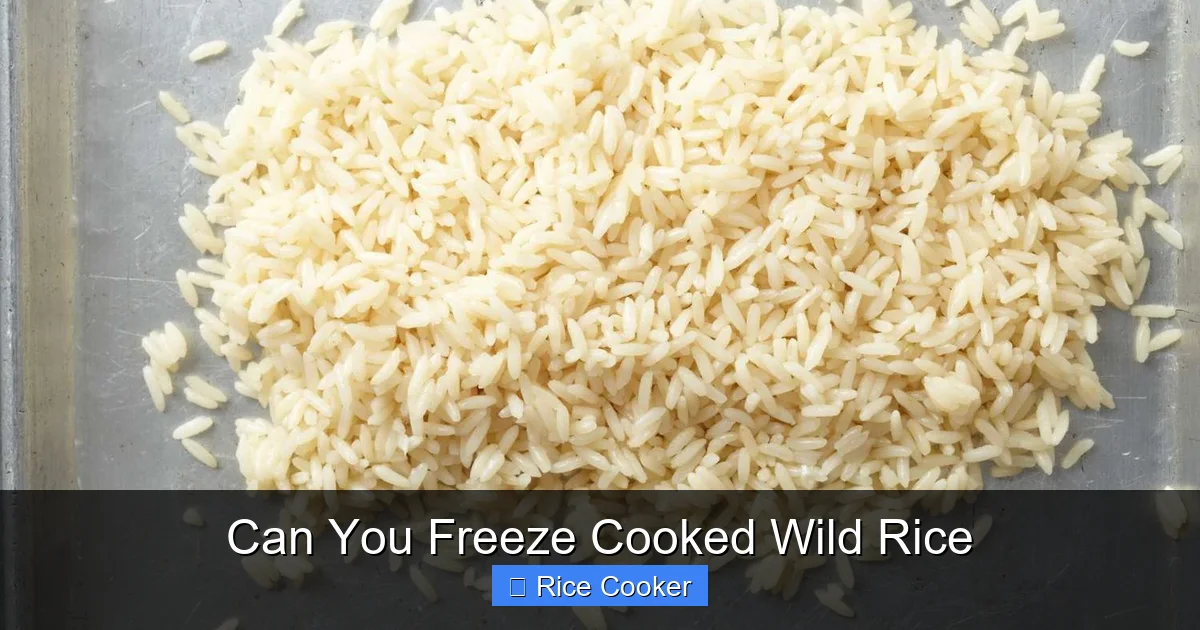
Can you freeze cooked wild rice? Absolutely! Freezing is an excellent method to extend the shelf life of wild rice while keeping its rich, nutty flavor intact. With proper storage techniques, your leftover wild rice will stay fresh for up to 3–6 months in the freezer. Whether you’re meal prepping or saving leftovers, freezing wild rice is simple, cost-effective, and convenient.
Key Takeaways
- Freezing preserves texture and flavor: When stored correctly, cooked wild rice maintains its chewy texture and earthy taste for months.
- Proper packaging is key: Use airtight containers or heavy-duty freezer bags to prevent freezer burn and moisture loss.
- Label and date your portions: Always mark containers with the date so you know how long it’s been frozen.
- Thawing methods matter: Refrigerator thawing is safest, but microwave thawing works in a pinch for quick meals.
- Reheating enhances flavor: Adding a splash of water or broth during reheating helps revive dryness from freezing.
- Wild rice freezes longer than white rice: Thanks to its higher oil content, wild rice actually holds up better in the freezer than most rices.
- Meal prep friendly: Freeze individual portions for grab-and-go lunches or easy dinners throughout the week.
Quick Answers to Common Questions
Can you freeze cooked wild rice?
Yes, absolutely. Cooked wild rice freezes well due to its high oil content and sturdy grain structure, helping it retain flavor and texture for up to 6 months.
How long does frozen wild rice last?
For best quality, consume within 3–6 months. After 6 months, it remains safe but may lose some flavor and texture.
Should I cool wild rice before freezing?
Yes. Cool it to room temperature within 1–2 hours to prevent bacterial growth, then portion and freeze promptly.
Can you microwave frozen wild rice?
Yes, but thaw partially first and reheat in short bursts with a splash of water to avoid mushiness.
Is frozen wild rice good in recipes?
Absolutely. It works great in soups, salads, casseroles, and stuffed vegetables—just thaw and warm it before adding to hot dishes.
📑 Table of Contents
- Introduction: The Charm of Wild Rice and Why You Might Want to Freeze It
- Understanding Wild Rice: What Makes It Unique?
- How Long Can You Freeze Cooked Wild Rice?
- Step-by-Step Guide: How to Properly Freeze Cooked Wild Rice
- Best Ways to Thaw Frozen Wild Rice
- How to Reheat Frozen Wild Rice Without Ruining It
- Comparing Wild Rice to Other Rices When Frozen
- Creative Ways to Use Frozen Wild Rice
- Common Mistakes to Avoid When Freezing Wild Rice
- Conclusion: Freeze Smart, Eat Well
Introduction: The Charm of Wild Rice and Why You Might Want to Freeze It
There’s something special about wild rice. Unlike its domesticated cousins like brown or jasmine rice, wild rice (technically not rice at all—but a seed from aquatic grasses) carries a deep, nutty flavor and a satisfyingly chewy texture that sets it apart. Native American communities have celebrated wild rice for centuries, not only as a staple food but also as a symbol of cultural heritage. Today, it’s prized in gourmet kitchens and health-conscious diets alike for its high fiber, protein, and antioxidant content.
But what happens when you cook too much? Whether you’re making a large batch for a family dinner or prepping ahead for the week, overcooking wild rice is common—and wasteful. That’s where freezing comes in. Can you freeze cooked wild rice? The short answer is yes—and doing so doesn’t just save food; it preserves quality, flavor, and nutrition.
In this comprehensive guide, we’ll walk you through everything you need to know about freezing cooked wild rice. From preparation and packaging to thawing and reheating, you’ll learn expert tips to keep your wild rice tasting fresh every time. Plus, we’ll compare it to other rice types, debunk myths, and share creative ways to use frozen wild rice in your favorite dishes.
Understanding Wild Rice: What Makes It Unique?

Visual guide about Can You Freeze Cooked Wild Rice
Image source: ansoup.com
Before diving into freezing techniques, let’s talk about what makes wild rice different. Scientifically known as *Zizania palustris*, wild rice grows naturally in lakes and rivers across North America. It’s harvested by hand—a labor-intensive process that adds to its value.
Unlike regular rice, wild rice contains more fat (about 3% compared to less than 1% in white rice), which contributes to its richer flavor and slightly glossy appearance. This higher oil content is both a blessing and a challenge when it comes to storage. While it gives wild rice its signature taste, it also means it can become rancid if not stored properly—especially at room temperature.
Cooked wild rice typically takes 45–60 minutes to prepare, much longer than white or brown rice. Once cooked, it expands significantly and has a fluffy yet firm texture. Because of these characteristics, wild rice responds well to freezing—but only if handled correctly.
The Science Behind Freezing Cooked Wild Rice
When you freeze any food, especially one with moisture and oils like wild rice, several chemical and physical changes occur. Ice crystals form, which can break down cell walls and affect texture. However, wild rice’s dense structure resists sogginess better than many grains.
The key to successful freezing lies in minimizing exposure to air and controlling temperature. Oxygen accelerates oxidation, leading to rancidity—particularly problematic with wild rice due to its natural oils. Airtight packaging traps moisture inside rather than letting it escape, preserving both flavor and consistency.
Additionally, freezing slows bacterial growth, meaning your wild rice remains safe to eat far longer than at room temperature. Most importantly, when thawed properly, wild rice regains much of its original texture, often even improving slightly as flavors mellow.
How Long Can You Freeze Cooked Wild Rice?
Visual guide about Can You Freeze Cooked Wild Rice
Image source: freezeit.net
One of the most common questions is: how long does frozen wild rice last? When stored in an airtight container or sealed freezer bag, cooked wild rice can maintain optimal quality for **up to 6 months**. After that, while it won’t necessarily spoil, you may notice a decline in flavor and slight texture changes.
For best results, aim to consume within **3 months**. This ensures maximum freshness without risking freezer burn or flavor degradation. Always check for signs of spoilage before using—such as off odors, discoloration, or excessive ice crystals.
It’s worth noting that unlike some grains, wild rice doesn’t lose nutritional value quickly when frozen. Vitamins and minerals remain largely intact, making frozen wild rice a nutritious option even weeks after cooking.
Signs Your Frozen Wild Rice Has Gone Bad
Even though freezing extends shelf life, it doesn’t make food indestructible. Here’s how to tell if your wild rice should be tossed:
– **Unpleasant smell:** Rancid or sour odors indicate spoilage.
– **Excessive frost or ice buildup:** While some crystallization is normal, thick layers suggest improper sealing.
– **Off-color appearance:** Grayish or yellowish hues may signal freezer burn.
– **Texture issues:** If it feels slimy or overly mushy upon thawing, bacteria may have grown.
If you see any of these signs, discard the rice immediately. Better safe than sorry!
Step-by-Step Guide: How to Properly Freeze Cooked Wild Rice
Freezing wild rice isn’t complicated—but precision matters. Follow these steps for perfect results every time.
1. Cool the Rice Quickly
After cooking, let the wild rice cool to room temperature—but don’t leave it sitting out for more than 1–2 hours. Bacteria multiply rapidly between 40°F and 140°F (the “danger zone”). To speed things up, spread the rice in a shallow layer on a baking sheet before transferring to containers. This increases surface area and speeds cooling.
2. Portion It Out
Divide the cooled wild rice into manageable portions based on how you plan to use it later. Common sizes include:
– Single servings (½ to ¾ cup)
– Meal-sized batches (1 to 1½ cups)
– Large quantities for casseroles or salads
Portioning prevents unnecessary defrosting and thawing cycles, which can degrade quality over time.
3. Choose the Right Container
Use either:
– **Airtight glass or plastic containers** with tight-fitting lids
– **Heavy-duty freezer-safe zip-top bags** (lay flat to save space)
Avoid cardboard or thin plastic bags—they allow air in and promote freezer burn.
4. Remove as Much Air as Possible
If using bags, squeeze out excess air before sealing. For containers, leave about half an inch of headspace to allow expansion during freezing.
5. Label and Date Everything
Write the contents and date on masking tape or directly on the container. Trust us—you’ll thank yourself later when you glance into the freezer and instantly remember what’s inside.
6. Freeze Flat (If Using Bags)
Place zipper bags flat in the freezer. This prevents them from becoming stiff or hard to open later and saves valuable freezer real estate.
Best Ways to Thaw Frozen Wild Rice
Thawing affects final texture more than freezing does. The goal is gentle, even warming without turning your wild rice into mush.
Method 1: Refrigerator Thawing (Recommended)
This is the safest and most reliable method. Transfer the frozen wild rice to the fridge and let it thaw slowly overnight (or up to 24 hours). Once thawed, consume within 3–4 days or proceed to reheating.
Pros:
– Preserves texture best
– No risk of bacterial growth during thaw
– Ideal for meal prep planning
Cons:
– Requires advance planning
Method 2: Microwave Thawing (Quick Fix)
Need dinner in 15 minutes? This method works well for small portions.
– Place wild rice in a microwave-safe bowl
– Cover with a damp paper towel (this adds steam and prevents drying)
– Heat in 30-second intervals, stirring between each
– Stop when mostly thawed but still slightly icy
Caution: Overheating can make wild rice tough or rubbery. Stir frequently!
Method 3: Cold Water Bath
Great for when you forgot to thaw overnight.
– Seal frozen wild rice tightly in a zip-top bag
– Submerge in cold tap water for 30–60 minutes
– Change water every 15 minutes to keep it cold
– Drain thoroughly before reheating
This method is faster than fridge thawing but slower than microwave.
How to Reheat Frozen Wild Rice Without Ruining It
Even the best thawing technique won’t save poor reheating habits. Follow these tips to bring your wild rice back to life.
Stovetop Method (Most Control)
1. In a saucepan, combine thawed wild rice with 1–2 tablespoons of water or broth per cup of rice.
2. Cover and simmer over low heat for 5–7 minutes, stirring occasionally.
3. Add more liquid if needed—wild rice absorbs moisture during freezing.
Microwave Method (Fastest)
1. Place rice in a microwave-safe dish with a splash of water.
2. Cover loosely with a lid or vented plastic wrap.
3. Heat on high for 1–2 minutes per cup, pausing to stir halfway through.
Oven Method (Batch Cooking)
Perfect for reheating multiple containers at once.
– Preheat oven to 325°F (160°C)
– Transfer rice to oven-safe dishes with a bit of water
– Cover tightly with foil
– Bake for 15–20 minutes until heated through
Tips to Revive Dry or Crumbly Wild Rice
After freezing, wild rice can sometimes feel dry. Don’t despair—just add a teaspoon of butter, olive oil, or broth while reheating. The fat helps restore creaminess and prevents sticking.
Also, fluff the rice gently with a fork before serving. Avoid pounding or squishing it, which breaks apart the grains.
Comparing Wild Rice to Other Rices When Frozen
You might wonder why we’re focusing specifically on wild rice. After all, can you freeze any type of rice?
The short answer: yes—but with differences.
White Rice
– Freezes well, but tends to become gummy after thawing
– Lacks the natural oils that protect wild rice
– Best used within 2–3 months
Brown Rice
– Higher fiber and nutrients than white rice
– Can develop off-flavors if frozen too long
– Texture becomes softer post-thaw
Jasmine or Basmati Rice
– Fragile aroma compounds can fade in the freezer
– Not ideal for long-term storage
Why Wild Rice Stands Out
Thanks to its robust structure and healthy fats, wild rice resists sogginess and retains flavor better than most rices. Many chefs recommend it precisely because of its resilience in various preparations—including freezing.
Creative Ways to Use Frozen Wild Rice
Don’t let frozen wild rice sit unused! Here are tasty ideas to incorporate it into meals:
Wild Rice Salad (Mediterranean Style)
– Combine thawed wild rice with diced cucumbers, tomatoes, red onion, olives, and feta
– Dress with lemon juice, olive oil, oregano, and salt
– Chill before serving
Hearty Soup Base
– Sauté onions, carrots, celery in a pot
– Add thawed wild rice and vegetable broth
– Simmer for 20 minutes with herbs like thyme or sage
Stuffed Bell Peppers
– Fill halved peppers with a mix of wild rice, ground turkey, corn, and spices
– Bake at 375°F (190°C) for 30–35 minutes
Wild Rice Pilaf with Nuts and Dried Fruit
– Toast almonds and cranberries separately
– Mix into reheated wild rice with a drizzle of honey and cinnamon
Common Mistakes to Avoid When Freezing Wild Rice
Even experienced home cooks make errors. Steer clear of these pitfalls:
– **Skipping the cooling step:** Leads to uneven freezing and potential bacterial growth.
– **Using non-freezer-safe containers:** Can leach chemicals or crack.
– **Overfilling containers:** Leaves no room for expansion, causing spills or breaks.
– **Not labeling:** Results in guessing games and wasted food.
– **Refreezing after thawing:** Never refreeze cooked wild rice unless it’s fully cooked again and held above 165°F (74°C).
Remember: once wild rice has been thawed, treat it like fresh food—use it soon and don’t refreeze unless absolutely necessary.
Conclusion: Freeze Smart, Eat Well
So, can you freeze cooked wild rice? Yes—and doing so is not only practical but also beneficial. Freezing preserves the unique flavor and texture of wild rice, reduces waste, and gives you flexibility in meal planning. With proper techniques, your wild rice can stay delicious for months.
Whether you’re stocking up on seasonal harvests, saving leftovers from Thanksgiving, or building a freezer-friendly pantry, wild rice deserves a spot in your rotation. Just follow our guidelines: cool quickly, package tightly, label clearly, and thaw gently.
Next time you cook up a pot of wild rice, consider making extra. Freeze it, then enjoy it weeks later in soups, salads, or grain bowls. You’ll love having this nutritious, versatile staple ready whenever hunger strikes.
Frequently Asked Questions
Can you freeze cooked wild rice?
Yes, cooked wild rice can be safely frozen for up to 6 months. Proper packaging prevents freezer burn and preserves flavor.
Does freezing change the taste of wild rice?
Minimal change occurs if stored correctly. Some people note a slight intensification of nuttiness after thawing, which many find pleasant.
How do I stop wild rice from getting soggy when frozen?
Avoid overcrowding containers and ensure they’re airtight. Also, don’t add sauces or liquids before freezing—they increase moisture and risk sogginess.
Can I freeze wild rice with other ingredients?
It’s best to freeze plain wild rice alone. Mixing with dairy, eggs, or creamy sauces can cause separation or texture issues upon thawing.
Do I need to drain wild rice before freezing?
No, excess water evaporates during freezing. Just make sure it’s not clumped—spread it out if needed before packing.
How do I reheat frozen wild rice without drying it out?
Add a tablespoon of water, broth, or oil per cup while reheating. Cover to trap steam, and stir occasionally to distribute moisture evenly.