
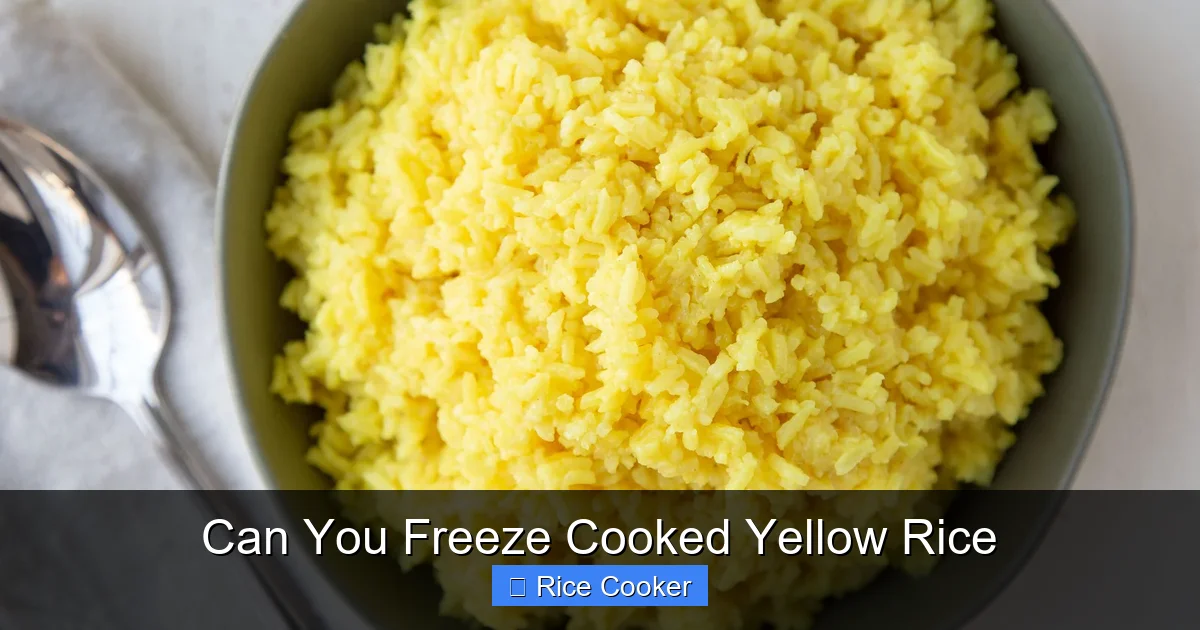
Can you freeze cooked yellow rice? Absolutely! Freezing cooked yellow rice is not only possible but also a smart move for meal prep and reducing waste. With the right steps, your rice stays fresh, flavorful, and ready to enjoy whenever you need it.
Have you ever cooked up a big batch of yellow rice—whether it’s saffron-infused, turmeric-seasoned, or simply colored with food dye—only to find yourself overwhelmed by leftovers? You’re not alone. Yellow rice, whether it’s made with golden spices, annatto, or even natural food coloring, is a delicious staple in many cuisines, especially in Latin American, Caribbean, and Middle Eastern dishes. But what do you do when you have more than you can eat in one sitting?
The good news? Yes, you absolutely can freeze cooked yellow rice. In fact, freezing is one of the most effective ways to preserve its flavor, texture, and nutritional value. Whether you’re meal prepping for the week, cooking for a crowd, or just trying to avoid food waste, learning how to freeze cooked yellow rice properly can save you time, money, and stress.
But here’s the catch: not all rice freezes the same way. Some types become mushy or lose their vibrant color when thawed. So how do you freeze cooked yellow rice without turning it into a sad, sticky mess? And more importantly, how do you bring it back to life when you’re ready to eat?
In this complete guide, we’ll walk you through everything you need to know about freezing cooked yellow rice—from preparation and storage to thawing and reheating. We’ll also share pro tips from chefs and home cooks alike, so you never have to wonder again if that extra bowl of yellow rice is destined for the trash—or the freezer.
Key Takeaways
- Yes, cooked yellow rice freezes well when stored properly in airtight containers or freezer bags.
- Proper portioning helps prevent freezer burn and makes reheating easier.
- Label and date containers so you know how long the rice has been frozen (up to 3 months).
- Thaw safely in the fridge overnight before reheating for best texture and safety.
- Reheat thoroughly on the stove or microwave with a splash of water to restore moisture.
- Avoid refreezing thawed rice to maintain quality and food safety.
- Use within 3–6 months for optimal taste and texture.
📑 Table of Contents
- Why Freeze Cooked Yellow Rice?
- How to Properly Prepare Cooked Yellow Rice for Freezing
- Best Containers and Storage Methods for Frozen Yellow Rice
- How Long Can You Keep Cooked Yellow Rice in the Freezer?
- How to Thaw Frozen Yellow Rice Safely
- How to Reheat Frozen Yellow Rice Perfectly
- Tips for Maintaining Color and Flavor When Freezing
- Common Mistakes to Avoid When Freezing Yellow Rice
- Creative Ways to Use Frozen Yellow Rice
- Frequently Asked Questions About Freezing Yellow Rice
- Final Thoughts
Why Freeze Cooked Yellow Rice?
There are plenty of reasons to consider freezing your cooked yellow rice. First and foremost, it’s a fantastic way to reduce food waste. According to the U.S. Department of Agriculture, millions of tons of food are thrown away each year, often because people don’t know how to store leftovers properly. By freezing yellow rice, you extend its shelf life significantly—without sacrificing taste or texture.
Second, freezing allows for greater meal flexibility. Imagine having perfectly seasoned yellow rice ready to go for tacos, burritos, fried rice, or even as a side dish with grilled chicken or fish. It’s a quick win when you’re short on time.
Third, yellow rice often contains spices like turmeric, saffron, or annatto, which are not only flavorful but also packed with antioxidants. Freezing helps lock in those nutrients, so you get the full health benefits whenever you reheat it.
Finally, freezing is ideal for batch cooking and meal prep. If you love making large quantities of rice ahead of time—whether for a dinner party, potluck, or busy week—freezing is your secret weapon.
How to Properly Prepare Cooked Yellow Rice for Freezing
Before tossing your cooked yellow rice into the freezer, there are a few important steps to follow to ensure it stays fresh and delicious.
1. Let It Cool Completely
Never put hot rice directly into the freezer. Doing so can raise the temperature of your freezer, affecting other foods and potentially causing ice crystals to form. Instead, let the rice cool to room temperature for about 1–2 hours. Stir it occasionally to speed up the cooling process and prevent lumps.
2. Portion It Out
Freezing large blocks of rice makes it harder to thaw evenly and increases the risk of freezer burn. Instead, divide the rice into single- or double-serving portions. Use small containers, resealable freezer bags, or silicone muffin trays. For example, if you’re making yellow rice for taco night, portion it into two-cup servings so you can defrost just what you need.
3. Remove Excess Air
When using freezer bags, press out as much air as possible before sealing. This minimizes air exposure, which can lead to freezer burn and off-flavors. A helpful trick is to use the “vacuum seal” method by folding the top over twice and pressing firmly, or use a straw to suck out air before sealing.
4. Label Everything
Write the date and contents on a label or masking tape. Frozen yellow rice is best used within 3 months for peak quality. After that, it may still be safe to eat, but the texture and flavor could begin to degrade.
Best Containers and Storage Methods for Frozen Yellow Rice
Choosing the right container is key to preserving your yellow rice. Here are some of the best options:
Freezer Bags
These are affordable, lightweight, and stackable. Lay the bag flat in the freezer to save space. Make sure to remove as much air as possible.
Glass or Plastic Freezer Jars
Great for portion control. Choose containers with tight-fitting lids. Leave a little headspace since rice expands when frozen.
Silicone Freezer Trays
Perfect for making ice cube-like portions. Just pop them out when frozen and transfer to a bag for storage. Ideal for smoothies, sauces, or small rice servings.
Airtight Plastic Containers
Look for containers labeled “freezer-safe.” These are durable and reusable. Again, leave ½ inch of space at the top.
Avoid using paper bags or cardboard containers—they don’t hold up well in the freezer and can absorb odors.
How Long Can You Keep Cooked Yellow Rice in the Freezer?
You might be wondering: How long is too long? The answer depends on how well you store it.
Under ideal conditions—airtight containers, minimal air exposure, and consistent freezer temperatures—frozen yellow rice can last up to 3 months. Most experts recommend using it within this timeframe for the best texture and flavor.
After 3 months, the rice may start to develop freezer burn or lose its vibrant yellow hue. While it’s still safe to eat after 3 months, the taste and mouthfeel may not be as appealing.
Signs Your Frozen Yellow Rice Is Still Good
– No strong off-odors
– Ice crystals are small and uniform (not large, dry patches)
– Color remains bright yellow (though slight fading is normal)
Signs It’s Time to Toss It
– Mold growth
– Unpleasant sour smell
– Extreme dryness or hardening
How to Thaw Frozen Yellow Rice Safely
Thawing is just as important as freezing. Improper thawing can lead to bacterial growth and ruined texture.
The Best Method: Refrigerator Thawing
This is the safest and most recommended method. Place the frozen rice in the refrigerator overnight (about 8–12 hours). This slow thawing process preserves moisture and prevents spoilage.
Quick Thawing (Not Recommended for Large Portions)
If you’re in a hurry, you can thaw rice in cold water. Seal the container in a waterproof bag and submerge it in a bowl of cold water. Change the water every 30 minutes until thawed. Avoid using warm or hot water, as it can encourage bacterial growth.
Do Not Thaw at Room Temperature
Leaving rice on the counter allows it to sit in the “danger zone” (40°F–140°F), where bacteria multiply rapidly. Always thaw in the fridge or under cold running water.
How to Reheat Frozen Yellow Rice Perfectly
Once your yellow rice is thawed, it might feel a bit dry or stiff. That’s normal! The trick to bringing it back to life is adding moisture and heat evenly.
Stovetop Method (Recommended for Best Texture)
1. Transfer the thawed rice to a saucepan.
2. Add 1–2 tablespoons of water or broth per cup of rice.
3. Heat over medium-low heat, stirring frequently.
4. Cover and simmer for 5–7 minutes until heated through.
Microwave Method (Fast and Easy)
1. Place rice in a microwave-safe dish.
2. Drizzle with water or cover with a damp paper towel.
3. Microwave in 30-second intervals, stirring between each, until hot.
Oven Method (For Large Batches)
Preheat oven to 350°F (175°C). Spread rice in a baking dish, add a bit of liquid, cover tightly with foil, and bake for 15–20 minutes.
Tips for Maintaining Color and Flavor When Freezing
One common concern about freezing yellow rice is that it loses its bright color. While some fading is inevitable, you can minimize it with these tips:
Use Natural Colorants
Instead of artificial food dyes, opt for ingredients like turmeric, saffron, or annatto (achiote)—these not only color the rice but also add unique flavors and health benefits.
Avoid Overcooking
Cook the rice just until tender. Overcooked rice becomes starchy and breaks down faster in the freezer.
Add a Pinch of Salt or Acid
A tiny bit of lemon juice or vinegar can help stabilize the color of turmeric-based rice.
Don’t Freeze With Strong Odors
Keep your yellow rice in a separate part of the freezer if you store fish, onions, or garlic nearby. These strong smells can seep through containers.
Common Mistakes to Avoid When Freezing Yellow Rice
Even experienced cooks make mistakes when freezing food. Here are some common pitfalls to watch out for:
Myth: You Can Freeze Rice Right After Cooking
As mentioned earlier, always cool rice completely before freezing. Hot rice traps steam and creates condensation, which leads to ice crystals and freezer burn.
Myth: All Rice Freezes the Same Way
White rice, brown rice, and flavored rice like yellow rice behave differently. Yellow rice, with its added spices and sometimes oil, needs special care.
Overpackaging
Using containers that are too full can cause breakage when frozen. Always leave headspace.
Skipping Labels
It’s tempting to just toss a bag in the freezer, but you’ll regret it later when you can’t remember what’s inside—or how long it’s been there.
Refreezing Thawed Rice
Once rice has been thawed, it should only be reheated once. Refreezing increases the risk of bacterial contamination.
Creative Ways to Use Frozen Yellow Rice
Don’t let frozen yellow rice go to waste—get creative!
Breakfast Burrito Filling
Thaw and reheat with scrambled eggs, cheese, and black beans for a colorful breakfast.
Fried Rice Base
Sauté with vegetables, soy sauce, and scrambled eggs for a quick stir-fry.
Rice Pudding
Mix with milk, cinnamon, and sugar, then bake for a sweet dessert.
Taco or Burrito Bowls
Top with grilled meat, salsa, avocado, and sour cream.
Rice Salad
Cool thawed rice with diced veggies, olive oil, and lime juice.
Pilaf or Grain Bowl
Combine with roasted vegetables and herbs for a nutritious lunch.
Frequently Asked Questions About Freezing Yellow Rice
Can you freeze yellow rice with sauce?
Yes, but drain excess sauce first. Too much liquid can make the rice soggy when thawed. Store with a layer of parchment paper on top to prevent sticking.
Does freezing affect the nutritional value of yellow rice?
Freezing preserves most nutrients, especially antioxidants from spices like turmeric. However, prolonged storage may slightly reduce vitamin content, so use within 3 months for maximum benefit.
Can you freeze yellow rice made with saffron?
Absolutely. Saffron adds both color and flavor, and freezing helps retain those qualities. Just make sure the rice cools before freezing.
Is it safe to freeze yellow rice for more than 6 months?
While it may remain safe, quality declines after 3 months. Freezer burn, texture changes, and flavor loss become more likely after 6 months.
Can I freeze yellow rice in glass jars?
Yes, as long as they’re freezer-safe. Leave ½ inch of headspace to allow expansion during freezing.
How do I prevent yellow rice from turning gray after thawing?
This usually happens when rice is overcooked or stored improperly. To prevent it, cook rice al dente, cool quickly, and store in airtight containers with minimal air.
Final Thoughts
Freezing cooked yellow rice isn’t just practical—it’s smart. With the right techniques, you can enjoy flavorful, vibrant rice anytime, whether it’s for a quick taco night or a weeknight dinner. From proper cooling and portioning to safe thawing and reheating, every step matters.
Remember: freeze in small portions, label clearly, and use within 3 months for the best results. And don’t forget to get creative—frozen yellow rice is incredibly versatile.
So next time you’re left with extra yellow rice, don’t hesitate. Pop it in the freezer, and you’ll thank yourself later when you have a delicious, ready-to-eat meal waiting for you. After all, who says meal prep can’t be fun—and colorful?
Frequently Asked Questions
Can you freeze yellow rice made with saffron?
Yes, saffron-yellow rice freezes well. Just cool it completely before storing in an airtight container or freezer bag. It will retain its flavor and color for up to 3 months.
How long does frozen yellow rice last in the freezer?
Properly stored, frozen yellow rice lasts up to 3 months. After that, quality may decline due to freezer burn or texture changes, though it remains safe to eat.
Should I freeze yellow rice in glass or plastic containers?
Both work, but use freezer-safe containers. Glass is durable but heavy; plastic is lighter and less likely to shatter. Leave headspace to prevent cracking.
Can I freeze yellow rice with oil or butter?
Yes, but drain excess fat before freezing. Oil can oxidize over time, so using a small amount and storing in a sealed container helps maintain quality.
How do I reheat frozen yellow rice without making it mushy?
Thaw in the refrigerator first, then reheat on the stovetop with a splash of water or broth. Stir frequently and avoid high heat to preserve texture.
Is it safe to refreeze yellow rice after thawing?
No, avoid refreezing thawed rice. Once thawed, it should be consumed or discarded to prevent bacterial growth and maintain food safety.