

Can you freeze rice after it’s been cooked? Absolutely — cooked rice freezes beautifully when stored properly. This simple technique saves time, reduces waste, and keeps meals ready for busy days. Whether you’re meal prepping or just have leftovers, freezing cooked rice is a smart kitchen hack.
Key Takeaways
- You can safely freeze cooked rice — it retains quality when handled correctly, lasting up to 6 months in the freezer.
- Portion control matters — divide rice into smaller containers to speed up thawing and prevent bacterial growth.
- Cooling before freezing prevents ice crystals — always let rice cool slightly, then store it promptly.
- Use airtight containers or freezer bags — this protects against freezer burn and odor absorption.
- Label and date your containers — this helps you track freshness and use older batches first.
- Reheating frozen rice is easy — just steam it or microwave with a splash of water to restore texture.
- Freezing prevents spoilage — especially important in warm climates or during power outages.
📑 Table of Contents
- Can You Freeze Rice After It’s Been Cooked? The Complete Guide
- Why Freeze Cooked Rice?
- How Long Can You Store Cooked Rice in the Freezer?
- Step-by-Step: How to Freeze Cooked Rice Safely
- What Types of Rice Freeze Best?
- How to Reheat Frozen Cooked Rice
- Troubleshooting Common Freezing Mistakes
- Tips for Freezing Rice in Bulk
- Does Freezing Change the Texture of Rice?
- Freezing Rice vs. Refrigerating Leftovers
- Creative Ways to Use Frozen Rice
- Final Thoughts: Freeze It, Save It, Love It
Can You Freeze Rice After It’s Been Cooked? The Complete Guide
If you’re like most home cooks, you’ve probably found yourself staring at a pot of perfectly cooked rice — maybe from a big batch you made for dinner — wondering what to do with the rest. Do you toss it? Eat it cold tomorrow? Or… could you freeze it?
The short answer? Yes, absolutely! You can freeze rice after it’s been cooked, and doing so is one of the smartest ways to save time, money, and reduce food waste. In fact, many professional chefs and meal prep experts swear by freezing cooked rice as part of their weekly routine. But there are right and wrong ways to do it — and that’s exactly what we’re going to cover today.
In this comprehensive guide, we’ll walk you through everything you need to know about freezing cooked rice: how to do it safely, how long it lasts, best storage practices, and even how to bring it back to life when you’re ready to eat it again. Whether you’re using a rice cooker, stovetop, or Instant Pot, these tips apply to all kinds of rice — white, brown, jasmine, basmati, even wild or arborio.
Why Freeze Cooked Rice?
Before we dive into the “how,” let’s talk about the “why.” There are several compelling reasons to freeze your cooked rice:
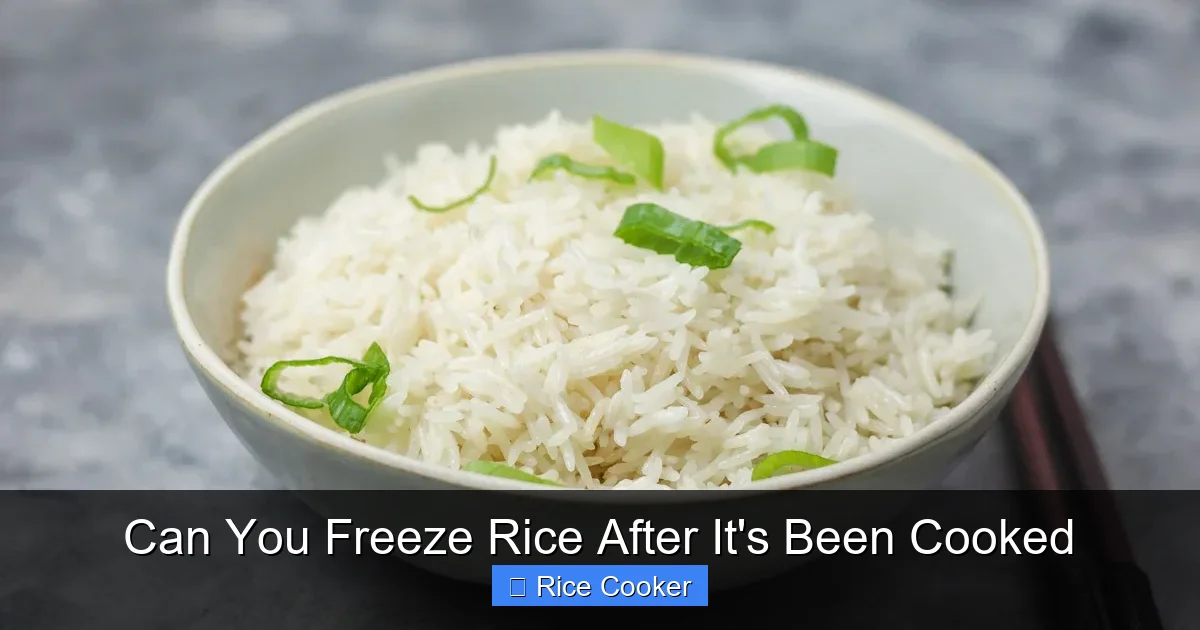
Visual guide about Can You Freeze Rice After It’s Been Cooked
Image source: kookybakes.com
1. Reduces Food Waste
According to the USDA, nearly one-third of all food produced in the U.S. goes to waste. That includes perfectly good rice left on the counter overnight. By freezing it, you extend its shelf life dramatically and avoid throwing away edible food.
2. Saves Time on Meal Prep
Imagine coming home from work tired and not feeling like cooking. You open your freezer, pull out a portion of frozen rice, and within minutes have a hot, ready-to-eat side dish. No standing over a stove, no measuring, no waiting. Just reheat and serve.
3. Maintains Nutritional Value
Cooked rice retains most of its nutrients even after freezing. While some vitamins may degrade over time, the protein, fiber, and carbohydrates remain intact — especially if stored properly. Brown rice, in particular, stays nutritious longer than white when frozen.
4. Prevents Bacterial Growth
Leaving cooked rice at room temperature for too long (more than two hours) can encourage bacteria like Bacillus cereus, which causes food poisoning. Freezing stops bacterial growth cold.
How Long Can You Store Cooked Rice in the Freezer?
This is a common question, and the answer depends on how well you store it.

Visual guide about Can You Freeze Rice After It’s Been Cooked
Image source: freezeit.net
Best Practices for Longevity
- Properly stored cooked rice can last up to 6 months in the freezer.
- For optimal texture and flavor, consume within 2 to 3 months.
- Always label containers with the date to track freshness.
Keep in mind that while rice won’t spoil in the freezer, quality gradually declines. Over time, it may develop freezer burn or become dry. That’s why portioning and labeling are so important.
Step-by-Step: How to Freeze Cooked Rice Safely
Freezing rice isn’t complicated, but skipping a few steps can lead to soggy rice or contamination. Follow this foolproof method:
Step 1: Let the Rice Cool Slightly
After cooking, remove the rice from heat and let it sit for 10–15 minutes. This allows it to cool down without creating condensation inside the container — which can dilute flavor and promote ice crystal formation.
Step 2: Portion into Small Containers
Divide the rice into single or double-serving portions. Use:
- Small freezer-safe containers
- Silicone baking cups
- Airtight freezer bags (remove as much air as possible)
This makes thawing faster and reduces the risk of cross-contamination from repeated door openings.
Step 3: Seal and Label
Fill containers to about ¾ full to allow expansion during freezing. Seal tightly, then label with the date and type of rice. A sharpie works great on freezer bags.
Step 4: Freeze Flat
If using bags, lay them flat in the freezer. This helps them stack neatly and thaw more evenly. Once frozen solid, you can stand them upright to save space.
What Types of Rice Freeze Best?
Not all rice is created equal when it comes to freezing. Here’s a quick breakdown:
White Rice
One of the easiest to freeze and thaw. Its starch structure holds up well, and it reheats smoothly. Ideal for stir-fries, fried rice, or side dishes.
Brown Rice
Higher in fiber and oil, brown rice can go rancid faster if not frozen quickly. But when frozen properly, it stays fresh and nutritious. Best for grain bowls or salads.
Jasmine and Basmati Rice
These aromatic varieties freeze well, though they may lose some fragrance over time. Still, they’re perfect for Indian or Thai dishes where flavor builds over time.
Wild Rice and Other Varieties
These can be trickier due to their texture. Wild rice, in particular, may become mushy upon reheating. Try freezing it in small amounts and test a sample first.
Instant or Microwave Rice
Generally not recommended for freezing — the texture changes drastically and becomes rubbery when reheated.
How to Reheat Frozen Cooked Rice
Bringing frozen rice back to life doesn’t have to be a science experiment. Here are three reliable methods:
Method 1: Stovetop Steaming
- Place frozen rice in a saucepan.
- Add 1–2 tablespoons of water per cup.
- Cook over medium heat, covered, for 5–7 minutes, stirring occasionally.
- Fluff with a fork when done.
This method restores moisture and prevents drying.
Method 2: Microwave with Water
- Place rice in a microwave-safe bowl.
- Sprinkle with water and cover with a damp paper towel.
- Microwave on high for 1 minute per cup, checking and stirring halfway.
The paper towel traps steam, helping revive dry rice.
Method 3: Oven or Toaster Oven
For larger portions, spread rice on a baking sheet, add water, and bake at 350°F (175°C) for 10–15 minutes. Cover with foil to retain moisture.
Troubleshooting Common Freezing Mistakes
Even experienced cooks make mistakes. Here’s how to avoid them:
Mistake: Not Cooling Before Freezing
Result: Steam builds up, creating ice crystals and making rice slimy.
Fix: Always cool rice slightly before storing.
Mistake: Using Non-Freezer-Safe Containers
Result: Leaks, odors, or chemical leaching.
Fix: Only use containers labeled freezer-safe.
Mistake: Overfilling Containers
Result: Cracking or uneven freezing.
Fix: Leave ½ inch of headspace for expansion.
Mistake: Thawing at Room Temperature
Result: Bacteria can grow during slow thawing.
Fix: Thaw in the fridge or use the defrost setting on your microwave.
Tips for Freezing Rice in Bulk
Want to freeze a whole pot at once? Here’s how to do it efficiently:
- Use shallow trays: Spread rice in a thin layer on a baking sheet and freeze until solid. Then transfer to bags. This prevents clumping.
- Vacuum sealing: Removes air and extends freshness by months.
- Double-layer freezer bags: Prevents punctures and leaks.
- Rotate stock: Use the oldest frozen rice first (FIFO method).
Does Freezing Change the Texture of Rice?
Yes — but not always for the worse. When frozen and reheated correctly, rice can still be fluffy and delicious. However, over-freezing or improper storage can lead to:
- Dryness
- Grittiness
- Mushiness
To minimize texture loss:
- Don’t freeze rice that’s already been sitting out.
- Rehydrate with a little broth or water when reheating.
- Avoid microwaving without covering.
Freezing Rice vs. Refrigerating Leftovers
Many people refrigerate cooked rice, thinking it’s the same as freezing. But there are key differences:
| Method | Shelf Life | Texture | Safety |
|---|---|---|---|
| Refrigeration | 3–4 days | Soft, moist | Risk of B. cereus if left too long |
| Freezing | Up to 6 months | Can be restored | Safest long-term option |
Bottom line: If you have more than a couple of servings, freeze it. It’s safer and tastier in the long run.
Creative Ways to Use Frozen Rice
Freeze rice, then use it in endless recipes:
- Fried Rice: Thaw and sauté with soy sauce, eggs, veggies, and protein.
- Rice Pudding: Warm with milk, sugar, cinnamon, and raisins.
- Stuffed Peppers: Mix with ground meat, cheese, and herbs.
- Risotto: Rehydrate and stir in broth slowly for creamy texture.
- Salads: Cold rice works great in tabbouleh or grain bowls.
Final Thoughts: Freeze It, Save It, Love It
So, can you freeze rice after it’s been cooked? Yes — and you should! It’s a simple, effective way to cut down on waste, stretch your food budget, and have healthy meals ready in minutes. With the right techniques, your frozen rice will taste almost as good as fresh.
Remember: cooling, portioning, sealing, and labeling are your best friends. And when it’s time to reheat, don’t skimp on moisture. A little water goes a long way in bringing back that perfect, fluffy texture.
Next time you cook a big batch of rice — whether for a family dinner, a potluck, or meal prep — consider freezing the extras. Your future self will thank you.
Frequently Asked Questions
Can you freeze cooked rice directly from the rice cooker?
Yes, you can freeze rice straight from the rice cooker, but let it cool for 10–15 minutes first. This prevents condensation and ensures even freezing. Avoid sealing hot containers, as pressure buildup can cause leaks.
How long does frozen cooked rice last?
When stored properly in an airtight container or freezer bag, cooked rice can last up to 6 months in the freezer. For best quality, consume within 2–3 months. Always check for freezer burn or off smells before eating.
Do I need to add anything to rice before freezing?
No, you don’t need to add oil, salt, or other ingredients before freezing. These can alter texture or create separation. Simply portion and freeze plain. Add seasonings when reheating.
Can you freeze rice that has been sitting out overnight?
No. Rice left at room temperature for more than two hours can harbor dangerous bacteria like Bacillus cereus. If it’s been out too long, it’s unsafe to freeze or eat. Discard it instead.
Is it better to freeze rice in containers or bags?
Both work well. Containers are great for single servings and reusing. Freezer bags save space and are ideal for bulk storage. Whichever you choose, remove as much air as possible and seal tightly.
How do I prevent freezer burn on frozen rice?
To prevent freezer burn, use airtight containers or heavy-duty freezer bags, remove excess air, and avoid large portions. Also, freeze rice quickly and use it within 2–3 months for best results.