
Can you freeze rice noodles once cooked? Absolutely! Freezing cooked rice noodles is a smart way to save time and reduce food waste. With proper storage, they stay fresh for up to 3 months and taste great when reheated.
Key Takeaways
- Freezing cooked rice noodles is safe and effective: When stored correctly, frozen rice noodles retain their texture and flavor.
- Proper packaging prevents freezer burn: Use airtight containers or heavy-duty freezer bags to maintain quality.
- Label and date your containers: This helps you track freshness and avoid confusion in the freezer.
- Reheating matters: Cooked rice noodles should be thawed and heated gently to preserve texture.
- Meal prep made easy: Freeze portions for quick stir-fries, soups, or salads throughout the week.
- Quality varies by brand: Some rice noodles are more freezer-friendly than others—test a small batch first if unsure.
- Best practices reduce sogginess: Avoid overcooking before freezing and use quick-freezing methods when possible.
📑 Table of Contents
- Can You Freeze Rice Noodles Once Cooked?
- Understanding Rice Noodles and Their Freezer Potential
- How to Properly Freeze Cooked Rice Noodles
- Storing Frozen Rice Noodles: Dos and Don’ts
- Thawing and Reheating Frozen Rice Noodles
- Cooking Tips for Maximum Flavor and Texture
- Creative Ways to Use Frozen Rice Noodles
- Are All Types of Rice Noodles Freezer-Friendly?
- Comparing Rice Noodles to Other Noodle Types
- Frequently Asked Questions About Freezing Rice Noodles
- Final Thoughts: Freeze Smart, Eat Better
Can You Freeze Rice Noodles Once Cooked?
Rice noodles are a staple in many Asian cuisines, beloved for their delicate texture and ability to soak up flavors. Whether you’re making pad Thai, Vietnamese spring rolls, or a simple noodle soup, having cooked rice noodles on hand can make meal prep a breeze. But what happens when you cook too much? Do you have to eat it all within a day or two? The good news is: yes, you can absolutely freeze rice noodles once cooked, and doing so can help you avoid waste, save money, and enjoy your favorite dishes anytime.
In this complete guide, we’ll walk you through everything you need to know about freezing cooked rice noodles—from preparation and storage to thawing and reheating. You’ll learn best practices, common mistakes to avoid, and creative ways to use your frozen noodles in delicious meals. By the end of this article, you’ll feel confident storing and reviving your rice noodles like a pro. So grab your rice cooker, because we’re diving deep into the world of frozen noodles!
Understanding Rice Noodles and Their Freezer Potential
Before we get into the nitty-gritty of freezing, let’s talk about what rice noodles actually are and why they respond well (or not so well) to freezing. Rice noodles, also known as rice vermicelli, are made from rice flour, water, and sometimes tapioca starch. They come in various thicknesses—flat, round, wide, or thin—and are commonly used in Southeast Asian cooking.
Visual guide about Can You Freeze Rice Noodles Once Cooked
Image source: canyoupreserve.com
Unlike wheat-based noodles such as spaghetti or ramen, rice noodles don’t contain gluten and have a lower moisture content. This makes them less prone to becoming mushy when frozen and thawed—but only if handled properly. The key to successful freezing lies in how quickly and carefully you prepare and store them.
The Science Behind Freezing Rice Noodles
When rice noodles are exposed to cold temperatures, the water inside their cells forms ice crystals. If these crystals grow too large, they can damage the cell walls, leading to a soft, soggy texture upon thawing. However, because rice noodles are naturally low in moisture and high in starch, they hold up better than other types of noodles when flash-frozen or packed tightly.
Another factor is the presence of oil or sauce. Saucy dishes can create steam during freezing, which may cause clumping. That’s why it’s important to drain excess liquid and coat noodles lightly with oil before freezing. Think of it like flash-freezing berries—quick and tight is best.
Why People Choose to Freeze Cooked Rice Noodles
There are several practical reasons why home cooks opt to freeze rice noodles after cooking:
- Meal prep efficiency: Cook a big batch once and use it across multiple meals.
- Reducing food waste: No more throwing out leftover noodles that would otherwise go bad.
- Convenience: Quick access to ready-to-use noodles for stir-fries, soups, or cold salads.
- Cost savings: Buying rice noodles in bulk becomes more economical when you can store them long-term.
How to Properly Freeze Cooked Rice Noodles
Not all freezing methods are created equal. To ensure your rice noodles stay fresh, retain their texture, and remain usable, follow these step-by-step guidelines.
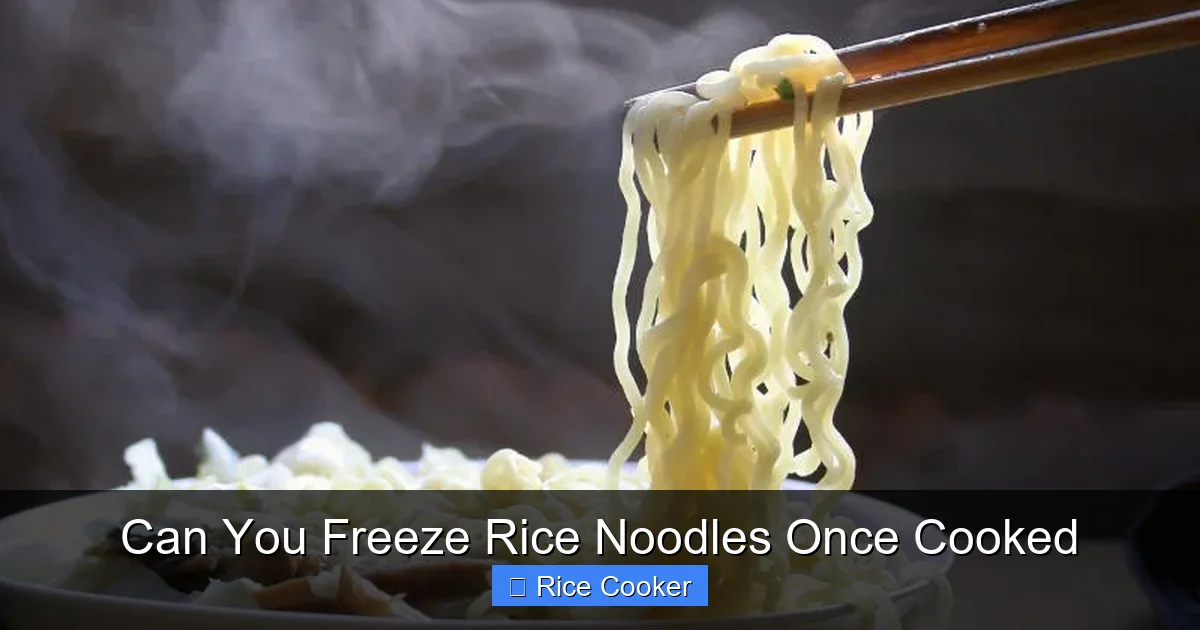
Visual guide about Can You Freeze Rice Noodles Once Cooked
Image source: reorganizeall.com
Step 1: Cool the Noodles Quickly
After cooking your rice noodles according to package instructions, drain them thoroughly. Then, spread them out on a baking sheet lined with parchment paper. Let them cool completely at room temperature—this usually takes about 20–30 minutes. Don’t skip this step! Adding hot noodles directly to the freezer can raise the temperature inside the container and affect other items.
Quick cooling also reduces the risk of bacterial growth, especially if you plan to freeze them within the next few hours.
Step 2: Prevent Clumping with Light Oil Coating
Rice noodles tend to stick together, especially after being drained. To prevent this, toss the cooled noodles with a light coating of neutral oil (like vegetable or sunflower oil). A teaspoon per serving is plenty. This creates a barrier between strands and keeps them separate in the freezer.
Alternatively, you can place a piece of parchment paper between layers if stacking multiple portions.
Step 3: Portion for Easy Use Later
Divide the noodles into manageable portions based on how you plan to use them. For example, one portion might be enough for a single stir-fry or a small bowl of soup. Use kitchen twine, reusable silicone bags, or small containers to mark individual servings.
Portioning helps you thaw only what you need, saving time and minimizing waste.
Step 4: Choose the Right Container or Bag
Airtight containers or heavy-duty freezer-safe ziplock bags work best. Make sure to squeeze out as much air as possible if using bags—air promotes freezer burn. Label each container with the contents and date. This is crucial because frozen rice noodles can last up to three months, but quality starts to decline after one month.
Pro tip: Use vacuum-sealed bags if you have access to a vacuum sealer. They offer superior protection against moisture and odor absorption.
Step 5: Flash Freeze for Best Texture
For optimal results, place the portioned noodles back onto the baking sheet and freeze them uncovered for 1–2 hours. This flash-freezing technique ensures each strand stays separate rather than forming one solid block. Once frozen solid, transfer them to your chosen storage bag or container.
This method mimics commercial freezing processes and preserves texture beautifully.
Storing Frozen Rice Noodles: Dos and Don’ts
Even after freezing, proper storage habits make a big difference in how long your rice noodles stay usable and tasty.
Do Keep Them in the Coldest Part of Your Freezer
The bottom shelf of the freezer is typically the coldest and most stable in temperature. Store your rice noodles there to minimize temperature fluctuations that could lead to ice crystal formation and degradation.
Don’t Freeze in Large Batches Without Portioning
Packing all your noodles into one container increases the chance of clumping and makes it harder to retrieve just what you need later. Smaller batches mean easier handling and faster thawing.
Do Rotate Stock Using the “First In, First Out” Rule
If you’ve been freezing noodles over time, always use the oldest batch first. Quality diminishes slightly with each passing month, even in ideal conditions.
Don’t Forget to Date Everything
Use a permanent marker to write the date on each container. Trust us—you’ll thank yourself when you open the freezer and see a labeled row instead of mystery bags.
Do Check for Freezer Burn Signs
If your noodles develop dry, discolored patches or unusual odors, it’s likely freezer burn. While still safe to eat, the texture may suffer. Trim affected areas before cooking if needed.
Thawing and Reheating Frozen Rice Noodles
The moment of truth: getting your frozen rice noodles back into action. Done right, they’ll taste almost as good as fresh—maybe even better, since they’ve absorbed extra time to develop flavor!
Method 1: Thaw in the Refrigerator (Slow & Safe)
For the gentlest approach, transfer your frozen noodles to the refrigerator and let them thaw overnight. This method works best if you’re planning ahead and don’t need the noodles immediately.
Once thawed, they’ll be slightly softer than fresh noodles, so adjust your cooking time accordingly.
Method 2: Microwave with Water (Fastest Option)
Place the frozen noodles in a microwave-safe dish. Add a splash of water (1–2 tablespoons) to create steam and prevent drying. Cover with a damp paper towel or lid. Microwave on medium power in 30-second intervals, stirring between each, until heated through and pliable. Total time usually ranges from 2–4 minutes depending on quantity.
Method 3: Boil Directly from Frozen
This is the most convenient method if you’re short on time. Bring a pot of salted water to a boil and add the frozen noodles. Stir occasionally and cook for 2–3 minutes less than the package recommends for fresh noodles. Drain and proceed with your recipe.
Note: This method is ideal for dishes where you’re cooking the noodles anyway, like stir-fries or soups.
Common Mistakes to Avoid When Reheating
- Overcooking: Rice noodles can become rubbery if boiled too long. Taste-test frequently.
- Skipping drainage: Always drain excess water after thawing or boiling to avoid diluting sauces.
- Using high heat without moisture: Dry microwaving leads to tough, chewy noodles.
Cooking Tips for Maximum Flavor and Texture
Even though you’ve frozen your rice noodles, you can still elevate their flavor profile with a few smart techniques.
Enhance Flavor During Cooking
When reheating, toss the noodles with a bit of soy sauce, fish sauce, or sesame oil while they’re still warm. These ingredients penetrate better when the noodles are slightly softened. For stir-fries, add them toward the end of cooking so they don’t turn to mush.
Pair with Moist Ingredients
Since frozen noodles absorb moisture slowly, combine them with saucy ingredients like coconut milk, tomato-based sauces, or broth-heavy dishes. This compensates for any dryness caused by freezing.
Experiment with Cold Applications
Thawed rice noodles shine in cold salads! Try them in Vietnamese summer rolls or a chilled noodle salad with herbs, lime, and peanuts. Their mild flavor pairs beautifully with fresh vegetables and tangy dressings.
Creative Ways to Use Frozen Rice Noodles
Don’t let your frozen noodles sit idle. Here are some inspired ideas to put them to use:
- Pad Thai: Toss thawed noodles with tamarind sauce, shrimp, tofu, bean sprouts, and crushed peanuts.
- Vietnamese Pho: Simmer in aromatic broth with star anise, cinnamon, and ginger for a comforting bowl.
- Spring Rolls: Soak briefly in warm water, then wrap with lettuce, carrot, and herbs in rice paper.
- Noodle Bowls: Layer with roasted veggies, protein, and your favorite sauce for a quick lunch.
- Fried Rice Noodles: Stir-fry with eggs, garlic, and bell peppers for a crispy, satisfying dish.
Are All Types of Rice Noodles Freezer-Friendly?
Most rice noodles freeze well, but performance can vary by type and brand. Here’s a quick breakdown:
- Flat rice sticks (kway teow): Excellent for freezing—great in stir-fries and soups.
- Round rice vermicelli: Thin and flexible; best used in soups or cold dishes.
- Wide rice noodles: Hold up well due to thickness; ideal for curries and braised dishes.
- Instant rice noodles (like those in cup noodle-style packs): May become overly soft when refrozen. Use within a week if possible.
If you’re unsure about a specific brand, test a small batch first. Freeze a portion, thaw it, and compare the texture to fresh noodles. If it’s too gummy or broken, adjust your storage method next time.
Comparing Rice Noodles to Other Noodle Types
While rice noodles are generally freezer-stable, how do they stack up against other popular noodles?
| Noodle Type | Freezer Stability | Best Uses After Freezing |
|---|---|---|
| Rice Noodles | Excellent | Stir-fries, soups, cold salads |
| Wheat Ramen | Fair (texture suffers) | Soup bases only |
| Linguine/Spaghetti | Poor (becomes gluey) | Not recommended |
| Udon (fresh) | Moderate | Braised dishes, hot pots |
| Glass noodles (mung bean) | Good | Stir-fries, dumplings |
As you can see, rice noodles rank among the best for freezing—especially compared to wheat-based options that lose structure when thawed.
Frequently Asked Questions About Freezing Rice Noodles
How long do frozen rice noodles last?
Properly stored cooked rice noodles can last up to 3 months in the freezer. For best quality, aim to use them within 1 month. After that, flavor and texture may begin to degrade.
Can you freeze rice noodles raw?
It’s not recommended to freeze uncooked rice noodles unless specified by the manufacturer. Raw noodles expand when frozen and can become mushy after thawing. Always cook them first, then freeze.
Do I need to blanch rice noodles before freezing?
No, blanching isn’t necessary since you’re already cooking them before freezing. Just make sure they’re fully cooked and cooled before storing.
Can I freeze rice noodles with sauce?
Yes, but only if the sauce is watery or broth-based. Creamy or thick sauces may separate or spoil. If freezing saucy dishes, add noodles to the sauce after thawing.
Will frozen rice noodles taste the same as fresh?
They won’t be identical, but with proper handling, they’ll retain much of their original texture and absorb flavors well during reheating. Many people prefer the taste of frozen noodles in certain dishes!
Can I refreeze rice noodles after thawing?
No, avoid refreezing rice noodles once thawed. Repeated freeze-thaw cycles cause significant textural damage and increase the risk of contamination. Always plan portions wisely.
Final Thoughts: Freeze Smart, Eat Better
Freezing cooked rice noodles is not only possible—it’s a game-changer for busy households, meal preppers, and anyone who loves Asian cuisine. With a little know-how, you can preserve your favorite noodles without sacrificing quality. From quick-cooling and oil-coating to flash-freezing and labeling, every step matters.
Remember, the goal isn’t just to save time—it’s to reduce waste and enjoy delicious meals whenever inspiration strikes. Whether you’re whipping up a spicy pad Thai on a Tuesday night or assembling fresh summer rolls on Sunday, having frozen rice noodles on standby makes it all possible.
So go ahead—freeze that extra batch today. Your future self will thank you when hunger calls and dinner needs to happen fast.
Frequently Asked Questions
How long do frozen rice noodles last?
Properly stored cooked rice noodles can last up to 3 months in the freezer. For best quality, aim to use them within 1 month. After that, flavor and texture may begin to degrade.
Can you freeze rice noodles raw?
It’s not recommended to freeze uncooked rice noodles unless specified by the manufacturer. Raw noodles expand when frozen and can become mushy after thawing. Always cook them first, then freeze.
Do I need to blanch rice noodles before freezing?
No, blanching isn’t necessary since you’re already cooking them before freezing. Just make sure they’re fully cooked and cooled before storing.
Can I freeze rice noodles with sauce?
Yes, but only if the sauce is watery or broth-based. Creamy or thick sauces may separate or spoil. If freezing saucy dishes, add noodles to the sauce after thawing.
Will frozen rice noodles taste the same as fresh?
They won’t be identical, but with proper handling, they’ll retain much of their original texture and absorb flavors well during reheating. Many people prefer the taste of frozen noodles in certain dishes!
Can I refreeze rice noodles after thawing?
No, avoid refreezing rice noodles once thawed. Repeated freeze-thaw cycles cause significant textural damage and increase the risk of contamination. Always plan portions wisely.