
Can you fry cooked rice? Absolutely! Frying leftover rice is not only possible but also a tasty and efficient way to transform yesterday’s meal into something new and exciting. Whether you’re making stir-fry, fried rice, or even breakfast hash, properly prepared rice holds up beautifully under heat and seasoning.
Key Takeaways
- Yes, cooked rice can be fried: It becomes crispy and delicious when heated properly with oil or butter.
- Best rice type for frying: Day-old, cooled rice works best because it’s drier and less sticky.
- Proper storage matters: Store leftover rice in airtight containers to prevent moisture buildup.
- Flavor enhancement: Add vegetables, proteins, soy sauce, garlic, and eggs to boost taste and nutrition.
- Safety first: Always reheat rice thoroughly to avoid foodborne illness.
- Versatility: Fried rice can be served as a main dish, side, or even a breakfast option.
- Tools help: A non-stick pan or wok makes frying easier and prevents sticking.
📑 Table of Contents
- Can You Fry Cooked Rice? The Answer and Why It Matters
- The Science Behind Frying Rice: Why Old Rice Wins
- Choosing the Right Rice for Frying
- Step-by-Step Guide to Frying Cooked Rice
- Creative Ways to Use Fried Rice
- Common Mistakes to Avoid
- Safety Considerations When Reheating Rice
- Health Benefits and Nutritional Notes
- Tips for Restaurant-Quality Fried Rice at Home
- Conclusion: Yes, You Can—And Should—Fry Cooked Rice
Can You Fry Cooked Rice? The Answer and Why It Matters
You’ve just finished a delicious dinner, and there’s a small pile of leftover rice sitting in your fridge. Instead of letting it go to waste, why not turn it into something even better? Yes, you can absolutely fry cooked rice, and doing so transforms bland leftovers into a flavorful, satisfying meal. Whether you’re making classic fried rice, a savory breakfast bowl, or an Asian-inspired stir-fry, frying rice is one of the most practical and tasty ways to reuse it.
In fact, fried rice has been a staple in many cuisines for centuries, especially in Chinese, Thai, and Japanese cooking. But here’s the thing: not all rice is created equal when it comes to frying. The key lies in how you prepare and store your rice before tossing it into the pan. With a few simple tips, you can master the art of frying cooked rice like a pro. In this article, we’ll walk through everything you need to know—from choosing the right rice to achieving that perfect golden crunch.
The Science Behind Frying Rice: Why Old Rice Wins
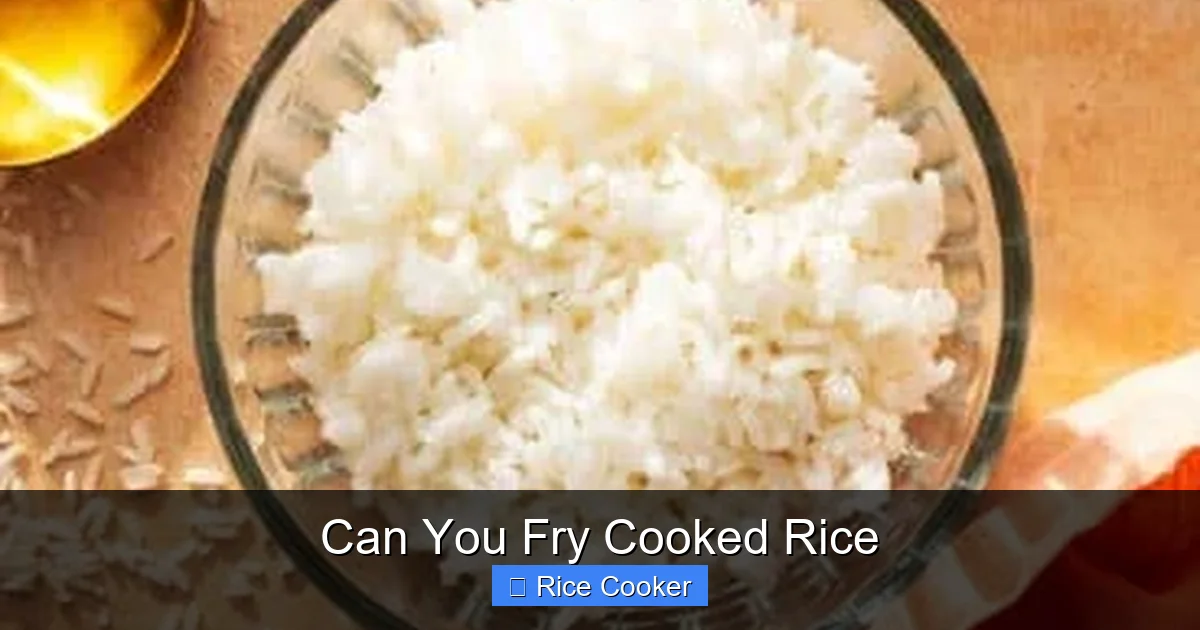
So, what makes day-old rice ideal for frying? It all comes down to starch content and moisture levels. Freshly cooked rice contains a lot of water and gelatinized starch, which causes grains to clump together. When you try to fry it straight from the pot, it tends to stick to the pan and become mushy. But after it cools and dries out slightly (usually within 24 hours), the starch recrystallizes, creating a firmer texture that holds its shape and develops a lovely crisp when heated.
Visual guide about Can You Fry Cooked Rice
Image source: acouplecooks.com
This process is known as retrogradation, and it’s what gives fried rice its signature bite. The drier grains don’t steam themselves as they cook, allowing each piece to brown and develop flavor instead of turning soggy. That’s why chefs and home cooks alike always recommend using leftover rice for stir-fries and fried dishes. If you don’t have leftovers on hand, simply spread freshly cooked rice on a baking sheet, let it cool uncovered for at least two hours, then store it in the fridge until needed.
Choosing the Right Rice for Frying
Not every variety of rice performs equally well when fried. Long-grain white rice, such as Jasmine or Basmati, is often preferred because of its light, fluffy texture and low starch content. This helps prevent the rice from becoming too gummy or gluey during frying. However, short-grain rice like sushi rice can work too—just be cautious, as it tends to be stickier.
Visual guide about Can You Fry Cooked Rice
Image source: m.media-amazon.com
If you’re making traditional Chinese fried rice, go with regular long-grain white rice. For a more fragrant twist, consider using Jasmine rice, which adds a subtle floral note to the dish. Avoid using brown rice unless you’re specifically looking for a heartier, nuttier flavor—brown rice takes longer to cook and may become overly dry or hard when fried. Also, remember to rinse your rice before cooking if your recipe calls for it; excess starch can lead to clumping even after cooling.
Storage Tips for Perfect Fried Rice
How you store your cooked rice directly impacts how well it will fry. After cooking, spread the rice evenly on a flat surface—like a baking sheet lined with parchment paper—and let it cool completely at room temperature for about an hour. Then transfer it to an airtight container and refrigerate. Storing rice uncovered allows moisture to escape, reducing the chance of mold or bacterial growth while keeping the grains separate.
Avoid sealing hot rice in a closed container—this traps steam and leads to sogginess. If you plan to freeze rice for later use, portion it into freezer-safe bags and press out as much air as possible before freezing. Frozen rice can be stored for up to three months and thawed overnight in the refrigerator before frying. Just make sure to bring it to room temperature before heating to ensure even cooking.
Step-by-Step Guide to Frying Cooked Rice
Now that you know why old rice is best, let’s get cooking. Here’s a foolproof method for frying rice that yields tender grains with a golden exterior and rich umami flavor.
Ingredients You’ll Need
- 2 cups cold, leftover rice (preferably day-old)
- 2 tablespoons vegetable oil or neutral oil (like canola or peanut)
- 2 cloves garlic, minced
- 1 small onion, finely chopped (optional)
- 1/2 cup mixed vegetables (peas, carrots, corn—frozen is fine)
- 2 large eggs, beaten
- 3 tablespoons soy sauce (or tamari for gluten-free)
- 1 teaspoon sesame oil (for aroma)
- Salt and pepper to taste
- Optional: green onions, chili flakes, or fresh herbs for garnish
Equipment Recommendations
Use a wide, shallow pan or wok for maximum surface area exposure. Non-stick pans work great for beginners, but cast iron or carbon steel woks provide superior heat retention and browning power. A spatula (preferably silicone or metal) is essential for scraping the bottom of the pan without damaging the coating.
Cooking Instructions
- Heat the oil: Place your pan over medium-high heat and add 1 tablespoon of oil. Once shimmering, add garlic and onion. Sauté for 30 seconds until fragrant.
- Add vegetables: Toss in frozen veggies and stir-fry for 2–3 minutes until warmed through.
- Push aside and scramble eggs: Create a clear space in the center of the pan and pour in beaten eggs. Scramble quickly until just set, then push the egg mixture to the edges.
- Add rice: Break apart any clumps in the rice with your hands or spatula. Add remaining oil if needed, then mix the rice into the pan with the eggs and vegetables.
- Season and stir-fry: Pour in soy sauce and sesame oil. Stir constantly for 3–4 minutes until rice turns golden and crispy around the edges.
- Taste and adjust: Season with salt and pepper as desired. Garnish with green onions or cilantro if you like.
- Serve immediately: Best enjoyed hot off the stove!
Creative Ways to Use Fried Rice
While traditional fried rice is delicious on its own, don’t limit yourself! This versatile base opens the door to endless variations. Try adding grilled chicken, shrimp, tofu, or even crispy bacon for protein. Swap soy sauce for oyster sauce, hoisin, or teriyaki for different flavor profiles. You can even make a vegetarian version with mushrooms, bell peppers, and broccoli.
For breakfast lovers, scrambled eggs and diced ham make excellent additions. Top with a fried egg on top for extra richness. Leftover roasted vegetables from last night’s dinner? Chop them up and fold them in. Got a bag of frozen dumplings? Steam or fry them alongside the rice for a complete meal. The possibilities are truly endless.
Breakfast Fried Rice Variations
Who says fried rice has to be dinner food? Swap savory ingredients for breakfast-friendly ones: diced potatoes, sautéed spinach, crumbled sausage, and a poached egg create a hearty morning dish. Add a dash of turmeric for color and anti-inflammatory benefits. Serve with a side of fruit or toast for balance.
Global Twists on Fried Rice
Japanese-style: Use mirin, dashi, and nori strips.
Thai-inspired: Stir in lime juice, fish sauce, and crushed peanuts.
Mexican fusion: Add black beans, corn, avocado, and a sprinkle of cotija cheese.
Indian-style: Mix in curry powder, garam masala, and steamed cauliflower.
Common Mistakes to Avoid
Even experienced cooks sometimes run into issues when frying rice. Here are some frequent pitfalls and how to fix them:
- Rice is too wet: Always use cold, dry rice. If your rice is still warm or damp, spread it out to cool first.
- Pan isn’t hot enough: High heat is crucial for browning. Let the pan get hot before adding oil.
- Overcrowding the pan: Cook in batches if necessary. Too much rice lowers the temperature and causes steaming instead of frying.
- Stirring too much: Give the rice time to develop crust at the bottom. Use gentle pressure with your spatula.
- Using the wrong oil: Choose oils with high smoke points like peanut, canola, or avocado oil.
What If My Rice Sticks to the Pan?
This usually happens when the pan isn’t hot enough or the rice isn’t dry. To rescue stuck rice, add a splash of water or broth and scrape gently with a wooden spoon. Alternatively, transfer the rice to a bowl and start over with fresh oil and higher heat.
Safety Considerations When Reheating Rice
It’s important to remember that rice can harbor spores of Bacillus cereus, a bacteria that produces toxins causing food poisoning. These spores survive normal cooking and can multiply if rice is left at room temperature for too long. That’s why proper handling is critical.
Never leave cooked rice sitting out for more than two hours (one hour if above 90°F/32°C). Refrigerate leftovers within 1–2 hours of cooking. When reheating, bring rice to a rolling boil for at least one minute or microwave until steaming hot throughout. Never reheat rice more than once.
Freezing Fried Rice Safely
Portioned portions of cooled fried rice freeze well for up to three months. Label containers with dates and contents. Thaw in the refrigerator overnight before reheating. Reheat in a skillet with a bit of oil to restore crispness, or in the microwave with a damp paper towel to prevent drying out.
Health Benefits and Nutritional Notes
When made with wholesome ingredients, fried rice can be a nutritious meal. Whole grains offer fiber, B vitamins, and sustained energy. Adding vegetables increases vitamin and mineral intake, while lean proteins support muscle health. Sesame oil provides healthy fats and antioxidants.
To keep it balanced, watch portion sizes and avoid excessive sodium from soy sauce. Opt for low-sodium versions or dilute regular soy sauce with water. For a lighter option, reduce oil by half and use a non-stick spray. Vegans and vegetarians can enjoy fried rice by skipping animal products and using plant-based sauces.
Tips for Restaurant-Quality Fried Rice at Home
Want your fried rice to taste like it came from a high-end restaurant? Follow these pro tricks:
- “Char” the rice: Let some edges brown slightly for depth of flavor.
- Layer flavors: Start with aromatics (garlic, ginger), then add protein, then rice.
- Use a mortar and pestle: Crush garlic and spices for intense release of flavor.
- Deglaze the pan: Add a splash of broth or wine to lift fond (browned bits) for extra savoriness.
- Garnish boldly: Crispy shallots, fresh chilies, or edible flowers elevate presentation.
Perfect Texture Every Time
Aim for individual grain separation—no mush, no clumping. If your rice ends up sticky, it’s likely due to moisture. Spread it out next time to cool faster and store loosely covered.
Conclusion: Yes, You Can—And Should—Fry Cooked Rice
So, can you fry cooked rice? The answer is a resounding yes—and now you know exactly how to do it right. From understanding why day-old rice works best to mastering the technique, frying rice is both simple and deeply rewarding. It’s a sustainable way to reduce food waste, stretch your grocery budget, and create meals that are packed with flavor and texture.
Whether you’re whipping up a quick weeknight dinner or experimenting with global cuisines, fried rice is a reliable, adaptable foundation. With the right tools, ingredients, and mindset, you can turn ordinary leftovers into extraordinary dishes. So next time you’ve got a container of cooled rice in the fridge, don’t hesitate—grab your wok, heat up that oil, and get frying. Your taste buds (and your kitchen) will thank you.
Frequently Asked Questions
Can you fry rice immediately after cooking?
Technically yes, but it won’t give you the best results. Freshly cooked rice is too moist and sticky, causing it to clump and steam rather than fry. Letting it cool and dry slightly improves texture and browning.
Why does my fried rice stick to the pan?
Sticking usually happens when the pan isn’t hot enough or the rice is too wet. Make sure your pan reaches medium-high heat before adding oil, and always use cold, dry rice. Don’t overcrowd the pan either.
Can I use instant rice for fried rice?
Yes, instant rice works well because it’s already partially dried during processing. Just follow the same steps: cool it completely before frying and avoid overcooking.
How long can I store leftover rice in the fridge?
Refrigerated rice should be used within 3–5 days for optimal safety and quality. Always check for unusual smells or textures before cooking.
Is fried rice healthier than boiled rice?
Fried rice can be part of a healthy diet when made with good oils, vegetables, and lean proteins. However, extra oil and added sodium from soy sauce mean it’s best enjoyed in moderation.
Can I freeze fried rice?
Absolutely! Portion cooled fried rice into freezer bags and store for up to 3 months. Thaw in the refrigerator and reheat thoroughly before serving.