
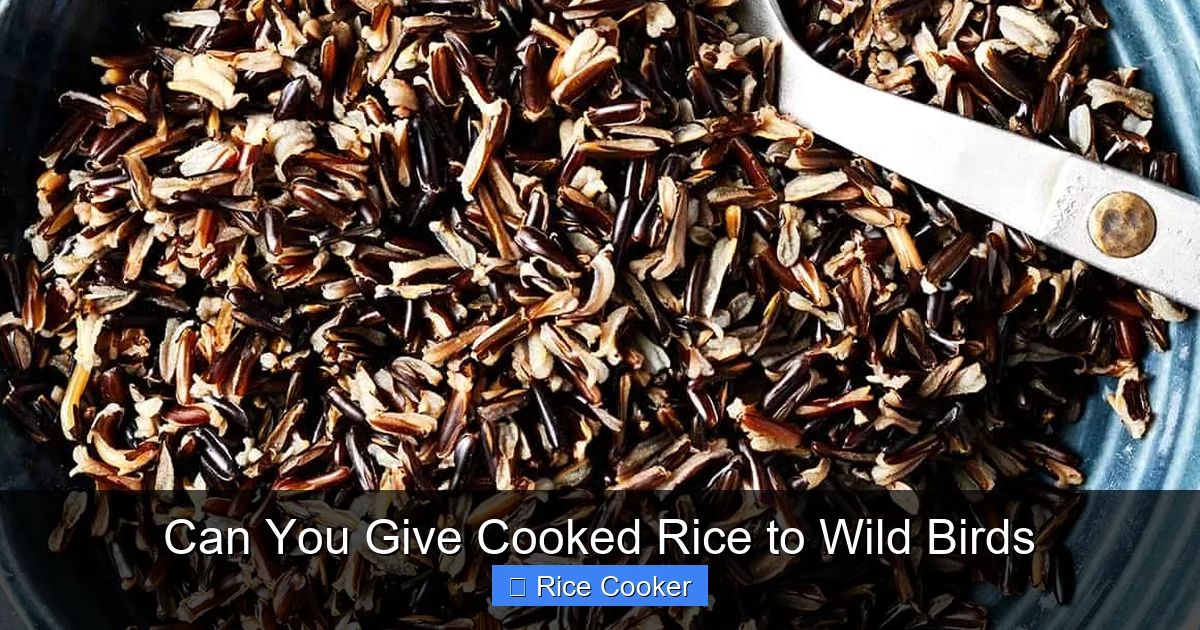
Can you give cooked rice to wild birds? Yes, but only in moderation and without seasoning or oil. Cooked white rice can be a safe occasional treat for some bird species, especially during winter months when natural food sources are scarce. However, raw rice poses serious risks due to its potential to expand in a bird’s digestive system. Always offer plain, cooled rice in small amounts to avoid choking or nutritional imbalance.
Have you ever seen a flock of sparrows or pigeons pecking at discarded rice grains near a park or roadside? It might seem like they’re enjoying a gourmet meal, but have you ever wondered: Can you give cooked rice to wild birds? The short answer is yes—but with important caveats. Understanding what’s safe, what’s not, and how to offer food responsibly can make a big difference in the health of local wildlife.
Birds are fascinating creatures with unique dietary needs, and while we humans enjoy rice as a staple food, our digestive systems aren’t the same as theirs. Feeding wild birds isn’t just about tossing out leftovers—it’s about doing so in a way that supports their survival without disrupting their natural behaviors or causing harm. In this comprehensive guide, we’ll explore everything you need to know about feeding cooked rice to wild birds, from safety concerns to best practices and alternatives.
Whether you’re a nature enthusiast, a concerned neighbor, or someone who simply wants to help the birds in your backyard, this article will give you the knowledge to make informed decisions. Let’s dive in and uncover the truth behind one of the most common bird-feeding questions.
Key Takeaways
- Cooked rice is generally safe: Plain, unseasoned, and cooled cooked rice can be given to wild birds as an occasional food source.
- Avoid raw rice: Raw rice expands when wet and can cause blockages or internal injuries in birds—never feed it uncooked.
- Limit portion sizes: Rice should not exceed 10% of a bird’s diet. Overfeeding can lead to malnutrition or digestive issues.
- No salt or seasonings: Never add salt, butter, garlic, or any other seasoning—these are toxic to birds.
- Best times to offer: Early morning or late afternoon is ideal; keep feeders clean and refill regularly to prevent spoilage.
- Not all birds eat rice: While sparrows, doves, and some waterfowl may nibble on rice, others prefer seeds, insects, or fruits.
- Use as supplemental food: Think of rice as a temporary aid during harsh weather, not a long-term food source.
📑 Table of Contents
- Understanding Bird Diets: What Do Wild Birds Actually Eat?
- Is Cooked Rice Safe for Wild Birds?
- When Is It Appropriate to Feed Cooked Rice to Wild Birds?
- How to Properly Prepare and Serve Cooked Rice to Birds
- Risks and Downsides of Feeding Cooked Rice to Birds
- Alternatives to Rice: Better Foods for Wild Birds
- Ethical Considerations in Bird Feeding
- Conclusion: Responsible Feeding Makes a Difference
Understanding Bird Diets: What Do Wild Birds Actually Eat?
Before deciding to feed cooked rice to wild birds, it’s essential to understand what they naturally consume in the wild. Birds have evolved over millions of years to eat specific types of food depending on their species, habitat, and time of year. For example, seed-eating birds like finches and sparrows thrive on a diet rich in sunflower seeds, millet, and cracked corn. In contrast, insectivorous birds such as robins and bluebirds rely heavily on worms, beetles, and larvae.
During breeding season, many birds increase their protein intake to fuel egg production and feed their young. This means they need more insects, spiders, and even small invertebrates. In winter, when food is scarce, birds become more dependent on human-provided resources like bird feeders and scattered grains.
Rice, particularly cooked white rice, is not a natural part of most birds’ diets. However, it has become a familiar sight in urban and suburban areas where people discard leftover rice after meals. While it may seem harmless, offering food requires careful thought. Not every grain is suitable, and not every bird will accept it.
The Role of Human Food in Nature
For centuries, humans have interacted with wildlife by providing food. From feeding ducks in ponds to scattering breadcrumbs for pigeons, these acts have become ingrained in cultural traditions. But what started as a kind gesture can sometimes do more harm than good. Bread, for instance, is often cited as a poor food choice for waterfowl because it lacks nutritional value and can fill birds up without providing real sustenance.
Similarly, while cooked rice may appear nutritious, it’s primarily carbohydrates and lacks the fats, proteins, and vitamins that birds need to stay healthy. Still, in certain situations—like during cold snaps or food shortages—a small amount of rice can serve as a temporary energy boost.
The key is balance. Offering rice occasionally, without replacing essential foods, can be a helpful supplement rather than a crutch. It’s also important to recognize that some birds, like house sparrows and rock doves (pigeons), are highly adaptable and may readily take to rice if offered. Others, such as hummingbirds or nuthatches, are unlikely to show interest.
Is Cooked Rice Safe for Wild Birds?
Visual guide about Can You Give Cooked Rice to Wild Birds
Image source: meanderingwild.com
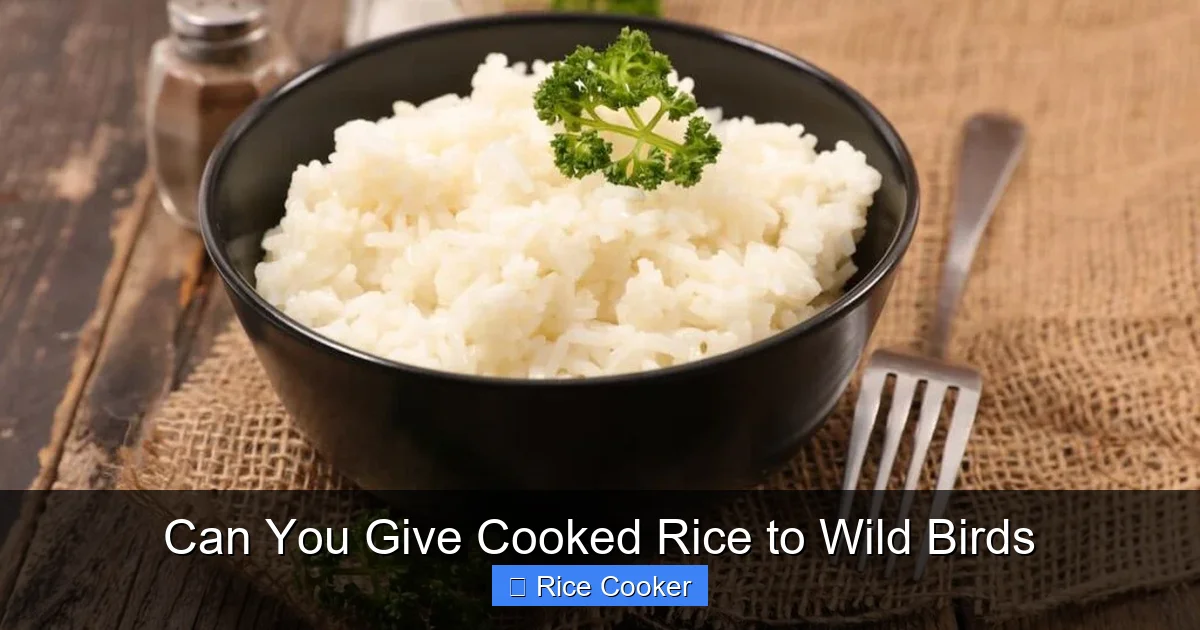
Let’s get straight to the point: cooked rice is generally safe for wild birds when prepared correctly. Unlike raw rice, which can expand inside a bird’s digestive tract and cause blockages, cooked rice has already been processed and softened. This makes it easier to digest and significantly reduces the risk of injury.
However, safety depends entirely on how the rice is cooked and served. Never feed birds rice that contains salt, oil, spices, or other seasonings. These additives are harmful to birds and can lead to dehydration, kidney damage, or even death. Butter, garlic, onion, and MSG are especially dangerous.
Another critical factor is temperature. Hot rice can burn a bird’s mouth or esophagus. Always let rice cool completely before placing it near birds or in a feeder. A simple test: touch the rice with your finger—if it feels warm, wait until it reaches room temperature.
Common Misconceptions About Rice and Birds
There’s a widespread myth that raw rice expands in a bird’s stomach and kills them. While it’s true that uncooked rice absorbs liquid and swells, the reality is more nuanced. Birds don’t typically swallow large quantities of dry rice, and even if they did, their digestive systems are designed to process small amounts of grain. The real danger comes from improper preparation—such as adding salt or oil—not the rice itself.
Another misconception is that all birds can eat rice equally well. In truth, rice appeals mainly to ground-foraging birds like sparrows, doves, and some thrushes. Woodpeckers, warblers, and raptors won’t touch it. Understanding which birds visit your area helps you tailor your offerings.
Lastly, some people believe that feeding birds makes them dependent on humans. While over-reliance is a concern, occasional feeding—especially in winter—can support birds during tough times without undermining their ability to find food independently.
When Is It Appropriate to Feed Cooked Rice to Wild Birds?
Visual guide about Can You Give Cooked Rice to Wild Birds
Image source: m.media-amazon.com
Knowing when to offer rice is just as important as knowing how to prepare it. The best time to feed cooked rice is during periods of food scarcity, such as late fall or early spring when natural seeds and insects are hard to find. Cold weather increases a bird’s caloric needs, and a small amount of easily digestible carbohydrate can provide quick energy.
You might also consider offering rice during nesting season, especially if you notice birds struggling to find enough protein-rich food. However, remember that rice should never replace their primary diet. It’s meant to supplement, not substitute.
Avoid feeding rice during hot summer months. High temperatures can cause rice to spoil quickly, leading to mold growth or bacterial contamination. Moldy food can sicken birds and attract pests like ants or rodents.
Practical Scenarios: When to Offer Rice
Imagine you’re walking through a neighborhood park on a snowy morning. You see a small group of sparrows hopping near a patch of grass. If you have some plain, cooled rice in a shallow dish, you could scatter a few grains nearby. Just don’t overdo it—two tablespoons per day for a small flock is plenty.
In another scenario, you might have leftover rice from dinner. Instead of throwing it away, place a small portion in a birdbath or on a clean tray. Monitor the site for a few minutes to see if any birds approach. If they do, great! If not, it’s okay—not all birds will be interested.
Always clean up uneaten rice within a few hours. Spoiled food can attract unwanted animals and create a mess.
How to Properly Prepare and Serve Cooked Rice to Birds
Preparation is key to ensuring that the rice you offer is both safe and appealing to birds. Follow these steps for the best results:
Start with plain, white rice. Brown rice is higher in fiber and nutrients, but it takes longer to cook and may not be as palatable to birds. Stick to white rice unless you’re sure the birds will accept it.
Cook the rice without any additives. Use only water—no salt, butter, cheese, or herbs. Even a pinch of salt can be toxic to birds.
Let the rice cool completely. Birds are sensitive to heat, and serving hot rice can cause burns or discourage them from eating.
Break larger clumps into smaller pieces. Birds have small beaks and prefer bite-sized grains. Use your fingers or a fork to flake the rice gently.
Serve in a shallow container. A flat dish, birdbath, or even a piece of bark works well. Avoid deep bowls that might trap water or make it hard for birds to access the food.
Place the rice in a safe location. Choose an open area near trees or shrubs where birds feel secure but predators can’t easily ambush them. Keep it away from direct sunlight or heavy foot traffic.
Monitor usage. Check the area daily and remove uneaten rice after a few hours to prevent mold or insect infestations.
Creative Serving Ideas
If you want to make feeding more engaging, try mixing rice with other bird-friendly foods. For example, combine rice with crushed peanuts (unsalted and shelled) or chopped dried fruit. This creates a varied meal that mimics a natural foraging experience.
You can also scatter rice along garden paths or near bird feeders as a “scatter feed” method. This encourages birds to search for food, mimicking their wild behavior.
For waterfowl like ducks or geese, spread rice in shallow water. They love diving slightly to reach it, making mealtime more active and fun.
Risks and Downsides of Feeding Cooked Rice to Birds
While cooked rice is generally safe, there are several risks to consider. Overfeeding is the most common issue. Birds have tiny stomachs and high metabolisms. Too much rice can displace more nutritious foods in their diet, leading to deficiencies in calcium, protein, or fat.
Another concern is dependency. Regular access to easy food can reduce a bird’s motivation to forage, potentially weakening their survival skills. In extreme cases, this can make them vulnerable if human food sources disappear.
Spoilage is also a problem. Rice left out too long can grow mold, especially in humid climates. Mold spores are toxic and can cause respiratory issues in birds. Always remove uneaten portions within two hours.
Finally, feeding can disrupt natural behaviors. Birds may gather in large groups around human food sources, increasing the risk of disease transmission. Crowded feeding areas can also attract predators like cats or hawks.
Recognizing Signs of Distress
If you notice birds acting unusually—such as lethargy, difficulty flying, or gathering in large numbers—stop feeding immediately and contact a local wildlife rehabilitator. These could be signs of illness or poisoning.
Keep a log of when and where you feed, the type of food used, and the number of birds observed. This information can help experts identify patterns or outbreaks.
Alternatives to Rice: Better Foods for Wild Birds
While rice can be a temporary solution, there are far better options for supporting bird health. Consider these alternatives:
Sunflower seeds: High in fat and protein, these are favorites among cardinals, finches, and chickadees.
Cracked corn: Ideal for ground feeders like quail and pheasants.
Millet: A staple in many commercial mixes, loved by sparrows and doves.
Peanuts: Unsalted and unshelled, these are excellent for woodpeckers and jays.
Dried fruits: Raisins or cranberries (unsweetened) can be offered occasionally for variety.
Insects: During breeding season, live mealworms or waxworms provide essential protein.
Fruit slices: Apples, oranges, or berries can attract robins, orioles, and waxwings.
Offering a mix of these foods ensures birds receive balanced nutrition throughout the year.
Building a Bird-Friendly Garden
Instead of relying on single foods like rice, create a bird-friendly environment. Plant native shrubs, install nesting boxes, and leave leaf litter in corners. These actions support whole ecosystems and provide birds with diverse, natural food sources.
Water features are also crucial. Birds need clean water for drinking and bathing. A simple birdbath with fresh water and a gentle slope encourages visits.
Ethical Considerations in Bird Feeding
Feeding wild birds raises ethical questions. On one hand, helping animals survive winter or drought seems compassionate. On the other, interference can have unintended consequences. Overpopulation, disease spread, and behavioral changes are real risks.
The principle of minimal intervention suggests that humans should assist only when necessary and in ways that don’t compromise natural processes. For most backyard birders, this means occasional feeding with care and restraint.
Transparency is also important. Share what you learn with neighbors. Encourage responsible practices and discourage harmful habits like feeding bread or chocolate.
Community Impact
When multiple households feed birds irresponsibly, it can lead to overcrowding and resource competition. In cities, this may result in aggressive behavior or increased predation. By following best practices individually, we contribute to healthier bird populations overall.
Local ordinances may regulate bird feeding in parks or public spaces. Always check with your municipality before setting up feeders or scatter-feeding in communal areas.
Conclusion: Responsible Feeding Makes a Difference
So, can you give cooked rice to wild birds? Absolutely—but only if done thoughtfully. Plain, cooled, unseasoned rice can be a safe and welcome treat during times of need. It’s not a substitute for proper nutrition, but it can offer a little extra energy when natural food is scarce.
The goal isn’t to turn birds into human dependents. It’s to support them during challenging seasons, enrich their lives, and deepen our connection to nature. With the right knowledge and care, feeding wild birds becomes a rewarding act of stewardship.
Remember: every grain counts. Choose quality over quantity, safety over convenience, and sustainability over short-term fixes. By doing so, you’re not just feeding birds—you’re helping preserve the delicate balance of our shared world.
Frequently Asked Questions
Can wild birds eat brown rice instead of white rice?
Yes, brown rice is safer than raw rice and can be fed to wild birds, though it’s lower in fat and higher in fiber. Cook it plain and cool it before serving. However, white rice remains a better option due to its higher energy content.
How much cooked rice should I give to wild birds each day?
Limit rice to no more than 10% of a bird’s total diet. For a small flock, offer about two tablespoons spread over several locations. Avoid overfeeding to prevent malnutrition or dependency.
Will feeding rice attract pests like rats or insects?
Yes, if rice is left out too long or in large quantities, it can attract pests. Always remove uneaten portions within a few hours and store excess rice properly to minimize risks.
Can baby birds eat cooked rice?
No, baby birds require high-protein diets rich in insects or specialized formulas. Cooked rice lacks the nutrients needed for growth and should never be given to nestlings.
Is it okay to mix rice with other foods for birds?
Yes, combining rice with bird-safe items like unsalted peanuts, dried fruit, or seeds creates a more varied and nutritious meal. Just ensure nothing is seasoned or toxic.
Should I stop feeding birds once spring arrives?
Not necessarily. While natural food sources return in spring, continue offering food until local plants produce abundant seeds and insects. Gradually reduce feeding as birds become self-sufficient.