
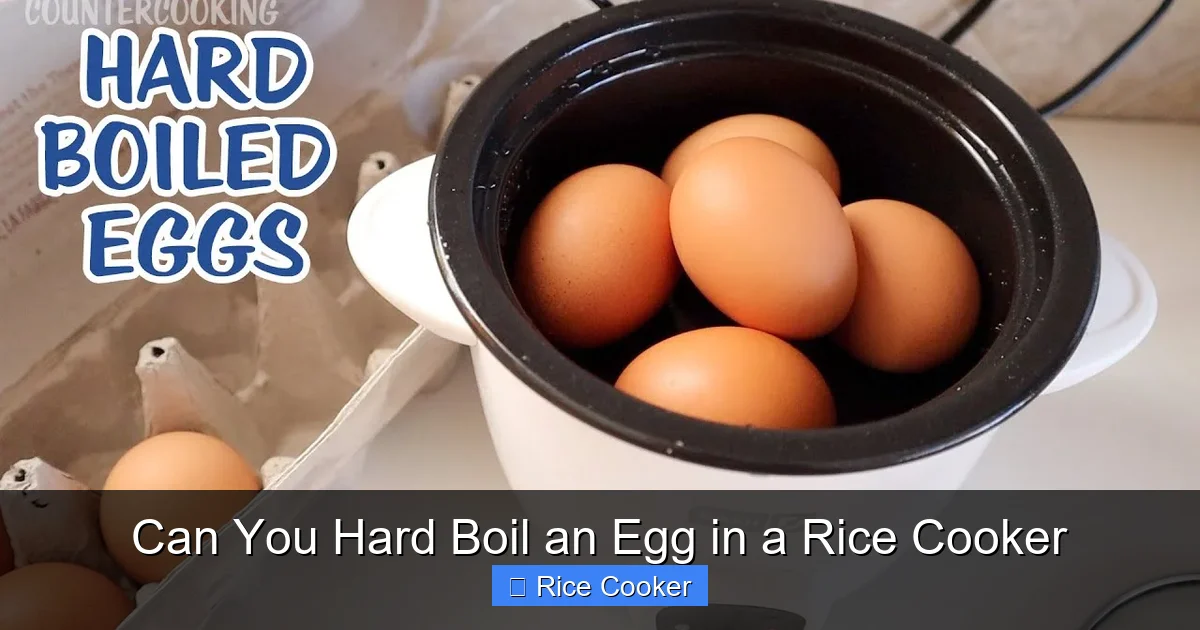
You absolutely can hard boil an egg in a rice cooker—and it’s one of the easiest kitchen hacks you’ll ever try. With just water, time, and a little patience, you can make perfectly cooked eggs every time without heating up your stovetop. Whether you’re meal prepping, making deviled eggs, or craving a protein-rich snack, this method is quick, foolproof, and saves energy.
Key Takeaways
- It’s possible and surprisingly easy: You don’t need a stovetop—your rice cooker can do the job just as well.
- No special tools required: A standard rice cooker with a steamer basket works perfectly for boiling eggs.
- Consistent results: The steady heat of a rice cooker helps produce evenly cooked eggs with minimal risk of cracking.
- Saves time and energy: Boil multiple eggs at once while your rice cooker makes dinner, cutting down on total cooking time.
- Great for meal prep: Hard-boiled eggs are a staple in salads, snacks, and breakfast bowls—this method ensures you always have them ready.
- Customizable doneness: Adjust timing to get soft-boiled, medium, or hard-boiled eggs based on your preference.
- Safe and convenient: No open flames or hot surfaces nearby means fewer spills and safer handling for kids and pets.
📑 Table of Contents
- Can You Hard Boil an Egg in a Rice Cooker?
- The Science Behind Hard-Boiling Eggs
- What You’ll Need to Hard-Boil Eggs in a Rice Cooker
- Step-by-Step Guide: How to Hard-Boil Eggs in a Rice Cooker
- Tips for Perfect Hard-Boiled Eggs Every Time
- Troubleshooting Common Issues
- Beyond Hard-Boiled: Other Egg Cooking Methods in a Rice Cooker
- Environmental and Practical Benefits of Using a Rice Cooker
- Frequently Asked Questions
- Final Thoughts: Why This Hack Deserves a Spot in Your Kitchen
Can You Hard Boil an Egg in a Rice Cooker?
Imagine this: It’s 7 a.m., you’re scrambling to get breakfast ready before heading out the door, and all you really want is a simple, protein-packed hard-boiled egg. You reach for the carton—only to find you’re down to your last two. Frustrating, right? But what if I told you there’s a way to hard-boil eggs quickly and efficiently using a kitchen appliance you already own—your rice cooker?
Yes, you read that correctly. You can hard boil an egg in a rice cooker, and it’s not only possible but also one of the most underrated kitchen tricks out there. This method is especially handy for busy mornings, meal prep warriors, or anyone who loves eggs but hates the hassle of monitoring a pot on the stove. In fact, many home cooks swear by this technique because it’s hands-off, consistent, and requires no extra equipment.
In this article, we’ll walk you through everything you need to know about boiling eggs in a rice cooker—from setup and timing to troubleshooting common issues. Whether you’re a beginner cook or a seasoned pro looking to expand your repertoire, this guide will show you how to make perfect hard-boiled eggs (and even soft-boiled ones!) with minimal effort.
The Science Behind Hard-Boiling Eggs
How Heat Transforms Eggs
Before diving into the rice cooker method, let’s briefly talk about what actually happens when you hard-boil an egg. Eggs are made up of proteins and fats that react differently to heat. When you apply heat, the proteins in the egg white begin to denature—that means they unravel and then re-form into a solid structure. This process starts around 144°F (62°C) for egg whites and 149°F (65°C) for yolks.
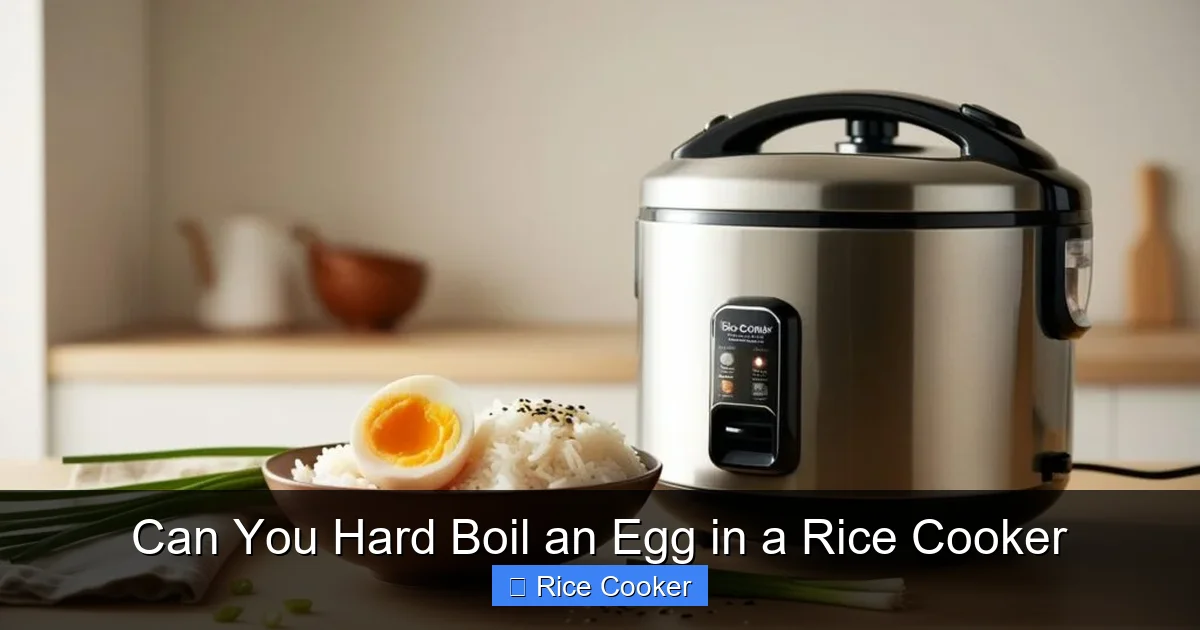
Visual guide about Can You Hard Boil an Egg in a Rice Cooker
Image source: toolsofkitchen.com
For a hard-boiled egg, you want both the white and yolk to fully coagulate. That typically takes place between 180°F and 212°F (82°C to 100°C), depending on altitude and egg size. The key is consistent, gentle heating—too fast or too hot, and you risk cracking the shell or creating a greenish-gray ring around the yolk due to iron and sulfur reactions.
A rice cooker provides exactly that kind of stable environment. Unlike a stovetop, which can fluctuate in temperature or cause hot spots, the rice cooker maintains a steady simmer throughout the cooking cycle. This consistency is why many people prefer this method over traditional boiling.
Why Use a Rice Cooker Instead of a Pot?
Let’s face it: boiling eggs on the stove isn’t always convenient. You have to keep an eye on the water level, stir occasionally to prevent sticking, and remove the eggs at just the right moment. One mistake, and your perfect soft-boiled egg becomes rubbery or undercooked.
With a rice cooker, you simply add water, place the eggs in the steamer basket, press start, and wait. There’s no babysitting required. Plus, rice cookers often come with non-stick inner pots and built-in timers, making cleanup a breeze. And since you can cook multiple eggs at once—up to six or more, depending on your model—it’s ideal for families or batch cooking.
Another advantage? Energy efficiency. Rice cookers use less power than stovetops, especially electric burners. So not only are you saving time, but you’re also reducing your carbon footprint—one hard-boiled egg at a time.
What You’ll Need to Hard-Boil Eggs in a Rice Cooker
Essential Equipment
Don’t worry—you don’t need any fancy gadgets or attachments. Here’s what you’ll need:
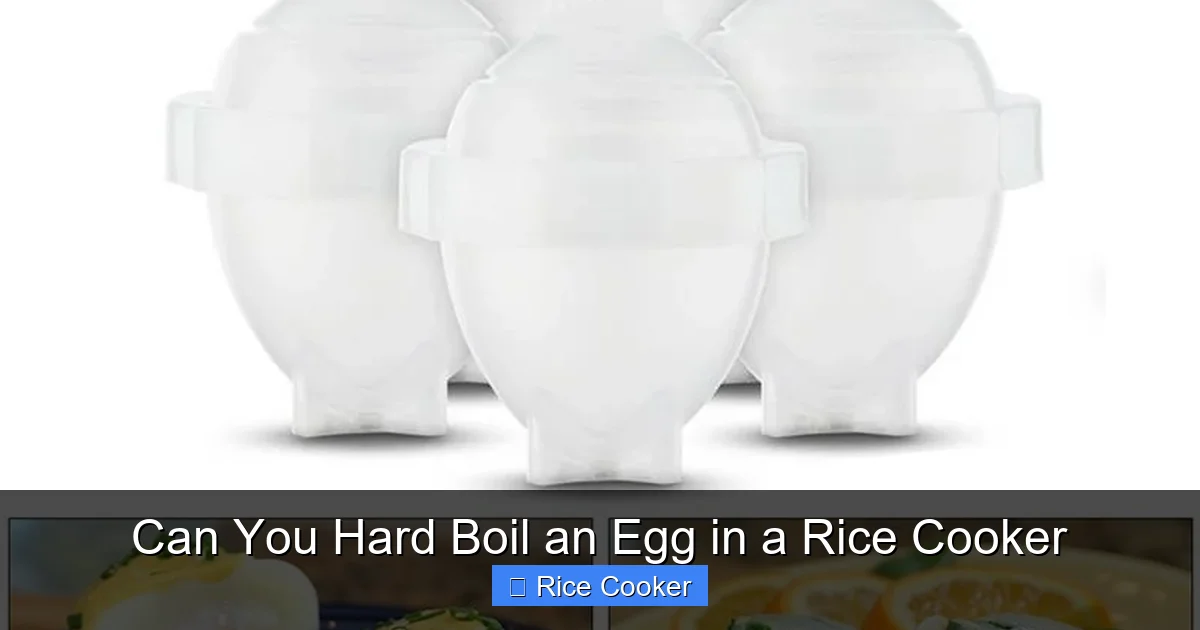
Visual guide about Can You Hard Boil an Egg in a Rice Cooker
Image source: images.nexusapp.co
- A standard rice cooker (preferably one with a steamer basket)
- Fresh eggs (ideally within two weeks of purchase)
- Water (about 1–1.5 inches deep in the base)
- Steamer basket or trivet (usually included with your rice cooker)
- Tongs or spoon for removing eggs safely
- Ice bath container (a bowl filled with ice and water)
If your rice cooker doesn’t have a steamer basket, you can improvise by placing the eggs directly in the inner pot—just make sure they’re not touching each other or the sides. However, using the steamer basket is safer and prevents eggs from rolling around during the boil.
Choosing the Right Eggs
Not all eggs are created equal when it comes to boiling. Freshness matters! Older eggs tend to crack more easily because their air pockets expand as they age, creating pressure inside the shell. For best results, use eggs that are no more than two weeks old.
That said, if you only have older eggs on hand, don’t panic. Just handle them gently and consider adding a pinch of salt to the water—it helps strengthen the shell slightly. Also, room-temperature eggs work better than cold ones straight from the fridge, as sudden temperature changes increase cracking risk.
Step-by-Step Guide: How to Hard-Boil Eggs in a Rice Cooker
Prep Your Rice Cooker
Start by filling your rice cooker’s inner pot with about 1 to 1.5 inches of cold water. Don’t use hot water—it could shock the eggs and cause cracks. Make sure the water level is low enough that it won’t touch the eggs when they’re placed in the steamer basket.
Next, insert the steamer basket into the pot. If your model doesn’t include one, you can buy a universal stainless steel steamer basket online or even repurpose a metal colander.
Add the Eggs
Gently place your eggs in the steamer basket. Space them out so they aren’t touching—this reduces the chance of shells breaking. Aim for no more than 6 eggs at a time; overcrowding leads to uneven cooking and increased risk of breakage.
Pro tip: Before placing eggs in the basket, give them a gentle tap on the counter to loosen any loose shells. This makes peeling much easier later on.
Cooking Time and Settings
Now here’s where timing comes into play. Most rice cookers don’t have a dedicated “egg” setting, so you’ll use the regular “cook” or “boil” function. Press start and let the machine do its thing.
For **hard-boiled eggs**, allow **12–15 minutes** after the water reaches a full boil. Smaller eggs may take closer to 12 minutes, while jumbo eggs might need up to 15. Once the timer ends, immediately transfer the eggs to an ice bath using tongs or a slotted spoon. This stops the cooking process and makes peeling significantly easier.
If you prefer **soft-boiled eggs** (runny yolks, creamy whites), reduce the cooking time to **6–8 minutes**. Test one egg after 6 minutes by spinning it on a flat surface—if it wobbles slightly, it’s done!
Cooling Down: Why an Ice Bath Is Crucial
You might wonder why we plunge eggs into ice water right after cooking. The answer lies in thermal shock. Rapid cooling causes the egg to contract, pulling it away from the membrane inside the shell. Without this step, peeling becomes a frustrating ordeal of tearing and leaving bits of white behind.
Leave the eggs in the ice bath for at least 5–10 minutes, though 15 minutes yields the best peeling results. After that, roll the eggs gently on your counter before peeling under running water—the combination of coolness and moisture helps separate the shell cleanly.
Tips for Perfect Hard-Boiled Eggs Every Time
Timing Is Everything
Overcooking ruins even the best eggs. If left on too long, the proteins become tough and rubbery. Undercooking leaves you with runny yolks and slimy whites. Stick to the recommended times, and always test one egg if you’re unsure.
Use Older Eggs for Easier Peeling (Sometimes!)
Wait—what?! Didn’t I just say fresh eggs are better? Well, yes and no. While fresh eggs hold up better during cooking, slightly older eggs (about 7–10 days past the sell-by date) actually peel more easily because the pH level rises over time, loosening the membrane. Try both methods and see which you prefer.
Add Vinegar to Prevent Cracking
Adding a teaspoon of white vinegar to the water can help seal tiny cracks in the shell before they worsen. This is especially useful if you’re using older eggs or cooking at high altitudes where water boils faster.
Cook Multiple Eggs Simultaneously
One of the biggest perks of using a rice cooker? Batch cooking. You can hard-boil 6–8 eggs while your rice cooker makes quinoa or steamed broccoli. Plan ahead by storing peeled eggs in an airtight container in the fridge for up to one week.
Experiment with Flavored Eggs
Want something beyond plain hard-boiled eggs? Try infusing flavor during cooking! Add bay leaves, garlic cloves, or a splash of soy sauce to the water before boiling. Or marinate peeled eggs in mustard, sriracha, or herb-infused oil after cooking for a tasty twist.
Troubleshooting Common Issues
Eggshells Won’t Peel
If your eggs are stubborn to peel, double-check these factors:
- Are you using room-temperature eggs?
- Did you cool them properly in an ice bath?
- Could your eggs be too fresh? Try letting them sit for a few days.
Also, avoid vigorous scrubbing—peel gently under cool water while massaging the shell.
Green Ring Around Yolk
This grayish-green layer forms when sulfur in the egg reacts with iron in the yolk under high heat and extended cooking times. To prevent it, avoid boiling eggs longer than necessary and never store hard-boiled eggs in the fridge—they absorb odors and develop the ring faster.
Eggs Are Rubbery or Watery
Rubbery texture = overcooked. Watery whites or runny yolks = undercooked. Adjust your timing next time, and remember that smaller eggs cook faster than large ones.
Beyond Hard-Boiled: Other Egg Cooking Methods in a Rice Cooker
Soft-Boiled Eggs
As mentioned earlier, soft-boiled eggs require shorter cooking times—typically 6–8 minutes. These are perfect for dipping toast in or enjoying with a sprinkle of salt and pepper.
Peggy Eggs (No Shell!)
Ever tried peeled hard-boiled eggs? Known as “peggy” eggs (short for “peeled”), they’re great for snacking or adding to salads without dealing with shells. Simply peel them right after cooling.
Deviled Eggs Made Easy
Hard-boiled eggs are the star of deviled eggs. After peeling, slice them in half, scoop out the yolks, mix with mayo, mustard, and spices, then pipe back into the whites. Store in the fridge for up to three days.
Boiled Eggs for Ramen or Salads
Crumbled hard-boiled eggs top everything from ramen bowls to Cobb salads. They add protein, creaminess, and visual appeal—all in one bite.
Environmental and Practical Benefits of Using a Rice Cooker
Beyond convenience, using a rice cooker for eggs has eco-friendly advantages. Electric rice cookers consume far less energy than gas stoves or electric burners. Plus, they eliminate the need for disposable egg cartons if you buy in bulk—though that’s optional!
Meal preppers love this method because it allows for efficient, repeatable results. Want six perfect eggs for Sunday brunch? Set your rice cooker Saturday night, wake up to ready-to-eat protein, and save yourself time and stress.
And let’s not forget safety. No open flames or hot handles reaching over boiling water means fewer accidents—especially important if kids or pets are around.
Frequently Asked Questions
Can you boil eggs in a rice cooker without a steamer basket?
Yes! You can place eggs directly in the inner pot, but ensure they’re not touching each other or the sides. Still, a steamer basket is safer and prevents rolling.
How long does it take to hard-boil an egg in a rice cooker?
Typically 12–15 minutes after the water boils. Smaller eggs may take 12 minutes; jumbo eggs up to 15 minutes.
Will the rice cooker automatically switch off after boiling?
Most models will turn off once the water evaporates or reaches a certain level. Always check on the eggs near the end of the cycle to avoid overcooking.
Can I boil eggs in a rice cooker while cooking rice?
Yes! Just place the eggs in the steamer basket above the rice. The steam will cook the eggs gently while the rice simmers below.
Do I need to add anything to the water besides eggs?
Not necessarily. However, adding a pinch of salt or a teaspoon of vinegar can help reduce cracking and improve peeling.
How do I store leftover hard-boiled eggs?
Store peeled or unpeeled eggs in an airtight container in the refrigerator for up to one week. Avoid freezing, as it affects texture.
Final Thoughts: Why This Hack Deserves a Spot in Your Kitchen
So, can you hard boil an egg in a rice cooker? Absolutely—and now that you know how, there’s no reason not to. This simple technique opens up a world of possibilities for quick breakfasts, healthy snacks, and stress-free meal prep. Whether you’re cooking solo or feeding a family, your rice cooker can do more than just make fluffy grains.
Give it a try tonight. Fill your rice cooker, crack in some eggs, hit start, and enjoy the peace of mind that comes with a hands-off cooking method. You might just discover your new favorite kitchen hack—one perfectly boiled egg at a time.
Frequently Asked Questions
Can you boil eggs in a rice cooker without a steamer basket?
Yes! You can place eggs directly in the inner pot, but ensure they’re not touching each other or the sides. Still, a steamer basket is safer and prevents rolling.
How long does it take to hard-boil an egg in a rice cooker?
Typically 12–15 minutes after the water boils. Smaller eggs may take 12 minutes; jumbo eggs up to 15 minutes.
Will the rice cooker automatically switch off after boiling?
Most models will turn off once the water evaporates or reaches a certain level. Always check on the eggs near the end of the cycle to avoid overcooking.
Can I boil eggs in a rice cooker while cooking rice?
Yes! Just place the eggs in the steamer basket above the rice. The steam will cook the eggs gently while the rice simmers below.
Do I need to add anything to the water besides eggs?
Not necessarily. However, adding a pinch of salt or a teaspoon of vinegar can help reduce cracking and improve peeling.
How do I store leftover hard-boiled eggs?
Store peeled or unpeeled eggs in an airtight container in the refrigerator for up to one week. Avoid freezing, as it affects texture.