
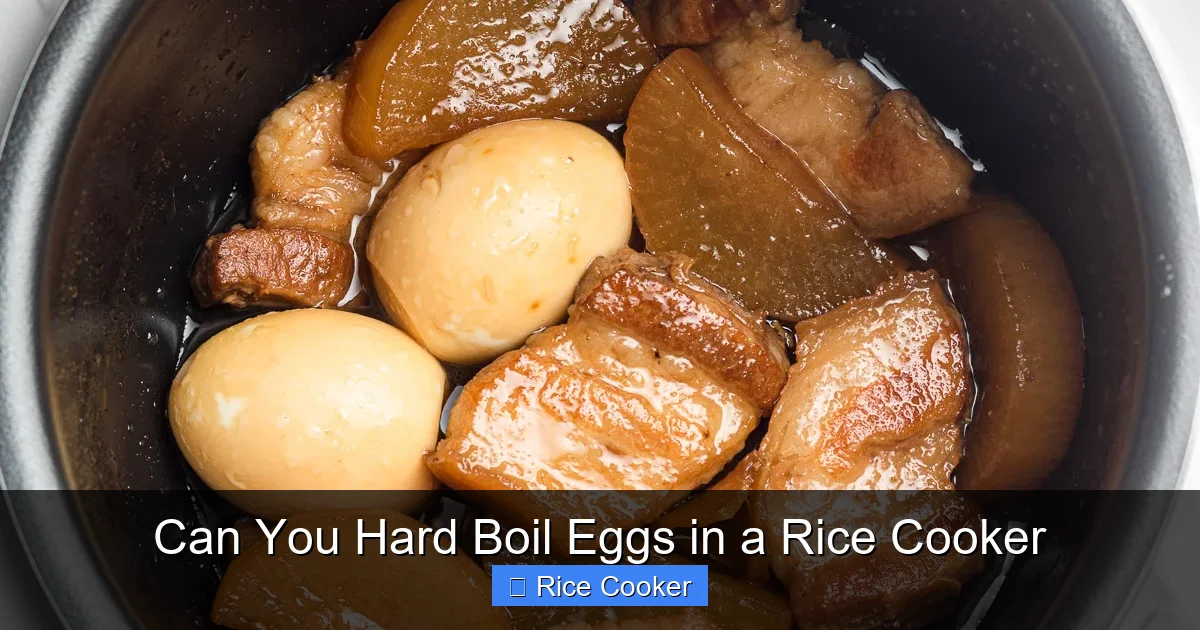
Can you hard boil eggs in a rice cooker? Absolutely! Using a rice cooker to hard-boil eggs is fast, easy, and hands-off. You don’t need to monitor the stove—just add water, place your eggs in a rack or steamer basket, and let the machine do the work. Whether you’re meal prepping, feeding a crowd, or just want perfectly cooked eggs every time, this method delivers consistent results with minimal cleanup.
Key Takeaways
- Rice cookers can hard-boil eggs effectively. With the right setup, you get evenly cooked eggs without boiling over or cracking.
- No constant monitoring needed. Once you set it up, walk away—ideal for busy mornings or multitasking.
- You can make multiple eggs at once. Most rice cookers fit 6–12 eggs comfortably, making batch cooking simple.
- It’s great for meal prep. Hard-boiled eggs stay fresh for up to a week and are perfect for salads, snacks, or breakfasts.
- Alternative uses include soft-boiling or poaching. The same technique works for different textures depending on timing.
- Minimal cleanup required. Just rinse the inner pot and steamer basket—no scrubbing burnt-on residue.
- Works with most standard rice cooker models. No special gadgets needed—just water, eggs, and a little planning.
Quick Answers to Common Questions
Can you hard boil eggs in a rice cooker?
Yes, absolutely! A rice cooker provides consistent heat and hands-free cooking, making it an excellent tool for hard-boiling eggs without constant supervision.
How many eggs can I boil at once?
Most standard rice cookers hold 6–8 eggs comfortably. Larger models may fit up to 12, but overcrowding leads to uneven cooking—so stick to moderate batches.
Will the rice cooker burn or stick?
No, as long as you use water and a proper steamer basket, there’s minimal risk of burning. Just remember to rinse the pot afterward to prevent residue buildup.
Do I need to add vinegar to prevent cracking?
Vinegar isn’t necessary in a rice cooker since the controlled environment reduces shock. However, adding a teaspoon to the water won’t hurt and may help slightly.
Can I use this method for baby food?
Yes! Hard-boiled eggs are a nutritious option for babies over 6 months old. Just mash or blend them once cooled and peeled, then store in airtight containers.
📑 Table of Contents
- Introduction: The Surprising Power of Your Rice Cooker
- How Does a Rice Cooker Work for Hard-Boiling Eggs?
- What You’ll Need to Get Started
- Step-by-Step Guide: Hard-Boiling Eggs in a Rice Cooker
- Common Mistakes and How to Avoid Them
- Beyond Hard-Boiling: Other Egg Dishes You Can Make
- Maintenance and Care After Hard-Boiling
- Frequently Asked Questions
Introduction: The Surprising Power of Your Rice Cooker
Imagine waking up to the smell of coffee and the sight of perfectly hard-boiled eggs already peeled and ready to go. Sounds dreamy, right? Well, what if I told you that all it takes is your trusty rice cooker? Yes, that kitchen staple you use for fluffy rice and hearty stews can also be your new best friend for egg-cooking adventures. In recent years, home cooks have discovered a clever trick: hard-boiling eggs in a rice cooker. It’s not just possible—it’s practical, efficient, and surprisingly reliable.
Why would anyone consider using a rice cooker instead of a pot on the stove? For starters, rice cookers are designed to maintain steady, gentle heat without boiling over. That means no more frantic stirring or watching the clock while eggs crack and float to the surface. Instead, you fill the pot with water, place your eggs in a safe container (like a steamer basket), press start, and let science do the rest. Whether you’re feeding a family, packing lunches for school, or simply treating yourself to a protein-rich snack, this method saves time, reduces mess, and gives consistent results every single time.
In this guide, we’ll walk through everything you need to know about hard-boiling eggs in a rice cooker—from step-by-step instructions to troubleshooting tips and creative uses beyond the basics. So grab your favorite eggs, fire up that rice cooker, and let’s dive into one of the simplest yet most useful kitchen hacks you’ll ever try.
How Does a Rice Cooker Work for Hard-Boiling Eggs?
Before jumping into the how-to, it helps to understand why a rice cooker works so well for boiling eggs. Unlike a stovetop setup, which relies on direct flame and variable temperature control, a rice cooker maintains a consistent internal temperature once it reaches its target setting. When you turn it on in “cook” mode, the heating plate warms up until the water boils. Once boiling starts, the thermostat kicks in and regulates the heat to keep things simmering gently—not rolling violently like a rolling boil.
This controlled environment is ideal for eggs because it prevents sudden temperature shocks that cause shells to crack. Plus, since the lid is sealed tight, there’s less risk of water evaporating too quickly or steam escaping unpredictably. Most modern rice cookers also come with a built-in timer and automatic shutoff feature, meaning your eggs won’t overcook even if you forget to check them.
The Science Behind Soft vs. Hard Boiling
Hard-boiling eggs isn’t just about turning raw eggs into solid ones—it’s about precision. The white and yolk proteins denature at different rates depending on temperature and duration. A true hard-boiled egg has fully set whites and firm, creamy yolks. To achieve this in a rice cooker, you need about 10–12 minutes of active cooking after the water reaches a full boil.
Soft-boiled eggs, by contrast, require only 4–6 minutes—perfect for dipping toast or enjoying warm out of the shell. Poached eggs can even be made using the same setup with slight adjustments. But for today’s focus: hard-boiled perfection every time.
What You’ll Need to Get Started
You don’t need fancy equipment or specialty tools. In fact, the magic of this method lies in its simplicity. Here’s what to gather before you begin:
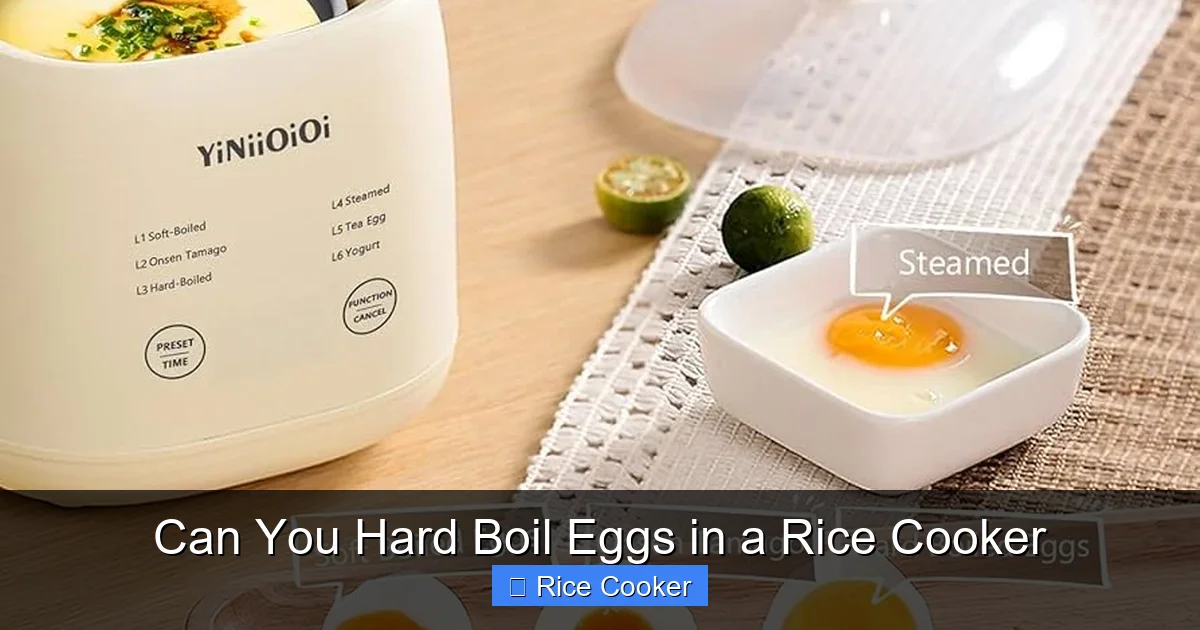
Visual guide about Can You Hard Boil Eggs in a Rice Cooker
Image source: m.media-amazon.com
- A working rice cooker – Any basic model with a non-stick inner pot will work. Even older versions function just fine!
- Fresh eggs – Use eggs straight from the fridge for best results. Avoid old eggs as they’re harder to peel later.
- Water – About 2 cups should suffice for 6–8 eggs, but adjust based on your pot size.
- A steamer basket or egg holder – Many rice cookers include one; if yours doesn’t, a small metal colander or bamboo steamer fits snugly inside.
- Tongs or a slotted spoon – For safely removing hot eggs once done.
- An ice bath (optional but recommended) – A bowl of cold water with ice cubes stops the cooking process instantly and makes peeling easier.
Choosing the Right Steamer Basket
If your rice cooker didn’t come with a steamer basket, don’t worry. A few household items serve the purpose beautifully. Look for something shallow enough to sit above the water level but deep enough to cradle your eggs securely. Metal mesh baskets work great—they allow heat and steam to circulate freely around each egg. Avoid plastic containers unless they’re labeled oven-safe, as high heat can warp them.
Egg Selection Tips
Not all eggs are created equal when it comes to hard-boiling. Fresher eggs (within two weeks of purchase) have tighter membranes inside the shell, making them easier to peel later. However, very fresh eggs (less than a week old) can be tricky to peel because their pH levels are still adjusting. Aim for eggs that were laid 7–14 days ago for the best balance of texture and peelability.
Step-by-Step Guide: Hard-Boiling Eggs in a Rice Cooker
Ready to give it a try? Follow these easy steps, and you’ll have restaurant-quality eggs in under 20 minutes—no chef skills required.
Step 1: Prep Your Eggs and Pot
Start by gently placing your eggs into the steamer basket or colander. Make sure they’re not stacked on top of each other—they need room to move slightly so heat distributes evenly. If you’re making more than six eggs, double-check that your rice cooker’s inner pot can accommodate them without overflowing.
Step 2: Add Water
Pour about 2 inches of cold water into the inner pot. Too little water risks scorching or uneven cooking; too much could lead to splashing during boiling. As a rule of thumb, aim for enough water so that the steamer basket sits 1–2 inches above the liquid level.
Step 3: Insert Steamer Basket
Carefully lower the basket into the water so the eggs rest above the bottom of the pot. Don’t let any eggs touch the heating element directly—this could cause uneven cooking or breakage.
Step 4: Close Lid and Start Cooking
Secure the lid tightly and select the “Cook” or “Normal” setting. Most rice cookers will begin heating immediately. Wait until the water reaches a rolling boil—you might hear a loud bubbling sound or see steam escaping from the vent. Once boiling, reduce the heat to low (if your model allows manual adjustment) or simply let the auto-regulating feature handle it.
Step 5: Set Timer and Wait
For hard-boiled eggs, count 10–12 minutes from the moment the water boils. Use a kitchen timer or your phone—no need to hover! If you prefer softer yolks, subtract a couple minutes. Remember, the residual heat will continue cooking the eggs slightly after the cycle ends, so err on the side of shorter times if unsure.
Step 6: Shock in Ice Water
As soon as the timer goes off, remove the eggs with tongs and plunge them into an ice bath. Let them sit for at least 5 minutes. This rapid cooling halts the cooking process and loosens the membrane between the shell and the white, making peeling a breeze.
Step 7: Peel and Enjoy!
Tap each egg gently on a hard surface, roll it between your palms, then peel under running water if needed. Voilà—perfectly cooked, easy-peel hard-boiled eggs ready for deviled, sliced in salads, or eaten plain.
Common Mistakes and How to Avoid Them
Even seasoned cooks make mistakes sometimes—especially when experimenting with new techniques. Here are some frequent pitfalls and how to dodge them:
Mistake #1: Not Preheating the Water
Skipping the initial heating step means your eggs spend extra time in cooler water, extending total cooking time unnecessarily. Always wait for the water to reach a boil before starting your timer.
Mistake #2: Overcrowding the Basket
Piling too many eggs together blocks steam flow and leads to inconsistent results. Stick to no more than 12 eggs in a standard 6-cup rice cooker.
Mistake #3: Ignoring the Ice Bath
Neglecting to cool eggs quickly results in rubbery whites and difficult peeling. An ice bath is non-negotiable for best outcomes.
Mistake #4: Using Expired Eggs
Old eggs may explode during heating due to trapped gases. Always check sell-by dates and opt for fresher stock when possible.
Mistake #5: Forgetting to Clean the Pot
After removing eggs, rinse the inner pot and steamer basket immediately. Residue buildup can affect future rice or soup recipes.
Beyond Hard-Boiling: Other Egg Dishes You Can Make
The versatility of your rice cooker doesn’t stop at hard-boiled eggs. With minor tweaks, you can whip up a variety of delicious dishes:
Soft-Boiled Eggs
Reduce cooking time to 4–6 minutes after boiling. These are ideal for English muffins with hollandaise or ramen noodles.
Poached Eggs
Instead of placing eggs directly in water, crack them into a ramekin first. Then slide the ramekin into the boiling water and cover. Cook for 3–4 minutes for runny yolks.
Scrambled Eggs (Rice Cooker Style)
Whisk eggs with milk, salt, and pepper. Pour into a greased dish inside the steamer basket, cover, and cook on low for 10–15 minutes, stirring occasionally.
Deviled Eggs
After boiling and peeling, hollow out yolks, mix with mayo, mustard, and spices, then pipe back into shells. Chill before serving.
Maintenance and Care After Hard-Boiling
Your rice cooker deserves love too! After making eggs, follow these care tips to keep it running smoothly:
- Rinse the inner pot and steamer basket with warm, soapy water.
- Wipe the exterior and lid with a damp cloth—avoid submerging electrical components.
- Store the unit unplugged and dry.
- Check the sealing ring periodically for wear and replace if cracked.
Cleaning promptly prevents odors and stains from lingering, especially after strong-smelling foods like fish or garlic.
Frequently Asked Questions
How long does it take to hard-boil eggs in a rice cooker?
It typically takes about 10–12 minutes once the water reaches a boil. Total time including prep and cooling is roughly 20–25 minutes.
Can I use frozen eggs?
No—never hard-boil frozen eggs. The rapid temperature change can cause cracks and uneven cooking. Always use fresh, refrigerated eggs.
Do I need a special rice cooker?
Nope! Any standard electric rice cooker with a non-stick pot works. Older models function just as well as newer smart ones.
Why do my eggs crack?
Cracking usually happens due to sudden temperature shifts or rough handling. Gently tap eggs before placing them in water, and avoid jostling the basket once it’s in.
Can I reheat hard-boiled eggs?
While technically possible, reheating alters texture and taste. It’s better to enjoy eggs cold or at room temperature.
Are hard-boiled eggs safe to eat after 1 week?
Yes, properly stored hard-boiled eggs last up to 7 days in the refrigerator. Discard if you notice off smells, sliminess, or mold.
Frequently Asked Questions
Is it safe to hard-boil eggs in a rice cooker?
Yes, it’s completely safe and actually safer than stovetop methods because the sealed lid prevents spills and burns. Just ensure your rice cooker is clean and functional.
What if my rice cooker doesn’t have a steamer basket?
You can improvise with a small metal colander, bamboo steamer, or even a heat-safe glass bowl placed carefully above the water line. Stability is key to prevent tipping.
How do I tell when eggs are fully boiled?
The easiest way is to use a timer after the water boils. Ten to twelve minutes is standard for hard-boiled eggs. For visual cues, gently shake the basket—fully set eggs will rattle quietly.
Can I cook rice and eggs simultaneously?
Generally no—most rice cookers have limited space and conflicting cooking times. Rice needs dry heat; eggs need submerged boiling. Doing both risks mushy rice or undercooked eggs.
Why are my yolks green?
Green rings around yolks occur when eggs are overcooked or exposed to too much sulfur in the whites. Shorter cooking times and immediate cooling in ice water minimize this issue.
Are hard-boiled eggs good for weight loss?
Absolutely! Eggs are high in protein and low in calories, making them a satisfying addition to weight-loss diets. Pair them with veggies or whole grains for balanced meals.