
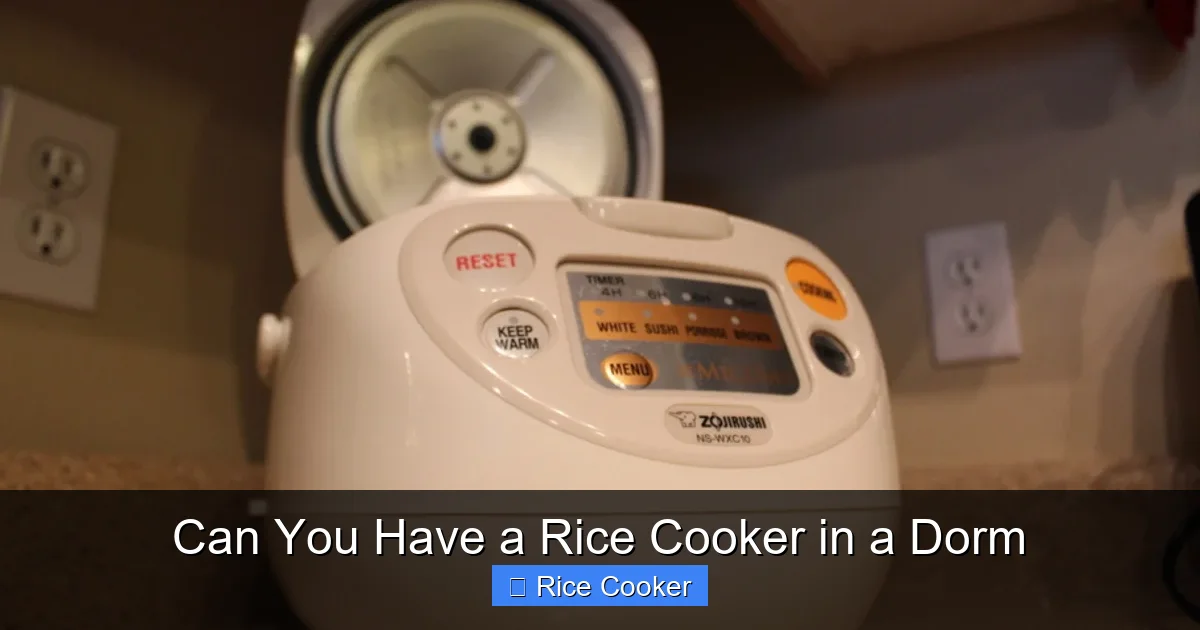
Can you have a rice cooker in a dorm? It depends on your school’s policies and the type of rice cooker you choose. Many dorms allow small, low-wattage appliances, making rice cookers a popular choice for students who want quick, healthy meals without violating rules.
Whether you’re cooking up fluffy jasmine rice or savory oatmeal, understanding your dorm’s guidelines is key. With the right appliance and smart usage tips, you can enjoy delicious, easy meals all semester long—no kitchen required.
Key Takeaways
- Dorm policies vary widely: Always check with your housing office or review your lease agreement before purchasing any appliance.
- Low-wattage is essential: Rice cookers under 750 watts are typically safe and allowed in most dorms because they draw less power than space heaters or microwaves.
- Portable and compact designs work best: Look for models that are lightweight, cordless, or come with removable power bases for easy storage.
- Safety features matter: Choose rice cookers with automatic shut-off, non-stick inner pots, and cool-touch exteriors to avoid accidents.
- Cooking beyond rice is possible: Use your rice cooker to steam vegetables, make soups, cook quinoa, or even bake simple desserts—maximizing its value.
- Cleaning and maintenance are crucial: Keep your rice cooker spotless to prevent odors, mold, and potential fire hazards from food buildup.
- Roommate agreements help: Discuss usage, cleaning, and shared costs with your roommate to avoid conflicts and ensure smooth cohabitation.
📑 Table of Contents
- Can You Have a Rice Cooker in a Dorm? Everything Students Need to Know
- Understanding Dorm Appliance Policies
- Choosing the Right Rice Cooker for Dorm Life
- Cooking Beyond Rice: Creative Uses for Your Dorm Rice Cooker
- Safety Tips: How to Use Your Rice Cooker Responsibly
- Roommate Etiquette: Sharing Is Caring
- Environmental and Cost Benefits of Using a Rice Cooker in Dorms
- Alternatives to Traditional Rice Cookers
- Final Thoughts: Yes, You Can Have a Rice Cooker in a Dorm (If Done Right)
Can You Have a Rice Cooker in a Dorm? Everything Students Need to Know
Picture this: it’s 11 p.m., your stomach growls after a long day of classes, and all you want is a warm bowl of perfectly cooked jasmine rice with some stir-fried veggies. But wait—do dorm rules allow rice cookers? You’re not alone if you’ve ever wondered whether you can bring one into your student housing.
Rice cookers are incredibly convenient, affordable, and versatile appliances that can transform your dorm meal experience. From cooking rice to steaming veggies, making porridge, or even baking simple snacks, these little devices pack serious culinary power. But dorm life comes with strict rules about what electronics are allowed—especially those that use electricity and heat up.
In this complete guide, we’ll walk through everything you need to know about bringing a rice cooker into your dorm room. We’ll cover dorm policies, safety concerns, recommended models, creative recipes, and how to avoid common pitfalls. By the end, you’ll be equipped with all the information to make an informed decision and possibly enjoy your very own home-cooked meals—right in your student apartment.
Understanding Dorm Appliance Policies
What Do Most Dorm Rules Say About Rice Cookers?
Dormitories across the country—whether on campus, in university-affiliated housing, or private student apartments—have specific regulations about electrical appliances. These rules exist primarily for safety reasons, including preventing overloaded circuits, reducing fire risks, and maintaining a quiet living environment.
Visual guide about Can You Have a Rice Cooker in a Dorm
Image source: i.pinimg.com
Most dorm policies allow small, low-power appliances, but ban high-wattage items like space heaters, electric kettles above 600W, deep fryers, and toasters with exposed heating elements. A standard rice cooker usually falls under the approved category—especially if it uses less than 750 watts. However, some schools are stricter, particularly at large universities or older dorm buildings with outdated wiring.
For example, a student at Stanford University might find that their residence hall allows rice cookers, while a student at a smaller college might face restrictions due to limited electrical capacity. That’s why always check your specific dorm’s handbook or contact the housing department before buying anything.
Where Can You Find Your Dorm’s Appliance Policy?
Your dorm rules are usually outlined in several places:
- The Housing Contract or Lease Agreement: This document often lists prohibited items. Look for sections titled “Prohibited Appliances” or “Electrical Guidelines.”
- Residence Life Website: Most colleges post housing policies online. Search for “appliances allowed in dorms [your school name].”
- Orientation Materials: New students receive handbooks or emails during move-in week that detail what you can and cannot bring.
- Direct Communication: If you’re unsure, email your resident advisor (RA) or housing coordinator. They’re there to help!
Remember: even if a rice cooker isn’t explicitly banned, using it irresponsibly (like leaving it unattended or overloading outlets) could still violate rules and result in fines or confiscation.
Choosing the Right Rice Cooker for Dorm Life
Look for Low Wattage and Compact Design
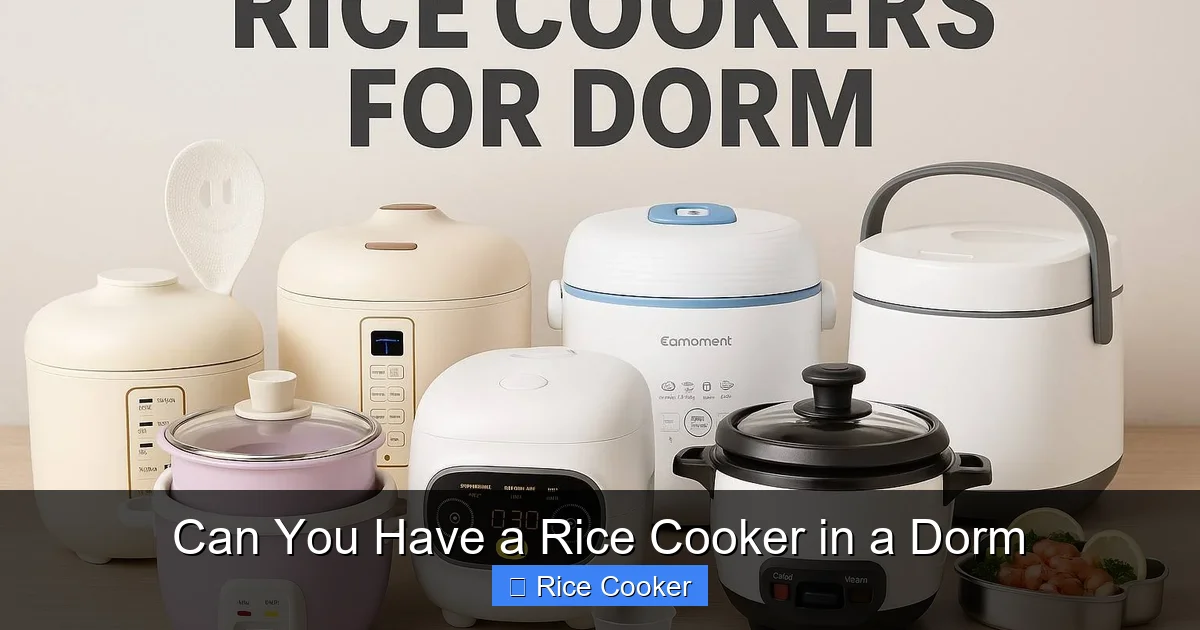
When shopping for a dorm-friendly rice cooker, prioritize energy efficiency and size. The ideal model should:
Visual guide about Can You Have a Rice Cooker in a Dorm
Image source: expertreviewsbestricecooker.com
- Draw 600–750 watts or less
- Have a small footprint (under 6 inches wide)
- Be lightweight (around 2–3 pounds)
- Include a removable power base for easy storage
Models like the Zojirushi NS-ZCC10 or Instant Pot Duo Crisp are excellent choices. They’re powerful yet efficient, and many come with travel lids or cordless designs that let you take your cooked rice anywhere—even to class!
Essential Safety Features to Prioritize
A good dorm rice cooker should protect both you and your roommate. Here’s what to look for:
- Automatic shut-off: Turns off when cooking is complete—no more worrying if you fall asleep.
- Non-stick inner pot: Makes cleanup easy and prevents gunk buildup.
- Cool-touch exterior: Avoid burns when handling hot components.
- Overheat protection: Prevents damage or fire if the unit gets too hot.
Avoid cheap, generic rice cookers from discount stores—they often lack proper safety mechanisms and may not last long.
Consider Portability and Storage Needs
Since dorm rooms are tiny, think about how you’ll store your rice cooker. Some models come with:
- Detachable power units: Let you store the pot separately, saving counter space.
- Travel lids: Allow you to carry hot meals without spills.
- Stackable designs: Great for tight spaces.
If you share a room with a roommate, consider a model that doubles as a portable heater-free appliance—like a mini steamer or multi-cooker—so you don’t monopolize the outlet.
Cooking Beyond Rice: Creative Uses for Your Dorm Rice Cooker
Breakfast Options That Wake Up Your Taste Buds
Rice cookers aren’t just for dinner. In fact, breakfast is where they really shine. Try these dorm-friendly ideas:
- Oatmeal or Creamy Porridge: Add oats, milk (or plant-based milk), and cinnamon. Set it overnight for a no-fuss morning meal.
- Quinoa Breakfast Bowl: Cook quinoa with berries, nuts, and honey for a protein-packed start.
- Steamed Egg Custard: Whisk eggs with water and steam gently for silky-smooth custard.
These dishes require no supervision and taste way better than microwave ramen.
Lunch and Dinner Made Easy
Use your rice cooker to prepare full meals without a stove:
- Vegetable Stir-Fry Rice: Cook rice first, then sauté frozen stir-fry mix in oil, add soy sauce, and mix with rice.
- One-Pot Pasta: Combine pasta, broth, and veggies. Cook until al dente—perfect for busy days.
- Soup or Stew: Simmer chicken broth, beans, and spices for 30–40 minutes for a hearty lunch.
Many modern rice cookers have “soup” or “slow cook” settings, making this even easier.
Desserts and Snacks (Yes, Really!)
Surprisingly, rice cookers can bake simple treats:
- Muffins or Cupcakes: Use silicone molds or paper liners. Bake at 350°F for 20–25 minutes.
- Pudding or Flan: Mix ingredients in a heat-safe dish and steam for 30 minutes.
- Energy Bites: Blend oats, peanut butter, honey, and chocolate chips. Roll into balls and chill.
Just remember to clean thoroughly afterward—food residue attracts ants and smells bad.
Safety Tips: How to Use Your Rice Cooker Responsibly
Always Plug Into a Surge Protector or GFCI Outlet
Never plug your rice cooker directly into a wall outlet. Instead:
- Use a UL-listed surge protector with circuit breaker protection.
- Avoid extension cords—they can overheat and cause fires.
- Ensure your outlet is GFCI-protected (common in older dorm buildings).
This protects against power surges and reduces the risk of electrical fires.
Never Leave It Unattended While Cooking
Keep It Clean and Dry
Food particles left in the pot or lid can develop mold, create unpleasant odors, or even trigger smoke alarms. After each use:
- Wash the inner pot with soap and warm water.
- Wipe the exterior and lid with a damp cloth.
- Let all parts air-dry completely before storing.
Deep clean the interior every few weeks with vinegar and baking soda to remove mineral buildup.
Avoid Overloading the Outlet
Dorm outlets are designed for light bulbs, lamps, and maybe a laptop charger. Don’t plug in multiple high-wattage devices at once. For example:
- Using a hair dryer + rice cooker + microwave = dangerous overload.
- Stick to one major appliance per outlet.
Use a power meter to monitor wattage usage if you’re concerned about consumption.
Roommate Etiquette: Sharing Is Caring
Discuss Usage Before You Start Cooking
If you share a room, talk openly about:
- Who pays for the rice cooker?
- How often will it be used?
- Who cleans it?
- Is there a limit on cooking times (e.g., quiet hours)?
Putting expectations in writing (even just a text message) helps avoid misunderstandings.
Be Considerate of Noise and Smells
Rice cookers can be noisy when bubbling or clicking, and some foods (like garlic or onions) release strong aromas. Try to cook during daylight hours and open a window if needed.
Share Meals When Possible
Invite your roommate to join you for a homemade meal. It’s a great way to bond and reduce food waste. Plus, sharing a meal feels more like home—literally.
Environmental and Cost Benefits of Using a Rice Cooker in Dorms
Save Money on Dining Halls
Campus dining plans can cost $1,500–$3,000 per year. With a rice cooker, you can:
- Make meals for $1–$2 each.
- Cook in bulk and freeze portions.
- Eat healthier than processed cafeteria food.
Over a semester, that’s hundreds of dollars saved—money you can spend on books or trips home.
Reduce Waste and Energy Use
Rice cookers use significantly less energy than microwaves or stoves. According to the U.S. Department of Energy, a rice cooker uses about 0.1 kWh per hour, while a microwave uses 0.8–1.5 kWh. Plus, reusable containers cut down on disposable packaging.
Support Sustainable Living
Cooking at home encourages mindful eating. You’re more likely to choose whole grains, fresh ingredients, and balanced meals when you control the process. This leads to better health and reduced environmental impact.
Alternatives to Traditional Rice Cookers
Electric Skillet or Waffle Iron
If your dorm bans rice cookers outright, consider a non-stick electric skillet. You can fry eggs, scramble tofu, or even make pancakes. Just watch the power rating.
Microwave-Safe Rice Cookers
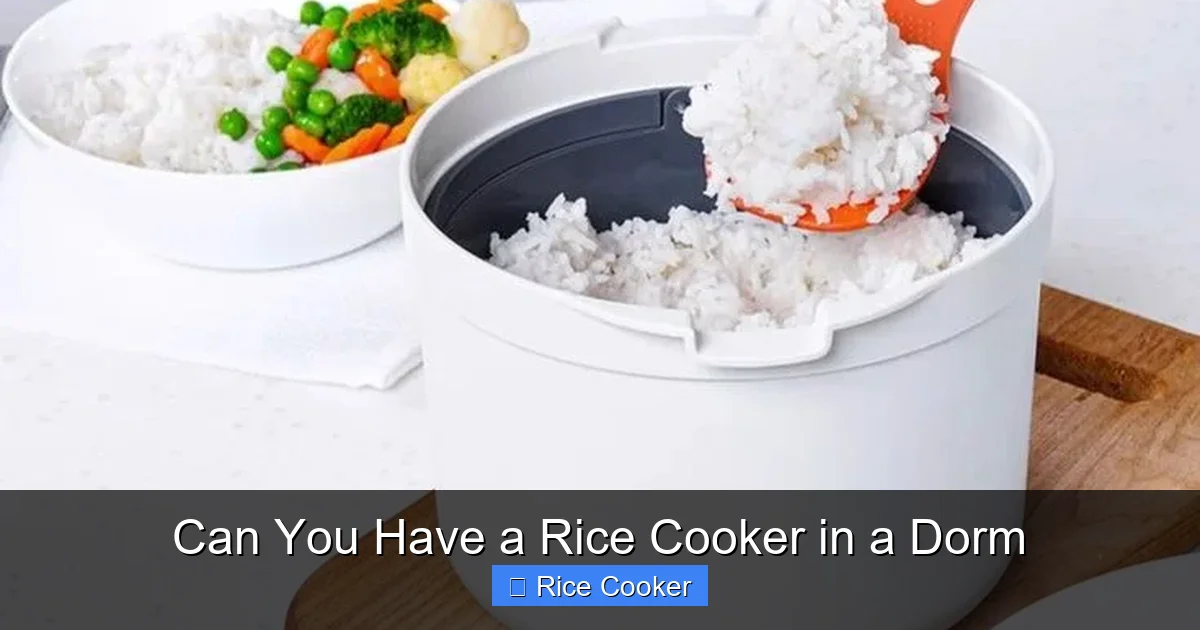
Some brands sell microwave rice makers—small containers that cook rice using steam. They’re ultra-lightweight and don’t require electricity. Perfect for ultra-strict dorms.
Instant Pot Mini or Air Fryer Multicookers
If you want versatility, a smaller Instant Pot (like the 3-quart model) can pressure cook, slow cook, and steam—all without a stovetop. Many dorms allow them if under 800W.
Final Thoughts: Yes, You Can Have a Rice Cooker in a Dorm (If Done Right)
So, can you have a rice cooker in a dorm? The short answer is: yes—if you follow the rules, choose the right model, and use it safely. With so many affordable, compact, and efficient options available, there’s no reason to settle for instant noodles every night.
By investing in a quality rice cooker and treating it like any other household appliance, you’re setting yourself up for success—both academically and nutritionally. You’ll save money, eat better, and maybe even impress your roommate with your culinary skills.
Just remember: knowledge is power. Understand your dorm’s policies, respect shared spaces, and cook responsibly. Then, go ahead—bring that rice cooker in and start making meals that feel like home.
Frequently Asked Questions
Are rice cookers allowed in all dorms?
No, policies vary by school and housing type. Some dorms allow low-wattage rice cookers under 750W, while others ban all appliances. Always check your specific dorm’s rules before purchasing.
What wattage is safe for a dorm rice cooker?
Choose a rice cooker that uses 600–750 watts or less. Anything higher may trip breakers or violate dorm electrical limits. Look for models labeled “low power” or “energy efficient.”
Can I leave my rice cooker plugged in overnight?
It’s not recommended. Even with auto shut-off, leaving it unattended increases fire risk. Unplug it after cooking, especially if you’re sleeping or away from your room.
Do I need permission to bring a rice cooker?
Some schools require approval, especially for older buildings with limited outlets. Check with your RA or housing office. It’s better to ask than to risk fines or removal.
Will a rice cooker work with just one outlet?
Yes, as long as it’s within the wattage limit and doesn’t overload the circuit. Avoid daisy-chaining with other devices. Use a surge protector for added safety.
Can I use my rice cooker to cook other foods?
Absolutely! Rice cookers can steam vegetables, make soups, cook oatmeal, bake muffins, and even reheat leftovers. Their versatility makes them a great dorm investment.