
Can you heat up food in a rice cooker? Absolutely! While it’s designed for cooking grains, many people safely use it to warm up leftovers, soups, and more. Just follow safety tips and avoid overfilling to keep your meals tasty and your appliance in good shape.
Have you ever come home from work with a cold dinner and realized your microwave is out of order? Or maybe you just want to save energy by using appliances you already own? If so, you’re probably wondering: can you heat up food in a rice cooker? The short answer is yes—and not only can you do it safely, but you might be surprised at how well it works.
Most people think of rice cookers as glorified pots that just boil water and cook rice. But these compact kitchen tools are actually surprisingly versatile. With a little know-how, they can become your go-to solution for reheating leftovers, warming up sauces, or even preparing simple one-pot meals. In this article, we’ll walk through everything you need to know about using your rice cooker to heat food—without risking burns, messes, or damaging your appliance.
Whether you’re a college student living on instant noodles, a busy parent juggling dinners for picky eaters, or someone trying to cut down on electricity bills, understanding how to use your rice cooker beyond rice opens up a world of convenience. Let’s dive in!
Key Takeaways
- Understanding can you heat up food in a rice cooker: Provides essential knowledge
📑 Table of Contents
- Understanding How Rice Cookers Work
- Is It Safe to Heat Food in a Rice Cooker?
- What Types of Food Can Be Heated in a Rice Cooker?
- Step-by-Step Guide: How to Safely Heat Food in a Rice Cooker
- Creative Ways to Use Your Rice Cooker Beyond Rice
- Troubleshooting Common Issues
- Environmental and Economic Benefits
- Final Thoughts: Should You Reheat Food in a Rice Cooker?
Understanding How Rice Cookers Work
Before we get into reheating techniques, let’s quickly cover how rice cookers function. Modern electric rice cookers typically have two key components: an inner cooking pot (usually made of aluminum or non-stick material) and a heating element at the base. When you add water and turn it on, the heat transfers through the pot to cook the grains evenly.
Many models also include a thermostat and a “keep warm” function that kicks in once cooking is complete. This feature is especially useful for reheating—because it maintains a consistent low temperature without overcooking or burning.
It’s important to note that while some older rice cookers only have “on/off” switches, newer digital models offer more control. However, even basic ones can handle gentle reheating tasks if used correctly. The key is understanding the difference between cooking and reheating, and adjusting your approach accordingly.
Is It Safe to Heat Food in a Rice Cooker?
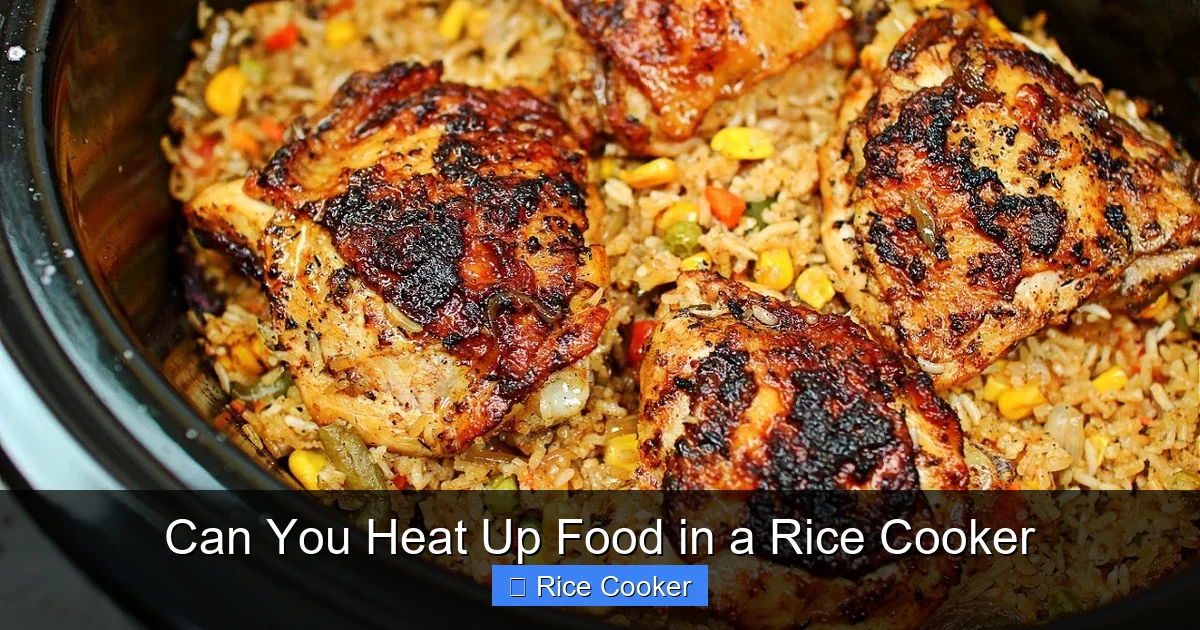
Visual guide about Can You Heat Up Food in a Rice Cooker
Image source: i.ytimg.com
Safety should always come first when experimenting with kitchen appliances. So, can you heat up food in a rice cooker safely? Yes—but only under certain conditions.
First, never leave the rice cooker unattended while reheating. Liquids can boil over faster than expected, especially if you’re warming something like soup or stew. Always keep an eye on it and make sure the lid is securely closed.
Second, avoid filling the pot beyond half its capacity. Overfilling increases the risk of spillage and can trigger automatic shut-off mechanisms prematurely. Stick to smaller portions when reheating.
Third, don’t put metal utensils or foil inside unless your model specifically allows it. Some non-stick coatings aren’t compatible with metal, and foil can block airflow or cause uneven heating.
Finally, always ensure the food reaches a safe internal temperature (165°F / 74°C for meats). Since rice cookers don’t have built-in thermometers, stir occasionally and check with a food thermometer if you’re unsure.
By following these guidelines, you can enjoy the benefits of reheating in a rice cooker without any major risks.
What Types of Food Can Be Heated in a Rice Cooker?
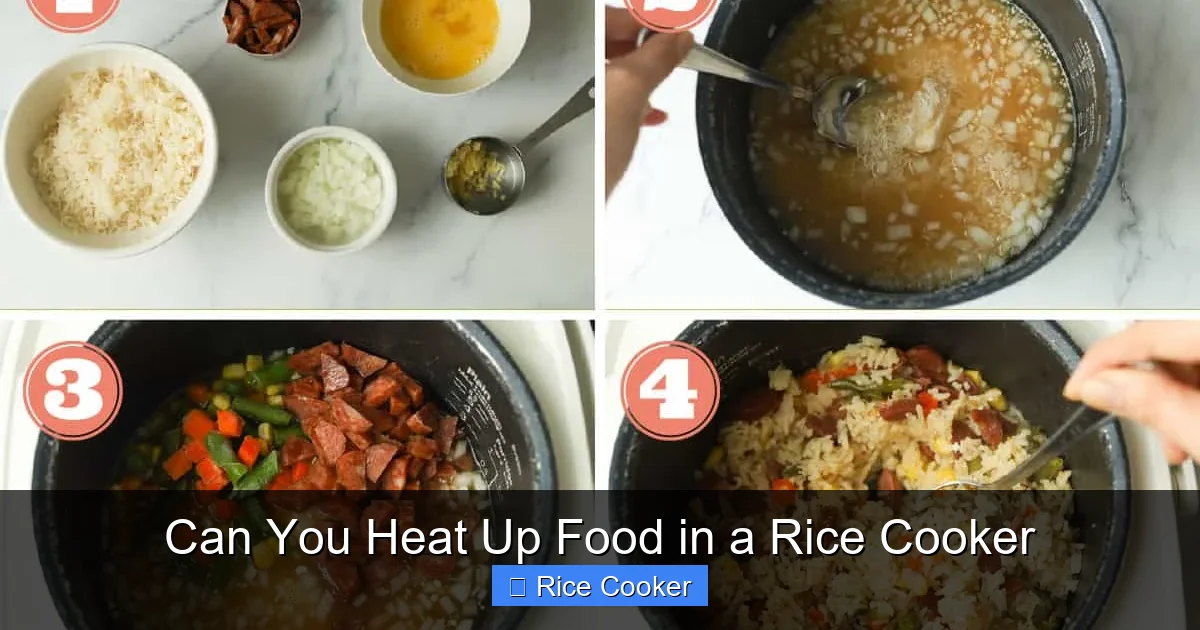
Visual guide about Can You Heat Up Food in a Rice Cooker
Image source: apeachyplate.com
The beauty of a rice cooker is its adaptability. While rice is the classic use case, many other foods can be successfully reheated—or even cooked fresh—in one. Here’s a breakdown of what works best:
Reheating Grains and Starches
Leftover rice, quinoa, or couscous can easily become soggy in a microwave. But in a rice cooker, they regain texture beautifully. Simply add a splash of water or broth, close the lid, and press “warm” or wait for the cycle to start. The gentle steam helps revive dry grains without making them mushy.
Casseroles and Baked Dishes
Think shepherd’s pie, lasagna, or mac and cheese. These dishes often lose their crispness after refrigeration. Place them in the rice cooker with a bit of extra liquid (milk, cream, or sauce), cover tightly, and let the residual heat do the work. Stir once halfway through if possible.
Soups and Stews
This is where rice cookers really shine. Because they maintain a steady simmer, soups stay hot without boiling away too quickly. Add your chilled soup to the pot, cover, and set it to “warm.” Give it a stir after 10–15 minutes to redistribute heat.
Vegetables and Side Dishes
Steamed broccoli, carrots, or potatoes can be reheated gently in the rice cooker. Add a tablespoon of water or broth per serving, cover, and let sit until warmed through. This method preserves nutrients better than microwaving.
Egg-Based Meals
Scrambled eggs, frittatas, or omelets can be tricky to reheat without drying out. Try placing them in the rice cooker with a damp paper towel on top. The moisture helps keep them tender.
Avoid reheating fatty foods like fried chicken or greasy pizza—they tend to splatter and create unpleasant odors. Also, skip anything with raw eggs unless you plan to cook them fully.
Step-by-Step Guide: How to Safely Heat Food in a Rice Cooker
Ready to give it a try? Follow this simple process:
- Add Food and Liquid: Place your leftover meal in the inner pot. For dry items like rice, add 1–2 tablespoons of water or broth. For liquids, don’t add extra—just enough to prevent sticking.
- Cover Tightly: Make sure the lid is sealed properly. Steam needs to circulate to distribute heat evenly.
- Set to Warm Mode: If your rice cooker has a “warm” setting, use it. Otherwise, press “cook” briefly (just until heated through), then switch off. Avoid prolonged cycles.
- Stir Occasionally: Every 5–10 minutes, lift the lid and stir gently. This ensures even warming and prevents hot spots.
- Check Temperature: Use a food thermometer to confirm the center reaches at least 165°F (74°C). If needed, return to warm mode for another few minutes.
- Serve Immediately: Once done, transfer food to a bowl or plate right away. Leaving it in the pot too long can lead to overcooking or drying.
Pro tip: For best results, portion your leftovers before reheating. Smaller amounts heat faster and more evenly.
Creative Ways to Use Your Rice Cooker Beyond Rice
If you’ve only ever used your rice cooker for plain white rice, you’re missing out. Here are some clever ideas to expand its utility:
Meal Prep Made Easy
Use it to cook large batches of beans, lentils, or grains ahead of time. Then store them in the fridge and reheat individual servings later—no extra effort needed.
One-Pot Breakfasts
Try overnight oats or savory porridge with eggs, cheese, and veggies. Just mix ingredients in the morning, press “cook,” and wake up to a hot breakfast.
Desserts
Rice cookers can bake cakes, puddings, or even steamed buns. A classic example is Japanese cheesecake—fluffy, light, and foolproof when made in a rice cooker.
Infused Oils and Sauces
Slow-cook herbs in oil to make infused olive oil, or reduce sauces like béchamel or gravy directly in the pot. The even heat prevents scorching.
These uses show that a rice cooker is more than just a grain cooker—it’s a mini multi-cooker waiting to be explored.
Troubleshooting Common Issues
Even with careful use, problems can arise. Here’s how to fix them:
Food Sticking to the Bottom
This usually means there’s not enough liquid or the pot wasn’t preheated properly. Always add moisture, and consider using a thin layer of butter or oil for sticky dishes.
Not Heating Up Enough
Some older models have weaker heating elements. Try adding a cup of hot water beforehand, or reheat in short intervals rather than one long session.
Boil-Over or Spillage
Reduce portion size, stir more frequently, or place a clean kitchen towel over the lid to absorb excess steam.
Strange Smells
Old residue or burnt food can linger. Clean the inner pot thoroughly after each use, and run a cycle with vinegar and water once a month to deodorize.
With regular maintenance and attention, your rice cooker will keep performing well for years.
Environmental and Economic Benefits
Using a rice cooker to reheat food isn’t just convenient—it’s also smart for your wallet and the planet. Microwaves consume significant electricity, especially when used multiple times daily. Rice cookers, by contrast, are designed for efficiency and often draw less power overall.
Plus, consolidating tasks reduces wear and tear on other appliances. Instead of firing up the oven for a single serving of pasta, use your rice cooker. It’s a small change that adds up over time in both cost savings and carbon footprint reduction.
For renters or those with limited kitchen space, this versatility is a huge win. One appliance replaces several—microwave, steamer, slow cooker, even a small oven.
Final Thoughts: Should You Reheat Food in a Rice Cooker?
So, back to the original question: can you heat up food in a rice cooker? The answer is a confident yes—with caveats. It’s safe, efficient, and surprisingly effective for many common leftovers. Whether you’re reviving yesterday’s chili, warming up a side of mashed potatoes, or giving new life to dried-out rice, your rice cooker can be a reliable ally.
Just remember to prioritize safety, respect your appliance’s limits, and experiment wisely. Not every dish will turn out perfectly the first time, but that’s part of the learning curve. And honestly? There’s something satisfying about using a humble kitchen gadget in unexpected ways.
Next time you’re staring into the fridge wondering what to eat, reach for your rice cooker. You might just discover a faster, tastier, and greener way to enjoy your leftovers.
Frequently Asked Questions
Can I reheat soup in a rice cooker?
Yes, soup reheats wonderfully in a rice cooker. Just pour it into the pot, cover, and use the “warm” setting. Stir occasionally to ensure even heating without boiling over.
Will reheating rice in a rice cooker make it mushy?
Not if you add a little water and keep the heat low. The gentle steam helps revive dry rice without overcooking it, unlike microwaving which often leaves it clumpy.
Do I need to add water when reheating dry foods?
Absolutely. Dry items like rice, quinoa, or pasta benefit from a splash of water or broth to prevent sticking and restore moisture during reheating.
Can I reheat meat in a rice cooker?
Yes, but make sure it reaches 165°F (74°C) internally. Use the “warm” function and stir occasionally to avoid hot spots. Avoid fatty cuts that may splatter.
Is it safe to leave food in the rice cooker for hours?
Generally no. While the “keep warm” function is safe for short periods (up to 2–3 hours), prolonged storage can promote bacterial growth. Transfer leftovers promptly after reheating.
Can I cook new meals directly in the rice cooker instead of reheating?
Definitely! Many foods like oatmeal, stews, and even cakes can be cooked fresh in a rice cooker. Just follow recipe instructions and adjust liquid amounts as needed.