
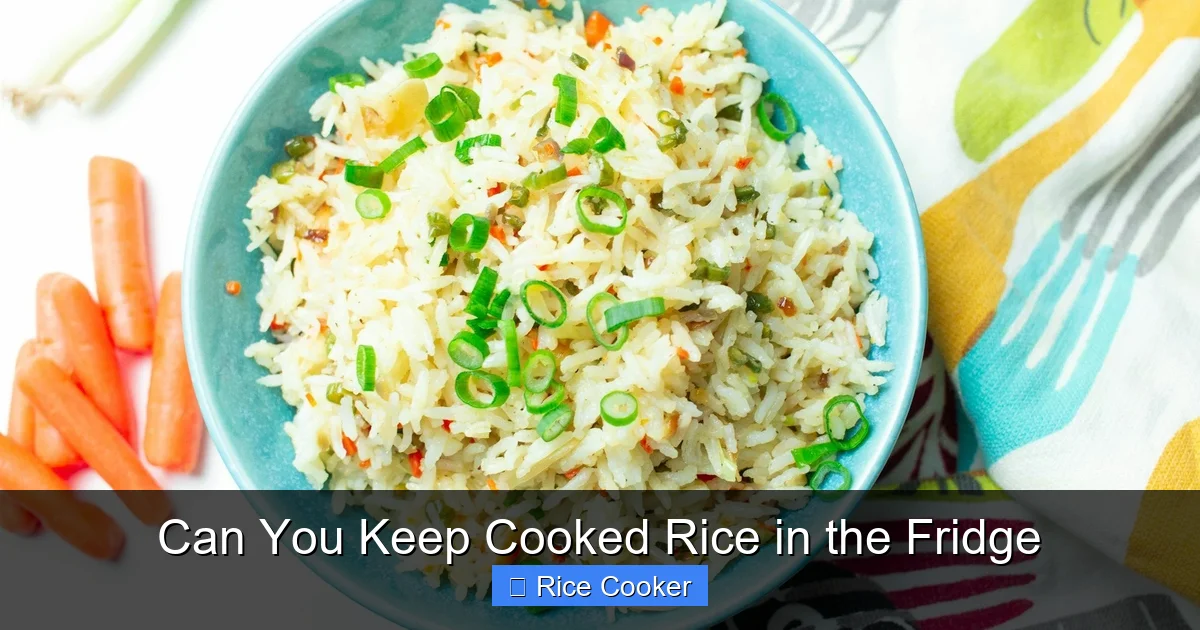
Can you keep cooked rice in the fridge? Absolutely, but only for a limited time. When stored properly in an airtight container within two hours, rice can stay safe and fresh in your refrigerator for up to 4 days. However, improper storage increases the risk of harmful bacteria like Bacillus cereus, which can cause food poisoning. Always cool rice quickly, use clean containers, and reheat thoroughly to enjoy safe, delicious leftovers.
Key Takeaways
- Refrigeration is safe for short-term storage: Cooked rice can be kept in the fridge for up to 4 days when stored correctly.
- Time matters: Cool rice within 2 hours of cooking to prevent bacterial growth.
- Use airtight containers: Store rice in sealed, food-grade containers to maintain freshness and prevent contamination.
- Reheat thoroughly: Always reheat rice to at least 165°F (74°C) to kill potential bacteria.
- Watch for spoilage signs: Discard rice if it smells off, feels slimy, or has an unusual color.
- Freezing extends shelf life: For longer storage, freeze rice in portions for up to 6 months.
- Prevention over cure: The best way to avoid food safety issues is to cook and store rice properly from the start.
📑 Table of Contents
- Can You Keep Cooked Rice in the Fridge? Yes—But With Important Rules
- The Science Behind Rice and Bacteria
- How Long Can You Keep Cooked Rice in the Fridge?
- Best Practices for Storing Cooked Rice
- How to Reheat Rice Safely
- Can You Freeze Cooked Rice?
- Troubleshooting Common Rice Problems
- Tips for Rice Cooker Users
- When in Doubt, Throw It Out
- Conclusion: Safe Rice, Happy Meals
Can You Keep Cooked Rice in the Fridge? Yes—But With Important Rules
If you’ve ever had leftover rice after dinner, you might have wondered: Can you keep cooked rice in the fridge? The simple answer is yes, but not without some important precautions. While refrigeration slows down bacterial growth, rice is a unique case due to a specific type of bacteria called Bacillus cereus. This bacterium produces heat-resistant spores that can survive cooking and multiply again when rice is left at room temperature. That’s why improper handling can turn a tasty meal into a risky one.
In this comprehensive guide, we’ll walk through everything you need to know about storing cooked rice safely in the refrigerator. From timing and containers to reheating tips and signs of spoilage, you’ll learn how to enjoy your rice leftovers without worry. Whether you’re using a rice cooker, stovetop, or microwave, these guidelines apply to all types of cooked rice—white, brown, jasmine, basmati, or wild.
The Science Behind Rice and Bacteria
Understanding why rice needs special care starts with knowing about Bacillus cereus. This common soil bacterium can contaminate raw rice during growth or processing. When rice is cooked, the heat kills most bacteria—but not the spores. If the warm, moist environment created by leftover rice allows those spores to reactivate, they can multiply rapidly, especially between 40°F and 140°F—the so-called “danger zone” for food.
Visual guide about Can You Keep Cooked Rice in the Fridge
Image source: uhkkfeeqacwcyryreuie.supabase.co
Why Room-Temperature Storage Is Dangerous
Leaving cooked rice out at room temperature for more than two hours dramatically increases the risk of foodborne illness. According to the U.S. Food and Drug Administration (FDA), perishable foods should not be kept in the danger zone for extended periods. A single cup of cooked rice left on the counter overnight could harbor enough bacteria to make you sick.
Even if your rice was cooked in a rice cooker with precise temperature control, once it’s out of the appliance, it enters the hands of the cook. That means cooling speed becomes critical. The longer rice sits between 140°F and 40°F, the higher the chance of bacterial growth.
Differences Between White and Brown Rice
You might assume brown rice is safer because it’s less processed—but that’s not necessarily true. Both white and brown rice can carry Bacillus cereus. However, brown rice tends to absorb more water and retain moisture longer, which could theoretically support more bacterial activity if not cooled quickly. Still, the key factor is temperature control, not rice type.
How Long Can You Keep Cooked Rice in the Fridge?
The general rule is straightforward: cooked rice can be safely stored in the refrigerator for up to 4 days. This applies to rice cooked in a rice cooker, stove, or oven—as long as it’s cooled and stored properly.
Timing Is Everything
To maximize safety, cool your rice as quickly as possible. The FDA recommends cooling large portions by dividing them into shallow containers (less than 2 inches deep). This increases surface area and helps rice lose heat faster. Aim to get rice below 40°F within 2 hours of cooking.
Using an ice bath is another effective method. Place the pot of hot rice in cold water or wrap it tightly while submerged in ice. Stir occasionally to distribute heat evenly. Once cool, transfer to airtight containers and refrigerate immediately.
Signs Your Rice Has Gone Bad
Even within the 4-day window, rice can spoil. Watch for these red flags:
- Unusual smell: Sour, rancid, or ammonia-like odors indicate spoilage.
- Slimy texture: Fresh rice should feel dry or slightly firm. Slime suggests bacterial growth.
- Discoloration: Gray, green, or moldy spots are never okay.
- Mold: Any fuzzy growth means discard immediately.
If you notice any of these signs, don’t taste-test. Mold and toxins aren’t always visible, and even small amounts can cause illness.
Best Practices for Storing Cooked Rice
Proper storage isn’t just about putting rice in the fridge—it’s about doing it right. Follow these steps to keep your rice safe and tasty.
Use Airtight Containers
Plastic containers with secure lids, glass jars, or vacuum-sealed bags work well. Avoid open bowls or uncovered plates, which allow air and contaminants to enter.
Label and Date
Write the date on the container so you know how long it’s been in storage. This helps prevent confusion and ensures you use older batches first.
Portion Control
Store rice in meal-sized portions. This makes reheating easier and reduces the number of times you open and close the container, minimizing exposure to air and bacteria.
Avoid Cross-Contamination
Never reuse the same container for raw ingredients (like uncooked rice or meat juices) without washing it thoroughly. Wash containers with hot, soapy water or run them through the dishwasher before reuse.
How to Reheat Rice Safely
Reheating is where many people go wrong. Simply microwaving rice without checking its internal temperature can leave dangerous bacteria alive. Here’s how to do it safely.
Microwave Method
Place rice in a microwave-safe dish. Add a tablespoon of water to prevent drying. Cover with a damp paper towel to trap steam. Heat on high in 1-minute intervals, stirring between each, until the rice reaches 165°F (measured with a food thermometer).
Stovetop or Oven Method
Bring a saucepan of water to a simmer. Add rice and stir gently. Cover and cook over low heat for 5–10 minutes, or until heated through. Check temperature with a thermometer.
Never Reheat More Than Once
Each time you reheat rice, you increase the risk of bacterial regrowth. It’s better to cook a smaller batch than to reheat multiple times.
Can You Freeze Cooked Rice?
Absolutely! Freezing is one of the safest ways to extend rice’s shelf life. Properly frozen rice can last up to 6 months.
How to Freeze Rice
After cooking and cooling, spread rice in a thin layer on a baking sheet. Freeze for 1–2 hours until solid, then transfer to freezer-safe bags or containers. Label with the date.
Thawing and Reheating Frozen Rice
No need to thaw—just reheat directly from frozen. Add a splash of water or broth to prevent drying. Microwave or stovetop until steaming hot and 165°F throughout.
Troubleshooting Common Rice Problems
Even with careful storage, you might run into issues. Here’s how to handle them.
Rice Is Too Dry After Reheating
Add a few drops of water or broth while reheating. Cover to trap moisture.
Rice Is Sticky or Clumpy
This usually happens when rice is stored too wet or not cooled properly. To fix it, fluff with a fork and add a pinch of salt or lemon juice while reheating.
Rice Smells Off Despite Being Within Shelf Life
Trust your nose. If it smells sour or chemical, discard it immediately. Sometimes rice develops off-flavors due to oxidation or oil rancidity, especially if stored in plastic containers.
Tips for Rice Cooker Users
If you regularly use a rice cooker, you’re already halfway there—many models keep rice warm at a safe temperature (around 190°F), which inhibits bacterial growth. But once you turn it off, follow the same storage rules.
Turn Off the Warm Setting Promptly
The “warm” setting isn’t meant for long-term storage. Use it only for immediate serving. Remove rice within 1–2 hours and cool it properly.
Clean Your Rice Cooker After Each Use
Residue from previous batches can harbor bacteria. Wash removable parts with hot, soapy water after every use.
When in Doubt, Throw It Out
Food safety experts agree: when it comes to rice, when in doubt, throw it out. Symptoms of Bacillus cereus poisoning include nausea, vomiting, and diarrhea—often starting within 6 to 15 hours after eating contaminated rice. These symptoms mimic other foodborne illnesses, so you won’t always know it was the rice.
If you’re pregnant, elderly, or have a weakened immune system, extra caution is essential. For these groups, consider not storing rice at all—cook only what you plan to eat immediately.
Conclusion: Safe Rice, Happy Meals
So, can you keep cooked rice in the fridge? Yes—but only if you do it right. With proper cooling, airtight storage, and timely reheating, your rice leftovers can be both safe and delicious. The key is understanding the risks posed by Bacillus cereus and taking simple steps to prevent growth.
Whether you’re meal-prepping for the week, packing lunches, or saving dinner leftovers, following these guidelines will help you avoid foodborne illness and enjoy rice guilt-free. Remember: speed, cleanliness, and temperature control are your best tools for safe rice storage.
Next time you cook a big batch in your rice cooker, think beyond the first serving. With the right techniques, you can turn yesterday’s dinner into tomorrow’s lunch—without compromise.
Frequently Asked Questions
Is it safe to eat rice that’s been in the fridge for a week?
No, cooked rice should not be eaten after being in the fridge for more than 4 days. Beyond that, the risk of bacterial growth increases significantly, even if it looks and smells normal. Always check the date and discard any rice older than 4 days.
Can you get sick from refrigerated rice?
Yes, it’s possible to get sick from improperly stored or reheated rice. Bacillus cereus can survive refrigeration and multiply if rice is warmed to temperatures between 40°F and 140°F. Always reheat rice to at least 165°F and avoid leaving it at room temperature for more than 2 hours.
Should I wash my rice before refrigerating?
No, you do not need to rinse cooked rice before refrigerating. Rinsing removes excess starch, which can affect texture, and offers no food safety benefit once the rice is cooked. Washing raw rice is fine, but it’s unnecessary for storage after cooking.
Does freezing kill bacteria in rice?
Freezing doesn’t kill bacteria—but it stops their growth. Bacillus cereus spores can survive freezing and become active again when rice is thawed and reheated. That’s why proper reheating is still essential after defrosting.
Can I eat cold leftover rice straight from the fridge?
Yes, you can eat cold rice directly from the refrigerator, but only if it was stored properly and hasn’t exceeded the 4-day limit. Some people prefer to reheat it, but cold rice is safe and often used in dishes like fried rice or salads.
What’s the best way to cool rice fast?
Spread rice in shallow containers and place them in an ice bath or refrigerate immediately. Stir occasionally to distribute heat. Using multiple small containers instead of one large pot speeds up cooling and reduces the time rice spends in the danger zone.