
Can you leave a rice cooker unattended? Generally yes—but only when used safely and with modern models. Most modern rice cookers automatically switch to “keep warm” mode, eliminating the need to watch them closely. However, older or faulty units may pose fire or burn risks. Always use a functioning appliance, avoid overcrowding, and never leave it on the “cook” setting without water. With proper precautions, leaving your rice cooker on is not only safe but convenient.
Key Takeaways
- Modern rice cookers are designed to be left unattended: They shut off or switch to keep-warm mode automatically, reducing the need for constant monitoring.
- Safety depends on the model and condition: Older or damaged rice cookers may overheat or catch fire if left on too long.
- Always use the right amount of water: Too little water can cause dryness or scorching; too much leads to mushy rice.
- Never leave a rice cooker on the “cook” setting without water: Dry heating can damage the inner pot and create fire hazards.
- Keep the area around the cooker clear: Ensure nothing flammable is near vents or the exterior during operation.
- Regular maintenance prevents risks: Clean residue buildup and check cords and seals regularly.
- Know the difference between “cook” and “warm”: The “warm” setting keeps food at a safe temperature but doesn’t cook further.
📑 Table of Contents
- Introduction: Is It Safe to Leave Your Rice Cooker Running All Day?
- How Modern Rice Cookers Work: Automation Meets Safety
- Risks of Leaving a Rice Cooker Unattended
- Best Practices for Leaving Your Rice Cooker Unattended
- When NOT to Leave Your Rice Cooker Unattended
- Real-Life Scenarios: Can You Really Leave It On All Night?
- Conclusion: Enjoy the Convenience—Safely
Introduction: Is It Safe to Leave Your Rice Cooker Running All Day?
Have you ever wondered, “Can you leave a rice cooker unattended?” It’s a common question, especially for busy families or people who like to multitask in the kitchen. After all, rice cookers are supposed to make life easier—so why not let them do the work while you focus on other things?
The short answer is: yes, you generally can leave a rice cooker unattended—especially if it’s a modern electric model. But “can you leave a rice cooker unattended” isn’t just about convenience; it’s also about safety. Not all rice cookers are created equal, and understanding how yours works is key to avoiding accidents.
In this article, we’ll walk through everything you need to know about leaving your rice cooker on without watching it. We’ll talk about the science behind how they work, the risks involved, and practical tips to keep your kitchen safe—and your rice perfectly fluffy.
How Modern Rice Cookers Work: Automation Meets Safety
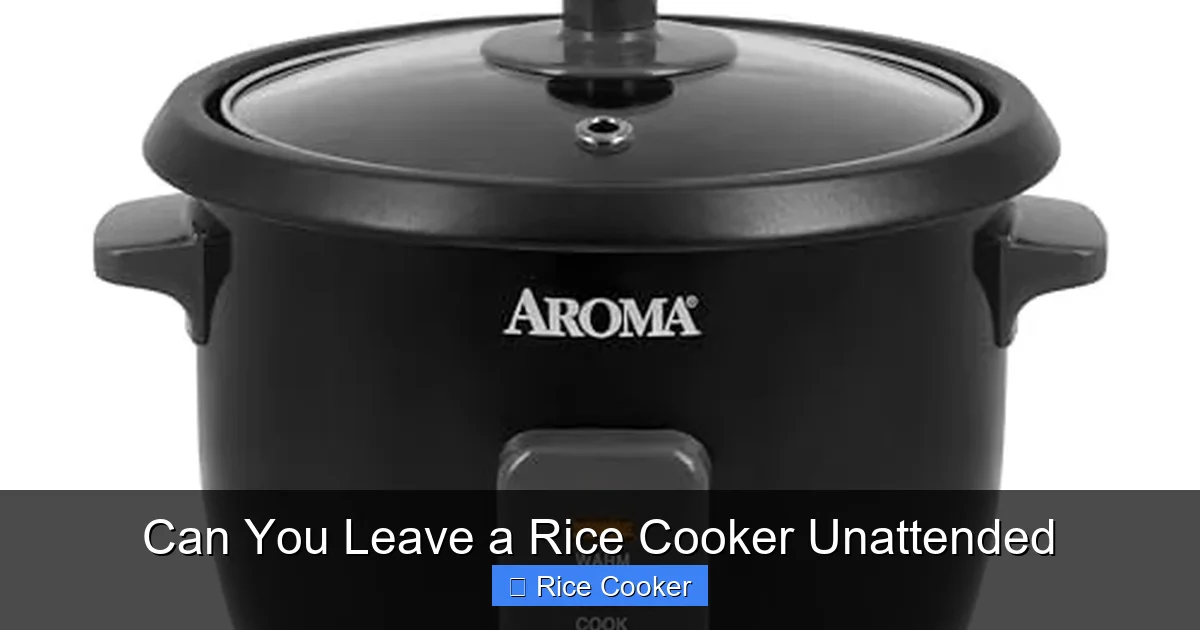
Visual guide about Can You Leave a Rice Cooker Unattended
Image source: m.media-amazon.com
Before diving into safety, it helps to understand what happens inside your rice cooker when you press “start.”
Most electric rice cookers today use a combination of sensors and automatic shut-off mechanisms. Once the water in the pot heats up and begins to steam, the internal thermostat detects that boiling has started. The cooker then switches from “heating” to “keep warm” mode. At this point, the temperature stabilizes around 160–185°F (71–85°C), which is hot enough to keep the rice warm but not so hot that it continues cooking.
Some advanced models even include fuzzy logic or AI technology that adjusts cooking time based on rice type and quantity. Others have multiple settings—like brown rice, sushi rice, or porridge—that fine-tune the heat and timing for optimal results.
Because of these features, many rice cookers are essentially “set-and-forget” appliances. You add rice and water, select a setting, and walk away. The machine does the rest—until it’s done.
But here’s the catch: not all rice cookers are built the same way. Some older models lack proper temperature regulation or automatic shut-off. These units may continue heating indefinitely if something goes wrong—like running out of water or getting clogged with starch.
So while the answer to “can you leave a rice cooker unattended” is often yes, it really depends on your specific appliance.
The Role of Automatic Shut-Off and Keep-Warm Mode
One of the biggest reasons modern rice cookers can be left unattended is their built-in safety systems. Let’s break down two key components:
Automatic Shut-Off: This feature kicks in once the cooking cycle completes. The rice cooker stops heating entirely and remains idle until manually turned off or unplugged. No energy is wasted, and no risk of burning or overcooking exists.
Keep-Warm Mode: As the name suggests, this setting maintains the rice at a consistent, safe temperature. It uses minimal power and prevents the rice from drying out or developing off-flavors. Most keep-warm cycles last for several hours—some models even go up to 24 hours.
These modes mean that once your rice is cooked, you don’t need to monitor it constantly. You can step away, go grocery shopping, or work from home knowing your dinner will stay ready.
However, it’s important to note that keep-warm mode isn’t meant for long-term storage. While safe for a few hours, letting rice sit too long can encourage bacterial growth, especially if the kitchen is warm or humid.
What Happens If You Overfill or Underfill the Pot?
Even with automation, human error can still pose risks. One common mistake is adding too much or too little water.
If you use too little water, the rice may stick to the bottom of the pot. Without enough moisture, the internal temperature can rise dangerously, potentially damaging the heating element or triggering an overheat protection mechanism (which usually shuts the unit off—but not always safely).
Conversely, overfilling the pot can cause water to overflow into the heating base. This creates a short circuit risk and could lead to electrical issues or even smoke/fire.
For optimal safety, always follow the manufacturer’s guidelines for rice-to-water ratios. A good rule of thumb is 1 cup of white rice to 1.5 cups of water. Brown rice typically needs more.
Risks of Leaving a Rice Cooker Unattended
While modern rice cookers are designed with safety in mind, there are still potential risks—especially if you’re using an older or poorly maintained model.
Fire Hazards from Dry Heating
Perhaps the most serious risk occurs when the inner pot runs dry. Even though most rice cookers have thermal fuses or cut-off switches, older models might not respond quickly enough. Dry heating can warp the non-stick coating, crack the ceramic or aluminum pot, and—worst-case scenario—ignite nearby materials.
That’s why it’s absolutely critical to never leave your rice cooker on the “cook” setting without water. If you accidentally forget to add water, turn it off immediately.
Electrical Issues from Residue Buildup
Over time, rice starch can accumulate around the heating element and ventilation ports. This residue acts as an insulator, trapping heat and reducing efficiency. In extreme cases, it can cause overheating or even melt plastic components.
Regular cleaning—once a month or after heavy use—is essential. Use a soft cloth and mild detergent to wipe the interior and exterior. Avoid abrasive sponges that could scratch the surface and compromise its non-stick properties.
Mold and Bacteria Growth in Warm Environments
Even though keep-warm mode is safe, it doesn’t sterilize food. If rice sits in a warm, humid environment for too long (more than 4–6 hours), bacteria like Bacillus cereus can multiply. This organism produces toxins that cause food poisoning—often mistaken for stomach flu.
To minimize risk:
– Don’t leave cooked rice in the keep-warm mode overnight.
– Refrigerate leftovers within 2 hours of cooking.
– Reheat thoroughly before eating.
Best Practices for Leaving Your Rice Cooker Unattended
Now that we’ve covered the risks, let’s talk solutions. Follow these simple steps to enjoy the convenience of unattended cooking safely.
Use a Modern, Trusted Brand
Not all rice cookers are created equal. Look for reputable brands like Zojirushi, Panasonic, Cuisinart, or Instant Pot. These companies invest in quality control, safety testing, and customer support. Read reviews and check for certifications like UL or ETL listed—these indicate compliance with North American safety standards.
Avoid cheap, generic models from unknown sellers. While they may seem affordable, they often lack reliable safety features.
Test Your Unit Before Counting on It
Before relying on your rice cooker for unattended cooking, test it. Cook a small batch of rice and observe the process. Does it shut off automatically? Does the keep-warm function work properly? If anything feels off—unusual sounds, excessive smoke, or failure to switch modes—stop using it.
You might also consider investing in a smart plug with a timer. This allows you to remotely monitor and shut off the appliance if needed.
Keep the Area Clear
Ensure nothing flammable—like towels, paper, or wooden utensils—is near the rice cooker. Also, avoid placing it on uneven surfaces where it might tip over.
If you’re using a portable or countertop model, keep it away from curtains, cabinets, or anything that could block airflow.
Check Water Levels Before Starting
This seems obvious, but it’s easy to get distracted. Double-check that you’ve added the correct amount of water before pressing start. If you’re making multiple dishes, label them clearly so you don’t accidentally swap ingredients.
Clean Regularly
As mentioned earlier, residue buildup is a major safety concern. Make it a habit to clean your rice cooker after each use. Rinse the inner pot, wipe the lid and exterior, and remove any stuck-on grains. Deep clean monthly with vinegar to dissolve mineral deposits.
Unplug When Not in Use
Even though rice cookers consume very little power in standby mode, it’s still wise to unplug them when not actively cooking. This eliminates any risk from power surges or electrical faults.
Plus, unplugging reduces phantom energy drain—saving money and helping the environment.
When NOT to Leave Your Rice Cooker Unattended
There are situations where it’s better—safer—to stay nearby.
First-Time Use or New Settings
If you’re trying a new recipe or using a different rice variety (like black or red rice), pay attention. Different grains require different water ratios and cooking times. An error now could waste ingredients—or worse, create a hazardous situation.
Power Outages or Unstable Electricity
In areas with frequent brownouts or unreliable grids, a rice cooker may behave unpredictably. If the power flickers during cooking, the unit might restart unexpectedly or fail to switch to keep-warm mode.
In such cases, it’s safer to supervise or avoid unattended cooking altogether.
Children or Pets Around
Kids and pets are naturally curious. A child might pull on cords, open the lid repeatedly, or try to touch hot surfaces. Similarly, animals might knock over the unit or chew on wires. If possible, store the rice cooker out of reach or use it in a supervised space.
Extreme Weather Conditions
On very hot days, kitchens can get extremely warm. High ambient temperatures combined with keep-warm mode might push the rice cooker beyond its design limits. If your kitchen regularly exceeds 90°F (32°C), consider finishing the meal sooner or using an alternative method.
Real-Life Scenarios: Can You Really Leave It On All Night?
Let’s imagine a typical day. Sarah wakes up early, puts rice in her Zojirushi model, sets it to “brown rice,” and leaves for work. She returns hours later to perfectly cooked, steaming rice. No problem, right?
Yes—but only because she followed best practices:
– Used a high-quality, modern rice cooker.
– Added the right amount of water.
– Didn’t overload the pot.
– Left it in a well-ventilated area.
– Didn’t rely solely on keep-warm overnight.
Now consider Mark, who owns a 15-year-old rice cooker from a discount store. He adds too much water, forgets to clean it, and leaves it running while he naps. When he wakes up, the unit smells burnt, and smoke lingers in the air. He had to call the fire department.
Both scenarios are fictional, but they reflect real-world outcomes. The difference lies in appliance quality, user habits, and awareness.
Tips for Busy Parents and Remote Workers
If you’re juggling kids, work, and meals, your rice cooker is your kitchen hero. Here’s how to maximize its benefits:
– Prep ingredients the night before (chop veggies, measure spices).
– Use programmable timers so rice is ready exactly when you are.
– Choose models with delayed start—perfect for waking up to breakfast or coming home to dinner.
– Set reminders on your phone to check the rice periodically, especially during first-time experiments.
Travelers and Campers: Can You Use a Rice Cooker Off-Grid?
Many compact rice cookers double as portable stoves. But can you leave them unattended in a tent or cabin? Generally, yes—if you’re using a battery-powered or solar setup with stable voltage. However, outdoor conditions add variables: wind, humidity, and temperature swings can affect performance.
Always prioritize safety over convenience in remote settings. Never leave a rice cooker unattended near flammable materials like tents, propane tanks, or dry leaves.
Conclusion: Enjoy the Convenience—Safely
So, can you leave a rice cooker unattended? The answer is a confident **yes—with caveats**.
Modern rice cookers are engineered for safety, automation, and ease of use. With features like automatic shut-off and keep-warm mode, they’re perfect for busy lifestyles. But safety isn’t guaranteed by default. It comes from choosing quality appliances, maintaining them properly, and using them responsibly.
By following the guidelines in this article—checking water levels, cleaning regularly, keeping the area clear, and avoiding risky scenarios—you can enjoy the full convenience of your rice cooker without worry.
Remember: technology should simplify life, not complicate it. When used wisely, your rice cooker becomes more than just an appliance—it’s a trusty kitchen companion that delivers peace of mind with every grain.
Frequently Asked Questions
Can you leave a rice cooker on all day?
Yes, but only if it has a working keep-warm mode and you’re not relying on it to cook continuously. Most modern rice cookers are safe to leave on for several hours, but avoid leaving cooked rice in the keep-warm setting overnight due to bacterial growth risks.
Is it safe to leave a rice cooker unattended while cooking?
Yes, as long as water is present and the model is in good condition. Modern rice cookers automatically switch to keep-warm mode once boiling starts, eliminating the need for constant supervision during the active cooking phase.
What happens if you leave a rice cooker on without water?
Dry heating can damage the inner pot, warp the non-stick coating, and in rare cases, cause overheating or fire. Always ensure there’s enough water before starting the cooking cycle.
Should I unplug my rice cooker after use?
It’s recommended to unplug your rice cooker when not in active use. This reduces the risk of electrical issues and saves energy, even though standby power consumption is minimal.
Can old rice cookers be left unattended?
Older models may lack reliable safety features like automatic shut-off. If your rice cooker is more than 10 years old or shows signs of wear (burn marks, strange noises), it’s safer to supervise cooking or replace it.
How long can rice stay in the keep-warm mode?
Rice can safely remain in keep-warm mode for up to 4–6 hours. Beyond that, bacteria can multiply, increasing the risk of foodborne illness. Refrigerate leftovers promptly.