
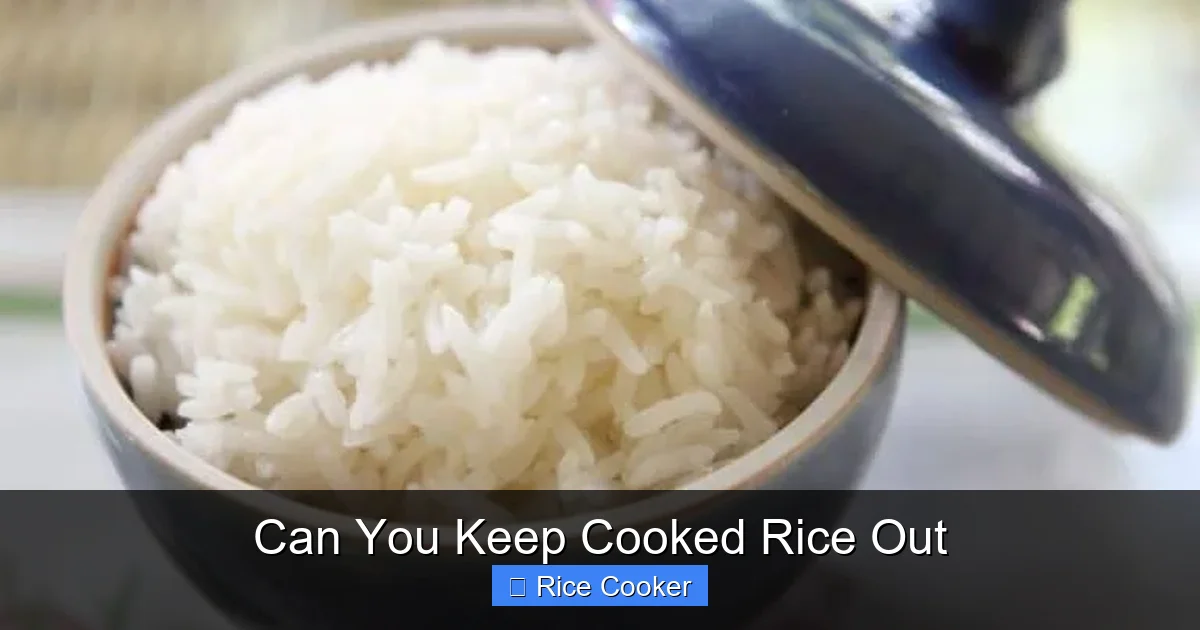
Can you keep cooked rice out? While tempting for convenience, leaving cooked rice at room temperature for too long can lead to dangerous bacterial growth like Bacillus cereus. For food safety, always refrigerate cooked rice within two hours of cooking and consume it within three to five days. Using a rice cooker helps ensure proper cooking, but doesn’t change storage rules—proper cooling and quick refrigeration are key.
Key Takeaways
- Refrigerate within 2 hours: Cooked rice should be cooled quickly and stored in the refrigerator within two hours to prevent bacterial growth.
- Use shallow containers: Cooling rice in large batches slows down the process; use wide, shallow containers to speed up heat dissipation.
- Reheat thoroughly: When reheating rice, ensure it reaches at least 165°F (74°C) throughout to kill any potential bacteria.
- Avoid room temperature storage: Leaving rice out for more than 2 hours increases the risk of foodborne illness, especially in warm environments.
- Freeze for longer storage: For best results, freeze rice within one day of cooking for up to 6 months while maintaining texture and safety.
- Rice cooker benefits: A rice cooker ensures even cooking, reducing the chance of undercooked grains that could harbor bacteria.
📑 Table of Contents
- Can You Keep Cooked Rice Out? The Truth About Food Safety
- The Science Behind Cooked Rice and Bacterial Growth
- How Long Can You Safely Keep Cooked Rice Out?
- Best Practices for Storing Cooked Rice
- Reheating Rice Safely
- How Your Rice Cooker Helps (But Doesn’t Replace Good Habits)
- Creative Ways to Use Leftover Rice
- Common Myths About Cooked Rice
- Final Thoughts: When in Doubt, Refrigerate
Can You Keep Cooked Rice Out? The Truth About Food Safety
You just finished a delicious meal featuring perfectly fluffy jasmine rice or savory brown rice pilaf, and now there’s leftover rice sitting on the counter. It’s only been an hour since dinner, and you’re wondering—can you keep cooked rice out? Maybe you’re hosting a potluck tomorrow and want to prep ahead. Or perhaps you’ve heard mixed advice about whether rice belongs in the fridge immediately or can stay out safely.
Let’s clear this up once and for all. Because when it comes to food safety, especially with something as common as cooked rice, the stakes are real. And understanding how to handle rice properly isn’t just about avoiding stomach discomfort—it’s about preventing serious foodborne illness.
In this guide, we’ll explore everything you need to know about storing cooked rice, from the science behind why it matters to practical tips using your rice cooker. We’ll also share smart ways to repurpose leftovers so nothing goes to waste. So grab a cup of tea, settle in, and let’s get into the nitty-gritty of rice safety.
The Science Behind Cooked Rice and Bacterial Growth
Visual guide about Can You Keep Cooked Rice Out
Image source: freezeit.net
When rice is cooked, it’s no longer raw grain—it’s a warm, moist environment full of nutrients. That’s exactly what bacteria love. Specifically, we’re talking about *Bacillus cereus*, a hardy bacterium that forms spores in uncooked rice. These spores survive the cooking process and, once the rice cools slightly, they begin multiplying rapidly—especially at temperatures between 40°F and 140°F (known as the “danger zone”).
The problem? If cooked rice sits out at room temperature for too long, those spores turn into active bacteria that produce toxins causing food poisoning. Symptoms usually appear within 6 to 18 hours and include nausea, vomiting, diarrhea, and abdominal cramps. Unlike many other foods, reboiling or reheating won’t always destroy these toxins—which is why simply microwaving leftover rice isn’t enough to guarantee safety if it was improperly stored.
This makes rice uniquely risky compared to other starchy foods. Think about pasta or potatoes—they can sit out for a few hours without immediate concern. Not rice. Its composition and history make it a hotspot for bacterial activity. That’s why the rule of thumb matters: when in doubt, put it in the fridge.
Why Rice Is Different From Other Starches
Unlike bread or crackers that dry out over time, rice retains moisture and warmth after cooking. This creates ideal conditions for bacterial reproduction. Additionally, rice often contains *B. cereus* spores from the beginning because the grains absorb water during soaking or growing, allowing spores to develop even before cooking.
Other starches like cornbread or mashed potatoes may support some bacterial growth, but they don’t typically contain pre-formed spores like rice does. Plus, their texture and pH make them less hospitable to rapid toxin production. Rice stands alone in this regard—a fact every home cook should remember.
The Danger Zone Explained
Food safety experts define the “danger zone” as temperatures between 40°F and 140°F (4°C to 60°C). Bacteria multiply most quickly in this range—doubling every 20 minutes under ideal conditions. Cooked rice left in this window for more than two hours becomes unsafe to eat.
That’s why timing is everything. Whether you’re using a stovetop, oven, or rice cooker, the moment rice finishes cooking, it enters the danger zone. Rapid cooling is essential to pull it out of harm’s way.
How Long Can You Safely Keep Cooked Rice Out?
Visual guide about Can You Keep Cooked Rice Out
Image source: acouplecooks.com
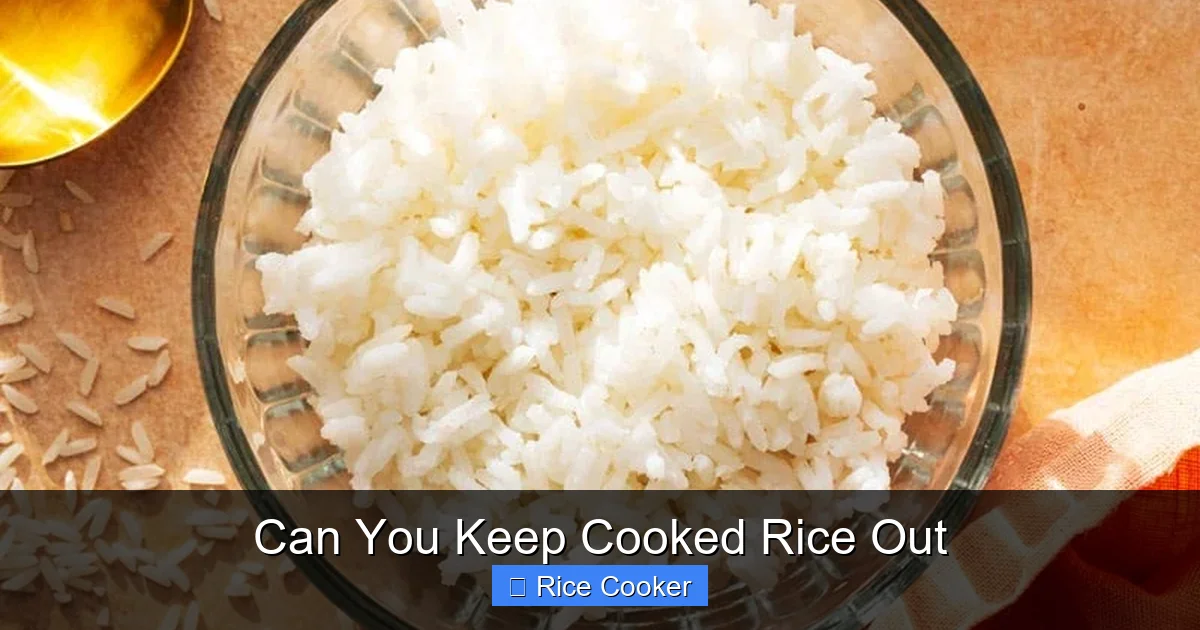
So back to the original question: can you keep cooked rice out? Technically, yes—but only briefly. Here’s the official guideline:
Cooked rice should not be left at room temperature for more than 2 hours.
If your kitchen is particularly warm—say, above 90°F (32°C)—that limit drops to just 1 hour. In hot climates or during summer months, always assume shorter windows.
This rule applies regardless of whether you used a rice cooker, stove, or instant pot. The method of cooking doesn’t affect post-cooking safety—only how you store it afterward.
Many people mistakenly believe that because rice is cooked, it’s automatically safe. But cooking kills existing bacteria, not the spores that linger in the grain. Those spores wake up when conditions are right, and room temperature provides exactly that.
Signs That Rice Has Gone Bad
Even if your rice hasn’t been sitting out too long, it might still spoil due to improper handling. Watch for these red flags:
– Unpleasant odor: Freshly cooked rice smells neutral or slightly nutty. Any sour, rotten, or ammonia-like smell means discard.
– Texture changes: Slimy, sticky, or overly soft rice suggests bacterial breakdown.
– Mold growth: White, green, or black spots mean contamination—throw it away immediately.
– Off color: Discoloration (yellowish or gray patches) can indicate spoilage.
Trust your senses. If something looks, smells, or feels wrong, don’t risk it.
Best Practices for Storing Cooked Rice
Now that we’ve established why quick refrigeration is non-negotiable, let’s talk about how to do it right. Proper storage extends shelf life, preserves flavor, and maintains texture—all while keeping you safe.
Cooling Rice Quickly
Don’t pour hot rice directly into a sealed container. Doing so traps steam, creating condensation that raises internal temperature and encourages bacterial growth. Instead:
– Spread rice thinly in a shallow dish or large mixing bowl.
– Stir occasionally to release heat evenly.
– Let it cool to room temperature for about 30–60 minutes before refrigerating.
Using a rice cooker lid helps retain moisture but also traps heat. Consider transferring rice to a separate cooling tray after the cooker shuts off automatically.
Choosing the Right Container
Always store cooled rice in airtight containers. Glass or BPA-free plastic containers work well. Avoid metal—some types react with acidic rice dishes or cause discoloration.
Label containers with the date so you track freshness. Most cooked rice lasts 3–5 days in the fridge.
Freezing for Long-Term Storage
For best quality and maximum safety, freeze rice within one day of cooking. Portion it into freezer-safe bags or containers, removing as much air as possible to prevent freezer burn. Frozen rice stays good for up to 6 months.
Thaw overnight in the fridge before reheating. Never thaw at room temperature—this reintroduces the danger zone.
Reheating Rice Safely
Leftover rice can be reheated safely—but only if it was stored correctly. Follow these steps:
1. **Heat thoroughly:** Use a microwave, stovetop, or oven until steaming hot throughout. Internal temperature must reach at least 165°F (74°C).
2. **Add moisture:** Rice dries out in the fridge. Add a splash of water or broth while heating to restore fluffiness.
3. **Stir frequently:** Ensure even heating and avoid cold spots where bacteria could survive.
Avoid reheating rice more than once. Each cycle increases bacterial load.
Microwave Tips
Place rice in a microwave-safe dish, cover loosely with wax paper or a damp cloth, and heat in 1-minute intervals, stirring between each. Check temperature with a food thermometer inserted into the center.
How Your Rice Cooker Helps (But Doesn’t Replace Good Habits)
You might wonder: does using a rice cooker change anything? Great question!
Yes and no. A rice cooker ensures consistent, thorough cooking—killing surface bacteria and yielding uniform texture. Many modern models even have delay timers and warming functions that keep rice at a safe serving temp (below 140°F) without burning.
However, **the warming plate on most rice cookers keeps food between 150°F and 190°F**, which is actually within the danger zone! So if you leave rice on the “warm” setting for more than 2 hours, it’s still unsafe.
After cooking, always transfer rice to a container and refrigerate within the recommended timeframe—even if your rice cooker says “keep warm.”
Smart Rice Cooker Usage
– Use the “cancel” or “off” button immediately after rice finishes cooking.
– Transfer to a cooling rack or shallow pan.
– Clean your rice cooker pot thoroughly to prevent cross-contamination.
Some high-end models come with insulated pots or steam vents to reduce condensation—still, follow standard food safety rules.
Creative Ways to Use Leftover Rice
Worried about waste? There are plenty of tasty ways to reuse cooked rice:
– **Fried rice:** Sauté with veggies, soy sauce, and egg. Best made within 3 days of cooking.
– **Rice pudding:** Combine with milk, sugar, cinnamon, and raisins. Refrigerate overnight.
– **Risotto:** Gradually stir in broth for creamy texture.
– **Sushi or sushi rolls:** Use sushi-grade rice and add fillings like avocado or cucumber.
– **Burgers or meatloaf binder:** Mix into patties or ground meat for moisture.
Just remember: each time you reheat, verify safety first.
Common Myths About Cooked Rice
Let’s debunk a few misconceptions floating around:
**Myth 1: “If I boil rice again, it’s safe.”**
False. Reboiling doesn’t destroy *B. cereus* toxins, which are heat-stable.
**Myth 2: “Rice cooker ‘warm’ mode keeps it safe all night.”**
No. As mentioned, warm settings hover in the danger zone. Always refrigerate promptly.
**Myth 3: “Brown rice is safer than white rice.”**
Not necessarily. Both can harbor spores. Brown rice just has more fiber and nutrients, but same storage rules apply.
**Myth 4: “I’ll eat it soon, so it’s fine.”**
Timing is critical. Two hours is the magic number—not “almost two hours.”
Final Thoughts: When in Doubt, Refrigerate
At the end of the day, the safest approach is simple: refrigerate cooked rice within two hours of cooking. Whether you used a rice cooker, stove, or oven, treat it the same way. Prioritize speed, use shallow containers, and never skip the fridge.
Your health is worth the extra minute it takes to transfer rice to a container. And honestly, with so many delicious ways to enjoy leftovers, there’s no reason to risk it.
Next time you’re tempted to leave rice out, ask yourself: would I leave raw chicken on the counter? Probably not. Same principle applies here. Be smart, be safe, and enjoy every bite—without worry.
Frequently Asked Questions
Is it safe to leave cooked rice out overnight?
No, cooked rice should never be left out overnight. Bacteria like Bacillus cereus multiply rapidly at room temperature, producing toxins that can cause food poisoning. Always refrigerate within 2 hours.
Can you eat rice that’s been sitting out for 4 hours?
It’s not recommended. Rice left out for more than 2 hours—especially in warm environments—risks bacterial growth and toxin formation. Even if it looks fine, it may be unsafe.
Does cooking rice kill all bacteria?
Cooking destroys most bacteria, but rice grains often contain Bacillus cereus spores that survive cooking. These spores activate when rice cools and multiply in warm, moist conditions.
How long does cooked rice last in the fridge?
Properly stored cooked rice lasts 3 to 5 days in the refrigerator. Label containers with the date and consume within this window for best quality and safety.
Can you reheat rice more than once?
It’s best to avoid reheating rice multiple times. Each reheating cycle increases bacterial load. Prepare only what you’ll eat, and reheat fully each time.
Should I use my rice cooker’s “warm” setting to store leftover rice?
No. The warm setting keeps rice between 140°F and 190°F, which falls within the danger zone for bacterial growth. Always transfer rice to a sealed container and refrigerate within 2 hours.