
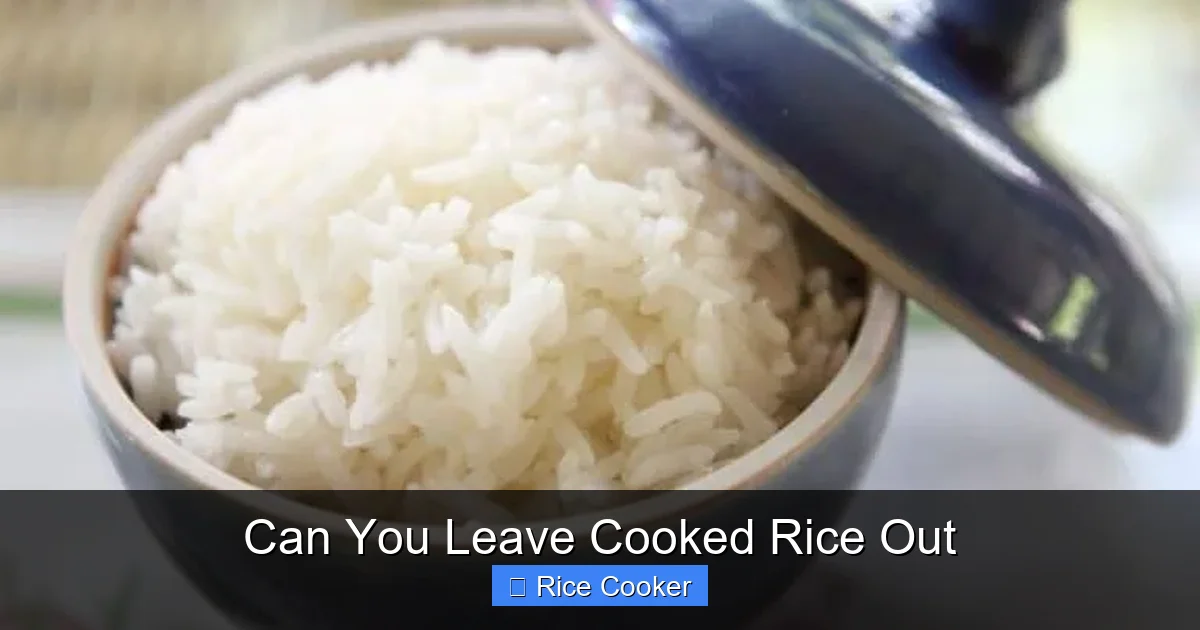
Leaving cooked rice out at room temperature is risky. Bacteria like *Bacillus cereus* grow quickly between 40°F and 140°F, and rice is a common source of foodborne illness if mishandled. Always refrigerate within two hours, cool it properly, and reheat thoroughly to enjoy safe, tasty meals.
Key Takeaways
- Bacterial Growth Risk: Cooked rice left out too long can harbor dangerous bacteria that multiply rapidly in the “danger zone” (40°F–140°F), increasing food poisoning risk.
- Safe Storage Window: Refrigerate cooked rice within two hours of cooking or one hour if the ambient temperature exceeds 90°F (32°C).
- Proper Cooling Matters: Divide large batches into shallow containers to speed up cooling and prevent bacterial buildup.
- Reheating Is Crucial: Always reheat rice to an internal temperature of 165°F (74°C) to kill any potential toxins.
- Label and Consume Promptly: Use airtight containers, label with dates, and eat refrigerated rice within 3–4 days for best quality and safety.
- Signs of Spoiled Rice: Discard rice if it smells off, feels slimy, has mold, or shows unusual color changes.
- Rice Cooker Tips: Clean your rice cooker after each use and avoid cross-contamination by using clean utensils when scooping out portions.
📑 Table of Contents
- Can You Leave Cooked Rice Out? The Truth About Food Safety
- Why Can’t You Leave Cooked Rice Out?
- How Long Can You Safely Leave Cooked Rice Out?
- Best Practices for Storing Cooked Rice
- Rice Cooker-Specific Tips
- Common Myths About Cooked Rice Safety
- How to Tell If Rice Has Gone Bad
- Creative Ways to Use Leftover Rice Safely
- Global Perspectives on Rice Handling
- Conclusion: Small Habits, Big Impact
Can You Leave Cooked Rice Out? The Truth About Food Safety
You just finished a delicious meal with leftover rice—maybe from a pot of biryani, fried rice, or plain steamed white rice. You’re tempted to leave it on the counter so it’s ready for tomorrow. But pause. That simple habit might be putting your family at risk.
Cooked rice is a staple in many diets around the world—light, fluffy, and endlessly versatile. Yet despite its popularity, it’s also one of the most commonly mismanaged foods in kitchens. The reason lies in a sneaky type of bacteria called *Bacillus cereus*. This hardy microbe survives cooking temperatures and quietly reproduces in warm, moist environments. If rice sits out too long, those bacteria multiply, produce heat-stable toxins, and—when eaten—can cause vomiting or diarrhea within hours.
So, can you leave cooked rice out? The short answer is **no**, not safely. In this complete guide, we’ll walk through everything you need to know about storing cooked rice, from immediate post-cooking steps to reheating and reuse. Whether you’re using a traditional pot, electric rice cooker, or air fryer to make your grains, these safety tips apply across all methods.
Why Can’t You Leave Cooked Rice Out?
Visual guide about Can You Leave Cooked Rice Out
Image source: i.pinimg.com
Understanding *why* cooked rice is unsafe at room temperature starts with knowing about *Bacillus cereus*. This spore-forming bacterium is naturally present in soil and grains. When raw rice absorbs water during cooking, those spores get activated. Cooking normally kills them, but here’s the catch: if the hot rice isn’t cooled quickly enough, the spores can wake back up and start multiplying.
The danger zone for bacterial growth is between 40°F (4°C) and 140°F (60°C). Within this range—especially after several hours—bacteria double in number every 20 minutes under ideal conditions. Even worse, some toxins produced by *B. cereus* aren’t destroyed by reheating. So even if you boil leftover rice before eating, you might still get sick.
For example, imagine you cook a large batch of jasmine rice for dinner. After serving, you leave the rest uncovered on the kitchen counter overnight. By morning, the rice has absorbed ambient warmth, and bacteria have thrived. Eating that rice could lead to rapid-onset food poisoning—often mistaken for stomach flu because symptoms appear fast (within 1–5 hours).
The Two Types of Rice Poisoning
There are actually two forms of illness linked to contaminated rice:
– **Emetic (vomiting)**: Caused by a toxin called cereulide, which survives boiling. Symptoms include sudden nausea and vomiting.
– **Diarrheal**: Triggered by enterotoxins that affect digestion; symptoms include diarrhea and abdominal cramps.
Both types are linked specifically to improperly stored cooked rice. Other foods may spoil visibly or smell bad, but rice can look and taste perfectly fine while being dangerously contaminated.
How Long Can You Safely Leave Cooked Rice Out?
The golden rule: **never let cooked rice sit at room temperature for more than two hours**. If your kitchen is particularly warm—say, above 90°F (32°C)—reduce that window to just one hour. Heat accelerates bacterial growth, making the risk even greater.
After two hours, the chance of harmful bacteria reaching dangerous levels jumps significantly. That doesn’t mean the rice will always make you sick—but it does mean you’re gambling with your health.
Many people assume that because rice is dry, it won’t spoil quickly. But moisture from steam and residual cooking liquid creates the perfect environment for bacteria. Plus, unlike bread or pasta, rice lacks preservatives and natural acidity to inhibit microbial growth.
What Happens During Improper Storage?
Let’s say you’ve already left rice out past the safety window. What’s going on inside?
– **Spore germination**: Surviving spores begin to grow in the warm, humid environment.
– **Toxin production**: Some strains release heat-stable toxins that resist standard reheating.
– **Enzyme activity**: Proteins and starches break down faster, altering texture and flavor.
– **Mold development**: Over time, especially in humid climates, surface mold may appear.
Even if you don’t see mold, smell rot, or notice sliminess (which rice rarely exhibits), the invisible risk remains. That’s why visual cues aren’t reliable indicators of safety.
Best Practices for Storing Cooked Rice
If you want to enjoy leftovers without worry, follow these science-backed steps:
1. Cool It Fast
Don’t pour hot rice straight into the fridge. Instead, spread it out in a single layer on a baking sheet or divide it into shallow containers (about 2 inches deep). This increases surface area, allowing heat to escape quickly. Aim to cool rice from 140°F to below 70°F within two hours.
Using an ice bath (placing the container in cold water) can help speed this process. Just avoid letting water touch the rice directly unless it’s in a sealed container.
2. Refrigerate Promptly
Once cooled, transfer rice to airtight containers. Glass or BPA-free plastic works well. Seal tightly to prevent drying out and cross-contamination. Label each container with the date—most experts recommend consuming within 3–4 days.
Note: Freezing is also safe and extends shelf life to 6–8 months. Portion into freezer-safe bags or containers, squeeze out excess air, and freeze flat for easy stacking.
3. Reheat Thoroughly
When you’re ready to eat, always reheat rice to an internal temperature of 165°F (74°C). Stir frequently and add a splash of water if it seems dry—this helps distribute heat evenly. Never microwave cold rice without stirring first, as hot spots can develop.
Avoid partially reheating rice multiple times. Each cycle introduces new opportunities for bacterial growth if not handled correctly.
4. Use Clean Utensils
Every time you serve rice from a container, use a clean spoon. Don’t dip fingers in or reuse unwashed scoops. Cross-contamination from dirty hands or utensils is a common way to reintroduce bacteria.
Also, wipe down your rice cooker or pot after cleaning—residue can harbor microbes if not sanitized regularly.
Rice Cooker-Specific Tips
Since rice cookers automate much of the cooking process, they come with their own set of considerations:
Clean After Every Use
Most rice cookers have non-stick inner pots that require gentle cleaning. Rinse immediately after cooking to prevent starch buildup. Use mild soap and a soft sponge—scrubbing too hard can damage the coating and create tiny crevices where bacteria hide.
Don’t forget the lid! Steam condenses and drips back down; residue there can lead to mold if neglected.
Avoid Overfilling
Follow manufacturer guidelines for water ratios and capacity limits. Overfilling increases the risk of uneven cooking and prolonged heat retention in cooler areas of the pot, which can allow bacterial growth in undercooked grains.
Keep the Unit Dry
After washing, dry the inner pot and exterior thoroughly before storing. Moisture encourages rust and mold, especially in humid environments.
Unplug When Not in Use
While modern rice cookers have auto-shutoff features, unplugging eliminates electrical hazards and ensures consistent performance over time.
Common Myths About Cooked Rice Safety
Let’s clear up some widespread misconceptions:
Myth 1: “If I boil it again, it’s safe.”
False. As mentioned earlier, certain toxins from *B. cereus* are heat-resistant. Boiling won’t destroy them. Only proper refrigeration and rapid cooling prevent toxin formation in the first place.
Myth 2: “Rice left out overnight is fine if it looks okay.”
Not true. Contaminated rice often appears normal. Toxins don’t change color, smell, or texture. Relying on appearance is dangerous.
Myth 3: “Freezing ruins the texture.”
Partially true—freezing can make rice slightly gummy upon thawing. But it’s still safe to eat! To minimize texture loss, cook rice slightly less al dente next time, or add a teaspoon of oil to the cooking water to preserve fluffiness.
Myth 4: “Leftover rice from takeout is safe if reheated.”
Takeout rice is often prepared in bulk and transported at unsafe temperatures. It may have been sitting too long before delivery. When in doubt, treat restaurant leftovers as potentially risky—refrigerate promptly upon arrival home.
How to Tell If Rice Has Gone Bad
While spoilage signs vary, watch for these red flags:
– **Off odor**: Sour, rancid, or ammonia-like smells indicate fermentation or bacterial decay.
– **Unusual color**: Discoloration (green, yellow, or black patches) suggests mold or oxidation.
– **Slimy texture**: Though rare in rice, excessive stickiness or glue-like consistency signals contamination.
– **Presence of insects or mold**: Visible pests or fuzzy growth mean immediate discard.
– **Gas bubbles or swelling**: If the container puffs up, anaerobic bacteria may be producing gas—throw it away.
Remember: when it comes to rice, when in doubt, throw it out.
Creative Ways to Use Leftover Rice Safely
Don’t let good rice go to waste! Here are tasty, safe ideas:
– **Fried Rice**: Stir-fry with veggies, eggs, soy sauce, and protein. Quick and satisfying.
– **Risotto**: Gradually add warm broth to cooled rice for creamy results.
– **Stuffed Peppers or Veggie Bowls**: Mix rice with spices, beans, and cheese for hearty mains.
– **Rice Pudding**: Simmer rice with milk, cinnamon, and sugar for dessert.
– **Salads**: Combine cooled rice with cucumbers, herbs, and vinaigrette.
All these recipes rely on properly stored, refrigerated rice—so build safety into your prep routine.
Global Perspectives on Rice Handling
Different cultures handle rice differently—some traditions involve fermenting or salting, which act as natural preservatives. For instance, sushi-grade rice is typically used immediately due to raw fish risks, not because of grain safety alone. Similarly, Middle Eastern dishes like mujadara store lentil-rice combos overnight because they contain acidic elements (like lemon or vinegar) that slow bacterial growth.
In contrast, Western-style cooked rice lacks such protections, making strict temperature control essential.
Conclusion: Small Habits, Big Impact
Leaving cooked rice out may seem harmless, but it’s a shortcut to foodborne illness. By following simple rules—cool quickly, refrigerate within two hours, reheat thoroughly—you protect your family without sacrificing convenience or taste.
Your rice cooker is a powerful tool, but it can’t fix human error. Treat every batch of cooked rice like a potential hazard until proven otherwise. With mindful habits, you’ll keep rice delicious, nutritious, and safe.
Next time you make a big pot, think ahead: portion it now, chill it fast, and enjoy later. Your future self (and your taste buds) will thank you.
Frequently Asked Questions
Can you leave cooked rice out overnight?
No, leaving cooked rice out overnight is unsafe. Bacteria like *Bacillus cereus* multiply rapidly between 40°F and 140°F, producing toxins that survive reheating. Always refrigerate within two hours to prevent illness.
Is it OK to leave rice out for 4 hours?
It’s not recommended. After two hours at room temperature, the risk of bacterial growth becomes significant. In hot environments (above 90°F), the safe window drops to just one hour. When in doubt, discard rice left out for 4 hours.
How do you store cooked rice properly?
Spread hot rice in shallow layers to cool quickly, then transfer to airtight containers and refrigerate within two hours. Label with the date and consume within 3–4 days. Freezing extends shelf life to 6–8 months.
Can you reheat rice more than once?
It’s best to reheat rice only once. Multiple reheating cycles increase the risk of bacterial growth if the rice isn’t cooled and stored properly between uses. Always bring rice to 165°F (74°C) before eating.
Why does my rice taste funny after refrigeration?
Old or poorly stored rice may absorb odors from the fridge or dry out. To improve flavor, add a splash of water or broth when reheating. Also ensure containers are airtight and rice was cooled and stored promptly after cooking.
Are instant rice packets safe to leave out?
Instant rice packets should still follow food safety rules. Once opened and cooked, any leftovers must be refrigerated within two hours. Unopened packets have a long shelf life but should be stored in a cool, dry place.