
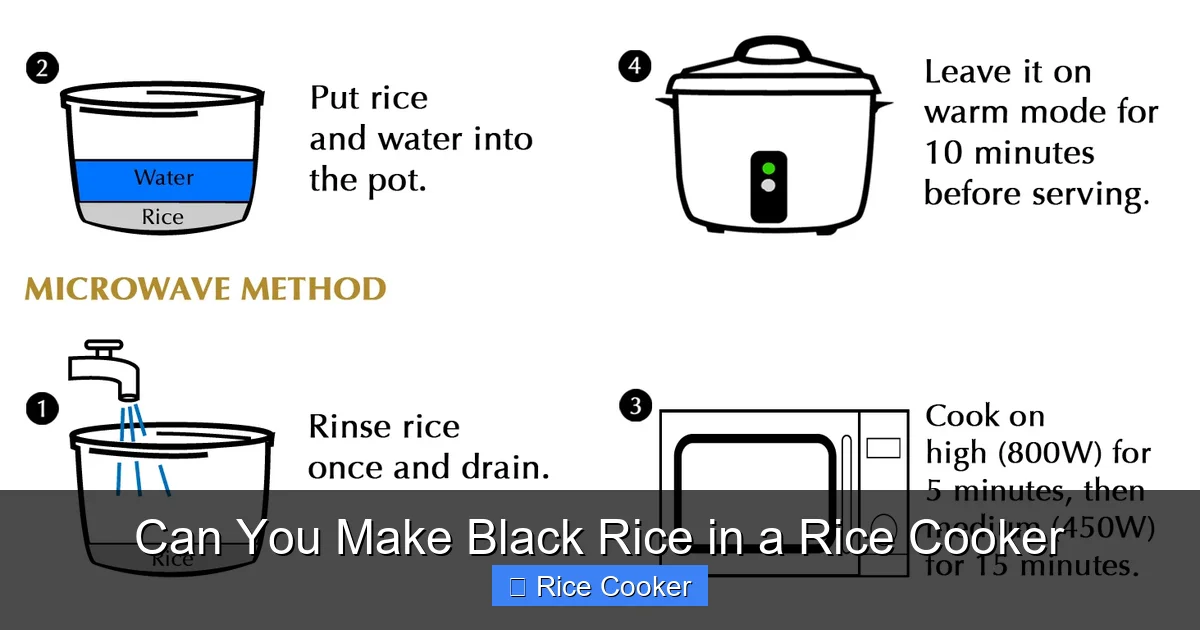
Can you make black rice in a rice cooker? Absolutely! With the right water-to-rice ratio and a few simple steps, your rice cooker can produce tender, flavorful black rice that’s packed with antioxidants and fiber. Unlike traditional stovetop methods, using a rice cooker saves time and ensures consistent results every single time.
Key Takeaways
- Rice cookers are perfect for black rice: Their automated settings take the guesswork out of cooking, ensuring even texture and flavor.
- Use a 1:2 water-to-rice ratio: This is the standard starting point for most rice cookers when making black rice.
- Soaking improves texture: Soaking black rice for 30 minutes to 2 hours helps reduce cooking time and softens the grains.
- Don’t skip the rinsing step: Rinsing removes excess starch and prevents clumping.
- Let it rest after cooking: Resting allows steam to distribute evenly, resulting in fluffier rice.
- Experiment with seasonings: Add herbs, spices, or broth for extra flavor without altering the cooking process.
- Cleanup is easy: Most modern rice cookers have non-stick inner pots that clean up quickly with soap and water.
📑 Table of Contents
- Introduction: Why Black Rice Belongs in Your Kitchen
- What Makes Black Rice Different?
- How to Make Black Rice in a Rice Cooker: Step-by-Step Guide
- Common Mistakes to Avoid When Making Black Rice
- Tips to Elevate Your Black Rice Experience
- Is Black Rice Worth the Effort?
- Final Thoughts: Embrace the Superfood Revolution
Introduction: Why Black Rice Belongs in Your Kitchen
If you’re looking to elevate your meals with something both delicious and nutritious, black rice might just be your new favorite grain. Known scientifically as *Oryza sativa* L. var. *heenov*, black rice has been gaining popularity thanks to its deep purple-black hue, rich earthy flavor, and impressive health benefits. Packed with antioxidants, fiber, and essential minerals, it’s often called “forbidden rice”—a name rooted in ancient Chinese history when only royalty was allowed to consume it.
Cooking black rice on the stove can be tricky. It requires constant attention, precise timing, and the risk of overcooking or burning. But here’s the good news: you absolutely can make black rice in a rice cooker, and doing so simplifies the process while delivering consistently excellent results. Whether you’re meal prepping, feeding a family, or simply craving a gourmet side dish, your rice cooker is ready to handle this superfood with ease.
What Makes Black Rice Different?
A Nutritional Powerhouse
Black rice stands out not just visually but nutritionally too. Compared to white rice, which loses much of its bran and germ during processing, black rice retains these nutrient-rich layers. This gives it a higher concentration of anthocyanins—the same powerful antioxidants found in blueberries and red wine. These compounds help combat oxidative stress, support heart health, and may even reduce inflammation.
Visual guide about Can You Make Black Rice in a Rice Cooker
Image source: ricearray.org
Additionally, black rice is a good source of fiber, iron, magnesium, and B vitamins. One cup of cooked black rice provides about 5 grams of fiber and 3.5 grams of protein, making it a satisfying choice for vegetarians and anyone trying to maintain steady energy levels throughout the day.
The Texture Challenge
While black rice is nutritious, it can be tricky to cook properly—especially if you’re used to softer, stickier varieties like jasmine or sushi rice. The outer layer of bran makes black rice more resistant to heat and moisture, which means it needs a bit more time and attention than other types. On the stovetop, this often leads to either undercooked centers or mushy exteriors.
This is where a rice cooker shines. Its controlled heating environment and automatic shut-off feature prevent overcooking, while the ability to soak the rice beforehand ensures even hydration and tenderness. In short, cooking black rice in a rice cooker isn’t just possible—it’s one of the best ways to do it right.
How to Make Black Rice in a Rice Cooker: Step-by-Step Guide
Gather Your Ingredients and Tools
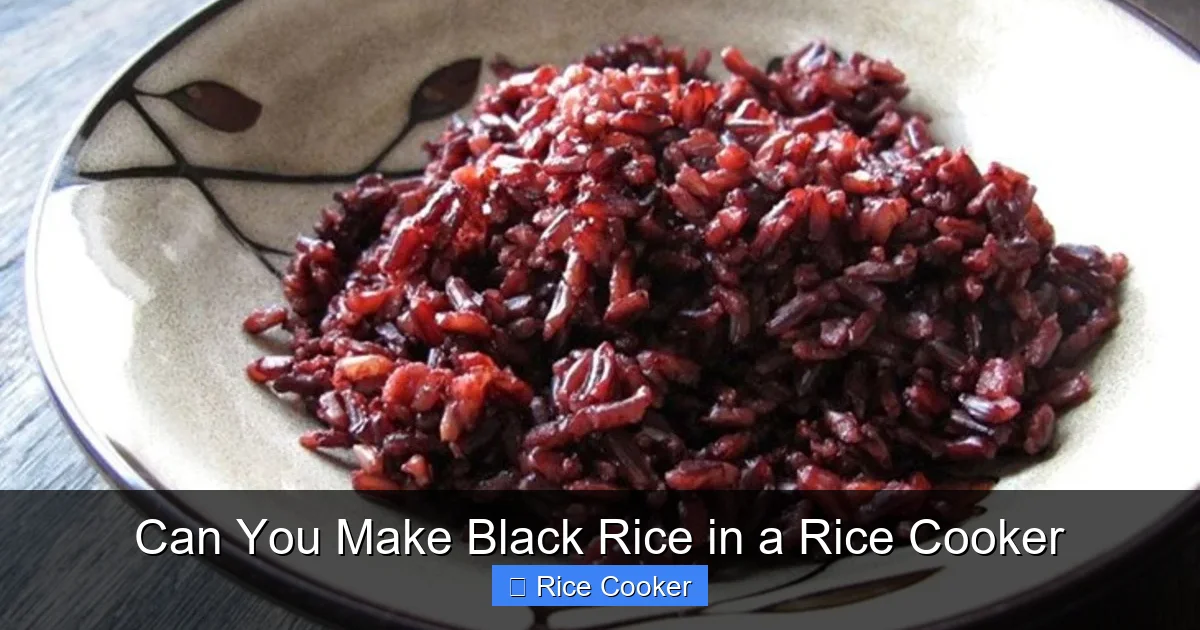
Before you begin, make sure you have everything ready. You’ll need:
Visual guide about Can You Make Black Rice in a Rice Cooker
Image source: storables.com
- 1 cup uncooked black rice (rinsed)
- 2 cups water (or broth for added flavor)
- 1 rice cooker with a non-stick inner pot
- Fine-mesh strainer (optional, for rinsing)
- Measuring cups and spoons
- Wooden spoon or spatula (for stirring, if needed)
Having your tools at hand prevents last-minute scrambling and keeps the process smooth.
Step 1: Rinse the Rice Thoroughly
Rinsing removes surface starch and any debris. Place the black rice in a fine-mesh strainer and run cool water through it for about 30–60 seconds until the water runs clear. This step is especially important because black rice tends to release more starch than other grains, which can lead to clumpy rice if skipped.
Pro tip: Don’t rinse too long or too vigorously—black rice has a delicate texture that can break apart if handled roughly.
Step 2: Soak for Better Texture (Optional but Recommended)
While not strictly necessary, soaking black rice significantly improves its texture and reduces cooking time. Here’s how:
- Place rinsed rice in a bowl.
- Add 2 cups of warm water (not hot—this preserves nutrients).
- Cover and let sit for 30 minutes to 2 hours.
- Drain before adding to the rice cooker.
Soaked black rice cooks faster and ends up less chewy and more tender. If you’re short on time, you can skip this step, but expect slightly firmer grains.
Step 3: Add Rice and Water to the Cooker
Transfer the drained rice into the rice cooker’s inner pot. Add 2 cups of water (or liquid). For extra flavor, try using vegetable or chicken broth instead of plain water. This adds depth without changing the cooking method.
Note: Some rice cookers recommend a 1:1.75 ratio (e.g., 1 cup rice to 1.75 cups water), so always check your machine’s manual. However, 1:2 is generally safe for black rice.
Step 4: Start the Cooking Cycle
Close the lid and press the “Cook” button. Most modern rice cookers automatically switch to “Keep Warm” once cooking is complete. This means you don’t need to monitor the process—just set it and forget it!
If your rice cooker has multiple settings (like “Brown Rice” or “Multigrain”), select the appropriate one. These modes adjust temperature and timing for denser grains like black rice.
Step 5: Let It Rest Before Fluffing
Once the cycle ends and the cooker switches to “Keep Warm,” let the rice sit for 10–15 minutes. This resting period allows steam to redistribute, making the rice fluffier and easier to serve. Afterward, gently fluff it with a fork before serving.
Common Mistakes to Avoid When Making Black Rice
Using Too Little Water
One of the biggest errors people make is using too little liquid. Black rice needs plenty of water to soften properly. Too little, and the center will remain hard; too much, and the rice becomes soupy. Stick to the 1:2 ratio unless your rice cooker manual suggests otherwise.
Not Rinsing or Over-Rinsing
Skipping the rinse leaves behind excess starch that can cause clumping. Conversely, over-rinsing can wash away some of the beneficial nutrients and color. A quick 30-second rinse under cold running water is usually sufficient.
Skipping the Soak
While optional, skipping the soak means longer cooking times and potentially tougher grains. If you’re cooking black rice regularly, investing 30 minutes upfront pays off in better texture.
Fluffing Too Soon
Resist the urge to fluff the rice immediately after cooking. Doing so disrupts the structure and can lead to uneven consistency. Wait until the keep-warm phase ends.
Using Cold Water for Soaking
Cold water slows down the soaking process. Use lukewarm water to help the grains absorb moisture more efficiently.
Tips to Elevate Your Black Rice Experience
Flavor Infusion Techniques
Want to take your black rice from basic to bold? Try these flavor-boosting ideas:
- Herbs & Spices: Add a bay leaf, cinnamon stick, or pinch of cumin during cooking.
- Liquid Swap: Replace half the water with coconut milk for a creamy, subtly sweet version.
- Salt Timing: Add a teaspoon of salt after the rice finishes cooking for a cleaner taste.
These tweaks work great for dishes like Buddha bowls, grain salads, or even desserts like black rice pudding.
Storage and Reheating Tips
Cooked black rice keeps well in the refrigerator for up to 5 days. Store it in an airtight container and reheat gently in a saucepan with a splash of water to restore moisture. Avoid microwaving directly from the fridge—it dries out the rice.
Pairing Suggestions
Black rice pairs beautifully with:
- Grilled salmon or tofu
- Roasted vegetables (like Brussels sprouts or sweet potatoes)
- Fresh herbs (cilantro, parsley, or mint)
- Avocado slices or crumbled feta
Its nutty flavor complements both savory and slightly sweet dishes.
Is Black Rice Worth the Effort?
Absolutely. While black rice requires a bit more attention than instant or white rice, the payoff is worth it. Not only does it look stunning on the plate, but it also supports digestive health, boosts immunity, and adds variety to your diet. And with a rice cooker, the effort is minimal—just a few extra minutes of prep and zero babysitting during cooking.
Plus, making black rice at home lets you control what goes into your food. No preservatives, no unnecessary additives—just pure, wholesome goodness.
Final Thoughts: Embrace the Superfood Revolution
Making black rice in a rice cooker isn’t just convenient—it’s empowering. It opens the door to healthier eating without sacrificing taste or time. Whether you’re new to whole grains or a seasoned kitchen pro, this simple upgrade can transform your meals.
So go ahead—grab that bag of black rice, fire up your rice cooker, and enjoy a bowl that’s as nourishing as it is delicious. Your future self will thank you.
Frequently Asked Questions
How long does it take to cook black rice in a rice cooker?
Most rice cookers take about 30–35 minutes to cook black rice, depending on the model and whether the rice was soaked beforehand. Once done, it stays warm for several hours.
Can I use a different liquid besides water?
Yes! Vegetable broth, coconut milk, or even apple cider vinegar diluted in water can add flavor without affecting the cooking process.
Why is my black rice still hard after cooking?
This usually happens if there wasn’t enough water or if the rice wasn’t soaked. Try increasing the water ratio slightly next time or soaking for at least 1 hour.
Can I cook black rice in a regular rice cooker without special settings?
Yes—most standard rice cookers work fine. Just follow the 1:2 water-to-rice ratio and avoid high-heat settings.
Does soaking black rice shorten cooking time?
Yes. Soaking allows the grains to absorb moisture, reducing active cooking time by 5–10 minutes and improving texture.
Can I freeze cooked black rice?
Absolutely. Portion it into freezer-safe containers and store for up to 3 months. Thaw overnight in the fridge before reheating.