
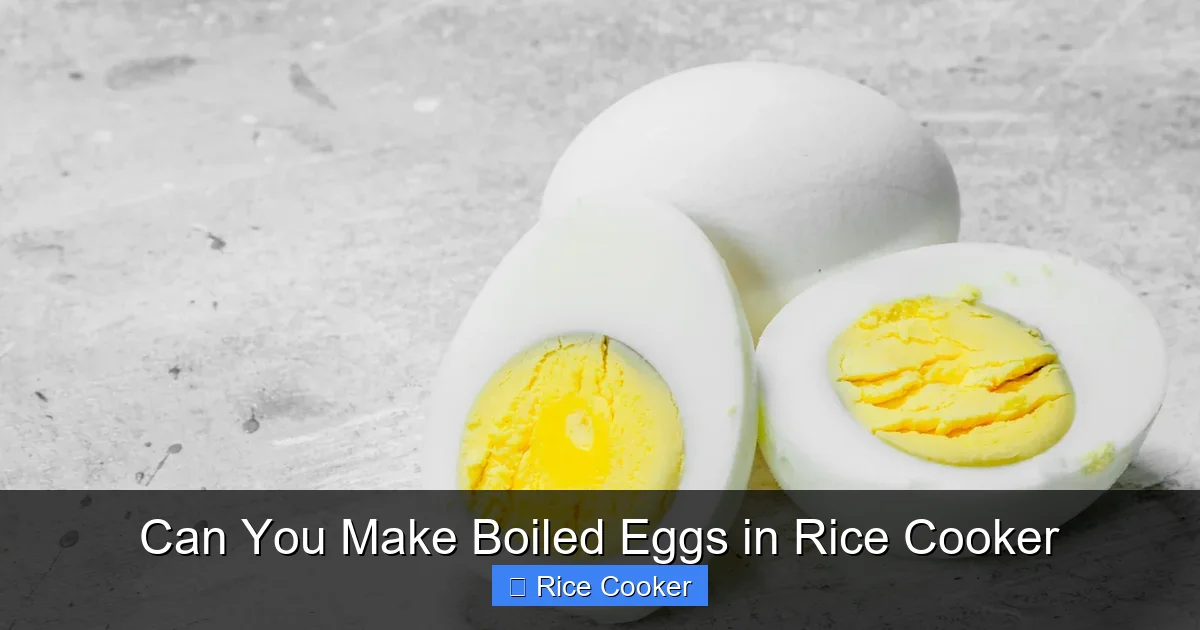
Making boiled eggs in a rice cooker is not only possible—it’s easier than you think! With just water, eggs, and a little timing, your rice cooker can produce tender whites and creamy yolks without any babysitting. Whether you’re meal prepping or craving soft-boiled eggs for breakfast, this method offers consistent results every time.
Key Takeaways
- Yes, it works: A rice cooker can perfectly boil eggs using its steaming or warm-keeping function—no stovetop needed.
- Saves time and energy: Cook multiple eggs at once while simultaneously preparing rice, oatmeal, or other grains.
- Consistent results: The steady heat of a rice cooker ensures even cooking, avoiding overcooked or rubbery eggs.
- Easy cleanup: Use a trivet or steamer basket so eggs sit above the water—no mess on the bottom of the pot.
- Customizable doneness: Adjust cooking time based on preference: 6 minutes for jammy yolks, 10+ for fully set yolks.
- Great for meal prep: Boil a batch of eggs ahead of time for salads, sandwiches, or quick snacks.
- Safe and efficient: Modern rice cookers have precise temperature control, reducing risk compared to open boiling.
📑 Table of Contents
- Can You Make Boiled Eggs in a Rice Cooker?
- Why Use a Rice Cooker for Boiled Eggs?
- What You’ll Need to Make Boiled Eggs in a Rice Cooker
- Step-by-Step Guide: How to Boil Eggs in a Rice Cooker
- Tips for Perfect Boiled Eggs Every Time
- Troubleshooting Common Issues
- Creative Ways to Use Your Boiled Eggs
- Frequently Asked Questions
- Conclusion: Embrace the Versatility of Your Rice Cooker
Can You Make Boiled Eggs in a Rice Cooker?
If you’ve ever wanted to whip up a batch of hard-boiled eggs without standing over a pot of boiling water, your rice cooker might just be the unsung hero you didn’t know you needed. That’s right—you can absolutely make boiled eggs in a rice cooker! In fact, many home cooks swear by this method for its convenience, consistency, and ability to multitask in the kitchen.
The idea may sound surprising at first—after all, a rice cooker isn’t typically marketed as an egg boiler—but its design makes it surprisingly well-suited for the job. Most modern rice cookers come with a built-in steamer basket or tray that allows food to sit above simmering water, which is exactly what we need for gently cooking eggs without direct contact with high heat. Plus, once the water reaches a rolling boil (or simmers), the cooker switches to “warm” mode, keeping everything at just the right temperature to finish cooking evenly.
In this article, we’ll walk you through everything you need to know about making perfect boiled eggs in your rice cooker—from choosing the right setup to mastering timing and troubleshooting common issues. Whether you’re new to rice cooker hacks or looking to expand your culinary toolkit, you’re about to discover a whole new level of kitchen efficiency.
Why Use a Rice Cooker for Boiled Eggs?
Before diving into the step-by-step process, let’s talk about why this method stands out from traditional boiling techniques. There are several compelling reasons people turn to their rice cookers when boiling eggs:
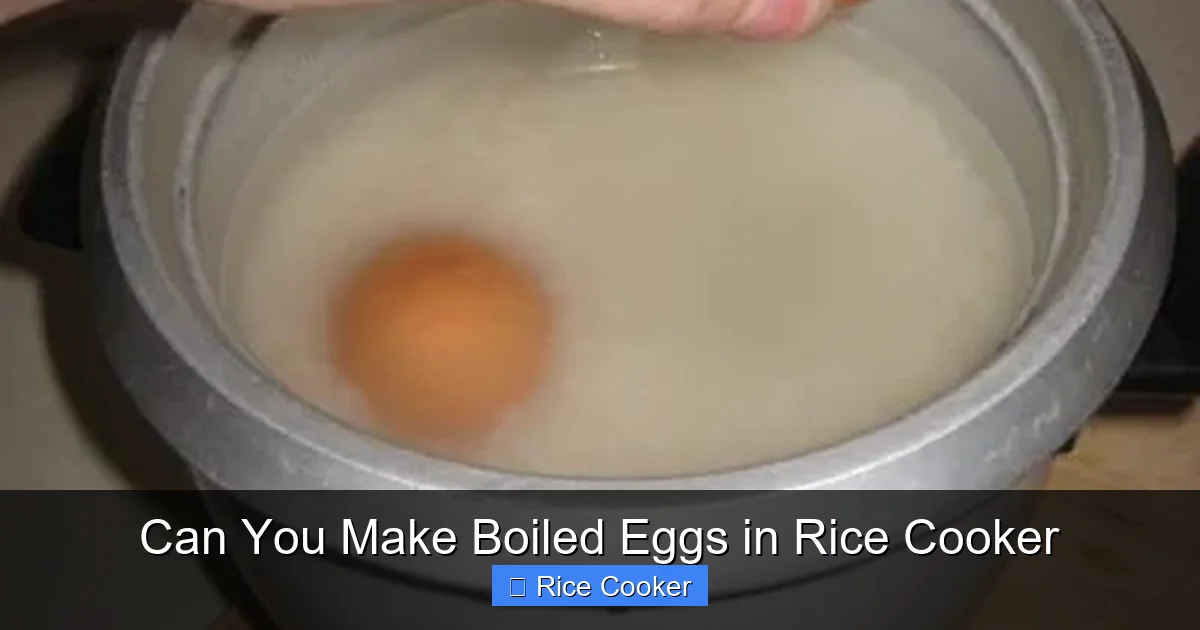
Visual guide about Can You Make Boiled Eggs in Rice Cooker
Image source: img.thrfun.com
Energy Efficiency
Rice cookers use significantly less electricity than stovetops, especially electric ones. Instead of heating an entire pot of water just to boil a few eggs, your rice cooker focuses energy precisely where it’s needed—in the base unit. This means lower utility bills and reduced environmental impact, all while still getting dinner ready faster.
Multitasking Made Easy
One of the biggest perks? You can cook rice, quinoa, oats, or even steamed veggies alongside your eggs—all in one appliance. Imagine starting your morning with steel-cut oats and two soft-boiled eggs, all done together. No extra pans, no constant stirring, and no watching the clock. Just set it and forget it (mostly).
Even Heat Distribution
Rice cookers maintain a consistent internal temperature thanks to their automatic shut-off and warming cycles. Unlike boiling over a flame—where hot spots can cause uneven cooking—the gentle, sustained heat helps prevent green rings around yolks and keeps whites tender rather than tough.
Less Mess
When you boil eggs on the stove, there’s always a chance they’ll crack, splatter water everywhere, or require scrubbing afterward. With a rice cooker, you place eggs in a carton or directly in the steamer basket, add water to the inner pot, and let gravity do the work. Cleanup is minimal, and spills are rare.
What You’ll Need to Make Boiled Eggs in a Rice Cooker
Don’t worry—you won’t need fancy equipment or specialized gadgets. Here’s what to gather before you start:

Visual guide about Can You Make Boiled Eggs in Rice Cooker
Image source: apeachyplate.com
- A working rice cooker with a steamer basket or tray (most standard models have this)
- Fresh eggs (ideally within their expiration date for best texture)
- Water (about 1–2 inches deep in the inner pot)
- A spoon or tongs for handling hot eggs safely
- Optional: Ice bath container filled with cold water and ice cubes (for easier peeling later)
Pro tip: If your rice cooker doesn’t include a steamer basket, you can improvise with a heat-safe bowl placed upside-down inside the pot—just make sure it sits above the water level without touching it.
Step-by-Step Guide: How to Boil Eggs in a Rice Cooker
Ready to give it a try? Follow these simple steps for foolproof results every time.
Step 1: Prepare Your Eggs
Start with room-temperature eggs if possible. Cold eggs are more likely to crack when exposed to sudden temperature changes. Gently wipe them clean with a damp cloth to remove any dirt or debris.
Step 2: Add Water to the Inner Pot
Fill your rice cooker’s inner pot with about 1 to 2 inches of cold water. Too little water risks drying out the eggs; too much could overflow when heated. Aim for enough to create steam but not submerge the eggs.
Step 3: Place Eggs in the Steamer Basket
Carefully arrange eggs in the steamer basket, spacing them apart so they don’t bump into each other during cooking. If using a DIY setup (like an inverted bowl), nestle raw eggs inside gently.
Step 4: Close the Lid and Power On
Seal the lid tightly and plug in your rice cooker. Select either the “Steam” or “Cook” setting—some models auto-switch to warm after reaching peak temperature, which is ideal for eggs.
Step 5: Set a Timer
This is crucial! Cooking times vary slightly depending on egg size and desired doneness:
- Soft-boiled (runny yolk): 6–7 minutes
- Medium-boiled (slightly firm yolk): 8–9 minutes
- Hard-boiled (fully set yolk): 10–12 minutes
Use a kitchen timer so you don’t accidentally overcook.
Step 6: Shock in an Ice Bath (Optional but Recommended)
Once the timer goes off, immediately transfer eggs to a bowl of ice water for at least 5 minutes. This stops residual heat from continuing to cook the yolk, prevents cracking during peeling, and makes shells slip off easily.
Step 7: Peel and Enjoy!
Gently tap and roll eggs under cool running water to loosen shells, then peel and serve however you like—scrambled, sliced in salads, or deviled.
Tips for Perfect Boiled Eggs Every Time
Want juicier, fluffier yolks and cleaner peels? Try these expert tricks:
- Use older eggs when hard-boiling: As eggs age, the pH of the white increases, making it easier to peel. For soft-boiled, fresh eggs work better since they hold shape well.
- Add vinegar or baking soda: A teaspoon of white vinegar or baking soda in the water can help stabilize egg whites and reduce sticking.
- Don’t rush the cooling phase: Skipping the ice bath leads to overcooked centers and stubborn shells. Patience pays off!
- Check for cracks before cooking: Discard any eggs with visible fissures—they’re prone to leaking during heating.
- Experiment with timing: Keep a log of how long your eggs take based on your specific model. Rice cookers can vary slightly in performance.
Troubleshooting Common Issues
Even with the best intentions, things don’t always go smoothly. Here’s how to fix typical problems:
Eggs Won’t Peel Cleanly
If shells stick or tear, it’s usually because the eggs weren’t cooled properly or were overcooked. Always use an ice bath, and avoid boiling beyond 12 minutes for hard-boiled eggs. Also, cracked shells during cooking can lead to messy interiors—double-check freshness before starting.
Yolks Are Green or Blue
This discoloration happens when iron in the yolk reacts with sulfur in the white under high, prolonged heat. It’s harmless but unappealing. To prevent it, keep cooking times moderate and don’t let eggs sit in hot water after they’re done—transfer them straight to ice water.
Water Boils Over
If your rice cooker starts overflowing, reduce the initial water amount or remove the lid briefly to release excess steam. Never leave unattended, especially during the first few minutes of heating.
Eggs Are Underdone
Some rice cookers take longer to reach full boil than others. If your eggs remain runny after 12 minutes, increase future batches by 1–2 minutes. Consistency comes with practice.
Creative Ways to Use Your Boiled Eggs
Boiled eggs aren’t just for deviled spreads or protein shakes. Here are fun ways to repurpose them:
- Mediterranean bowls: Top quinoa or farro with halved eggs, olives, feta, and tzatziki.
- Avocado toast upgrade: Mash avocado on sourdough, slice boiled eggs overtop, sprinkle with paprika.
- Vietnamese bánh mì slaw: Shred cabbage, carrots, and jicama; toss with fish sauce dressing and quartered eggs.
- Japanese-style rice bowls: Serve over steamed sushi rice with pickled radish and sesame seeds.
- Snack packs: Portion peeled eggs into containers with cherry tomatoes, cucumber, and hummus for grab-and-go meals.
Frequently Asked Questions
How long does it take to boil eggs in a rice cooker?
It typically takes 6–12 minutes depending on desired doneness. Soft-boiled eggs cook fastest (6–7 minutes), while hard-boiled require 10–12 minutes. Always check your model’s performance and adjust accordingly.
Can I boil multiple eggs at once?
Absolutely! As long as they fit comfortably in the steamer basket without touching, you can boil six or more eggs simultaneously. Just ensure adequate water depth and sufficient spacing.
Do I need to add anything to the water besides eggs?
Not necessarily. Plain water works fine. However, adding a pinch of salt, vinegar, or baking soda can improve texture and ease of peeling.
Will my rice cooker break if I boil eggs in it?
No—modern rice cookers are designed for repeated use with steam and water. Just avoid submerging electrical components (which you won’t do if using the steamer tray correctly). Always follow manufacturer guidelines.
Can I make poached eggs in a rice cooker?
Technically, no—poaching requires direct agitation of water to suspend eggs gently, which a rice cooker can’t replicate. But you can achieve similar results using a dedicated egg poacher attachment or sous vide method instead.
Are boiled eggs made in a rice cooker safe to eat?
Yes, as long as you use clean eggs, proper hygiene, and cook them to appropriate temperatures. Hard-boiled eggs should reach 160°F internally, which most rice cooker cycles reliably provide. When in doubt, err on the side of longer cooking.
Conclusion: Embrace the Versatility of Your Rice Cooker
So, can you make boiled eggs in a rice cooker? The answer is a resounding yes—and now you know why this kitchen hack deserves a permanent spot in your routine. From saving time and energy to enabling creative meal prep, the benefits are clear. Plus, once you master the basics, experimenting with different timings and pairings opens up endless possibilities.
Whether you’re feeding a family, meal prepping for the week, or simply craving a perfectly textured soft-boiled egg for breakfast, your rice cooker has got your back. And the best part? You don’t need to buy expensive gadgets or learn complicated techniques—just a little attention to timing and a willingness to try something new.
Next time you reach for the stove, pause and consider: could your rice cooker do this instead? Chances are, it can—and it might even make life in the kitchen simpler, tastier, and more enjoyable.
Frequently Asked Questions
How long does it take to boil eggs in a rice cooker?
It typically takes 6–12 minutes depending on desired doneness. Soft-boiled eggs cook fastest (6–7 minutes), while hard-boiled require 10–12 minutes. Always check your model’s performance and adjust accordingly.
Can I boil multiple eggs at once?
Absolutely! As long as they fit comfortably in the steamer basket without touching, you can boil six or more eggs simultaneously. Just ensure adequate water depth and sufficient spacing.
Do I need to add anything to the water besides eggs?
Not necessarily. Plain water works fine. However, adding a pinch of salt, vinegar, or baking soda can improve texture and ease of peeling.
Will my rice cooker break if I boil eggs in it?
No—modern rice cookers are designed for repeated use with steam and water. Just avoid submerging electrical components (which you won’t do if using the steamer tray correctly). Always follow manufacturer guidelines.
Can I make poached eggs in a rice cooker?
Technically, no—poaching requires direct agitation of water to suspend eggs gently, which a rice cooker can’t replicate. But you can achieve similar results using a dedicated egg poacher attachment or sous vide method instead.
Are boiled eggs made in a rice cooker safe to eat?
Yes, as long as you use clean eggs, proper hygiene, and cook them to appropriate temperatures. Hard-boiled eggs should reach 160°F internally, which most rice cooker cycles reliably provide. When in doubt, err on the side of longer cooking.