
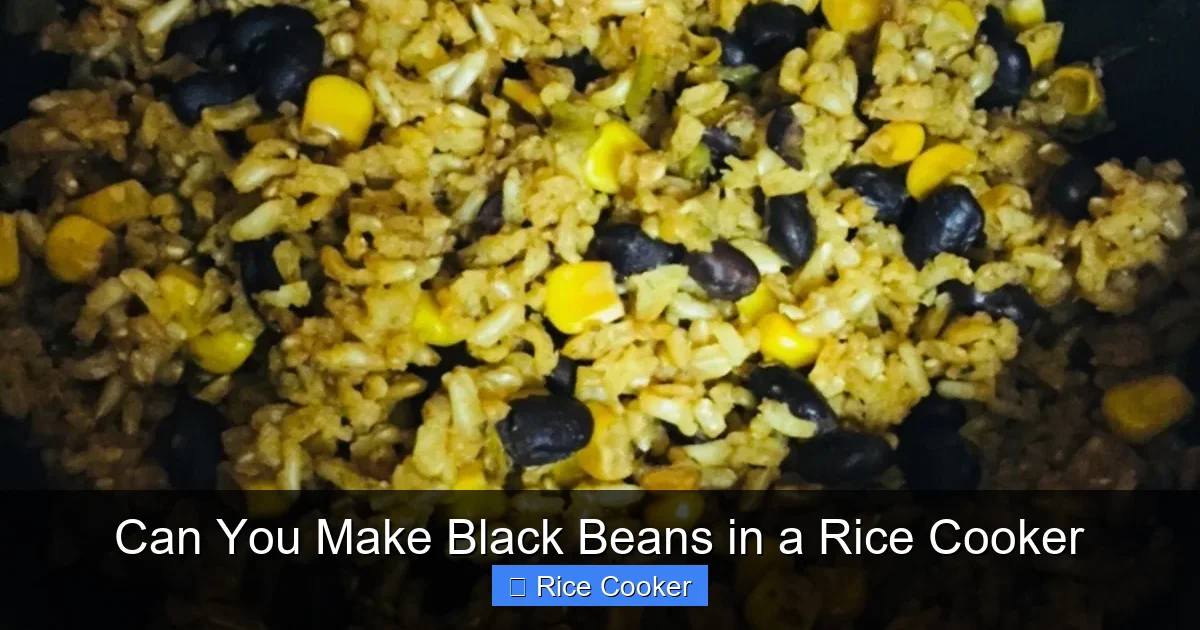
You absolutely can make delicious black beans in a rice cooker—no stovetop required. This simple technique produces tender, flavorful beans with minimal effort, making it ideal for soups, salads, or burritos. With the right ratio of water to beans and a pinch of seasoning, your rice cooker does all the hard work while you focus on other tasks.
Key Takeaways
- Yes, black beans cook perfectly in a rice cooker using the same basic settings as white rice.
- Soaking beans overnight reduces cooking time and improves texture by up to 30%.
- Using canned beans is faster and yields excellent results when rinsed and drained.
- Aromatics like garlic, onion, and cumin enhance flavor without extra steps.
- Seasoning after cooking prevents mushiness and ensures balanced taste.
- Storing leftovers in the fridge keeps them fresh for up to 5 days.
- Customizable for dietary needs—vegan, gluten-free, or low-sodium options are easy.
📑 Table of Contents
- Can You Make Black Beans in a Rice Cooker?
- The Science Behind Cooking Beans in a Rice Cooker
- Step-by-Step Guide: How to Cook Black Beans in a Rice Cooker
- Tips for Perfect Black Beans Every Time
- Common Mistakes to Avoid
- Black Beans vs. Other Legumes in the Rice Cooker
- Nutritional Benefits of Black Beans
- Meal Ideas Using Rice Cooker Black Beans
- Cleaning and Maintenance Tips
- FAQs
- Conclusion
Can You Make Black Beans in a Rice Cooker?
If you’re like most home cooks, you probably think of a rice cooker as a glorified pot for boiling grains. But here’s a secret: that handy appliance can do so much more! One of the best-kept secrets in modern cooking is how versatile a rice cooker truly is. From steaming vegetables to baking bread, and yes—even making black beans. That’s right. You don’t need a heavy stockpot or constant stirring to get tender, flavorful black beans. With just a few ingredients and your trusty rice cooker, you can prepare a protein-packed side dish, a base for tacos, or even a hearty bean soup—all with zero babysitting required.
Making black beans in a rice cooker isn’t just convenient; it’s also surprisingly effective. The sealed environment traps steam, which helps beans absorb moisture evenly and cook through without drying out or turning mushy. Plus, since there’s no evaporation, you retain more nutrients and natural flavors. Whether you’re meal prepping for the week or whipping up dinner after a long day, this method saves time and energy. And let’s be honest—who doesn’t love coming home to food already cooking?
The Science Behind Cooking Beans in a Rice Cooker
How Heat Distribution Works
Rice cookers are designed to maintain consistent internal temperatures between 190°F and 212°F (88°C–100°C), which is perfect for cooking legumes. Unlike open pots where heat escapes quickly, the lid seals tightly, creating a humid, pressurized micro-environment ideal for softening cell walls in dried beans. This means your black beans will cook evenly from the inside out, avoiding undercooked centers or overdone skins.

Visual guide about Can You Make Black Beans in a Rice Cooker
Image source: plantifullfare.com
Why Soaking Matters (But Isn’t Always Required)
Dried black beans benefit greatly from soaking—ideally 6–12 hours—because it rehydrates them slowly, reducing cooking time by half and minimizing the risk of splitting. However, if you’re short on time, many modern rice cookers have a “soak” or “quick soak” function, or you can use the quick-soak method: boil beans for 2 minutes, then let sit covered for an hour.
Water Ratio: The Golden Rule
The key to foolproof black beans lies in the water-to-bean ratio. For dried beans, aim for 3 parts water to 1 part beans by volume. So if you’re using 1 cup of dry beans, add 3 cups of water. If using canned beans, simply rinse and drain, then add only ½ cup water to prevent oversaturation.
Step-by-Step Guide: How to Cook Black Beans in a Rice Cooker
Gather Your Ingredients
Start with these essentials:

Visual guide about Can You Make Black Beans in a Rice Cooker
Image source: beanrecipes.com
- 1 cup dried black beans (or 1 can, about 15 oz)
- 3 cups filtered water (for dried) or ½ cup (for canned)
- 1 bay leaf (optional but recommended)
- 1 small onion, quartered
- 2 garlic cloves, smashed
- 1 teaspoon salt (add after cooking for best texture)
- Optional: cumin, smoked paprika, or epazote for deeper flavor
Prep the Beans (If Using Dried)
Skip this step if using canned. For dried beans, first sort through them to remove debris, then rinse under cold water. If soaking overnight, cover with 3 cups of water and store in the fridge. For a quicker approach, place beans in a large bowl, cover with boiling water, and let sit for 1 hour. Drain and rinse before cooking.
Add Everything to the Inner Pot
Place the inner pot of your rice cooker into the base. Add soaked or quick-soaked dried beans (or drained canned beans), water, onion, garlic, bay leaf, and any optional spices. Give everything a gentle stir.
Cook on Standard Setting
Secure the lid and press the “Cook” button (usually labeled “White Rice” or “Normal”). Most rice cookers automatically switch to “Keep Warm” once done—don’t skip this step! Let beans rest in the warm setting for 10–15 minutes after cooking; this allows flavors to meld and ensures even doneness.
Season and Serve
Once cooked, remove the bay leaf and aromatics. Stir in salt and any additional seasonings. Mash some beans with the back of a spoon for a thicker consistency if desired. Serve warm as a side, in bowls with rice, or folded into tacos.
Tips for Perfect Black Beans Every Time
Don’t Add Salt Too Early
Salt draws out moisture during cooking, which can cause beans to become tough or split. Always wait until the final step to season.
Use Filtered Water
Chlorine and impurities in tap water can affect both taste and digestibility. Filtered water helps preserve the natural earthy flavor of black beans.
Experiment with Flavor Boosters
Try adding a strip of bacon or sausage casing for smokiness (remove before serving), or toss in a handful of fresh cilantro at the end. A splash of lime juice brightens the dish beautifully.
Store Leftovers Properly
Cool beans completely before storing in an airtight container. They’ll keep in the refrigerator for up to 5 days or frozen for 3 months. Reheat gently on the stovetop with a splash of water to revive moisture.
Common Mistakes to Avoid
Using Too Much Liquid
Excess water leads to bland, waterlogged beans. Stick to the 3:1 ratio unless you plan to puree them into dips or soups.
Skipping the Soak (Without Compensating)
Unsoaked beans take 1.5–2 hours to cook fully—longer than your rice cooker cycle. If rushing, use the quick-soak method or opt for canned beans.
Opening the Lid During Cooking
Every time you lift the lid, heat and steam escape, extending cook time and risking unevenness. Trust the process!
Black Beans vs. Other Legumes in the Rice Cooker
Black Beans vs. Pinto Beans
Both cook similarly in a rice cooker, but pinto beans tend to hold their shape better due to higher starch content. Black beans develop a creamier texture, ideal for dishes like refried beans or bean dips.
Black Beans vs. Chickpeas
Chickpeas require longer soaking and cooking times (up to 3 hours). They’re better suited for recipes calling for mashing or roasting.
Black Beans vs. Kidney BeansKidney beans must be boiled before soaking due to toxicity risks, making them less beginner-friendly than black beans.
Nutritional Benefits of Black Beans
Protein Powerhouse
One cup of cooked black beans provides about 15 grams of plant-based protein—making them a staple in vegetarian diets. Combine with whole grains for complete amino acid profiles.
Fiber-Rich Goodness
High fiber content supports digestive health, stabilizes blood sugar, and keeps you feeling full longer. Aim for 15–19 grams per cup depending on variety.
Heart-Healthy Compounds
Antioxidants like anthocyanins give black beans their deep color and may reduce inflammation. These compounds are linked to lower cholesterol and improved arterial function.
Low Glycemic Index
Unlike refined carbohydrates, black beans release energy slowly, preventing insulin spikes—great news for diabetics and weight management.
Meal Ideas Using Rice Cooker Black Beans
Breakfast Burrito Bowl
Layer warm black beans over brown rice, top with avocado, salsa, and scrambled eggs. Wrap in a tortilla for a portable morning meal.
Veggie-Stuffed Sweet Potatoes
Bake sweet potatoes in the microwave, fluff with black beans, roasted corn, diced tomatoes, and a dollop of Greek yogurt.
Black Bean Soup
Puree half the cooked beans directly into the pot along with vegetable broth, tomatoes, and spices. Simmer 15 minutes for a thick, nourishing soup.
Taco Night Upgrade
Instead of plain ground beef, fold black beans into seasoned meat or use them alone for a veggie-forward filling. Top with lettuce, cheese, and lime crema.
Overnight Chili
Cook black beans with onions, peppers, tomato paste, and chili powder. Let cool, refrigerate overnight—flavors intensify while you sleep!
Cleaning and Maintenance Tips
Wash the Inner Pot Promptly
Beans can leave stubborn stains if left to dry. Rinse immediately with warm, soapy water—no scrubbing required thanks to non-stick coatings.
Avoid Abrasives
Never use steel wool or harsh scouring pads. Instead, soak tough residue in vinegar-water solution before wiping gently.
Check the Heating Element
After heavy use, wipe the outer heating plate with a damp cloth. Crumbs or spills can interfere with temperature regulation.
Deep Clean Monthly
Remove the inner pot and wash separately. Use a soft brush to clean the exterior vent and control panel crevices.
FAQs
Do I need to soak black beans before cooking them in a rice cooker?
Soaking is highly recommended for dried black beans—it cuts cooking time and improves texture. However, if you’re short on time, you can use the quick-soak method (boil 2 minutes, rest 1 hour) or skip soaking entirely and increase cook time by 30–45 minutes.
Can I use canned black beans instead of dried ones?
Absolutely! Canned beans are pre-cooked and ready to eat. Just rinse and drain them well before adding to the rice cooker. Use only ½ cup water along with your aromatics to avoid making the dish too watery.
How long does it take to cook black beans in a rice cooker?
For soaked dried beans, expect about 45–60 minutes on the standard setting. Unsoaked beans may take up to 90 minutes. Canned beans just need 10–15 minutes on high heat to warm through and blend flavors.
Why did my black beans turn mushy?
Overcooking is the main culprit. Avoid opening the lid frequently, and don’t add salt early—both can weaken bean structure. Also, using too much liquid increases mushiness risk.
Can I freeze leftover black beans?
Yes! Cool completely, portion into freezer-safe containers, and freeze for up to 3 months. Thaw overnight in the fridge and reheat with a splash of water to restore moisture.
Is it safe to cook beans in a rice cooker without supervision?
Yes, rice cookers are designed for unattended cooking. Once you press “Cook,” the appliance handles timing and temperature automatically. Just ensure the water level is correct and the lid fits snugly.
Conclusion
Cooking black beans in a rice cooker isn’t just possible—it’s one of the easiest, most reliable ways to prepare this nutritious legume. Whether you’re feeding a crowd, meal prepping for busy weekdays, or simply craving a comforting side dish, this method delivers consistent results with minimal effort. The sealed environment of the rice cooker ensures even heat distribution, tender yet firm beans, and rich flavor development—without constant stirring or monitoring.
From beginners to experienced cooks, everyone can benefit from this time-saving trick. Pair your perfectly cooked black beans with rice, wrap them in tortillas, blend them into dips, or toss them into soups. Their versatility makes them a pantry essential. And now, thanks to your rice cooker, preparing them has never been simpler.
So next time you reach for canned beans out of convenience, remember: dried beans cooked properly can be just as fast, healthier, and tastier—especially when made in a rice cooker. Give it a try tonight. Your future self will thank you.
Frequently Asked Questions
What is can you make black beans in a rice cooker?
can you make black beans in a rice cooker is an important topic with many practical applications.