

Making buckwheat in a rice cooker is easy, quick, and yields perfectly cooked grain every time. Whether you’re new to buckwheat or a seasoned cook, your rice cooker can handle it. With the right water ratio and a few simple steps, you’ll have warm, nutty, and fluffy buckwheat ready for breakfast, side dishes, or salads.
Key Takeaways
- Yes, buckwheat cooks well in most rice cookers. It works best with models that offer a brown rice or porridge setting, but basic white rice modes also work with adjusted timing.
- Use the correct water-to-grain ratio. Buckwheat typically needs 2:1 water (e.g., 2 cups water per 1 cup buckwheat), but this may vary slightly depending on your cooker and desired texture.
- Rinse buckwheat before cooking. Rinsing removes bitterness and ensures a clean, pleasant flavor.
- Cooking time is short—around 15–20 minutes. Unlike rice, buckwheat doesn’t need long soaking or extended cook times.
- Buckwheat is gluten-free and nutrient-dense. It’s rich in protein, fiber, and antioxidants, making it a healthy swap for grains like wheat or barley.
- Store leftovers properly. Cooked buckwheat keeps in the fridge for up to 5 days and reheats beautifully in the microwave.
- Experiment with flavors. Add honey, maple syrup, nuts, or spices during or after cooking for extra taste.
📑 Table of Contents
- Can You Make Buckwheat in a Rice Cooker?
- Why Choose Buckwheat Over Other Grains?
- What You’ll Need
- Choosing the Right Type of Buckwheat
- Step-by-Step Guide: How to Cook Buckwheat in a Rice Cooker
- Tips for Perfect Buckwheat Every Time
- Creative Ways to Use Cooked Buckwheat
- Troubleshooting Common Issues
- Health Benefits of Buckwheat
- Frequently Asked Questions
- Conclusion
Can You Make Buckwheat in a Rice Cooker?
If you’ve ever wondered whether you can make buckwheat in a rice cooker, the answer is a confident yes—and it’s easier than you think. Buckwheat, despite its name, isn’t related to wheat at all. It’s actually a pseudocereal from the Polygonaceae family, closely related to rhubarb. Packed with nutrients, buckwheat has been a staple in Eastern European, Asian, and Russian diets for centuries. Its nutty flavor and chewy texture make it perfect for porridges, salads, pancakes, and more.
Using a rice cooker to prepare buckwheat saves time, energy, and effort. No need for constant stirring or monitoring the stove. Just measure, add water, press a button, and let the machine do the work. In this guide, we’ll walk you through everything you need to know—from choosing the right buckwheat to mastering the cooking process. Whether you’re a beginner or a kitchen pro, this method will give you consistently great results every time.
Why Choose Buckwheat Over Other Grains?
Before diving into the how-to, let’s talk about why buckwheat deserves a spot in your pantry. It’s not just another grain alternative—it’s a nutritional powerhouse. Buckwheat is naturally gluten-free, making it a safe choice for people with celiac disease or gluten sensitivity. It’s also high in protein, containing all nine essential amino acids, which is rare for plant-based foods. That makes it an excellent option for vegetarians and vegans.
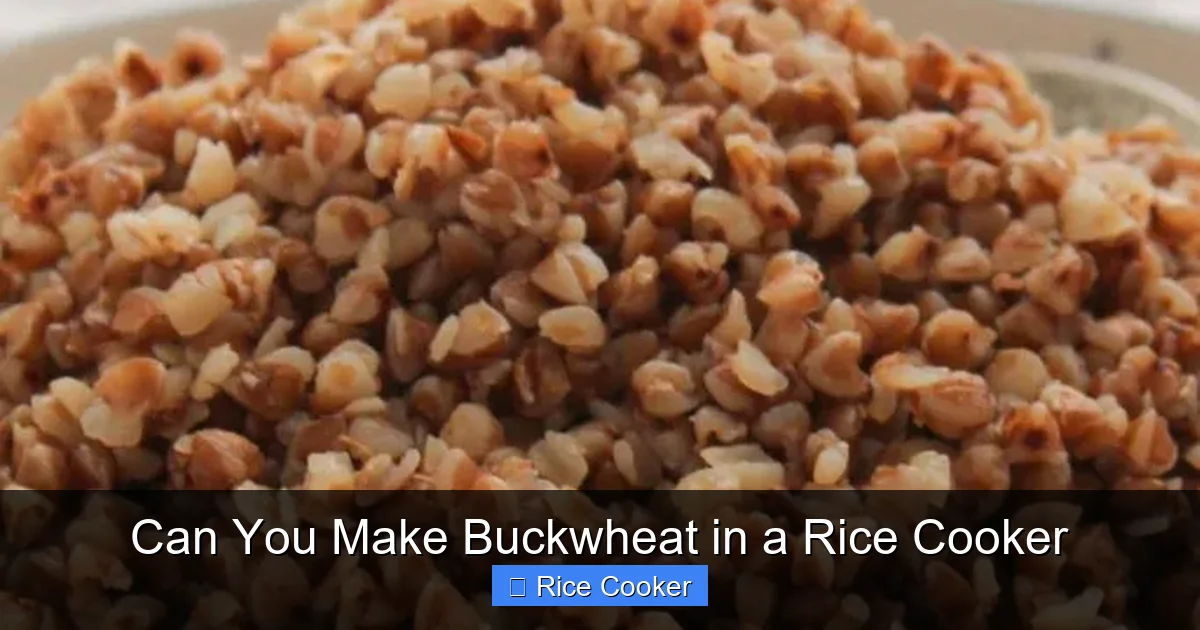
Visual guide about Can You Make Buckwheat in a Rice Cooker
Image source: aisforappleau.com
Beyond its health benefits, buckwheat adds depth to your meals. Its earthy, slightly sweet flavor pairs well with both savory and sweet dishes. Think of it as a versatile ingredient that can go from savory omelets in the morning to hearty grain bowls at dinner. Plus, it’s quick to cook—no overnight soaking required. When you use a rice cooker, you get uniform cooking without any guesswork. So if you’re looking to diversify your grain routine, buckwheat is a smart, tasty, and nutritious pick.
What You’ll Need
Making buckwheat in a rice cooker is straightforward, but having the right tools and ingredients makes all the difference. Here’s what you’ll need:

Visual guide about Can You Make Buckwheat in a Rice Cooker
Image source: i.pinimg.com
- Buckwheat groats: Look for whole, hulled buckwheat (not roasted or instant varieties unless specified for rice cooker use).
- Water or broth: Plain water works fine, but vegetable or chicken broth adds extra flavor.
- Airtight container: For storing leftovers.
- Fine-mesh strainer: To rinse the buckwheat thoroughly.
- Measuring cups and spoons: Precision helps achieve the perfect texture.
- Clean dish towel or paper towels: Optional, for drying excess moisture after rinsing.
Your rice cooker should be clean and in good working condition. If it’s your first time using it for anything other than white rice, don’t worry—many models handle buckwheat without issue. Just make sure the inner pot is dry and free of food residue.
Choosing the Right Type of Buckwheat
Not all buckwheat is created equal. The type you choose affects both flavor and texture. Here are the most common varieties:
Hulled Buckwheat Groats
This is the most popular form and what you’ll find labeled simply as “buckwheat.” The outer husk is removed, leaving the seed intact. These groats are chewy, nutty, and take about 15–20 minutes to cook. They’re ideal for rice cookers because they absorb water evenly and stay firm yet tender.
Rolled Buckwheat Groats (Kasha)
These are hulled buckwheat groats that have been steamed and flattened into flake-like pieces. Kasha cooks faster—usually in 10–12 minutes—and has a softer, more porridge-like texture. While it works in a rice cooker, it tends to break down more than whole groats, resulting in a thicker consistency.
Instant or Pre-cooked Buckwheat
Some brands offer pre-cooked buckwheat that only needs reheating. These are convenient but often contain added salt or preservatives. They’re not recommended for traditional rice cooker use since they’re already partially cooked.
For best results, stick with whole hulled buckwheat groats. They deliver the most authentic flavor and texture, and they respond well to the rice cooker’s consistent heat.
Step-by-Step Guide: How to Cook Buckwheat in a Rice Cooker
Follow these simple steps to make perfect buckwheat every time:
1. Rinse the Buckwheat
Place 1 cup of buckwheat groats in a fine-mesh strainer. Hold under cool running water for 30–60 seconds, gently rubbing the grains between your fingers. This removes any dust, debris, or residual bitterness. Shake off excess water or pat dry with a clean towel.
2. Measure Water
The standard ratio is 2 parts water to 1 part buckwheat. So for 1 cup of buckwheat, use 2 cups of liquid. You can substitute half the water with broth for added flavor. Adjust slightly based on your rice cooker model—some users prefer 1.75 cups water for fluffier results.
3. Add to Rice Cooker Pot
Place the rinsed buckwheat and measured water into the inner pot of your rice cooker. Stir once gently to distribute evenly. Avoid overfilling—leave room for expansion during cooking.
4. Select the Right Setting
Most modern rice cookers have multiple settings. For buckwheat, try the following:
- White rice mode: Works well with a 15–18 minute cook time.
- Brown rice mode: Ideal if your cooker has one—it uses longer cooking cycles and slightly less water.
- Porridge or oatmeal setting: Best for rolled kasha or a creamier texture.
If your rice cooker only has a “start” button, press it and let the machine run until completion. Some models automatically switch to “warm” afterward, which is fine—just don’t leave buckwheat sitting on warm for too long, as it can become mushy.
5. Let It Rest
Once the cycle ends, let the buckwheat sit covered for 5–10 minutes. This allows steam to redistribute and grains to finish cooking gently. After resting, fluff with a fork to separate any clumps.
6. Serve or Store
Serve hot as a side dish, mix into salads, or use as a base for grain bowls. Leftovers? Store in an airtight container in the refrigerator for up to 5 days. Reheat in the microwave with a splash of water to restore moisture.
Tips for Perfect Buckwheat Every Time
Even with the right recipe, small adjustments can elevate your buckwheat from good to great. Here are some pro tips:
- Don’t skip rinsing. Unrinsed buckwheat can taste bitter or chalky.
- Experiment with ratios. If your buckwheat is too wet, next time try 1.75 cups water. Too dry? Add 0.25 cup more next batch.
- Add flavor during cooking. Toss in a pinch of salt, a cinnamon stick, or a teaspoon of maple syrup while cooking for subtle enhancements.
- Fluff immediately after cooking. This prevents clumping and keeps each grain separate.
- Toast lightly for deeper flavor. Sauté buckwheat in a dry pan for 2–3 minutes before adding water. This brings out a nuttier taste.
- Use a timer if unsure. Some rice cookers don’t display cook time clearly. Set a kitchen timer for 18 minutes to avoid overcooking.
Remember, rice cookers vary by brand and model. If this is your first time, start with a smaller batch (½ cup buckwheat) to test the results before scaling up.
Creative Ways to Use Cooked Buckwheat
Buckwheat is incredibly versatile. Once you’ve mastered the basics, let your creativity shine:
Breakfast Bowls
Sauté apples and cinnamon with a bit of butter, then top with warm buckwheat, a drizzle of honey, and chopped walnuts. A comforting, filling breakfast that rivals oatmeal.
Vegetarian Burgers
Mash cooked buckwheat with mashed beans, breadcrumbs, and spices. Form into patties and pan-fry or bake. Serve on buns with avocado and pickles for a protein-rich meal.
Stuffed Peppers
Mix buckwheat with diced tomatoes, onions, garlic, and black beans. Stuff into bell peppers, bake until tender, and top with cheese if desired.
Salads and Bowls
Combine cooled buckwheat with roasted vegetables, chickpeas, cucumber, and a lemon-tahini dressing. It adds heartiness without heaviness.
Pancakes and Waffles
Substitute buckwheat flour for a portion of regular flour in your favorite batter. The result is denser, nuttier, and naturally gluten-free.
The possibilities are endless. Buckwheat adapts beautifully to both sweet and savory recipes, making it a pantry staple worth keeping around.
Troubleshooting Common Issues
Even with the best intentions, things don’t always go as planned. Here’s how to fix common buckwheat mishaps:
Too Mushy?
This usually means too much water or overcooking. Next time, reduce water by ¼ cup and check doneness a minute earlier. Also, avoid opening the lid during cooking—steam loss slows down the process unevenly.
Too Dry or Hard?
Add a splash of water or broth, cover, and let sit for 5 minutes. This softens the grains without further cooking them. Alternatively, simmer with a tight-fitting lid on low heat for 3–5 minutes.
Bitter Taste?
Always rinse buckwheat before cooking. Bitter notes come from unremoved saponins in the outer hull. If bitterness persists, try toasting the groats briefly in a dry skillet before adding water.
Grains Sticking Together?
Fluff immediately after cooking with a fork or wooden spoon. Adding a tablespoon of oil or butter to the cooking liquid can also prevent sticking.
Rice Cooker Won’t Start?
Check that the inner pot is seated properly and the lid is closed. Some models won’t operate unless both are locked in place. Also ensure the power cord is securely plugged in.
With practice, these issues become rare. Pay attention to your cooker’s behavior, and adjust accordingly. Every batch teaches you something new.
Health Benefits of Buckwheat
Beyond its delicious taste, buckwheat offers impressive health perks:
- High in antioxidants: Contains rutin, quercetin, and other compounds that support heart health and reduce inflammation.
- Rich in fiber: Aids digestion and helps maintain stable blood sugar levels.
- Gluten-free: Safe for those with celiac disease or gluten intolerance.
- Heart-healthy: Studies suggest buckwheat may help lower cholesterol and blood pressure.
- Supports weight management: Its high fiber and protein content promote satiety, helping control appetite.
- May improve insulin sensitivity: Beneficial for people managing diabetes or prediabetes.
Incorporating buckwheat regularly into your diet is a simple way to boost nutrition without sacrificing flavor. Pair it with lean proteins, healthy fats, and colorful veggies for balanced meals.
Frequently Asked Questions
Can I use instant buckwheat in my rice cooker?
It’s not recommended. Instant buckwheat is already partially cooked and often contains added salt or preservatives. It can become overly soft or mushy in a rice cooker and doesn’t provide the same texture as whole groats.
How long does buckwheat last in the fridge?
Cooked buckwheat stays fresh in an airtight container in the refrigerator for up to 5 days. For longer storage, freeze in portion-sized containers for up to 3 months. Thaw and reheat as needed.
Can I cook buckwheat overnight like oatmeal?
Most rice cookers don’t have a slow-cook setting ideal for overnight prep. However, you can soak buckwheat in water or milk for 8–12 hours and then cook it in the morning. Alternatively, use a crockpot on low heat—but monitor closely to avoid burning.
Is buckwheat safe for people with nut allergies?
Yes, buckwheat is not a tree nut or peanut—it’s a seed from a different botanical family. However, cross-contamination can occur during processing, so always check labels if you have severe allergies.
Can I substitute buckwheat for rice in recipes?
Absolutely. Use a 1:1 ratio by volume, but note that buckwheat has a stronger flavor and chewier texture. It works well in stir-fries, pilafs, and casseroles where its nuttiness complements other ingredients.
Do I need to soak buckwheat before cooking?
No, soaking isn’t necessary for whole buckwheat groats. Rinsing is sufficient. Soaking may actually make it too soft if done for long periods. Quick rinsing under cold water is the best prep step.
Conclusion
Making buckwheat in a rice cooker is not only possible—it’s one of the easiest ways to enjoy this superfood. With minimal effort and no special skills, you can transform plain groats into fluffy, nutritious meals in under 20 minutes. Whether you’re cooking for one or feeding a family, the rice cooker handles it all with precision and consistency.
From its impressive nutritional profile to its culinary flexibility, buckwheat is a winner in every category. And now, thanks to this simple method, there’s no excuse to avoid it. Try it once, and you might just replace your usual grain with buckwheat forever. Your body will thank you, and your taste buds will celebrate.
Frequently Asked Questions
Can I use instant buckwheat in my rice cooker?
It’s not recommended. Instant buckwheat is already partially cooked and often contains additives that can make it overly soft or mushy in a rice cooker. Stick to whole hulled groats for best results.
How long does buckwheat last in the fridge?
Cooked buckwheat keeps well in an airtight container in the refrigerator for up to 5 days. For longer storage, freeze portions and thaw when ready to eat.
Can I cook buckwheat overnight like oatmeal?
Most rice cookers aren’t designed for overnight cooking. Instead, soak buckwheat for 8–12 hours and cook it in the morning, or use a slow cooker on low heat—but monitor closely to prevent burning.
Is buckwheat safe for people with nut allergies?
Yes, buckwheat is not a tree nut or peanut. However, always check packaging for cross-contamination warnings if you have severe allergies.
Can I substitute buckwheat for rice in recipes?
Yes, use a 1:1 volume ratio. Buckwheat adds a nuttier flavor and chewier texture, making it great in stir-fries, casseroles, and grain bowls.
Do I need to soak buckwheat before cooking?
No soaking is required. Simply rinse under cold water to remove bitterness and proceed with cooking. Soaking can lead to overcooked, mushy grains.