

Making fried rice with fresh cooked rice is not only possible—it’s ideal! Unlike day-old rice, freshly cooked rice works beautifully when cooled slightly and stir-fried properly. With the right tools and techniques, you can create a fluffy, smoky, and satisfying dish in minutes.
Key Takeaways
- Fresh rice makes great fried rice: When cooled properly, freshly cooked rice develops better texture and prevents clumping.
- Proper cooling is key: Spread rice on a tray or shallow pan to cool quickly and evenly for optimal fluffiness.
- Wok hei enhances flavor: High heat and quick cooking bring out the signature smoky taste of authentic fried rice.
- Add protein and veggies: Chicken, shrimp, eggs, broccoli, carrots, and peas are classic additions that boost nutrition and flavor.
- Season wisely: Soy sauce, sesame oil, garlic, ginger, and white pepper create a balanced umami-packed base.
- A rice cooker simplifies prep: Many modern rice cookers have keep-warm functions and steaming trays perfect for fried rice ingredients.
📑 Table of Contents
- Can You Make Fried Rice with Fresh Cooked Rice?
- Why Fresh Cooked Rice Works Better Than Day-Old Rice
- The Science Behind Perfect Fried Rice
- Step-by-Step Guide: Making Fried Rice with Fresh Cooked Rice
- Common Mistakes to Avoid
- Elevating Your Fried Rice Game
- Rice Cooker vs. Wok: Which Is Better?
- Storage and Reheating Tips
- Frequently Asked Questions
Can You Make Fried Rice with Fresh Cooked Rice?
If you’ve ever stared at a bowl of perfectly steamed white rice and wondered, “Can I turn this into fried rice?”—the answer is a confident yes. In fact, using fresh cooked rice is often preferable to day-old rice when making fried rice, as long as you handle it correctly. The secret lies in how you cool, season, and stir-fry your grains. Whether you’re cooking for one or feeding a crowd, mastering this technique will elevate your home cooking game.
Fried rice is more than just leftover food repurposed—it’s a culinary art form rooted in efficiency, flavor layering, and texture contrast. Traditionally associated with Chinese-American cuisine and street food stalls across Asia, fried rice has evolved into a global comfort dish. What sets it apart isn’t just the method—it’s the transformation of simple ingredients into something extraordinary through heat and timing. And yes, that includes rice that’s barely 15 minutes old.
Why Fresh Cooked Rice Works Better Than Day-Old Rice
You might be thinking, “Wait—isn’t fried rice supposed to use cold, leftover rice?” That’s a common myth. While day-old rice does absorb less moisture during frying (which helps prevent mushiness), fresh cooked rice can actually yield superior results if treated properly. Here’s why:
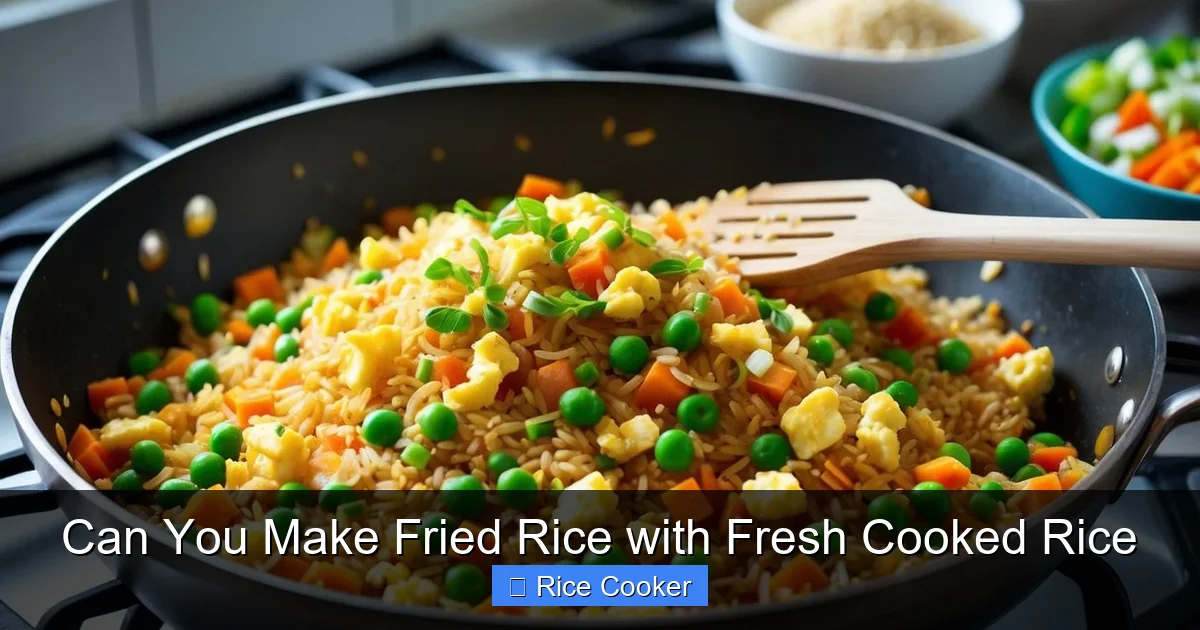
Visual guide about Can You Make Fried Rice with Fresh Cooked Rice
Image source: koala.sh
The Starch Difference
When rice cools, its starches recrystallize—a process called retrogradation. This gives day-old rice that firmer, drier texture ideal for frying. But freshly cooked rice still contains active starch molecules that respond well to high heat. When you spread it out to cool quickly, you encourage partial drying without over-dehydrating, creating the perfect balance between fluffiness and structure.
Texture Control Through Cooling Method
How you cool your rice matters more than when it was cooked. If you let freshly cooked rice sit in a sealed container or pile it thickly, moisture gets trapped, leading to sogginess later. Instead, spread the rice thinly on a rimmed baking sheet or large plate and let it air-cool uncovered for 10–15 minutes. This rapid surface drying mimics the effect of day-old rice while preserving its natural lightness.
Flavor Absorption Efficiency
Fresh rice has a cleaner, more neutral base, allowing sauces like soy, oyster sauce, and sesame oil to coat each grain evenly without being diluted by residual moisture. Older rice may hold onto flavors unevenly or become gummy, whereas fresh rice responds instantly to seasonings—especially when tossed vigorously in a hot wok or skillet.
The Science Behind Perfect Fried Rice
To understand why fresh rice shines, we need to peek behind the scenes of what happens during frying. It’s not magic—it’s chemistry and physics working together.

Visual guide about Can You Make Fried Rice with Fresh Cooked Rice
Image source: canyoupreserve.com
Maillard Reaction & Caramelization
At temperatures above 140°C (284°F), amino acids and sugars in rice react through the Maillard reaction, creating complex flavors and golden-brown crusts. Fresh rice’s lower moisture content allows these reactions to occur faster and more intensely than in damp, older rice. That’s where the coveted wok hei—the breath of the wok—comes from: the smoky, almost charred aroma achieved by searing quickly over very high heat.
Moisture Management
Too much water = sticky clumps. Too little = crumbly, dry grains. Fresh rice starts with ideal moisture (~60%), but as it cools slightly, evaporation balances things out. When you add it to a superheated pan, steam forms instantly, lifting the rice off the bottom—preventing burning while promoting even browning.
Oil Penetration
High-heat oil coats individual rice grains rather than pooling underneath. Fresh rice’s porous structure allows oils and sauces to penetrate deeply, ensuring every bite tastes rich and savory. Old rice tends to repel fat due to hardened starch surfaces, resulting in uneven seasoning.
Step-by-Step Guide: Making Fried Rice with Fresh Cooked Rice
Ready to try it yourself? Follow this foolproof method for restaurant-quality results every time.
Ingredients You’ll Need
- 2 cups freshly cooked jasmine or long-grain white rice (cooled slightly)
- 2 tbsp vegetable or canola oil (plus extra for greasing)
- 2 large eggs, lightly beaten
- 1 cup mixed vegetables (peas, carrots, corn, bell peppers)
- 1/2 lb protein (shrimp, chicken, pork, or tofu), diced
- 3 cloves garlic, minced
- 1-inch piece ginger, grated
- 3 tbsp low-sodium soy sauce
- 1 tbsp oyster sauce (optional but recommended)
- 1 tsp sesame oil
- White pepper and salt to taste
- Green onions, chopped (for garnish)
Equipment Recommendations
- Large nonstick skillet or carbon steel wok (cast iron works too)
- Rimmed baking sheet or large plate (for cooling rice)
- Wooden spatula or heat-resistant silicone scraper
- Mixing bowls (for prepping ingredients)
- Rice cooker with keep-warm function (optional but helpful)
Cooking Instructions
- Cook and Cool the Rice: Steam or boil rice according to package directions. Immediately transfer to a rimmed baking sheet and spread into a thin layer. Let cool uncovered for 10–15 minutes until slightly firm but still warm.
- Prepare Ingredients: Dice protein and veggies; beat eggs; mince garlic and ginger. Keep everything ready—fried rice cooks fast!
- Heat the Pan: Heat 1 tbsp oil in a large skillet over medium-high heat until shimmering. Add beaten eggs and scramble just until set. Remove and set aside.
- Sauté Aromatics: Add remaining oil, then garlic and ginger. Stir 30 seconds until fragrant—don’t let them burn.
- Cook Protein and Veggies: Add protein first, cook 2–3 minutes until nearly done. Push to one side; add vegetables on the other. Stir occasionally until crisp-tender.
- Add Rice: Turn off heat briefly, then add cooled rice. Return heat to high. Use a spatula to break up clumps and distribute evenly. Stir-fry 3–4 minutes until rice is heated through and lightly toasted.
- Season and Finish: Stir in soy sauce, oyster sauce, and white pepper. Drizzle with sesame oil. Add scrambled eggs back in. Toss everything together until glossy and uniform.
- Garnish and Serve: Transfer to serving bowls, top with green onions, and enjoy immediately.
Common Mistakes to Avoid
Even experienced cooks stumble sometimes. These pitfalls are easy to avoid once you know what to watch for.
Myth: “Older Rice Is Always Better”
While some recipes insist on day-old rice, this isn’t universally true. Fresh rice, when cooled rapidly, performs just as well—and sometimes better—because it hasn’t lost its delicate texture or absorbed foreign odors from the fridge.
Myth: “More Oil Means Crispier Rice”
Too much oil drowns the rice instead of crisping it. Use just enough to coat the pan—about 2 tablespoons total. Excess oil makes fried rice greasy and dulls the flavor.
Myth: “All Rice Types Work Equally”
Stick to long-grain varieties like jasmine, basmati, or American long grain. Short-grain or sushi rice contains too much amylopectin, which leads to stickiness even after frying.
Myth: “You Must Fry Over Extremely High Heat”
While high heat is important, scorching the rice before it’s fully cooked ruins the dish. Medium-high (around 375°F/190°C) is usually sufficient. Let the pan get hot, then reduce slightly to prevent burning.
Elevating Your Fried Rice Game
Want to take your fried rice beyond basic? Try these pro-level tweaks.
Add Umami Depth
Instead of plain soy sauce, mix in a splash of fish sauce or a spoonful of mushroom soy for deeper savoriness. A pinch of sugar balances the saltiness and enhances browning.
Experiment with Proteins and Veggies
Beyond the classics, consider adding:
- Smoked salmon or crab meat for richness
- Bok choy or spinach for leafy greens
- Shiitake mushrooms for earthiness
- Diced pineapple for sweet-tang contrast
Incorporate Leftover Flavors
Use leftover grilled chicken, rotisserie beef, or even cold pasta salad for unexpected twists. Just drain any excess liquid first!
Make It Vegetarian or Vegan
Skip animal products entirely! Tofu, tempeh, edamame, and plenty of colorful vegetables provide complete protein and vibrant color. Use tamari instead of soy sauce for gluten-free options.
Try Different Cooking Styles
For a Japanese-inspired version, use short-grain sushi rice (lightly dried), add furikake, and fold in nori strips. Korean-style bulgogi fried rice swaps soy for gochujang and includes marinated beef.
Rice Cooker vs. Wok: Which Is Better?
This debate sparks passion among home cooks. Both methods work—but they serve different purposes.
Using a Wok (Traditional Method)
A carbon steel wok delivers unmatched heat distribution and the ability to achieve true wok hei. Its curved shape lets you toss rice easily while maintaining contact with the hottest part of the pan. Ideal for serious home chefs who want authentic flavor.
Using a Skillet or Nonstick Pan
Modern stainless steel skillets with sloped sides mimic wok performance reasonably well. Nonstick pans are gentler on utensils and easier to clean but may lack the intense sear. Great for beginners or those without specialized cookware.
Leveraging a Rice Cooker (Surprising Hack!)
Yes, you read that right! Some high-end rice cookers come with dedicated “fry” or “stir-fry” settings. Even simpler models can be used creatively:
- Cook rice, cool slightly, then reheat in the cooker with stir-fry ingredients
- Use the inner pot as a makeshift wok with high heat (check manufacturer guidelines)
- Add frozen veggies directly to the warm pot—they thaw and cook in minutes
Just note: traditional rice cookers aren’t designed for high-heat stir-frying, so results may vary. But for convenience, it’s worth experimenting!
Storage and Reheating Tips
Even if you don’t eat all your fried rice immediately, proper storage keeps it tasting great.
Refrigerate Within 2 Hours
Left at room temperature, bacteria multiply rapidly. Store in an airtight container in the fridge for up to 3 days.
Reheat Like a Pro
Never microwave without moisture. Instead:
- Place fried rice in a dry skillet over medium heat
- Add a splash of water or broth
- Cook uncovered, stirring frequently, until heated through (2–3 minutes)
This restores texture and prevents sogginess.
Freezing for Later
Portion into freezer-safe containers. Label with date. Frozen fried rice lasts up to 2 months. Thaw overnight in the fridge before reheating.
Frequently Asked Questions
Can I use day-old rice for fried rice?
Absolutely! Day-old rice works well because it’s drier and less sticky. However, fresh rice can be just as good if cooled properly and fried quickly over high heat.
Do I need a special kind of rice?
Long-grain rice like jasmine, basmati, or American long grain is best. Avoid sticky short-grain varieties unless you’re making Japanese-style fried rice.
Why is my fried rice sticking to the pan?
This usually happens when the pan isn’t hot enough or there’s too little oil. Heat the pan thoroughly before adding ingredients, and use enough oil to coat the surface.
Can I make fried rice ahead of time?
Yes, but store it properly. Refrigerate within 2 hours and reheat in a skillet with a bit of liquid to restore texture. Avoid microwaving dry fried rice.
Is fried rice healthy?
It can be nutritious! Packed with carbs, protein, and veggies, it’s balanced when made with lean proteins and minimal oil. Swap regular soy sauce for low-sodium versions to cut sodium.
What’s the difference between Chinese fried rice and American fried rice?
Chinese fried rice emphasizes wok hei, light seasoning, and fresh ingredients. American versions often include extra cheese, sour cream, or thick sauces. Both are delicious—just different styles!
Frequently Asked Questions
Can I use day-old rice for fried rice?
Yes, day-old rice is commonly used because it’s drier and fries better. However, fresh cooked rice can also work well when cooled properly and stir-fried quickly over high heat.
Do I need a special kind of rice?
Long-grain rice such as jasmine, basmati, or American long grain is ideal. Short-grain rice tends to be too sticky for perfect fried rice.
Why is my fried rice sticking to the pan?
Sticking usually occurs if the pan isn’t hot enough or there’s insufficient oil. Ensure your pan is fully heated before adding ingredients and use enough oil to coat the surface.
Can I make fried rice ahead of time?
Yes, but refrigerate within 2 hours of cooking. Reheat in a skillet with a splash of water or broth to restore texture—avoid microwaving dry fried rice.
Is fried rice healthy?
It can be nutritious when made with lean proteins, vegetables, and minimal oil. Opt for low-sodium soy sauce and whole-grain rice for added benefits.
What’s the difference between Chinese fried rice and American fried rice?
Chinese fried rice focuses on smoky flavors and simplicity, while American versions often include extras like cheese, bacon, or creamy sauces. Both styles are tasty—just different approaches!