
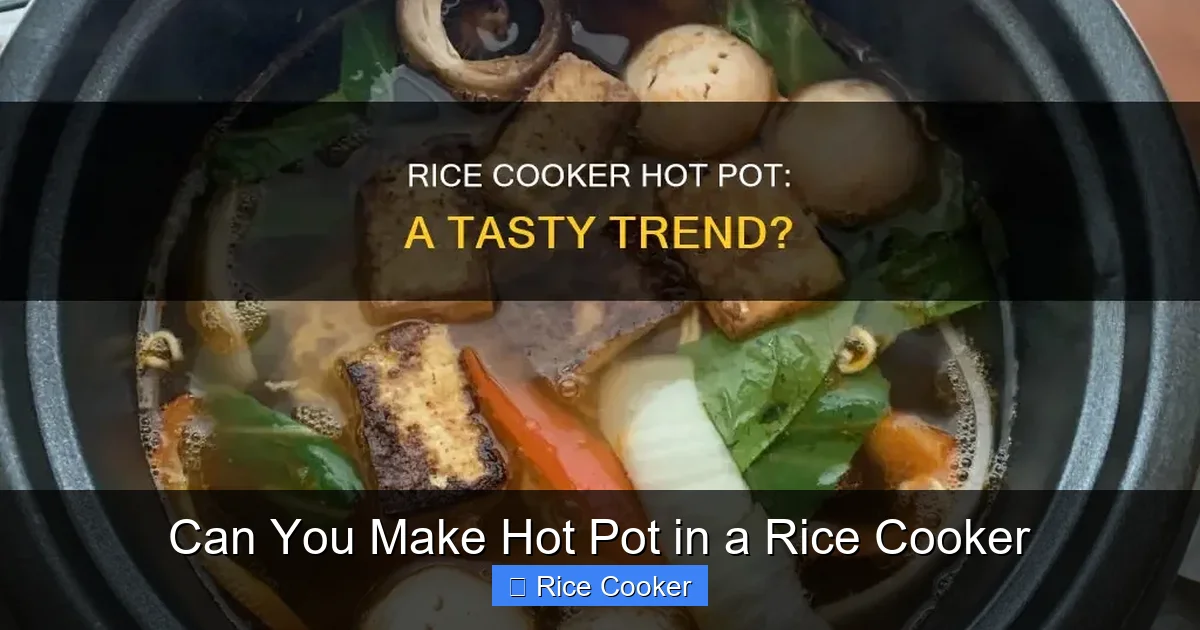
Making hot pot in a rice cooker is not only possible but surprisingly delicious. This method saves time, uses fewer dishes, and creates a comforting, customizable meal perfect for any occasion. Whether you’re using an electric rice cooker or a multi-cooker, the process is simple, efficient, and beginner-friendly.
Key Takeaways
- Yes, it’s possible: A standard rice cooker can function like a slow cooker to create full-flavored hot pot with minimal effort.
- Saves time and space: One-pot cooking reduces prep and cleanup, ideal for small kitchens or solo diners.
- Customizable ingredients: Add proteins, vegetables, noodles, and broth to suit your taste—vegetarian, meat-based, or gluten-free.
- Energy efficient: Rice cookers use less electricity than stovetops or ovens, making hot pot an eco-friendly choice.
- Beginner-friendly: No advanced cooking skills needed—just layer ingredients and press “cook.”
- Perfect for dorms and apartments: Compact and safe for limited kitchen setups where traditional pots aren’t available.
📑 Table of Contents
- Can You Make Hot Pot in a Rice Cooker?
- Why Use a Rice Cooker for Hot Pot?
- Choosing the Right Rice Cooker for Hot Pot
- Essential Ingredients for Rice Cooker Hot Pot
- Step-by-Step Guide: Making Hot Pot in a Rice Cooker
- Creative Variations to Try
- Tips for Perfect Rice Cooker Hot Pot
- Common Mistakes to Avoid
- Frequently Asked Questions
- Conclusion
Can You Make Hot Pot in a Rice Cooker?
If you love the rich, brothy goodness of hot pot—especially during colder months—you might be wondering: Can you make hot pot in a rice cooker? The short answer? Absolutely! And it’s easier than you think.
Rice cookers are often thought of as simple appliances designed only for steaming rice. But modern models—especially newer digital or pressure rice cookers—can double as versatile kitchen tools. With a little creativity, you can turn your rice cooker into a one-pot wonder that rivals traditional hot pot setups. Not only does this method save time and energy, but it also allows for incredible customization. From vegetarian broths to spicy Sichuan-inspired flavors, the possibilities are endless.
In this guide, we’ll walk you through everything you need to know about making hot pot in a rice cooker—from choosing the right appliance to selecting ingredients, building flavor, and serving up a delicious meal that feels like a cozy night in.
Why Use a Rice Cooker for Hot Pot?
Before diving into recipes, let’s talk about why a rice cooker might be the perfect vessel for hot pot.
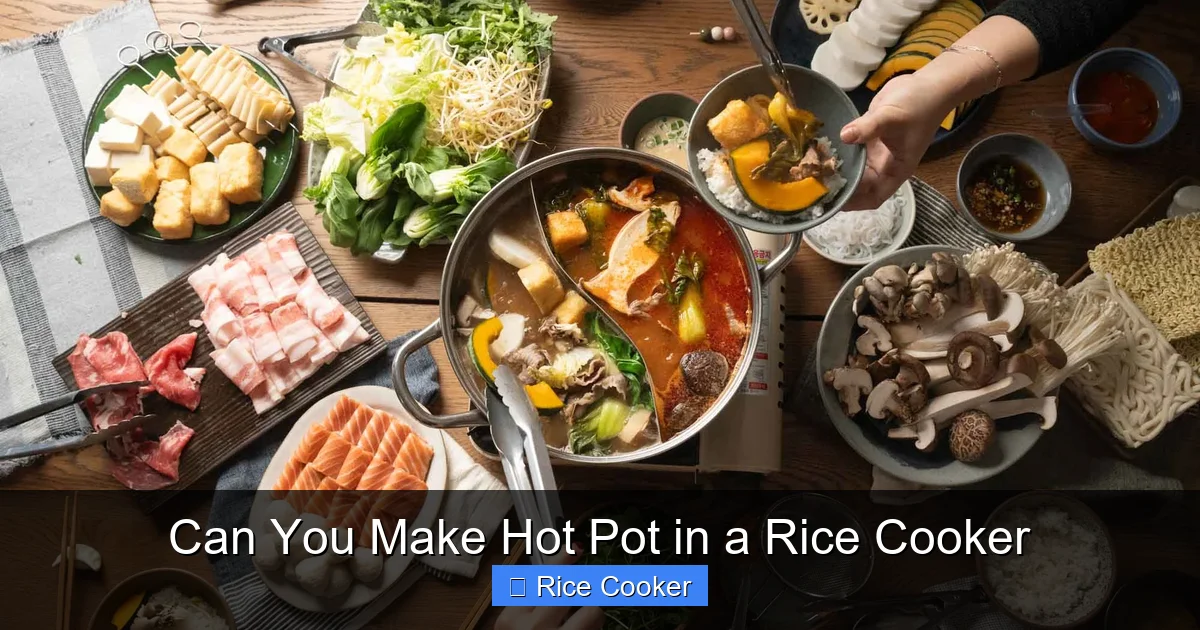
Visual guide about Can You Make Hot Pot in a Rice Cooker
Image source: hungryhuy.com
The Convenience Factor
One of the biggest advantages of using a rice cooker is convenience. Traditional hot pot requires a stove, a large pot, and constant attention to maintain simmering temperatures. With a rice cooker, you simply add your ingredients, set the timer, and let the machine do the work. Once cooking begins, there’s no need to stir or adjust heat—ideal if you’re multitasking, watching TV, or relaxing after a long day.
Plus, rice cookers come in various sizes. A smaller model (like 1–2 cups) works great for solo meals, while larger ones (4–6 cups or more) can serve families or roommates. Many even have delay timers, so you can prep ingredients the night before and have dinner ready when you are.
Flavor Infusion Without Effort
While stovetop hot pot relies on boiling water or broth to extract flavors from ingredients, a rice cooker gently simmers everything together over a longer period. This slower cooking process helps meld flavors beautifully—especially when you include aromatics like garlic, ginger, scallions, and dried mushrooms at the bottom of the pot.
Some rice cookers also feature a “slow cook” or “keep warm” setting, which maintains a low simmer without burning or drying out your meal. This gentle heat transfer ensures tender vegetables, perfectly cooked proteins, and a deeply satisfying broth—all without babysitting the pot.
Energy Efficiency and Safety
Rice cookers use significantly less energy than gas or electric stoves. According to the U.S. Department of Energy, they consume about half the power of conventional cooking methods. That means lower utility bills and a smaller carbon footprint—great news for eco-conscious cooks.
Safety is another perk. Unlike open flames or high-heat burners, rice cookers operate at controlled temperatures and automatically shut off when done. This reduces the risk of burns or spills, especially in homes with children or pets.
Choosing the Right Rice Cooker for Hot Pot
Not all rice cookers are created equal. To make hot pot effectively, you’ll want a model with certain features.
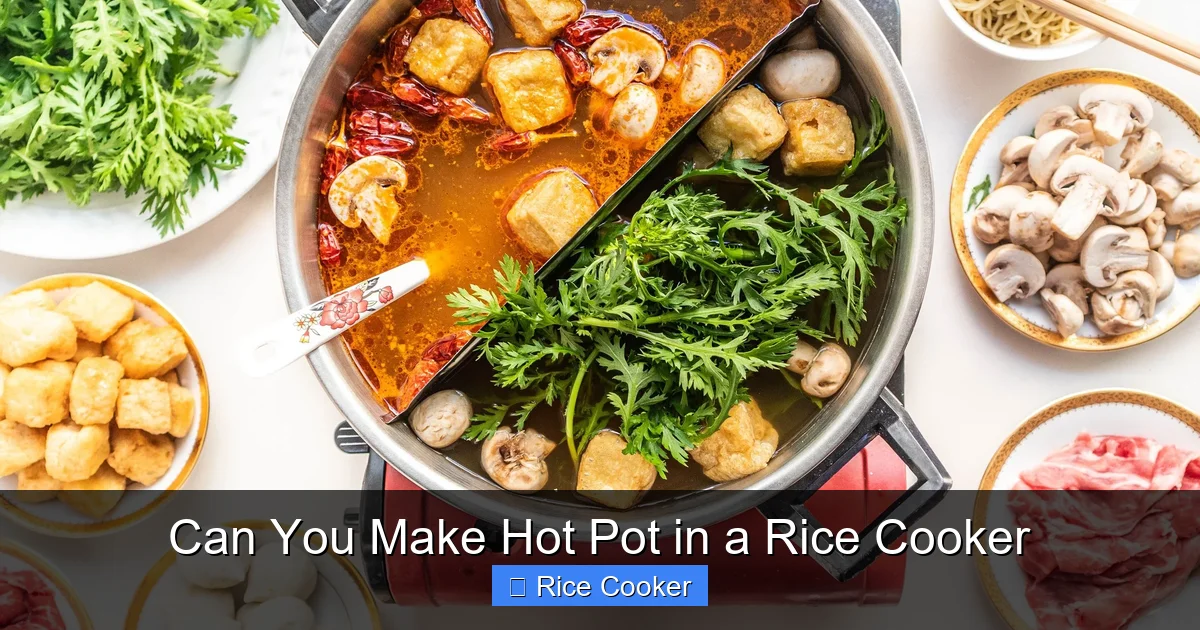
Visual guide about Can You Make Hot Pot in a Rice Cooker
Image source: images.squarespace-cdn.com
Capacity Matters
For individual servings, a 1.5- to 2-cup rice cooker suffices. But if you’re cooking for two or more, opt for a 4- to 6-cup model. Larger capacities mean more room for diverse ingredients without overcrowding—which could lead to uneven cooking.
Multi-Functionality Is Key
Look for rice cookers with multiple settings beyond “white rice.” Functions like:
- Soup or stew mode: Designed for liquids and longer cook times.
- Porridge or congee setting: Helps thicken broths naturally.
- Keep-warm function: Maintains temperature without overcooking.
- Pressure cooking (in some models): Speeds up cooking and deepens flavor.
Models like the Zojirushi Neuro Fuzzy Logic or Instant Pot Duo are excellent choices because they handle both liquid-heavy dishes and precise timing well.
Non-Stick Inner Pot
A smooth, non-stick surface makes stirring and cleaning a breeze. It also prevents delicate ingredients like tofu or leafy greens from sticking or tearing during cooking.
Size and Portability
If you live in a dorm, studio apartment, or RVs, consider compact, lightweight models. Brands like Black+Decker and Cuisinart offer budget-friendly options under $30 that still perform well for hot pot.
Essential Ingredients for Rice Cooker Hot Pot
The beauty of hot pot lies in its flexibility. You can go classic, fusion, or fully plant-based. Here’s what you’ll typically need:
Broth Base
Your foundation determines the entire flavor profile. Options include:
- Miso soup base: Umami-rich, salty, and slightly sweet—common in Japanese-style hot pot.
- Dashi stock: Made from kombu (kelp) and bonito flakes; light but deeply savory.
- Vegetable broth: Roasted carrots, onions, garlic, and mushrooms create a hearty, aromatic base.
- Spicy Sichuan: Combine doubanjiang (fermented bean paste), chili oil, and Sichuan peppercorns for numbing heat.
- Coconut milk curry: For a creamy, tropical twist—add lemongrass and turmeric.
Proteins
Choose according to preference and dietary needs:
- Tofu (silken or firm)
- Chicken thighs or breasts (cut into bite-sized pieces)
- Shrimp or fish balls
- Lamb or beef slices
- Eggs (boiled or soft-scrambled)
Vegetables
Cut uniformly so they cook evenly. Good choices include:
- Bok choy, spinach, or kale
- Shiitake mushrooms
- Bell peppers, zucchini, and broccoli florets
- Carrots, radishes, and corn on the cob
- Napa cabbage or bok choy
Starches and Noodles
Add these toward the end of cooking to avoid mushiness:
- Ramen noodles, udon, or soba
- Shirataki noodles (for low-carb diets)
- Instant mashed potatoes or rice cakes
Toppings and Garnishes
Serve alongside for freshness and crunch:
- Sesame oil and white sesame seeds
- Chopped scallions and cilantro
- Pickled ginger or radish
- Thinly sliced nori or seaweed
Step-by-Step Guide: Making Hot Pot in a Rice Cooker
Ready to try it yourself? Follow this foolproof method for foolproof results.
Step 1: Prep Your Rice Cooker
Start by cleaning your inner pot thoroughly. Then, add 3–4 cups of broth (or water + bouillon cubes) along with any dried mushrooms, ginger slices, or garlic cloves. These act as flavor anchors and prevent sticking.
Step 2: Layer Ingredients Smartly
Place denser, slower-cooking items at the bottom—this includes tofu, root vegetables, and proteins. Delicate greens go on top since they wilt quickly. Add noodles just before closing the lid.
Step 3: Select the Right Setting
Use the “Soup,” “Stew,” or “Manual” setting (usually 20–30 minutes). Avoid the “Cook” setting meant only for rice—it won’t hold enough liquid.
Step 4: Let It Simmer
Once the cycle starts, don’t open the lid unnecessarily. Resist the urge to peek—steam escapes, and heat drops. If your model has a keep-warm function, turn it on after cooking to maintain temperature until serving.
Step 5: Serve Immediately
Carefully remove the inner pot (use oven mitts—it gets hot!). Ladle hot pot into bowls, garnish generously, and enjoy with dipping sauces like ponzu, soy-garlic, or spicy mayo.
Creative Variations to Try
Once you master the basics, experiment with global twists!
Korean Jjigae Style
Combine kimchi, tofu, pork, and gochujang (Korean red chili paste) for a tangy, spicy stew. Serve with steamed rice on the side.
Thai Green Curry Hot Pot
Simmer coconut milk with green curry paste, bell peppers, bamboo shoots, and chicken. Finish with Thai basil and lime juice.
Vegan Buddha Bowl Hot Pot
Roast sweet potatoes, chickpeas, kale, and red cabbage. Pour over miso-or miso-based broth and sprinkle with crushed peanuts.
Italian Minestrone Twist
Use tomato basil broth, cannellini beans, diced tomatoes, zucchini, and pasta. Top with grated Parmesan (or nutritional yeast for vegan version).
Japanese Shabu-Shabu Lite
Use clear dashi broth, thinly sliced beef, Napa cabbage, shiitake, and udon. Dip in sesame-soy sauce for an authentic experience—minus the stove.
Tips for Perfect Rice Cooker Hot Pot
Even with a great recipe, small details matter. Here’s how to elevate your dish every time.
Don’t Overcrowd the Pot
Too many ingredients = uneven cooking. Stick to 2–3 types of protein and 4–5 veggies max. Cook in batches if needed.
Pre-Sauté Aromatics (Optional)
For deeper flavor, briefly sauté garlic, ginger, and onions in a bit of oil before adding broth. Some rice cookers have a “fry” or “saute” function—check your manual.
Adjust Salt Levels Early
Since you can’t taste while cooking, season broth lightly at first. You can always add more salt later when serving.
Use Frozen Ingredients Sparingly
Frozen meat or veggies can lower internal temperature too much. Thaw them first or add near the end.
Clean Promptly
Rice cooker residue builds up fast. Rinse the inner pot immediately after use—don’t let starchy bits dry on the surface.
Garnish After Cooking
Fresh herbs, citrus zest, or crispy elements lose texture if cooked too long. Add them right before eating.
Common Mistakes to Avoid
Newcomers often run into issues. Here’s how to dodge them.
- Using too little liquid: Always use 3+ cups for proper simmering. Too little leads to scorching.
- Skipping the pre-flavor layer: Garlic, ginger, and mushrooms at the bottom make or break the broth.
- Adding noodles too early: They absorb all the liquid and become gummy.
- Ignoring the keep-warm setting: Without it, food cools rapidly—especially in winter.
- Overusing salt in broth: Taste before adding salt to other ingredients.
Frequently Asked Questions
Can any rice cooker make hot pot?
Most basic rice cookers can handle hot pot if they have a soup or stew setting. However, models with fuzzy logic or multi-function modes (like pressure or slow cook) offer better control and richer results.
How long does rice cooker hot pot take to cook?
Typically 20–40 minutes, depending on ingredients. Proteins and root vegetables take longer, while greens and noodles cook in 5–10 minutes. Check mid-cycle if your model allows it.
Do I need special ingredients?
Nope! Use what you have. Store-bought broth works fine, but homemade gives superior flavor. Tofu, eggs, mushrooms, and frozen dumplings are affordable and tasty additions.
Can I make vegetarian hot pot in a rice cooker?
Absolutely. Vegetable broth, miso, roasted veggies, and grains like quinoa or barley make hearty, nutritious meals. Add nutritional yeast for a cheesy umami boost.
Is rice cooker hot pot healthy?
Yes, especially when you focus on whole foods: lean proteins, colorful vegetables, and minimal processed sauces. Just watch sodium levels in broths and condiments.
Can kids and seniors eat this?
Definitely! Just adjust spice levels and texture. Soft-cooked ingredients are easy to chew and digest. Mild broths with mild spices suit young children and older adults well.
Conclusion
So, can you make hot pot in a rice cooker? The answer is a resounding yes—and it might just become your new favorite way to cook. With minimal effort, maximum flavor, and zero stress, this kitchen hack brings the communal joy of hot pot into your everyday routine. Whether you’re whipping up a quick lunch, hosting a casual dinner, or craving comfort food on a rainy day, your rice cooker has got you covered.
From beginners to seasoned cooks, this method proves that innovation happens in the smallest corners of the kitchen. So next time you reach for your trusty rice cooker, remember: it’s not just for rice. It’s a versatile, efficient, and surprisingly powerful tool that can transform simple ingredients into soul-warming meals. All it takes is a splash of broth, a handful of love, and the push of a button.
Happy cooking—and enjoy your homemade rice cooker hot pot!
Frequently Asked Questions
Can any rice cooker make hot pot?
Most basic rice cookers can handle hot pot if they have a soup or stew setting. However, models with fuzzy logic or multi-function modes (like pressure or slow cook) offer better control and richer results.
How long does rice cooker hot pot take to cook?
Typically 20–40 minutes, depending on ingredients. Proteins and root vegetables take longer, while greens and noodles cook in 5–10 minutes. Check mid-cycle if your model allows it.
Do I need special ingredients?
Nope! Use what you have. Store-bought broth works fine, but homemade gives superior flavor. Tofu, eggs, mushrooms, and frozen dumplings are affordable and tasty additions.
Can I make vegetarian hot pot in a rice cooker?
Absolutely. Vegetable broth, miso, roasted veggies, and grains like quinoa or barley make hearty, nutritious meals. Add nutritional yeast for a cheesy umami boost.
Is rice cooker hot pot healthy?
Yes, especially when you focus on whole foods: lean proteins, colorful vegetables, and minimal processed sauces. Just watch sodium levels in broths and condiments.
Can kids and seniors eat this?
Definitely! Just adjust spice levels and texture. Soft-cooked ingredients are easy to chew and digest. Mild broths with mild spices suit young children and older adults well.