
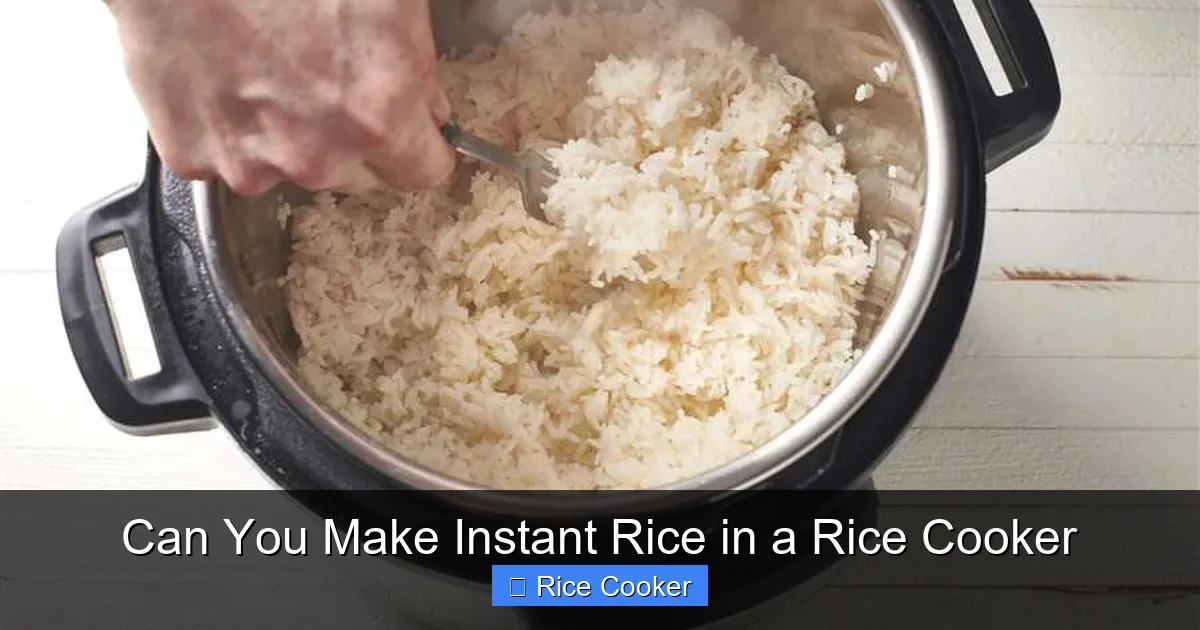
Can you make instant rice in a rice cooker? Absolutely! Using your rice cooker is one of the easiest ways to prepare quick-cooking grains like instant rice. It delivers consistent results with minimal effort, saving you time while keeping things simple. Whether you’re meal prepping or just want a fast side dish, your rice cooker handles instant rice like a pro.
Key Takeaways
- Instant Rice Works in Rice Cookers: Yes, you can absolutely cook instant rice using a rice cooker—no stove required.
- Proportions Matter: Use the recommended water-to-rice ratio (usually 1:1.5) to avoid mushy or dry results.
- Flavor Enhancement: Add broth, herbs, or spices instead of plain water for richer taste.
- No Pre-Cooking Needed: Unlike regular rice, instant rice doesn’t need soaking or rinsing before cooking.
- Clean-Up Is Easy: Most rice cookers have non-stick pots that make cleanup faster than stovetop methods.
- Saves Time & Energy: The automatic shut-off feature means you can set it and forget it—perfect for busy days.
- Great for Meal Prep: Cook a batch at once and store it for quick reheating later.
Quick Answers to Common Questions
Can you use instant rice in a rice cooker?
Yes, instant rice works perfectly in most rice cookers. Just follow the recommended water ratio and avoid overfilling to ensure fluffy, non-gummy results.
Is instant rice healthier than regular rice?
Instant rice is nutritionally similar to regular white rice since both undergo similar processing. Neither is significantly more or less healthy—focus on portion control and whole-grain alternatives when possible.
Do you add salt to instant rice in a rice cooker?
It’s optional. Many people add a pinch of salt with the liquid for flavor. Taste after cooking and adjust seasoning as needed.
How much water do you use for instant rice in a rice cooker?
Typically, use 1.5 cups of liquid per 1 cup of uncooked instant rice. Adjust slightly based on brand and desired texture.
Can you cook instant rice and regular rice together?
Not recommended. Their different cooking times and textures mean they won’t cook evenly. Cook them separately.
📑 Table of Contents
- Can You Make Instant Rice in a Rice Cooker?
- Understanding Instant Rice vs. Regular Rice
- How to Cook Instant Rice in a Rice Cooker
- Choosing the Right Type of Instant Rice
- Flavor Boosting Techniques
- Common Mistakes and How to Fix Them
- Storing and Reheating Leftover Instant Rice
- Frequently Asked Questions About Making Instant Rice in a Rice Cooker
- Conclusion: Why Use a Rice Cooker for Instant Rice?
Can You Make Instant Rice in a Rice Cooker?
If you’re standing in your kitchen wondering whether your trusty rice cooker can handle more than just long-grain white rice, the answer is a resounding yes. You absolutely can make instant rice in a rice cooker—and doing so offers a convenient, hands-off way to get fluffy, flavorful grains without standing over the stove. In fact, many home cooks prefer using their rice cooker for instant varieties because of its precision and automation. No guesswork, no constant stirring, and definitely no risk of burning.
But before we dive into the “how,” let’s talk about what makes instant rice special. Instant rice is partially cooked, then dried through a process called parboiling or extrusion. This allows it to absorb liquid and finish cooking quickly when hot water is added—typically in under 5 minutes on the stovetop. However, when you use a rice cooker, you’re leveraging its controlled heating and timing system to do the heavy lifting. The result? A consistently cooked grain that’s tender but not gluey, every single time.
In this guide, we’ll walk you through everything you need to know about making instant rice in a rice cooker: from choosing the right type of instant rice to adjusting ratios, enhancing flavor, and even repurposing leftover cooked instant rice. Whether you’re new to rice cookers or a seasoned user looking to expand your repertoire, this article will help you master the art of instant rice perfection.
—
Understanding Instant Rice vs. Regular Rice
What Is Instant Rice?
Instant rice is a convenience product designed for speed. Brands like Minute Rice, Uncle Ben’s Converted Rice, and Quaker Instant White Rice are common household names. These products are flash-boiled and then dehydrated, which shortens their total cooking time dramatically compared to regular rice. On the stovetop, they usually take 2–5 minutes after boiling; in a rice cooker, they often cook in 8–12 minutes depending on the model and quantity.
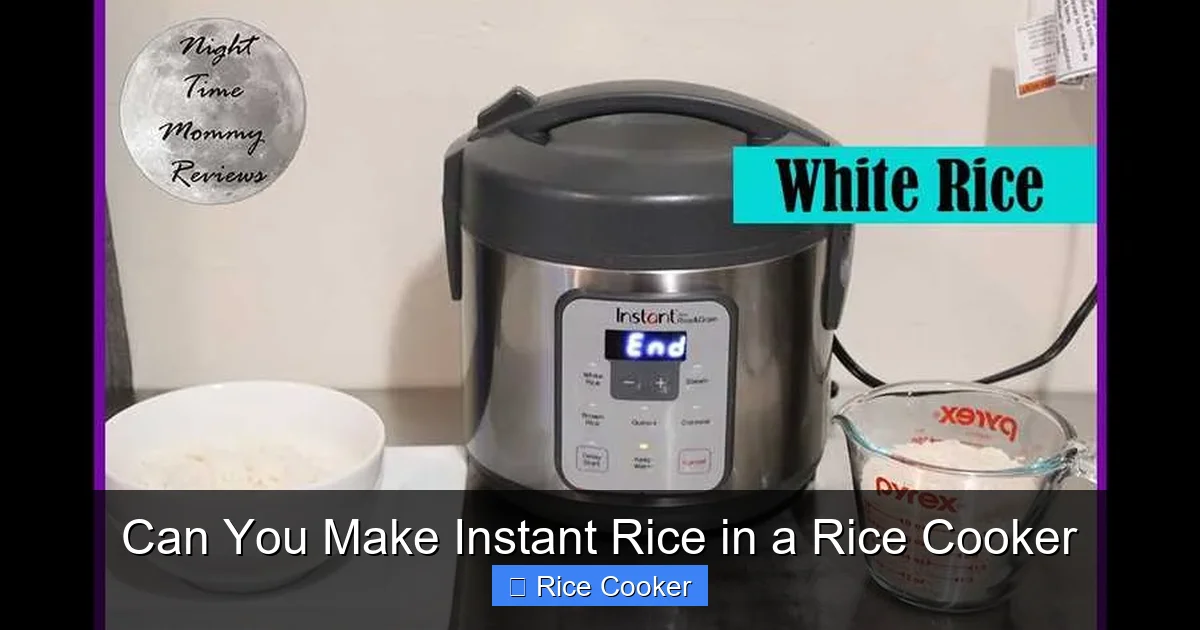
Visual guide about Can You Make Instant Rice in a Rice Cooker
Image source: metrocookingdallas.com
The key difference lies in texture and structure. Because instant rice has already undergone partial cooking, it breaks down more easily during rehydration. That means it can become mushy if overcooked or undercooked if not enough water is used. This sensitivity makes proper technique essential—especially when using a rice cooker, which applies steady heat until the unit detects that all moisture has been absorbed.
Why Choose Instant Over Regular Rice?
There are several reasons people opt for instant rice:
- Speed: Ideal for last-minute meals or when you’re short on time.
- Consistency: Less prone to human error compared to stovetop cooking.
- Storage: Dry packages last longer and don’t require refrigeration.
- Portability: Great for camping, dorm rooms, or office lunches.
However, some chefs argue that traditional rice offers superior flavor and texture. But for everyday meals where efficiency matters, instant rice shines—particularly when prepared correctly in a rice cooker.
—
How to Cook Instant Rice in a Rice Cooker
Step-by-Step Instructions
Cooking instant rice in a rice cooker is surprisingly straightforward. Follow these steps for foolproof results:
Visual guide about Can You Make Instant Rice in a Rice Cooker
Image source: m.media-amazon.com
- Gather Your Ingredients: Measure out your instant rice (about 1 cup uncooked). Have clean water or broth ready.
- Measure Water Ratio: For most brands, use a 1:1.5 ratio—one part rice to 1.5 parts liquid. So for 1 cup of rice, add 1.5 cups of water or broth.
- Add to Rice Cooker Pot: Pour the rice and liquid into the inner pot. Stir gently to separate grains—this prevents clumping.
- Close Lid & Select Setting: Plug in your rice cooker and press the “Cook” button. If your model has multiple settings (like brown rice or quick cook), choose “White Rice” or default unless specified otherwise.
- Wait Patiently: Let the machine do its job. Total cycle time is usually around 10–15 minutes.
- Let It Rest: Once done, let the rice sit for 5 minutes with the lid closed. This allows steam to redistribute evenly.
- Fluff & Serve: Open the lid and fluff gently with a fork before serving.
Tips for Perfect Texture
- Avoid Overfilling: Don’t exceed the max fill line—instant rice expands slightly during cooking.
- Don’t Lift the Lid: Opening the lid mid-cycle releases steam and interrupts the cooking process.
- Use a Timer: Set a kitchen timer as an extra reminder, especially if your rice cooker doesn’t have audible alerts.
—
Choosing the Right Type of Instant Rice
Not all instant rice is created equal. Different types perform differently in a rice cooker, so selecting the right kind makes a big difference in outcome.
Best Varieties for Rice Cookers
- Long-Grain White Rice: The most common and widely compatible. Cooks up light and fluffy.
- Jasmine Rice: Offers a fragrant aroma and slightly sticky texture. Works well if you enjoy Southeast Asian flavors.
- Basmati Rice: Long, slender grains that stay separate. May require a tiny bit more water.
- Brown Rice Variants: Some instant brown rice options exist but tend to be denser and may need longer cook times or adjusted ratios.
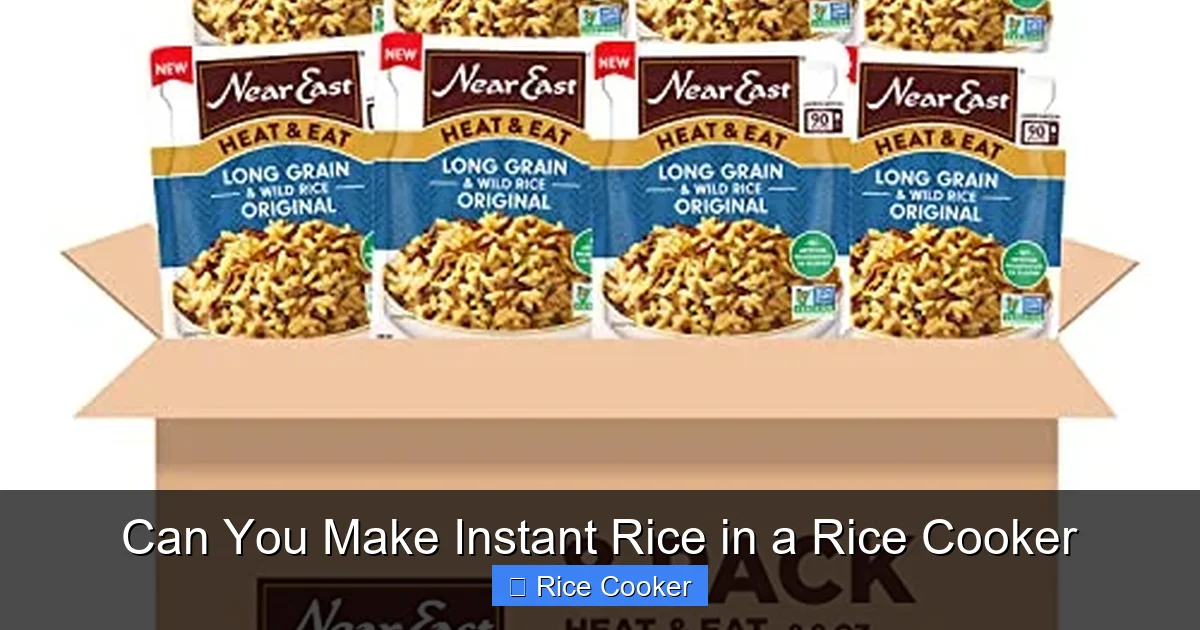
When shopping, look for labels like “quick-cooking” or “instant” on the packaging. Avoid those marked “ready-to-eat” or “already cooked”—those aren’t meant for reheating in a rice cooker.
—
Flavor Boosting Techniques
While instant rice is convenient, it can sometimes taste bland. Fortunately, a rice cooker makes it easy to infuse flavor directly into the grains.
Using Broth Instead of Water
Swap out plain water for low-sodium chicken, vegetable, or beef broth. This adds depth without requiring extra prep. Just remember that broths vary in saltiness—taste-test before salting further.
Adding Aromatics
- Herbs & Spices: Toss in a bay leaf, pinch of turmeric, or a sprig of thyme while cooking.
- Garlic & Onion: Sauté minced garlic or onion briefly before adding rice and liquid.
- Lemon Zest or Vinegar: Add a teaspoon of lemon zest or rice vinegar after cooking for brightness.
Infused Oils
Drizzle a small amount of olive oil, sesame oil, or butter into the pot before adding rice. This enhances mouthfeel and aroma—great for dishes like stir-fry bases or grain bowls.
—
Common Mistakes and How to Fix Them
Even experienced cooks run into hiccups now and then. Here’s how to troubleshoot common issues when making instant rice in a rice cooker.
Mushy or Gluey Texture
This usually happens due to too much water or overcooking. Try reducing the water ratio next time (start with 1:1.25 instead of 1:1.5) and avoid opening the lid during cooking.
Undercooked or Gummy Grains
If the rice feels crunchy or starchy, your rice cooker may have cut off early. Instant rice can confuse older models that rely on moisture sensors. In this case, add ½ cup water, close the lid, and press “Cook” again for another 3–5 minutes.
Rice Sticking to the Bottom
Ensure your inner pot isn’t scratched and is properly coated (if non-stick). Also, don’t overcrowd—stick to recommended serving sizes.
Too Much Steam Buildup
Some rice cookers vent steam heavily. If yours does, place a kitchen towel loosely over the lid vent to reduce splatter without blocking airflow.
—
Storing and Reheating Leftover Instant Rice
Instant rice keeps well and reheats beautifully—making it perfect for meal prep.
Refrigeration Tips
- Store cooled rice in an airtight container for up to 4 days.
- Spread it out in a thin layer on a baking sheet before refrigerating to cool faster.
Reheating Methods
- Rice Cooker Method: Place rice in the pot, add 2–3 tablespoons water, cover, and heat on “Warm” for 5–7 minutes.
- Microwave Method: Transfer to a microwave-safe dish, add water, cover with damp paper towel, and heat in 30-second intervals.
- Stovetop Method: Heat over low flame with occasional stirring and splash of water.
Always check temperature and mix thoroughly before serving.
—
Frequently Asked Questions About Making Instant Rice in a Rice Cooker
Do I need to rinse instant rice before cooking?
No, rinsing isn’t necessary for instant rice. Unlike regular rice, it’s already processed and ready to go. Rinsing could remove surface starches that help bind flavors and reduce stickiness.
Can I use milk instead of water for instant rice?
Yes, but only if your recipe calls for it—like risotto-style preparations or creamy rice puddings. Note that milk-based recipes may require slightly longer cooking times and careful monitoring to avoid scorching.
Will any rice cooker work with instant rice?
Most standard electric rice cookers can handle instant rice, including basic models with a single “Cook” setting. Advanced units with fuzzy logic or induction heating may offer better consistency, but even entry-level cookers get the job done.
How do I prevent my rice cooker from overflowing?
Use the correct water ratio, don’t overfill past the max line, and avoid adding fats or oils that increase foaming. If your model tends to overflow, try reducing the rice quantity by 10%.
Can I cook other quick-cooking grains in a rice cooker?
Absolutely! Couscous, quinoa (if labeled “instant”), bulgur wheat, and even mashed potatoes (in a sealed pouch) can be made in a rice cooker. Just follow package instructions for liquid ratios and timing.
—
Conclusion: Why Use a Rice Cooker for Instant Rice?
In today’s fast-paced world, having reliable shortcuts in the kitchen is invaluable. Making instant rice in a rice cooker delivers exactly that: speed, simplicity, and consistent quality with zero babysitting required. Whether you’re feeding a family dinner rush or whipping up a solo bowl of comfort food, this method ensures every grain comes out just right.
Beyond practicality, using your rice cooker for instant rice unlocks creative possibilities—from aromatic spiced blends to protein-packed grain bowls. And because cleanup is minimal and energy use is low, it’s also kinder to your budget and environment.
So next time you reach for that box of instant rice, skip the stovetop and give your rice cooker a try. You might just find it becomes your new favorite go-to appliance for quick, delicious meals.
Frequently Asked Questions
Should I soak instant rice before cooking it in a rice cooker?
No, soaking isn’t necessary for instant rice. Its pre-cooked state allows it to absorb liquid quickly during the rice cooker cycle.
Can I add vegetables or meat to instant rice in the rice cooker?
You can, but only if the additions are fully cooked first. Raw meats or veggies may not heat through properly in the limited time instant rice takes to cook.
Why is my instant rice always gummy in the rice cooker?
This is usually caused by too much water or overcooking. Reduce the water ratio and avoid opening the lid during cooking. Older rice cookers may also stop prematurely—try adding extra cooking time manually.
Can I make fried rice using instant rice in a rice cooker?
Indirectly—you’d need to cook the instant rice first, chill it overnight, then fry it on the stove with oil and ingredients. The rice cooker alone isn’t suitable for true fried rice preparation.
How do I clean my rice cooker after making instant rice?
Unplug the unit and let it cool. Wash the inner pot with warm, soapy water—most are dishwasher safe unless marked otherwise. Wipe the exterior and lid with a damp cloth.
Is it okay to leave instant rice in the rice cooker after it finishes cooking?
Yes, keeping it on “Keep Warm” is fine for up to 1–2 hours. After that, transfer to an airtight container and refrigerate for later use.