
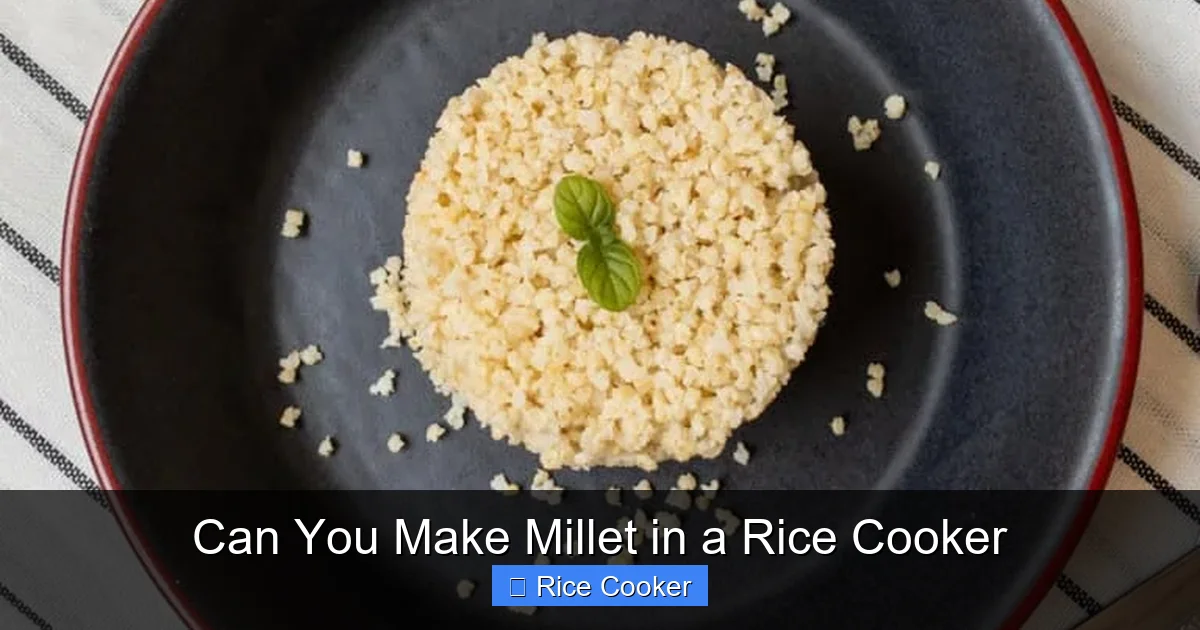
Can you make millet in a rice cooker? Absolutely! Millet cooks perfectly in most rice cookers and offers a nutty, gluten-free grain option that’s easy to prepare. With the right water-to-rice ratio and a few simple steps, you’ll have tender, fluffy millet ready in under 20 minutes. Whether you’re new to millet or just looking for a quick side dish, using your rice cooker is one of the easiest ways to get it right every time.
Key Takeaways
- Yes, millet works great in rice cookers: Most standard rice cookers are fully capable of cooking millet with proper water ratios.
- Use a 2:1 water-to-rice ratio: For every cup of dry millet, use two cups of water for fluffy results.
- Rinse before cooking: Rinsing removes surface starch and prevents clumping.
- Soaking isn’t required but helps: Soaking millet softens it and shortens cook time slightly.
- Fluff with a fork after cooking: This releases excess moisture and keeps grains separate.
- Millet stores well: Cooked millet keeps in the fridge for up to 5 days and freezes for months.
- Try flavor infusions: Add herbs, spices, or broth instead of plain water for extra taste.
[FEATURED_IMAGE_PLACEHOLDER]
Why Use a Rice Cooker for Millet?
If you’re like most home cooks, convenience is king—especially when it comes to meal prep. That’s where your trusty rice cooker shines. While many people associate rice cookers with just rice (and rightly so), these handy appliances are surprisingly versatile. Enter millet: a tiny, nutrient-dense grain that’s gaining popularity as a gluten-free alternative to rice, quinoa, and farro. But can you make millet in a rice cooker? The short answer is yes—and it’s one of the easiest ways to get perfectly cooked millet every single time.
Cooking millet on the stovetop requires constant attention, watching for boil-overs and adjusting heat carefully. But with a rice cooker, you simply add ingredients, press a button, and walk away. No stirring, no babysitting. In fact, rice cookers maintain consistent temperatures and automatically switch to warm mode once cooking is complete—ideal for delicate grains like millet, which can easily become mushy if overcooked.
The Benefits of Cooking Millet in a Rice Cooker
Using a rice cooker for millet isn’t just about convenience—it also helps preserve the grain’s natural texture and nutrients. Here’s why this method stands out:
- Even Heat Distribution: Rice cookers use internal heating elements that distribute warmth evenly, preventing hot spots that can burn millet.
- Automatic Shutoff: Once done, the cooker switches off, preventing overcooking—a common issue with stovetop methods.
- Hands-Free Preparation: Perfect for busy mornings or meal prep Sundays when you want dinner ready without lifting a finger.
- Consistent Results: Whether you’re cooking a half cup or four cups, your millet turns out fluffy and separated.
- Easy Cleanup: Just rinse the inner pot—no scrubbing sticky pots or pans.
What Is Millet and Why Should You Care?
Before we dive into the how-to, let’s talk about what millet actually is. Millet is an ancient grain native to Africa and Asia, now grown worldwide. It comes in several varieties—foxtail, pearl, finger millet, and others—but pearl millet is the most common in North American grocery stores. Despite its small size (about the same diameter as a poppy seed), millet packs a nutritional punch.
Rich in fiber, protein, magnesium, phosphorus, and antioxidants, millet supports digestive health, stabilizes blood sugar, and may even boost heart health. Plus, it’s naturally gluten-free, making it a favorite among those with celiac disease or gluten sensitivity. Unlike some ancient grains that require long soaking or special preparation, millet cooks quickly and pairs well with everything from curries to salads.
A Brief History of Millet
Millet has been cultivated for over 7,000 years and was once a staple food across Europe, Asia, and Africa. During the Middle Ages, it was so common in England that it was called “our ordinary bread.” Today, millet is still a dietary cornerstone in parts of India, China, and East Africa, often used in porridge, flatbreads, or as a rice substitute.
In recent years, millet has made its way into Western kitchens thanks to the growing interest in whole grains and plant-based diets. It’s lightweight, shelf-stable (when stored properly), and cooks faster than brown rice—making it ideal for quick weekday meals.
How to Make Millet in a Rice Cooker: Step-by-Step Guide
Ready to give it a try? Follow these simple steps to make foolproof millet using your rice cooker. Don’t worry—there’s no guesswork involved.
Gather Your Ingredients and Equipment
You don’t need anything fancy. All you really need is:
- 1 cup uncooked millet
- 2 cups water (or vegetable/ chicken broth for added flavor)
- A fine-mesh strainer
- A measuring cup
- Your rice cooker with removable inner pot
Optional but helpful: a bowl for rinsing, a fork for fluffing, and a lid to cover the pot if your rice cooker doesn’t seal tightly.
Step 1: Rinse the Millet
Place the millet in a fine-mesh strainer and run it under cold running water for about 30 seconds. Gently rub the grains between your fingers—this removes surface starches that can cause clumping during cooking. You’ll notice the water turning cloudy; keep rinsing until it runs clear.
Pro tip: Don’t skip this step! Unrinsed millet tends to stick together and develop a gummy texture.
Step 2: Add Water and Millet to the Rice Cooker
Transfer the rinsed millet to the inner pot of your rice cooker. Pour in 2 cups of liquid—water is fine to start, but feel free to experiment with broth, coconut water, or even apple juice for variety.
For reference, here’s a quick ratio chart:
| Dry Millet (cups) | Water/Broth (cups) |
|---|---|
| 1 | 2 |
| 2 | 4 |
| 3 | 6 |
This 2:1 ratio yields fluffy, separate grains. If you prefer softer millet (like porridge), increase water to 2.5 cups per 1 cup of millet.
Step 3: Start the Rice Cooker
Close the lid and select the “white rice” or “grain” setting. Most modern rice cookers default to this mode anyway. Press start and wait. Total cook time usually ranges from 18–25 minutes.
Note: Some high-end models have a dedicated “millet” setting, but most standard rice cookers don’t. That’s okay—they all work the same way!
Step 4: Let It Rest
Once the cycle ends and the cooker switches to “warm,” let the millet sit for 5–10 minutes with the lid closed. This allows residual steam to finish cooking the grains gently and improves texture.
Step 5: Fluff and Serve
Open the lid, grab a fork, and gently fluff the millet. This separates any clumps and redistributes moisture evenly. Taste it—adjust seasoning if needed (a pinch of salt or a drizzle of olive oil works wonders).
Troubleshooting Common Millet Issues
Even with the best technique, things can go wrong. Here’s how to fix them.
Problem: Millet Sticks Together
Cause: Under-rinsing or too much water absorbed during cooking.
Fix: Always rinse thoroughly. If it happens again, reduce water slightly next time or soak the millet for 15 minutes before cooking.
Problem: Millet Is Too Dry or Mushy
Cause: Incorrect water ratio or overcooking.
Fix: Stick to the 2:1 ratio. If your cooker runs hotter than average, try reducing water by ¼ cup. Mushy millet usually means it sat on “warm” too long—don’t leave it there overnight!
Problem: Bitter Aftertaste
Cause: Old or low-quality millet.
Fix: Buy fresh millet from a reputable brand. Store it in an airtight container away from light and heat. Check expiration dates!
Problem: Unevenly Cooked Grains
Cause: Compacted rice bed or old cooker element.
Fix: Lightly shake the pot after adding ingredients to ensure even distribution. Clean your rice cooker regularly to maintain performance.
Creative Ways to Use Cooked Millet
Millet is incredibly flexible. Once you’ve mastered the basic recipe, you can turn it into so much more than just a side dish.
As a Rice Substitute
Sauté onions, garlic, and ginger in olive oil. Stir in cooked millet and a splash of soy sauce or tamari. Top with steamed broccoli and tofu for a vegan stir-fry base. Or mix it into burrito bowls with black beans, corn, and avocado.
In Porridge or Breakfast Bowls
Cook millet with milk (dairy or plant-based) and sweeten with honey or maple syrup. Add cinnamon, chopped nuts, and fresh berries. Let it cool slightly before serving. It’s creamy, satisfying, and full of fiber to kickstart your day.
For Pilafs and Stuffings
Combine millet with sautéed mushrooms, dried apricots, and thyme for a savory stuffing. Or make a Mediterranean-style pilaf with tomatoes, olives, feta, and lemon zest.
In Vegan Burgers or Meatballs
Mix cooled millet with mashed chickpeas, breadcrumbs, herbs, and spices. Form into patties and pan-fry or bake. These hold together beautifully and absorb flavors wonderfully.
As a Thickener for Soups and Stews
Simmer millet directly in soups—it thickens naturally and adds body without gumming up the broth. Great for lentil soup, minestrone, or chili.
Storing and Reheating Millet
Got leftovers? No problem. Proper storage keeps millet fresh and edible for weeks.
Refrigeration
Store cooked millet in an airtight container in the fridge for up to 5 days. It may firm up slightly—just microwave with a splash of water for 30 seconds to revive it.
Freezing
Portion cooled millet into freezer-safe bags or containers. Label with date and freeze for up to 3 months. Thaw overnight in the fridge or reheat straight from frozen with a bit of broth to loosen it up.
Reheating Tips
- Microwave individual portions with a damp paper towel to prevent drying.
- Steam over boiling water in a covered saucepan for fluffier results.
- Air fry at 375°F (190°C) for 5–7 minutes to crisp up cold millet—great for adding crunch to grain bowls.
Tips for Perfect Millet Every Time
Want consistent, restaurant-quality millet at home? Try these pro tips.
- Measure accurately: Use a dry measuring cup for millet—filling it level ensures correct volume.
- Don’t open the lid early: Steam escapes and can throw off timing. Wait until the cycle completes.
- Experiment with liquids: Swap water for almond milk, coconut water, or even beer for different flavors.
- Add acid at the end: A squeeze of lemon juice or vinegar brightens the flavor and prevents browning.
- Toast lightly before cooking: Sauté millet in oil for 2–3 minutes before adding water enhances nuttiness.
Frequently Asked Questions
Can you make millet in any type of rice cooker?
Yes! Standard electric rice cookers work perfectly for millet. Induction, pressure, or smart rice cookers will all handle it just fine. Just follow the same 2:1 water ratio and rinse instructions.
Do I need to soak millet before cooking it in a rice cooker?
No, soaking isn’t required—but it helps. Soak millet for 15–30 minutes to soften the outer hull and reduce cook time slightly. This is especially useful if you’re using older or harder millet varieties.
How do I know when my millet is done?
Most rice cookers auto-switch to “warm” mode when finished. Visually, the millet should be tender but still slightly chewy, with a white center and no hard kernels. If it’s still crunchy, let it rest a few more minutes.
Can I cook millet directly in the rice cooker without rinsing?
It’s not recommended. Unrinsed millet contains surface starches that cause clumping. Rinsing ensures fluffy, separate grains every time.
Is millet healthier than white rice?
Absolutely. Millet is higher in protein, fiber, vitamins, and minerals. It also has a lower glycemic index, meaning it won’t spike blood sugar like refined white rice.
Can I make millet in a slow cooker instead?
Technically yes, but it’s not ideal. Slow cookers take hours and tend to overcook millet into mush. The rice cooker’s precise temperature control makes it far superior.
Conclusion
So, can you make millet in a rice cooker? The answer is a resounding yes—and it’s easier than you think. With just a few simple steps, you can transform plain millet into a nutritious, versatile grain that fits seamlessly into any diet. Whether you’re cooking for one or feeding a family, your rice cooker is now equipped to handle this ancient superfood with ease.
From perfect water ratios to creative recipes, mastering millet in a rice cooker opens up a world of healthy eating possibilities. And the best part? It takes less time and effort than you’d expect. Next time you’re planning dinner, skip the rice—try millet instead. Your taste buds (and your body) will thank you.
This is a comprehensive guide about can you make millet in a rice cooker.
Key Takeaways
- Understanding can you make millet in a rice cooker: Provides essential knowledge
Frequently Asked Questions
What is can you make millet in a rice cooker?
can you make millet in a rice cooker is an important topic with many practical applications.