
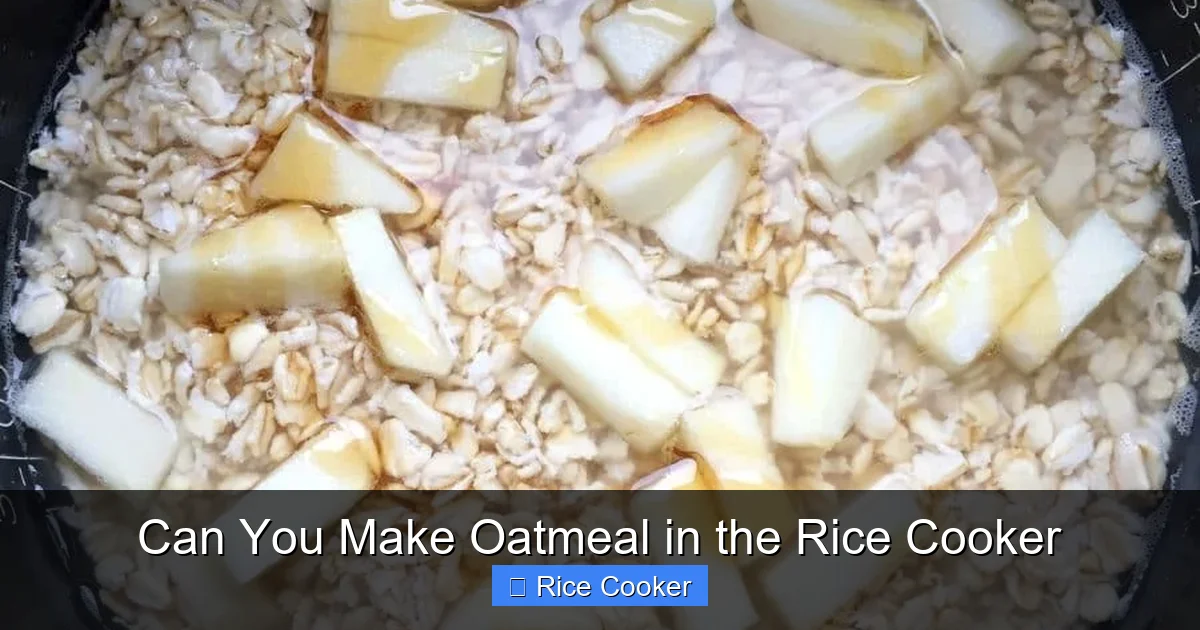
Making oatmeal in a rice cooker is not only possible—it’s easy and convenient. With the right ratio of oats to liquid and a few simple steps, your rice cooker can produce fluffy, warm breakfasts without constant attention. This method saves time, reduces cleanup, and works for both steel-cut and rolled oats.
Key Takeaways
- Yes, oatmeal cooks perfectly in a rice cooker. The appliance’s automated heating and timing functions create ideal texture and consistency.
- Use the correct water-to-oatmeal ratio. A general rule is 1:2 (1 cup oats to 2 cups liquid), but adjustments may be needed based on oat type.
- Steel-cut oats take longer than rolled oats. Expect 30–40 minutes for steel-cut, while rolled oats need only 15–20 minutes.
- Pre-soaking improves texture. Soaking steel-cut oats overnight can reduce cooking time and improve creaminess.
- Add-ins go in during the last 5 minutes. Fruits, nuts, or sweeteners added too early can become mushy or overcook.
- Cleaning is easier than stovetop cooking. Most rice cookers have non-stick inner pots that wipe clean quickly.
- Customize flavor with spices and sweeteners. Try cinnamon, maple syrup, or vanilla to elevate your oatmeal instantly.
📑 Table of Contents
- Can You Make Oatmeal in the Rice Cooker?
- Why Use a Rice Cooker for Oatmeal?
- Choosing the Right Oats for Your Rice Cooker
- Perfect Water-to-Oat Ratio for Rice Cooker Oatmeal
- Step-by-Step Guide: Making Oatmeal in a Rice Cooker
- Tips for Perfect Rice Cooker Oatmeal
- Flavor Variations and Creative Toppings
- Common Mistakes to Avoid
- Comparing Rice Cooker Oatmeal to Other Methods
- Frequently Asked Questions
- Conclusion
Can You Make Oatmeal in the Rice Cooker?
Have you ever stared into your pantry, wondering what to make for breakfast, only to find yourself reaching for the same old bowl of oatmeal? If so, you’re not alone. Oatmeal is a classic, comforting breakfast, but it doesn’t always feel exciting—especially when it takes forever to cook on the stove or requires constant stirring to avoid sticking. Enter the humble rice cooker: a kitchen workhorse designed to automate one-pot meals. But here’s the real question: Can you make oatmeal in the rice cooker?
The short answer is yes—absolutely. In fact, using a rice cooker to make oatmeal might just change the way you think about your morning routine. Not only does it eliminate the need for babysitting a pot on the stove, but it also delivers consistently creamy, well-cooked oats every single time. Whether you’re a busy parent, a college student, or someone who simply loves convenience, this method could be a game-changer. Let’s dive into why making oatmeal in a rice cooker is not just possible—but actually better than traditional methods in many ways.
Why Use a Rice Cooker for Oatmeal?
If you’ve ever made oatmeal the old-fashioned way—boiling water, adding oats, stirring occasionally—you know there are a few downsides. First, it can stick to the bottom of the pan if you forget to stir. Second, it often ends up lumpy or unevenly cooked. And third, the whole process takes time and attention, which is hard to come by in the morning rush.
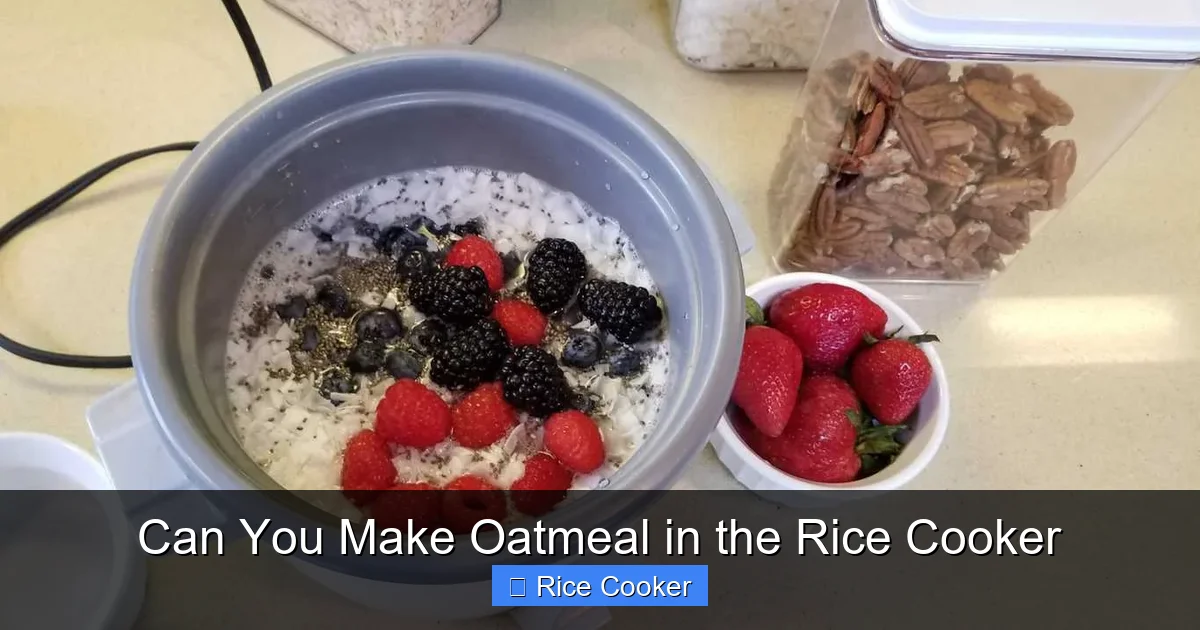
Visual guide about Can You Make Oatmeal in the Rice Cooker
Image source: fixitwise.com
The Magic of Automated Cooking
A rice cooker solves all these problems. Once you pour in the oats and water, you press a button, and the machine does the rest. It heats the mixture evenly, maintains a gentle simmer, and shuts off automatically when done. No more scorched bottoms, no more stirring, and no more guessing whether your oatmeal is ready. For those with limited kitchen time, this convenience is priceless.
Consistency Is Key
One of the biggest advantages of using a rice cooker is consistency. Every batch comes out the same way—creamy, tender, and perfectly textured. Whether you’re feeding one person or ten, the result is predictable. That reliability makes it ideal for meal prep or feeding picky eaters who demand uniformity.
Less Cleanup
Another benefit? Less mess. Unlike a stovetop pot that needs scrubbing after use, most rice cookers have a removable, non-stick inner pot. Just pop it out, rinse it, and you’re done. Some models even have dishwasher-safe components. For anyone tired of washing multiple pots and pans, this is a major win.
Choosing the Right Oats for Your Rice Cooker
Not all oats are created equal when it comes to cooking in a rice cooker. The type of oat you choose affects both cooking time and final texture. Here’s a breakdown of the most common varieties and how they perform:
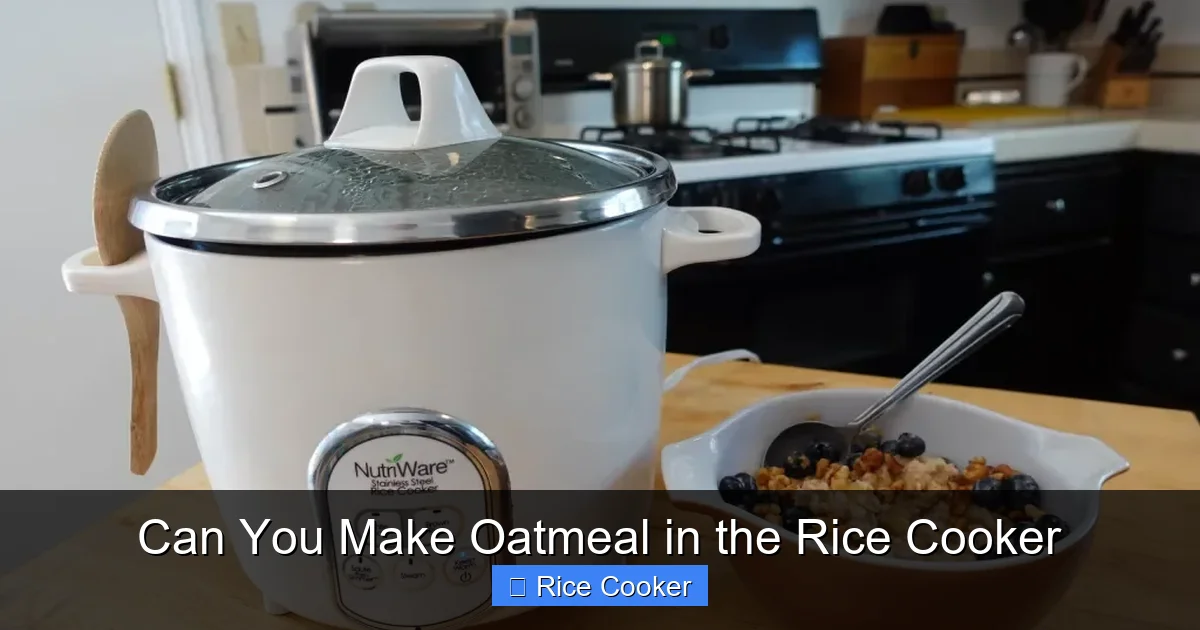
Visual guide about Can You Make Oatmeal in the Rice Cooker
Image source: i0.wp.com
Rolled Oats (Old-Fashioned Oats)
These are the most popular choice for breakfast. They’re steamed and flattened, so they cook quickly and yield a soft, creamy texture. When made in a rice cooker, rolled oats usually take between 15 and 20 minutes. They absorb liquid fast and work great with milk or water. Because they’re already processed, they don’t require pre-soaking and are perfect for quick weekday mornings.
Steel-Cut Oats
If you prefer a chewier, nuttier texture, steel-cut oats are your best bet. These oats are made by chopping whole oat groats into small pieces. Since they aren’t pre-processed like rolled oats, they take longer to cook—typically 30 to 40 minutes in a rice cooker. The result is a firmer, more satisfying bite. However, they can be tough if not soaked beforehand. Soaking steel-cut oats overnight in water or milk reduces cooking time and improves tenderness.
Quick-Cooking Oats
These are pre-cooked and then dried, so they’re the fastest option. They usually take just 5–7 minutes in a rice cooker. While convenient, they tend to be softer and less filling than rolled or steel-cut oats. They’re great for those who want speed without sacrificing nutrition, but they lack the texture some people enjoy.
Instant Oatmeal Packets
Most instant oatmeal packets are designed for microwave use, but they can technically be made in a rice cooker. However, because they’re already pre-cooked and flavored, they may turn out too mushy. It’s better to stick with plain oats and customize your own flavors with spices, fruits, and sweeteners.
Perfect Water-to-Oat Ratio for Rice Cooker Oatmeal
Getting the right liquid-to-oat ratio is crucial for achieving the perfect texture. Too little liquid, and your oatmeal will be dry and clumpy. Too much, and it becomes soupy. Here’s a reliable starting point:
- Rolled oats: 1 cup oats + 2 cups liquid (water or milk)
- Steel-cut oats: 1 cup oats + 3 cups liquid (due to longer cooking time)
- Quick oats: 1 cup oats + 1.5 cups liquid
For extra creaminess, use milk instead of water. Dairy adds richness, while plant-based milks like almond or oat milk bring their own subtle flavors. If you’re watching calories, you can reduce fat by using skim milk or unsweetened alternatives.
Remember, these ratios are guidelines. Your rice cooker model might behave slightly differently, so keep an eye on the first few batches. Adjust as needed—some people prefer thicker oatmeal, others like it soupier.
Step-by-Step Guide: Making Oatmeal in a Rice Cooker
Ready to try it? Follow these simple steps to make delicious, foolproof oatmeal using your rice cooker.
What You’ll Need
- 1 cup oats (rolled or steel-cut)
- 2–3 cups liquid (water or milk)
- Rice cooker
- Measuring cups
- Optional: salt, sweetener, spices
Step 1: Measure Ingredients
Start by measuring your oats and liquid. Stick to the recommended ratios above. If you’re making steel-cut oats, consider soaking them overnight to reduce cooking time and improve texture.
Step 2: Add to Rice Cooker Pot
Pour the oats and liquid into the inner pot of your rice cooker. Add a pinch of salt if desired—it enhances flavor and balances sweetness. You can also add a teaspoon of sugar, honey, or maple syrup at this stage for a touch of sweetness.
Step 3: Stir Briefly
Gently stir once to combine. Don’t overmix—just make sure everything is evenly distributed.
Step 4: Close Lid and Start Cooking
Place the lid on securely and select the “Cook” or “Rice” setting. For rolled oats, this usually takes 15–20 minutes. For steel-cut oats, it may take 30–40 minutes. Some rice cookers have a “Porridge” or “Oatmeal” setting—use that if available.
Step 5: Let It Rest
Once the cycle ends, let the oatmeal sit for 5 minutes with the lid closed. This allows it to thicken slightly and finish cooking from residual heat—similar to letting rice steam.
Step 6: Fluff and Serve
Open the lid and fluff the oatmeal with a fork. Add your favorite toppings: fresh fruit, nuts, seeds, yogurt, or a drizzle of honey. Serve immediately while hot.
Tips for Perfect Rice Cooker Oatmeal
Even with the right ingredients and technique, a few extra tips can elevate your oatmeal from good to great.
Soak Steel-Cut Oats
To soften steel-cut oats faster and avoid gumminess, soak them in water or milk for at least 30 minutes—or better yet, overnight. Drain and rinse before cooking if soaking in water.
Experiment with Liquid
Instead of plain water, try using broth, coconut water, or fruit juice for added flavor. Apple cider, for example, gives a natural sweetness and depth that pairs beautifully with cinnamon.
Add Spices Early
Cinnamon, nutmeg, cardamom, or even a pinch of turmeric go a long way in enhancing flavor. Add them with the oats and liquid—they’ll infuse throughout the cooking process.
Don’t Overfill
Never fill your rice cooker beyond two-thirds full. Oatmeal expands as it cooks, and overfilling can cause overflow or damage the unit.
Keep Warm Function
Many rice cookers have a “Keep Warm” setting. Use it if you’re not serving immediately, but avoid leaving oatmeal on warm for more than 30–60 minutes, as it can dry out or develop off-flavors.
Customize After Cooking
Toppings like berries, bananas, or nuts should go on right before eating. Adding them too early can make them soggy. Save chocolate chips, jam, or peanut butter for the last minute.
Flavor Variations and Creative Toppings
Oatmeal isn’t just bland beige porridge—it’s a canvas for creativity. Once you master the basics, you can turn your rice cooker oatmeal into gourmet breakfast bowls.
Sweet Oatmeal Options
- Banana Cinnamon: Mash a ripe banana into the cooked oatmeal and stir in a teaspoon of cinnamon.
- Maple Pecan: Drizzle with maple syrup and sprinkle with toasted pecans.
- Chocolate Chip: Stir in dairy-free or regular chocolate chips during the last minute of cooking.
Savory Oatmeal Ideas
Yes, oatmeal can be savory too! Try:
- Veggie & Herb: Sauté onions, garlic, spinach, and mushrooms, then mix into cooked oats. Season with soy sauce, chili flakes, and a sprinkle of cheese.
- Southwest Style: Add black beans, corn, diced tomatoes, and a dash of cumin and paprika. Top with avocado and shredded cheddar.
Protein-Packed Morning Bowls
Boost your breakfast with protein-rich additions:
- Greek yogurt
- Chia seeds or flaxseeds
- Peanut butter or almond butter
- Hard-boiled egg (cracked on top)
Common Mistakes to Avoid
Even experienced cooks can run into trouble when making oatmeal in a rice cooker. Here are some pitfalls to watch out for:
Using Too Much Liquid
This leads to thin, soupy oatmeal. Start with the recommended ratio and adjust only after testing a few batches.
Skipping the Rest Time
Not letting the oatmeal sit after cooking results in uneven texture. Always give it 5 minutes to settle.
Overloading with Toppings
Too many wet toppings can dilute flavor and make the oatmeal watery. Use measured amounts and reserve heavy additions for serving.
Ignoring the Keep Warm Setting
Leaving oatmeal on warm too long causes it to dry out. Only use this function briefly.
Not Cleaning the Pot
Starchy residue from oats can stick and harden. Clean the inner pot immediately after use—don’t let it sit.
Comparing Rice Cooker Oatmeal to Other Methods
How does rice cooker oatmeal stack up against stovetop, microwave, or overnight oats?
Rice Cooker vs. Stovetop
Stovetop oatmeal requires constant attention to prevent sticking and burning. The rice cooker automates this process, offering hands-off convenience without sacrificing quality. Texture-wise, rice cooker oatmeal tends to be more uniform.
Rice Cooker vs. Microwave
Microwave oatmeal is fast but often results in uneven cooking and a rubbery texture. The rice cooker provides gentler, more even heat distribution.
Rice Cooker vs. Overnight Oats
Overnight oats require no cooking but need advance planning. Rice cooker oatmeal offers warmth and immediate satisfaction, making it ideal for cold mornings.
Frequently Asked Questions
Can I make gluten-free oatmeal in a rice cooker?
Yes! Just ensure your oats are certified gluten-free and cross-contamination-free. Many rice cookers are also used for gluten-free grains, so they’re safe to use.
Do I need to stir the oatmeal while cooking?
No. Unlike stovetop cooking, the rice cooker handles stirring automatically through its internal mechanism. Just close the lid and let it do its job.
Can I make oatmeal in a slow cooker instead?
Technically yes, but it’s not ideal. Slow cookers don’t get hot enough to properly thicken oats, resulting in a thin, soupy texture. A rice cooker is far superior.
How do I reheat leftover oatmeal in the rice cooker?
Transfer the oatmeal to the inner pot, add a splash of milk or water, and cook on the “Warm” or “Cook” setting for 5–10 minutes, stirring halfway.
Can I add fruit during cooking?
Soft fruits like bananas or apples can go in early, but crunchy fruits like applesauce or berries should be added in the last 5 minutes to avoid mushiness.
Will my rice cooker burn if I leave it unattended?
Modern rice cookers are designed to shut off automatically when done or when dry. As long as there’s enough liquid, it’s safe to leave unattended.
Conclusion
So, can you make oatmeal in the rice cooker? Absolutely—and now you know why it’s a fantastic method for anyone looking to simplify their breakfast routine. From its ability to deliver consistent, creamy results to its ease of cleanup and customization options, the rice cooker proves it’s more than just a tool for cooking rice. It’s a versatile kitchen companion that can whip up a nourishing, delicious bowl of oatmeal in half the time—and with less effort.
Whether you’re using rolled oats for a quick morning fix or steel-cut oats for a heartier meal, your rice cooker has got you covered. Experiment with flavors, try new toppings, and soon you’ll look forward to breakfast again. Who knew something as simple as oatmeal could become so exciting?
Next time you’re craving a warm, comforting breakfast, skip the stove and turn on your rice cooker. Your future self—and your taste buds—will thank you.
Frequently Asked Questions
Can I make gluten-free oatmeal in a rice cooker?
Yes! Just ensure your oats are certified gluten-free and cross-contamination-free. Many rice cookers are also used for gluten-free grains, so they’re safe to use.
Do I need to stir the oatmeal while cooking?
No. Unlike stovetop cooking, the rice cooker handles stirring automatically through its internal mechanism. Just close the lid and let it do its job.
Can I make oatmeal in a slow cooker instead?
Technically yes, but it’s not ideal. Slow cookers don’t get hot enough to properly thicken oats, resulting in a thin, soupy texture. A rice cooker is far superior.
How do I reheat leftover oatmeal in the rice cooker?
Transfer the oatmeal to the inner pot, add a splash of milk or water, and cook on the “Warm” or “Cook” setting for 5–10 minutes, stirring halfway.
Can I add fruit during cooking?
Soft fruits like bananas or apples can go in early, but crunchy fruits like applesauce or berries should be added in the last 5 minutes to avoid mushiness.
Will my rice cooker burn if I leave it unattended?
Modern rice cookers are designed to shut off automatically when done or when dry. As long as there’s enough liquid, it’s safe to leave unattended.