
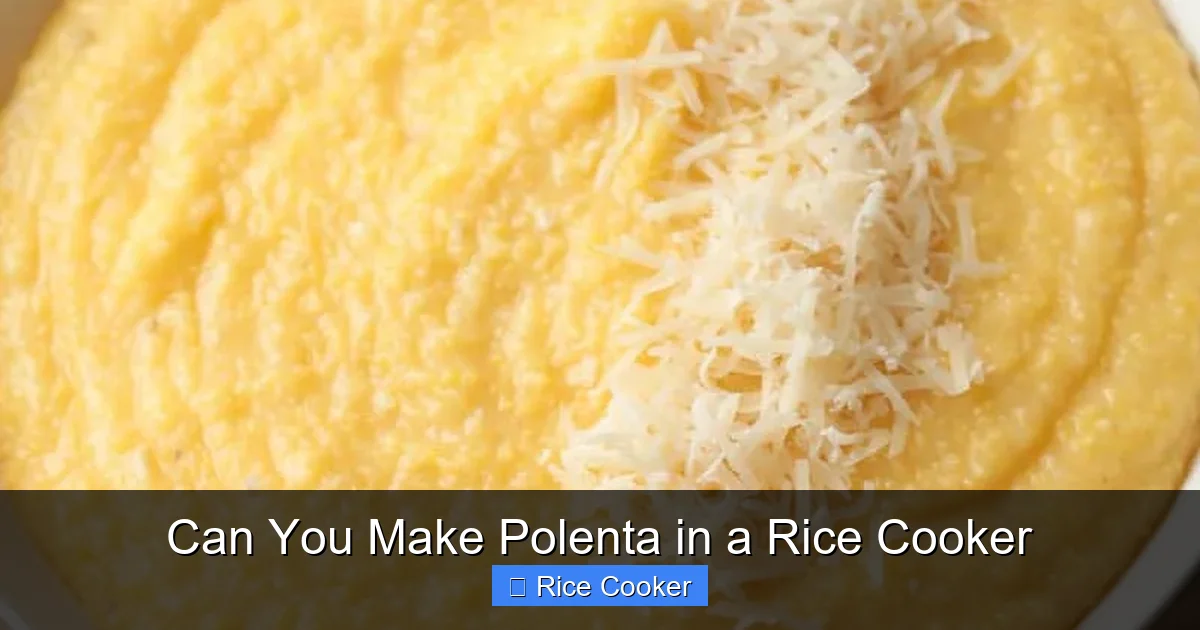
Can you make polenta in a rice cooker? Absolutely! With the right technique, your rice cooker can produce rich, creamy polenta just like traditional stovetop cooking. It’s perfect for busy days when you want a comforting Italian side dish without constant stirring.
Key Takeaways
- Rice cookers are ideal for polenta: The slow, consistent heat helps polenta thicken evenly without scorching.
- Use the right ratio: Start with 4 parts liquid (water or broth) to 1 part dried cornmeal for a creamy texture.
- Add salt early: Salt helps season the polenta properly as it cooks and absorbs flavor.
- Stir occasionally: Even in a rice cooker, gentle stirring prevents lumps and ensures even cooking.
- Let it rest after cooking: Allowing polenta to sit for 5–10 minutes helps it set and become smoother.
- Customize your polenta: Add cheese, butter, herbs, or vegetables for extra flavor.
- Clean-up is easy: Non-stick rice cookers make cleaning up a breeze after cooking.
📑 Table of Contents
- Can You Make Polenta in a Rice Cooker? A Beginner’s Guide
- Why Use a Rice Cooker for Polenta?
- Choosing the Right Cornmeal for Your Rice Cooker
- Step-by-Step: How to Make Polenta in a Rice Cooker
- Common Mistakes and How to Avoid Them
- Flavor Variations and Toppings
- Storing and Reheating Leftover Polenta
- Comparing Rice Cooker vs. Stovetop Polenta
- Frequently Asked Questions About Making Polenta in a Rice Cooker
- Final Thoughts: Is a Rice Cooker Worth It for Polenta?
Can You Make Polenta in a Rice Cooker? A Beginner’s Guide
Polenta—once considered a peasant food from northern Italy—has made its way into modern kitchens as a versatile, gluten-free alternative to rice, pasta, or bread. Traditionally, making polenta means simmering cornmeal on the stove for 30 to 45 minutes, stirring constantly to avoid clumping. But what if you don’t have the time, patience, or energy to stand over a hot pot? Enter the humble rice cooker.
Yes, you can absolutely make polenta in a rice cooker. In fact, many home cooks swear by this method for its convenience and hands-off approach. Whether you’re meal-prepping for the week or whipping up a quick dinner on a Tuesday night, using your rice cooker for polenta is not only possible—it’s practical and delicious. Let’s explore everything you need to know to turn your rice cooker into a polenta-making machine.
Why Use a Rice Cooker for Polenta?
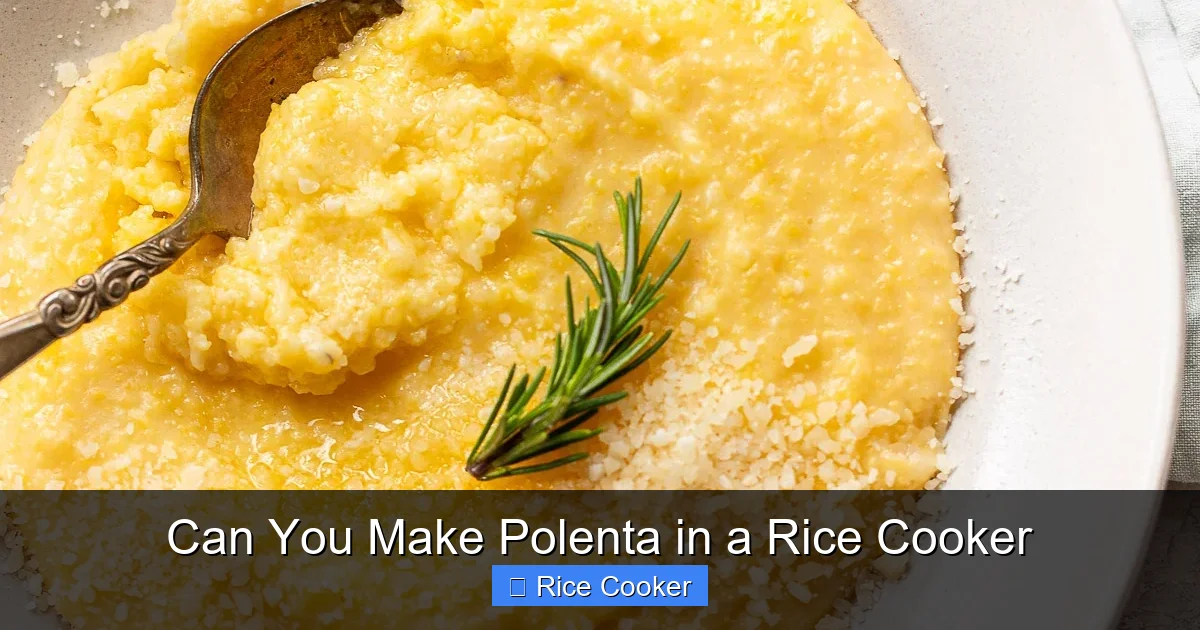
You might be wondering: why bother with polenta at all, let alone in a rice cooker? The answer lies in texture, flavor, and ease. Unlike instant polenta, which comes pre-cooked and ready to serve, regular polenta has a satisfying chew and depth of flavor that comes from slow cooking. And while stovetop polenta requires constant attention, a rice cooker does most of the work for you.
Visual guide about Can You Make Polenta in a Rice Cooker
Image source: familystylefood.com
Modern rice cookers come with multiple settings—like brown rice, porridge, or slow cook modes—that are perfect for polenta. These settings provide steady, low heat that mimics the gentle simmer needed for cornmeal to absorb liquid and thicken properly. Plus, because the lid traps steam, the moisture stays inside, preventing evaporation and ensuring even cooking.
The Science Behind Rice Cooker Polenta
Cooking polenta is all about starch gelatinization. When cornmeal comes into contact with liquid and heat, its starches swell and release, creating a creamy, cohesive texture. On the stovetop, you control the heat manually, but in a rice cooker, the temperature is regulated automatically. This consistency reduces the risk of burning or undercooking.
Most rice cookers maintain a temperature between 185°F and 212°F (85°C to 100°C), which is ideal for polenta. The longer cooking time allows the gritty texture of dried cornmeal to soften completely, resulting in a smooth, velvety consistency—especially if you use fine or medium-grind cornmeal.
Choosing the Right Cornmeal for Your Rice Cooker
Not all cornmeals are created equal, and choosing the right one makes a big difference in your final polenta. Here’s a quick breakdown:
Visual guide about Can You Make Polenta in a Rice Cooker
Image source: 3.bp.blogspot.com
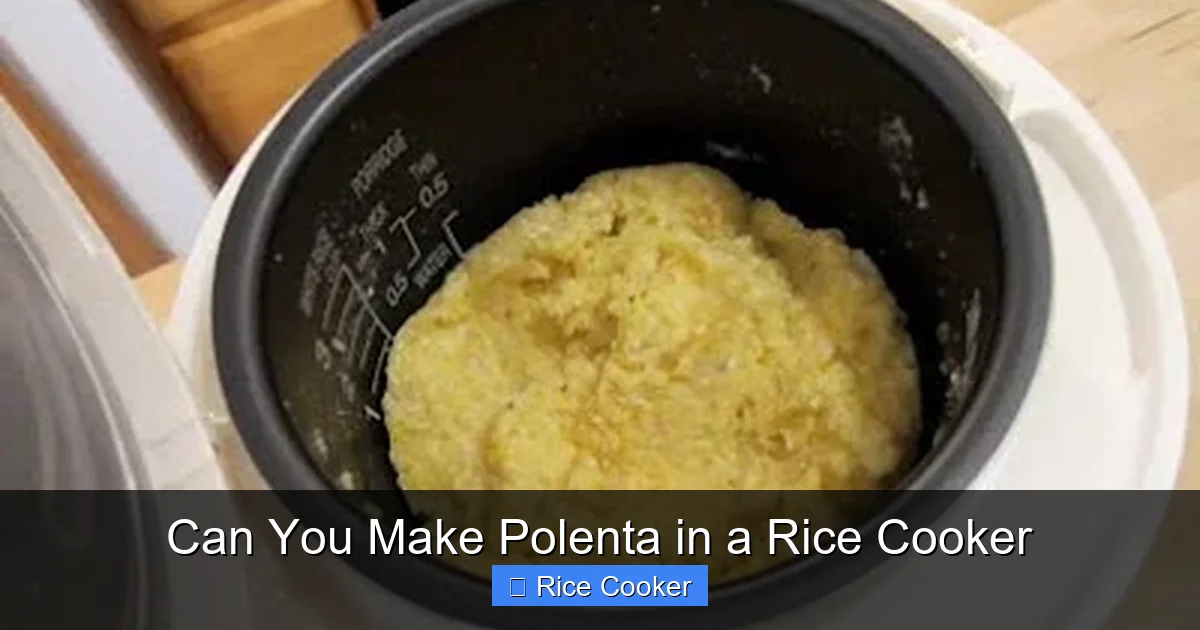
- Dried Cornmeal (Recommended): This is the most common type used for polenta. It’s inexpensive and cooks well in a rice cooker. Use fine or medium grind for the smoothest result.
- Instant Polenta: While convenient, instant polenta is pre-cooked and often contains additives. It doesn’t benefit as much from slow cooking and may lack depth of flavor.
- Fresh or Whole-Grain Cornmeal: These take longer to cook and may require adjustments in liquid ratios. They’re best for stovetop methods.
For beginners, we recommend starting with fine-ground dried cornmeal. It cooks faster and produces a creamier texture, making it ideal for rice cooker use.
Cornmeal Grinds Explained
Understanding cornmeal grinds helps you choose the right texture:
- Fine: Smooth, quick-cooking—great for creamy polenta.
- Medium: Slightly grainy, holds shape better—ideal for chunky polenta.
- Coarse: Chewy and hearty—best for rustic dishes or when served with strong flavors.
If you’re unsure, start with medium grind. It offers a good balance between creaminess and texture and works well in most rice cookers.
Step-by-Step: How to Make Polenta in a Rice Cooker
Making polenta in a rice cooker is simpler than you think. Follow these steps for perfect results every time.
Ingredients You’ll Need
- 1 cup dried cornmeal (fine or medium grind)
- 4 cups water or vegetable broth
- 1 teaspoon salt
- Optional: Pinch of sugar (to balance acidity if using tomatoes or cheese later)
Equipment
- A standard rice cooker with a non-stick inner pot
- Measuring cups and spoons
- A whisk or wooden spoon
- A spatula for scraping the bottom
Instructions
- Combine Ingredients: Add the cornmeal, water (or broth), and salt to the rice cooker pot. Stir gently to remove clumps.
- Start Cooking: Close the lid and select the “Porridge” or “Brown Rice” setting if available. If not, use the standard “White Rice” setting. The cooking time will be approximately 30–45 minutes.
- Stir Occasionally: After 10–15 minutes, open the lid and stir once or twice with a wooden spoon. This helps prevent sticking and promotes even thickening.
- Check Consistency: After 30 minutes, check the polenta. It should be thick, creamy, and no longer gritty. If it’s too thin, close the lid and cook for another 5–10 minutes, checking every few minutes.
- Rest and Fluff: Once done, turn off the rice cooker and let the polenta rest for 5–10 minutes. Then fluff it with a spatula to break up any lumps.
- Serve Immediately: Top with butter, grated Parmesan, sautéed mushrooms, or a drizzle of olive oil.
Pro Tips for Perfect Rice Cooker Polenta
- Don’t skip the salt: Salt enhances flavor and helps the cornmeal absorb liquid better.
- Use broth instead of water: Vegetable, chicken, or mushroom broth adds richness and depth.
- Stir before serving: Even if it looks smooth, give it a quick mix to ensure even texture.
- Adjust thickness: If it’s too thick, add a splash of warm water. Too thin? Cook a few minutes longer.
Common Mistakes and How to Avoid Them
Even with the right tools, mistakes happen. Here are the most common issues when making polenta in a rice cooker—and how to fix them.
Mistake #1: Using the Wrong Ratio
Using too little liquid results in dry, clumpy polenta. Too much makes it soupy. Stick to a 1:4 ratio (1 cup cornmeal to 4 cups liquid) as a starting point. Adjust based on your cooker and desired consistency.
Mistake #2: Not Stirring Enough
Polenta loves to stick to the bottom of the pot—even in a rice cooker. Stirring every 10–15 minutes prevents lumps and ensures even cooking. A wooden spoon is ideal because it won’t scratch the non-stick surface.
Mistake #3: Opening the Lid Too Often
Every time you lift the lid, heat escapes, slowing down the cooking process. Try to limit lid opening to when you’re stirring or checking consistency.
Mistake #4: Using Instant Polenta
Instant polenta is pre-cooked and meant to be mixed with hot liquid. It won’t develop the same creamy texture as slow-cooked polenta. Save it for quick side dishes, not rice cooker experiments.
Mistake #5: Overcooking or Undercooking
Overcooked polenta becomes gluey. Undercooked remains gritty. Trust the timer, but check frequently after the recommended time. If in doubt, cook a few minutes longer.
Flavor Variations and Toppings
Polenta is incredibly versatile. Once you master the basics, you can customize it to suit your taste. Here are some popular variations:
Cheesy Polenta
After cooking, stir in ½ cup grated Parmesan, 2 tablespoons butter, and a pinch of nutmeg. Let it melt and cool slightly before serving. This is classic northern Italian style.
Garlic and Herb Polenta
Sauté minced garlic in olive oil, then stir it into the cooked polenta. Add fresh thyme, rosemary, or parsley for aroma. Drizzle with extra virgin olive oil before serving.
Veggie-Packed Polenta
Mix in sautéed mushrooms, spinach, sun-dried tomatoes, or roasted bell peppers. This transforms polenta into a hearty main course.
Sweet Polenta
Try a dessert version: cook polenta with milk instead of water, add cinnamon, a touch of honey, and top with fruit compote or whipped cream.
Topping Ideas
- Grated Pecorino Romano or Parmigiano-Reggiano
- Sautéed mushrooms and sage
- Baked salmon or grilled chicken
- Roasted vegetables
- Tomato sauce and mozzarella
- Honey and walnuts (for sweet)
Storing and Reheating Leftover Polenta
Polenta keeps well and actually improves in flavor the next day. Here’s how to store and reheat it properly.
Refrigeration
Let cooled polenta cool completely, then transfer to an airtight container. It lasts up to 5 days in the fridge. Note: It will firm up as it cools, so plan to loosen it with a bit of warm liquid before reheating.
Freezing
Pour cooled polenta into a freezer-safe container, leaving ½ inch of space at the top. Wrap tightly with plastic or foil, then place in a freezer bag. Freeze for up to 3 months.
Reheating
- In the microwave: Place in a microwave-safe dish, cover with a damp paper towel, and heat in 30-second intervals, stirring between each, until warm.
- On the stovetop: Heat over low-medium heat, adding a splash of water or broth as needed. Stir constantly until smooth.
- In the rice cooker: Add a tablespoon of liquid, stir, and use the “Keep Warm” function or low heat to reheat gently.
Reviving Firm Polenta
If your refrigerated polenta has hardened, don’t panic. Place it in a saucepan with a splash of broth or milk. Heat gently, stirring constantly, until it reaches the desired consistency. This is also a great way to stretch leftovers into new meals.
Comparing Rice Cooker vs. Stovetop Polenta
While both methods yield delicious polenta, they differ in effort, texture, and control. Here’s a side-by-side comparison:
| Method | Effort Level | Cooking Time | Texture | Control |
|---|---|---|---|---|
| Stovetop | High (constant stirring) | 30–45 minutes | Can be creamy or chunky (depending on stirring) | Full control over heat and consistency |
| Rice Cooker | Low (hands-off) | 30–45 minutes | Consistently creamy | Limited; relies on cooker settings |
Stovetop gives you more flexibility—perfect if you want chunky polenta or are cooking over an open flame. But for busy schedules, the rice cooker wins on convenience and reliability.
Frequently Asked Questions About Making Polenta in a Rice Cooker
Can I use milk instead of water to make polenta in a rice cooker?
Yes, you can substitute half water and half milk for a richer, creamier texture. This works especially well for sweet polenta or when you’re adding cheese. Just note that milk-based polenta may take slightly longer to thicken.
How long does it take to cook polenta in a rice cooker?
Approximately 30 to 45 minutes, depending on your rice cooker model and cornmeal type. Fine grind cooks faster than coarse. Always check for doneness by tasting for grittiness.
Can I make polenta in a pressure cooker instead of a rice cooker?
Yes! Pressure cookers are excellent for polenta. Use the same 1:4 ratio, set to high pressure for 20–25 minutes, then natural release. It’s faster than a rice cooker and yields a very creamy result.
Do I need to soak the cornmeal before cooking?
No, soaking is not necessary for dried cornmeal. It will absorb the liquid during cooking. However, some people prefer to rinse it first to remove excess dust—though this isn’t required.
Can I make polenta ahead of time and reheat it in the rice cooker?
Absolutely. Cool polenta completely, store in the fridge, then reheat in the rice cooker with a splash of water or broth. Stir occasionally and heat on low until warm throughout.
Is polenta gluten-free?
Traditional polenta made from yellow cornmeal is naturally gluten-free. However, always check labels for cross-contamination warnings, especially if you have celiac disease or severe gluten sensitivity.
Final Thoughts: Is a Rice Cooker Worth It for Polenta?
If you love polenta but hate the idea of standing over a pot, your rice cooker is about to become your new best friend. It’s affordable, reliable, and surprisingly capable of producing restaurant-quality polenta with minimal effort. Whether you’re cooking for one or feeding a crowd, this method saves time without sacrificing flavor or texture.
Plus, now that you know how to make polenta in a rice cooker, you can experiment with endless toppings and variations. From cheesy bowls to savory casseroles, the possibilities are endless. So go ahead—grab your rice cooker, measure out that cornmeal, and get cooking. Your taste buds (and your schedule) will thank you.
Pro Tip: Keep a batch of polenta on hand in the fridge. It’s perfect for quick meals, breakfast scrambles, or even as a base for pizza crusts.
Ready to try it? Grab your rice cooker and let the polenta magic begin!
Frequently Asked Questions
Can I use milk instead of water to make polenta in a rice cooker?
Yes, you can substitute half water and half milk for a richer, creamier texture. This works especially well for sweet polenta or when you’re adding cheese. Just note that milk-based polenta may take slightly longer to thicken.
How long does it take to cook polenta in a rice cooker?
Approximately 30 to 45 minutes, depending on your rice cooker model and cornmeal type. Fine grind cooks faster than coarse. Always check for doneness by tasting for grittiness.
Can I make polenta in a pressure cooker instead of a rice cooker?
Yes! Pressure cookers are excellent for polenta. Use the same 1:4 ratio, set to high pressure for 20–25 minutes, then natural release. It’s faster than a rice cooker and yields a very creamy result.
Do I need to soak the cornmeal before cooking?
No, soaking is not necessary for dried cornmeal. It will absorb the liquid during cooking. However, some people prefer to rinse it first to remove excess dust—though this isn’t required.
Can I make polenta ahead of time and reheat it in the rice cooker?
Absolutely. Cool polenta completely, store in the fridge, then reheat in the rice cooker with a splash of water or broth. Stir occasionally and heat on low until warm throughout.
Is polenta gluten-free?
Traditional polenta made from yellow cornmeal is naturally gluten-free. However, always check labels for cross-contamination warnings, especially if you have celiac disease or severe gluten sensitivity.