

You absolutely can make popcorn in a rice cooker, and it’s one of the easiest kitchen hacks around. With just a few ingredients and a little timing, you’ll get fluffy, evenly popped kernels without burning or sticking. It’s perfect for movie nights or healthy snacking, and using your rice cooker turns an appliance you already own into a multi-use tool.
Key Takeaways
- Yes, you can make popcorn in a rice cooker—it’s a simple, efficient method that doesn’t require special equipment.
- The key to success is using the right type of corn kernels (like yellow popping corn) and controlling the heat.
- Using oil helps distribute heat evenly and prevents sticking, especially if your rice cooker has a non-stick inner pot.
- Timing is crucial: most rice cookers will switch from heating to “warm” mode after about 3–5 minutes, which is usually when the popping slows down.
- For best results, use a rice cooker with a glass lid so you can monitor the progress without opening the lid.
- You can customize your popcorn with butter, salt, or other seasonings after popping.
- This method works with both stovetop-style rice cookers and electric models with a keep-warm function.
📑 Table of Contents
- Can You Make Popcorn in a Rice Cooker? The Surprising Answer (And How to Do It)
- Why Make Popcorn in a Rice Cooker?
- What Kind of Corn Should You Use?
- Choosing the Right Rice Cooker
- Step-by-Step Guide: Making Popcorn in Your Rice Cooker
- Troubleshooting Common Issues
- Customizing Your Popcorn
- Health Benefits of Homemade Popcorn
- Environmental and Cost Savings
- Fun Facts About Popcorn
- Final Thoughts: Is It Worth It?
Can You Make Popcorn in a Rice Cooker? The Surprising Answer (And How to Do It)
If you’re like me, you probably think of your rice cooker as a device that only makes rice—white rice, brown rice, maybe even quinoa or oatmeal. But what if I told you that this humble kitchen appliance could also be your new go-to for making fresh, fluffy popcorn? Yes, you read that right: you absolutely can make popcorn in a rice cooker. And once you know how, you might never go back to microwave bags again.
Making popcorn in a rice cooker isn’t just possible—it’s actually one of the most convenient ways to do it. No hot air popper needed. No messy stovetop pots. Just pour in some kernels, press a button, and let the magic happen. Plus, it gives you full control over the flavor and texture. Whether you’re craving classic buttered popcorn for movie night or a low-carb snack with nutritional yeast, your rice cooker can handle it.
In this complete guide, we’ll walk through everything you need to know about making popcorn in a rice cooker—from choosing the right kernels to troubleshooting common issues. We’ll also share pro tips to help you get perfectly popped, crispy, and delicious results every time. So grab your rice cooker, and let’s pop!
Why Make Popcorn in a Rice Cooker?
At first glance, it might seem odd to use a rice cooker for something other than grains. But there are several reasons why this method stands out:
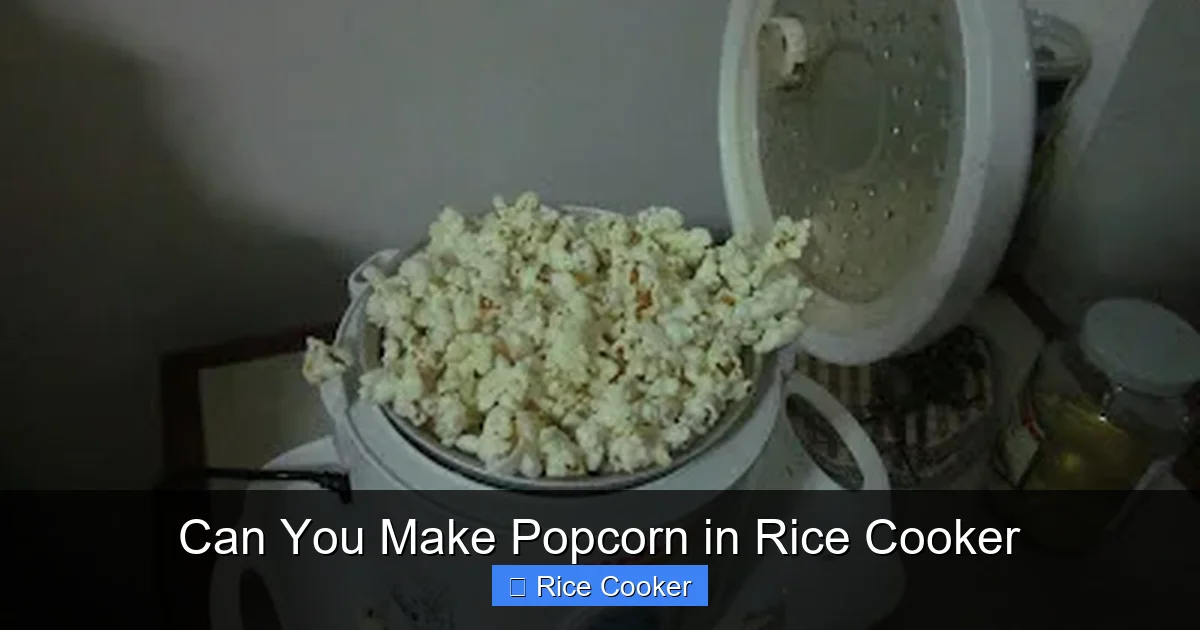
Visual guide about Can You Make Popcorn in Rice Cooker
Image source: 4.bp.blogspot.com
- Convenience: Most rice cookers have a simple on/off or auto-cook function. Once you start the process, you don’t have to stand by the stove or babysit a pot on the burner.
- Even Heating: Electric rice cookers circulate heat consistently, which helps prevent hot spots that can burn your popcorn.
- Less Mess: Because there’s no open flame or direct contact with a pan, there’s less risk of splatters and stuck-on bits.
- Energy Efficient: Rice cookers use less energy than stovetop methods, especially if you’re making small batches.
Another big advantage? You can make popcorn anytime—no need for a dedicated appliance. That’s especially useful if you live in a small apartment where counter space is limited, or if you’re trying to eat healthier and want to avoid processed microwave popcorn.
What Kind of Corn Should You Use?
Not all corn is created equal when it comes to popping. To make great popcorn in your rice cooker, you’ll need true popping corn—specifically, varieties labeled as “popping corn” or “yellow popping corn.” These kernels contain the right balance of moisture and starch to expand dramatically when heated.
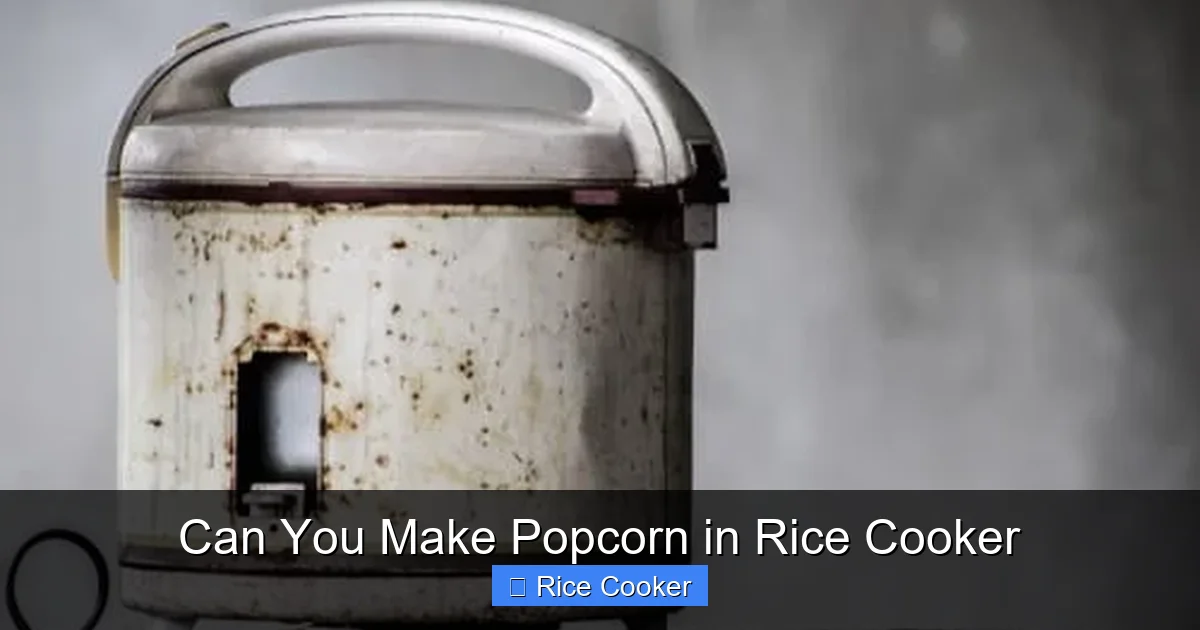
Visual guide about Can You Make Popcorn in Rice Cooker
Image source: missvickie.com
Best Types of Popping Corn
- Yellow Popping Corn: The most common type. It pops into classic white or cream-colored flakes. Popular brands include Wholly Pop, AeroFarms, and Bob’s Red Mill.
- Purple or Blue Popping Corn: Less common but growing in popularity. These offer a slightly nuttier flavor and vibrant color. They work just as well in a rice cooker.
- Organic or Non-GMO Kernels: If you prefer organic options, many brands sell certified organic popping corn. Just check the package to ensure it’s labeled for popping (not flint or dent corn).
What NOT to Use
Avoid using corn meant for tortillas, cereals, or animal feed. These won’t pop properly—they may not pop at all, or they could explode unpredictably. Also steer clear of pre-popped or flavored popcorn; those are already processed and won’t respond well to heat.
Choosing the Right Rice Cooker
Not all rice cookers are equal when it comes to making popcorn. Here’s what to look for:
Glass Lid
A transparent or glass lid lets you see inside without lifting the cover. This is super helpful because every time you open the lid during popping, heat escapes and steam builds up—both of which can affect the outcome. With a glass lid, you can peek quickly and stay consistent.
Non-Stick Inner Pot
This prevents your popcorn from sticking and makes cleanup a breeze. Most modern rice cookers come with non-stick coatings, so double-check before buying if yours doesn’t have one.
Capacity Matters
If you’re planning to make large batches (like for a party), choose a rice cooker with a larger capacity—at least 10 cups or more. For single servings, a standard 6–8 cup model works fine.
Keep-Warm Function
This feature keeps food warm after cooking without reheating it. While not essential, it can help maintain warmth if you’re waiting to serve your popcorn.
Step-by-Step Guide: Making Popcorn in Your Rice Cooker
Ready to try it? Follow these simple steps for foolproof popcorn:
What You’ll Need
- 1/4 to 1/3 cup popping corn (depending on your rice cooker size)
- 1–2 teaspoons oil (coconut, avocado, or vegetable oil work well)
- Optional: salt, butter, or seasonings
- Rice cooker with glass lid and non-stick pot
Instructions
- Prepare the Inner Pot: Place the non-stick inner pot into your rice cooker. Add the oil and spread it around so the bottom layer is coated.
- Add the Corn: Pour in the popping corn. Don’t overcrowd—too much corn will lead to uneven popping and burnt kernels.
- Cover and Start: Close the lid securely and turn on the rice cooker. Most will start heating immediately.
- Wait Patiently: Listen carefully. You’ll hear the first few pops within 2–3 minutes. Keep listening until the popping slows to about 2–3 seconds between pops.
- Turn Off or Switch to Warm: Once the popping slows significantly, turn off the rice cooker or allow it to switch to “keep warm.” Let it sit for another minute to finish popping.
- Fluff and Season: Carefully remove the inner pot (use oven mitts—it may be hot). Dump the popcorn into a bowl and add melted butter, salt, or your favorite spices. Toss gently.
Pro Tip:
If your rice cooker doesn’t have a glass lid, you can still make popcorn—just lift the lid occasionally to check progress. Be quick, though, so the heat doesn’t escape too much.
Troubleshooting Common Issues
Even with the best technique, things can go wrong sometimes. Here’s how to fix the most common problems:
Popcorn Sticks to the Bottom
This usually happens if there’s not enough oil or if the inner pot isn’t properly coated. Always use a light layer of oil, and consider spraying it lightly with cooking spray for extra protection.
Too Many Unpopped Kernels
Unpopped kernels are normal—about 5–10% is expected—but if you’re seeing more, you might have used the wrong type of corn or didn’t heat it long enough. Try using higher-quality popping corn and listen carefully for the final pops.
Burnt or Smoky Popcorn
This often occurs if the rice cooker gets too hot or if you leave it running too long after the popping stops. Avoid overfilling the pot, and stop the process as soon as the popping slows down.
Popcorn Doesn’t Pop at All
Check your rice cooker’s temperature settings. Some models have low, medium, and high heat options. If your popcorn isn’t popping, try switching to a higher setting or preheating the pot slightly before adding corn.
Customizing Your Popcorn
Once you’ve mastered the basics, the fun begins! Here are some ideas to elevate your homemade popcorn:
Classic Buttered Popcorn
Melt 1–2 tablespoons of butter in a small saucepan, then toss it with freshly popped corn and a pinch of salt. For extra richness, add a splash of vanilla extract or a sprinkle of cinnamon.
Cheese Popcorn
Dust warm popcorn with grated Parmesan or nutritional yeast mixed with a bit of garlic powder and onion powder. Shake it up in a paper bag for even coating.
Sweet Popcorn
Try drizzling melted coconut oil with maple syrup and a dash of sea salt. Or mix in chocolate chips, crushed nuts, or dried fruit after popping.
Spicy Popcorn
Sprinkle with chili powder, cayenne pepper, or Tajín seasoning for a zesty kick. Great for game day or spicy movie nights!
Low-Carb or Vegan Options
Skip the butter and use olive oil or avocado oil instead. Add nutritional yeast for a cheesy flavor, or try turmeric and black pepper for a golden, anti-inflammatory boost.
Health Benefits of Homemade Popcorn
Contrary to popular belief, popcorn isn’t just junk food—especially when made the right way. In fact, air-popped or lightly-oiled popcorn offers several health perks:
- High Fiber Content: One cup of air-popped popcorn provides about 1.2 grams of fiber, which supports digestion and helps you feel full longer.
- Antioxidants: Popcorn contains polyphenols, which act as antioxidants and may reduce inflammation.
- Low Calorie Density: Because it’s mostly air, popcorn is relatively low in calories. A 3-cup serving typically has around 90 calories.
- Gluten-Free: Naturally gluten-free (as long as you avoid flavored or pre-made mixes with added ingredients).
Just be mindful of portion sizes and avoid heavy butter or sugary coatings if you’re watching your weight or blood sugar.
Environmental and Cost Savings
Making popcorn in a rice cooker isn’t just convenient—it’s also eco-friendly and budget-smart:
- No Packaging Waste: Skip the plastic microwave bags and cardboard containers. A reusable silicone bowl or cloth bag reduces landfill waste.
- Bulk Buying Cheaper: Popping corn is far cheaper when bought in bulk. A 5-pound bag costs less than $10 and lasts months.
- Uses Existing Appliance: No need to buy another gadget. Your rice cooker becomes a multi-tool.
Over time, switching to homemade popcorn can save you money and reduce your carbon footprint—all while giving you better-tasting snacks.
Fun Facts About Popcorn
Did you know popcorn has a rich history? Native Americans were among the first to cultivate it thousands of years ago. Later, it became a staple at circuses and movie theaters in the early 20th century. Today, Americans consume over 17 billion quarts of popcorn annually—that’s enough to circle the Earth twice!
And here’s a cool tidbit: the world record for the largest batch of popcorn was set in 2015 with over 200 gallons popped simultaneously. Imagine that in a rice cooker!
Final Thoughts: Is It Worth It?
So, can you make popcorn in a rice cooker? Absolutely. Is it worth the effort? Even more so. This method combines simplicity, speed, and customization in one easy package. Whether you’re feeding a crowd or enjoying a quiet evening in, homemade popcorn tastes fresher, smells better, and gives you peace of mind knowing exactly what’s in it.
Plus, it’s a great way to repurpose everyday appliances and experiment with flavors. From savory to sweet, spicy to plain, the possibilities are endless. And the best part? You don’t need any special skills—just a little patience and a sense of adventure.
Next time you reach for a microwave bag, pause and ask yourself: could my rice cooker do this instead? Chances are, the answer is yes—and your taste buds will thank you.
Frequently Asked Questions
Can you make popcorn in any rice cooker?
Most modern rice cookers with a non-stick inner pot and keep-warm function can make popcorn. However, older models or those without proper sealing may not work as well. Look for ones with a glass lid for easier monitoring.
How much corn do I need for a full batch?
For a standard 6–8 cup rice cooker, use about 1/3 to 1/2 cup of popping corn. Adjust based on how much you want to make—more corn means bigger batches but longer popping times.
Do I need oil to make popcorn in a rice cooker?
Yes, oil helps distribute heat evenly and prevents sticking. Use 1–2 teaspoons of oil like coconut, avocado, or vegetable oil. A light spray of cooking spray can also help if needed.
How long does it take to pop corn in a rice cooker?
Most rice cookers take 3–5 minutes to pop corn. The popping will slow down significantly after about 2–3 seconds between pops, at which point you should stop the process.
Can I make sweet or flavored popcorn in a rice cooker?
Absolutely! After popping, toss your corn with melted butter, salt, cocoa powder, cinnamon, or any other seasonings you like. Just remember to add flavors after the corn is done to avoid burning.
Is popcorn made in a rice cooker healthier than microwave popcorn?
Yes, generally. Homemade popcorn allows you to control ingredients—avoiding artificial flavors, preservatives, and excess sodium found in many microwave varieties. Plus, you can use minimal oil and skip the butter entirely.