

Can you make Rice-A-Roni in a slow cooker? Absolutely! With the right ingredients and a few simple steps, your slow cooker can create a creamy, flavorful dish that rivals the store-bought mix. It’s a convenient, hands-off way to enjoy comfort food with minimal effort.
Key Takeaways
- Yes, you can make Rice-A-Roni in a slow cooker using a combination of instant rice, pasta, broth, and seasonings.
- Slow cookers are ideal for this dish because they provide gentle, consistent heat that cooks the ingredients evenly.
- Adjust cooking times and liquid amounts based on your slow cooker model and desired texture.
- Enhance flavor by adding vegetables, cheese, or proteins for a more nutritious meal.
- Store leftovers properly and reheat them safely to maintain quality and safety.
- Experiment with homemade versions to customize taste, reduce sodium, or avoid preservatives.
📑 Table of Contents
- Can You Make Rice A Roni in a Slow Cooker? The Ultimate Comfort Food Hack
- The Basics: What Is Rice-A-Roni?
- How to Make Rice-A-Roni in a Slow Cooker
- Tips for Perfect Slow-Cooked Rice-A-Roni
- Customizing Your Rice-A-Roni
- Healthier Alternatives
- Troubleshooting Common Issues
- Storage and Reheating
- Slow Cooker vs. Traditional Methods
- Frequently Asked Questions About Making Rice-A-Roni in a Slow Cooker
- Final Thoughts: Why Slow Cooking Wins
Can You Make Rice A Roni in a Slow Cooker? The Ultimate Comfort Food Hack
If you’ve ever stared at a box of Rice-A-Roni, wondering how it actually works—or if you can replicate that cheesy, pasta-rice combo at home—you’re not alone. This iconic boxed mix has been a pantry staple since 1948, offering a quick shortcut to a creamy side dish or hearty main course. But what if you don’t have the mix on hand—or prefer to avoid processed ingredients? Can you make Rice A Roni in a slow cooker? The answer is a resounding yes—and not only is it possible, it might just become your new go-to method for whipping up this beloved comfort food.
Using a slow cooker to prepare a homemade version of Rice-A-Roni offers several advantages. First, it’s hands-free: once you add your ingredients, the magic happens while you go about your day. Second, slow cookers deliver even, moist heat that prevents scorching and ensures both rice and pasta cook uniformly. And third, you have full control over the ingredients—no artificial flavors, preservatives, or excess sodium. Whether you’re feeding a family or meal-prepping for the week, making Rice-A-Roni in a slow cooker is a smart, flexible approach that brings convenience and customization together.
The Basics: What Is Rice-A-Roni?
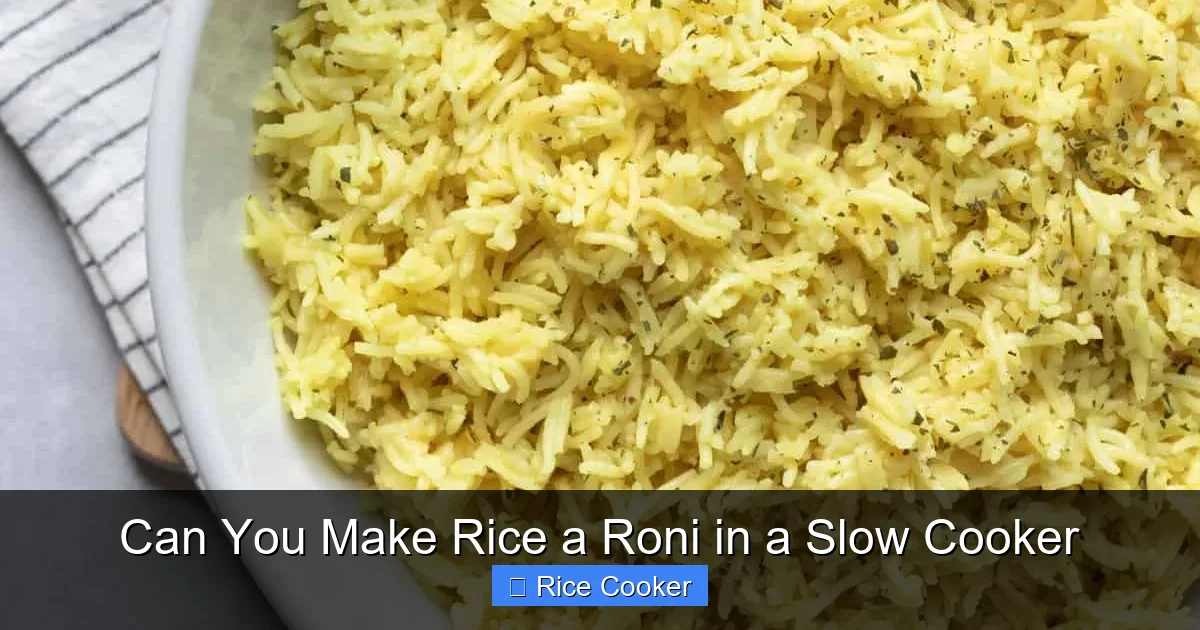
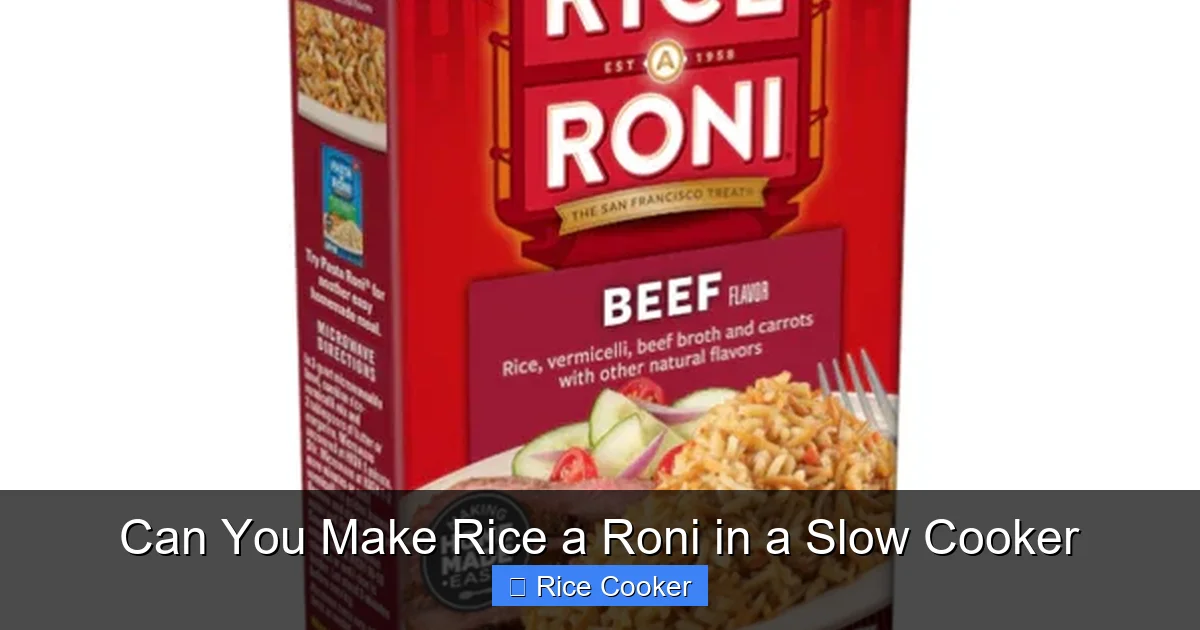
Rice-A-Roni is a blend of parboiled rice and elbow macaroni, typically sold as a dry mix with added herbs and spices. When combined with water or broth and cooked, it forms a creamy, cheesy-tasting dish that’s often served as a side or used as a base for casseroles. Originally developed as a time-saving alternative to cooking rice and pasta separately, it became a household favorite for its ease and affordability.
Visual guide about Can You Make Rice a Roni in a Slow Cooker
Image source: ricecookerjunkie.com
Why Choose Homemade Over Store-Bought?
While convenient, commercial mixes sometimes contain additives, high sodium levels, and limited nutritional value. Making Rice-A-Roni from scratch in your slow cooker allows you to:
- Control salt and fat content
- Add fresh or frozen veggies for extra nutrients
- Use whole-grain rice or gluten-free pasta for dietary preferences
- Infuse richer flavors with homemade broths or sauces
How to Make Rice-A-Roni in a Slow Cooker
You don’t need special equipment or culinary expertise to make this dish in your slow cooker. In fact, the appliance’s low-and-slow cooking style is perfect for tenderizing both grains and pasta without turning them mushy. Here’s a step-by-step guide to get started.
Visual guide about Can You Make Rice a Roni in a Slow Cooker
Image source: ricecookerjunkie.com
Gathering Your Ingredients
To begin, gather the following:
- 1 cup uncooked instant rice (white or brown)
- 1 cup elbow macaroni (regular or gluten-free)
- 2 cups chicken or vegetable broth
- 1/2 teaspoon garlic powder
- 1/2 teaspoon onion powder
- 1/4 teaspoon paprika (optional, for depth)
- Salt and pepper to taste
- Optional: 1 cup shredded cheddar cheese, diced ham, or steamed broccoli
Note: Instant rice cooks faster than regular long-grain rice and blends well with pasta in a slow cooker. Brown rice may require longer cooking but adds fiber.
Preparing the Slow Cooker
Start by greasing your slow cooker insert to prevent sticking. If you don’t have non-stick spray, a light layer of olive oil works too. Then, combine all dry ingredients—rice, pasta, and seasonings—in the insert and stir to distribute evenly.
Cooking Process
For most slow cookers, follow these settings:
- Low setting: Cook for 2 to 2.5 hours
- High setting: Cook for 1 to 1.5 hours
After the designated time, check the consistency. The rice should be tender and the pasta al dente. If it’s still firm, cover and cook for another 15–30 minutes. Stir halfway through to ensure even cooking.
Finishing Touches
Once done, fluff the mixture with a fork. Add cheese, cooked chicken, or steamed vegetables if desired. Let it sit covered for 5 minutes so the cheese melts slightly and flavors mingle.
Tips for Perfect Slow-Cooked Rice-A-Roni
Even though slow cookers are forgiving, a few small tweaks can elevate your dish from good to great.
Choose the Right Pasta
Elbow macaroni is traditional, but you can experiment with other shapes like rotini, ditalini, or small shells. Avoid very thin pastas (like penne) as they can absorb too much liquid and become gummy.
Adjust Liquid Ratios
Different brands of rice absorb moisture differently. If your mix turns out too wet, add a spoonful of flour or cornstarch slurry (1 tbsp each mixed with cold water) and stir before reheating. Too dry? Drizzle in a bit of warm broth or milk.
Layer for Even Cooking
Place pasta on top of rice so it doesn’t get crushed. This helps both components cook more uniformly.
Don’t Overfill
Never fill your slow cooker beyond two-thirds full. This ensures proper heat circulation and prevents overflow during cooking.
Customizing Your Rice-A-Roni
The beauty of making this dish yourself is the ability to tailor it to your tastes and dietary needs.
Vegetable Boost
Add finely chopped onions, bell peppers, spinach, or peas during the last 30 minutes of cooking. They’ll stay vibrant and retain their crunch.
Protein Options
Stir in cooked ground turkey, shredded chicken, or crispy bacon bits after the main ingredients are done. These add richness and make the dish more filling.
Cheese Variations
Instead of cheddar, try Monterey Jack, pepper Jack, or even a sprinkle of Parmesan for a sharper finish. For dairy-free, use nutritional yeast or vegan cheese shreds.
Flavor Enhancers
Mix in pesto, sun-dried tomato paste, or a splash of soy sauce for umami depth. A pinch of Italian seasoning or red pepper flakes can brighten the flavor profile.
Healthier Alternatives
Want a lighter version? Swap regular pasta for whole-wheat or legume-based varieties. Use low-sodium broth, reduce added salt, and incorporate more vegetables. You can also serve it with a side salad to balance the meal.
Gluten-Free Option
Simply choose certified gluten-free pasta and ensure your broth is also labeled gluten-free. Many stores carry rice-and-pasta blends specifically designed for gluten-sensitive diets.
Troubleshooting Common Issues
Even with the best intentions, things don’t always go perfectly. Here’s how to fix common problems.
Rice Sticks Together
This usually happens when there isn’t enough liquid or stirring occurs too late. To prevent it, stir every 30 minutes during cooking. Alternatively, rinse the rice briefly before adding it to the slow cooker to remove surface starch.
Pasta Turns Mushy
Overcooking is the culprit. Since pasta continues to cook after you turn off the slow cooker, avoid opening the lid unnecessarily. Also, consider cooking the pasta separately and adding it near the end if you notice it softening too fast.
Dish Is Too Dry
Add 1/4 to 1/2 cup of additional broth or water gradually while stirring. Cover and let it steam for 10–15 minutes to reabsorb moisture.
Too Salty or Bland
If too salty, balance with a dollop of yogurt, sour cream, or mashed avocado. If bland, sprinkle in more garlic powder, onion powder, or a pinch of sugar to round out flavors.
Storage and Reheating
Proper storage keeps your Rice-A-Roni fresh and safe to eat later.
Refrigeration
Store leftovers in an airtight container in the refrigerator for up to 4 days. Cool quickly by placing the container in ice water if needed.
Freezing
This dish freezes well for up to 2 months. Portion into freezer-safe bags or containers, label with the date, and thaw overnight in the fridge before reheating.
Reheating Tips
Microwave individual portions with a splash of milk or broth to restore creaminess. Alternatively, warm in a saucepan over medium-low heat, stirring frequently. Never microwave uncovered, as it can lead to uneven heating and splatters.
Slow Cooker vs. Traditional Methods
So why choose a slow cooker over stovetop or rice cooker methods?
- Convenience: Set it and forget it—perfect for busy days.
- Energy Efficiency: Uses less electricity than ovens or multiple burners.
- Flavor Development: Long, slow cooking enhances savory notes in broth and spices.
- Consistency: Less risk of burning compared to direct flame.
That said, stovetop versions offer quicker results and greater temperature control, while rice cookers excel at perfectly cooked grains—but neither offers the same lazy-days appeal as a slow cooker.
Frequently Asked Questions About Making Rice-A-Roni in a Slow Cooker
Do I need to pre-cook the rice and pasta?
No, both will cook fully in the slow cooker given enough time and moisture. However, rinsing the rice beforehand can help reduce stickiness.
Can I use long-grain white rice instead of instant?
Yes, but it will take longer to cook—usually 3 to 4 hours on low. Consider soaking it briefly before adding to speed up the process.
Is it safe to leave Rice-A-Roni in the slow cooker overnight?
Generally yes, as long as it stays above 140°F (60°C). However, USDA recommends not keeping perishable foods in the danger zone (40°F–140°F) for more than 2 hours.
Can kids eat this?
Absolutely. Just adjust seasonings to be milder and increase portion size with added protein or veggies to make it more balanced.
What if I don’t have broth?
Water works in a pinch, but broth adds flavor. You can also use milk or half-and-half for extra creaminess (note: this changes the texture significantly).
Can I make a large batch for meal prep?
Definitely. This dish reheats beautifully and makes excellent lunches or dinners throughout the week.
Final Thoughts: Why Slow Cooking Wins
Making Rice-A-Roni in a slow cooker isn’t just doable—it’s practical, delicious, and surprisingly versatile. Whether you’re cooking for one or preparing a family feast, this method delivers consistent results with minimal effort. Plus, by taking control of your ingredients, you transform a processed shortcut into a wholesome, customizable meal that fits your lifestyle.
Next time you’re craving that nostalgic cheesy goodness, skip the store-bought mix and head straight to your kitchen counter. Grab your slow cooker, toss in some rice, pasta, and your favorite flavors, and let the magic happen. You’ll wonder why you didn’t try this sooner.
Happy cooking!
Frequently Asked Questions
Do I need to pre-cook the rice and pasta?
No, both will cook fully in the slow cooker given enough time and moisture. However, rinsing the rice beforehand can help reduce stickiness.
Can I use long-grain white rice instead of instant?
Yes, but it will take longer to cook—usually 3 to 4 hours on low. Consider soaking it briefly before adding to speed up the process.
Is it safe to leave Rice-A-Roni in the slow cooker overnight?
Generally yes, as long as it stays above 140°F (60°C). However, USDA recommends not keeping perishable foods in the danger zone (40°F–140°F) for more than 2 hours.
Can kids eat this?
Absolutely. Just adjust seasonings to be milder and increase portion size with added protein or veggies to make it more balanced.
What if I don’t have broth?
Water works in a pinch, but broth adds flavor. You can also use milk or half-and-half for extra creaminess (note: this changes the texture significantly).
Can I make a large batch for meal prep?
Definitely. This dish reheats beautifully and makes excellent lunches or dinners throughout the week.