

You absolutely can open a rice cooker while it’s cooking, but doing so isn’t always ideal. Opening it too early or too often can disrupt heat distribution, affect timing, or create steam leaks. While modern models have safety features that make occasional peeking easier, understanding when and why it matters will help you achieve better-tasting rice every time.
Key Takeaways
- Understanding can you open a rice cooker while it’s cooking: Provides essential knowledge
📑 Table of Contents
- Can You Open a Rice Cooker While It’s Cooking?
- How Rice Cookers Work: Understanding the Science
- When Is It Safe to Open Your Rice Cooker?
- What Happens When You Open It Too Often?
- Tips for Safely Checking on Your Rice
- Common Mistakes People Make
- Advanced Techniques for Experienced Cooks
- Conclusion: Trust the Process
Can You Open a Rice Cooker While It’s Cooking?
If you’ve ever been standing in the kitchen, rice simmering away in your trusty rice cooker, wondering whether now is the time to check if it’s done, you’re not alone. The question “can you open a rice cooker while it’s cooking?” comes up more often than you’d think—especially among home cooks trying to multitask or anxious about whether their grains are ready. The short answer? Yes, you can open it, but there are important caveats.
Opening a rice cooker while it’s running doesn’t automatically ruin your meal—but it can definitely affect the outcome. Whether you’re using a basic white-rice model or a high-end digital unit with fuzzy logic technology, knowing when and how to open the lid makes all the difference between fluffy, perfectly cooked rice and mushy, uneven results. In this comprehensive guide, we’ll explore the science behind rice cooking, the design of modern rice cookers, and practical tips for safely and effectively checking on your rice without compromising quality.
Rice cookers work by heating water and rice in a sealed environment, using steam and controlled heat to transform raw ingredients into a delicious, ready-to-eat dish. The entire process relies on consistent temperature and pressure. When you open the lid, you’re essentially breaking that seal—introducing cold air, releasing steam, and potentially disrupting the delicate cooking rhythm. But don’t worry: with a little knowledge, you can peek without panic.
How Rice Cookers Work: Understanding the Science
Before diving into whether you should open your rice cooker, it helps to understand what’s happening inside. Most rice cookers operate on one of two main principles: conduction (heating from below) or induction, though convection and microwave-based models also exist. Regardless of the method, the goal is to bring water to a boil, absorb the moisture, and then maintain a gentle simmer or steaming phase until the rice is tender.
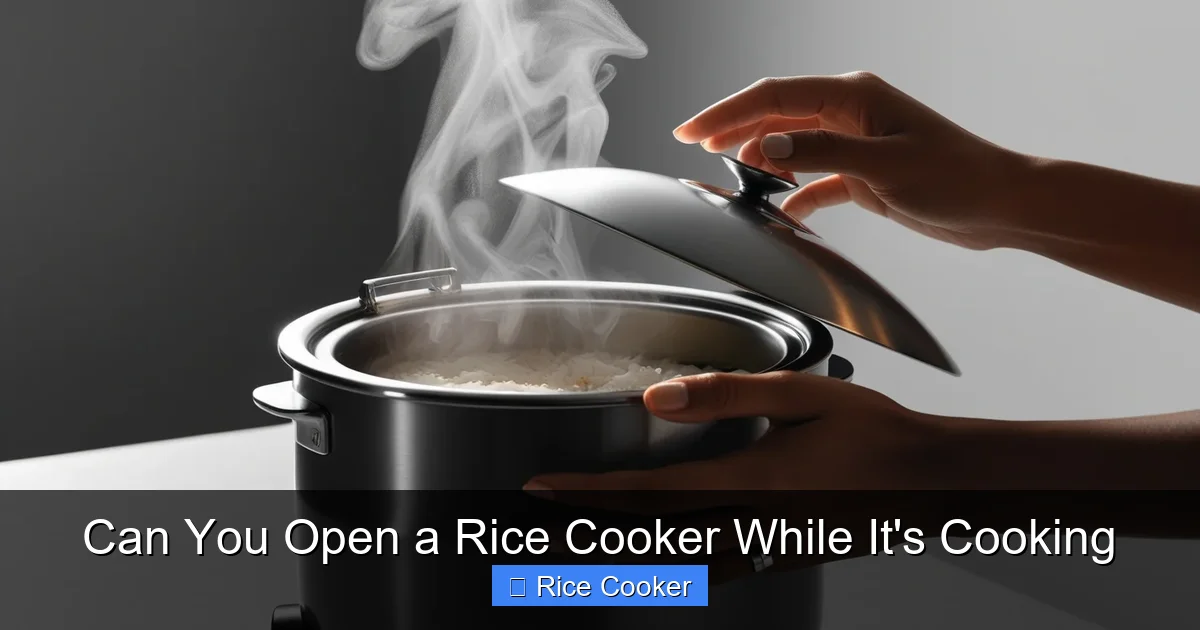
Visual guide about Can You Open a Rice Cooker While It’s Cooking
Image source: toolsofkitchen.com
The Role of Steam and Temperature Control
Steam plays a critical role in rice cooking. As water heats up, it turns into steam, creating pressure within the pot. This steam transfers heat evenly through the grains, helping them cook uniformly. The rice cooker’s thermostat detects when the water has evaporated and switches to “keep-warm” mode, maintaining a lower temperature to prevent overcooking.
This transition from boiling to steaming happens around 100°C (212°F), depending on altitude and atmospheric pressure. At this point, the rice cooker knows it’s done—or close to being done. However, many models continue to cycle through brief heating phases even after switching to keep-warm, which is why the rice stays warm and moist without drying out.
Internal Locking Mechanisms
Modern rice cookers come equipped with safety features, including internal locking mechanisms. These prevent the lid from opening during high-pressure or high-temperature phases—typically during the initial boiling stage. Once the cooking cycle completes and pressure drops, the lock disengages, allowing you to open the lid safely.
That said, some older or budget-friendly models may lack these locks or release them too early. Always consult your user manual—but generally, if your rice cooker is still actively heating or cycling through phases, the lid may be locked for safety. If you try to open it and feel resistance, wait a few minutes before attempting again.
When Is It Safe to Open Your Rice Cooker?
Now that we know how rice cookers function, let’s talk about when it’s actually safe—and smart—to open the lid while cooking. The answer depends on the cooking phase, the type of rice you’re making, and your rice cooker’s design.
During the Boiling Phase
Opening the lid during the boiling phase is possible in most models, but it’s not recommended. Why? Because boiling rice requires consistent heat and steam. Every time you lift the lid, you lose heat and release steam, which can slow down the cooking process. For white rice, this might mean it takes longer to absorb all the water. For brown rice, which cooks slower and needs more moisture, this can result in gummy or undercooked grains.
That said, if you’re making a recipe that calls for occasional stirring—like fried rice or risotto—you may need to open the lid to add ingredients or check consistency. In such cases, do so quickly and only once or twice. Prolonged exposure to open air increases the risk of contamination and uneven texture.
Just Before Keep-Warm Mode Activates
This is arguably the best time to open your rice cooker. As the cooking cycle nears completion, the rice cooker begins reducing heat and transitioning into keep-warm mode. At this stage, the internal temperature is stable, and the lid can usually be opened without major disruption.
Peeking at this point allows you to check if the rice looks done—whether it’s fluffy, separated, or slightly translucent at the core. If it looks undercooked, some models allow you to press “Cook” again to extend the cycle. Just remember: frequent interruptions can throw off the timing.
After Keep-Warm Has Started
Once keep-warm mode activates, opening the lid is generally safe and even beneficial. This phase lasts anywhere from 1 to 12 hours, depending on the model, and is designed to maintain food at an edible temperature without further cooking. Opening the lid occasionally won’t harm the rice, though it may cool it slightly. Use this time to fluff the rice with a fork and serve.
What Happens When You Open It Too Often?
While it’s technically possible to open your rice cooker multiple times during cooking, doing so too frequently leads to noticeable problems. Let’s break down what happens each time you lift the lid.
Loss of Heat and Steam
Every time you open the lid, cold air rushes in, and hot steam escapes. This sudden change lowers the internal temperature, slowing down the cooking process. For every minute the lid is open, the rice may take several minutes to return to full heat. Over multiple openings, this cumulative effect can leave your rice undercooked or unevenly textured.
Uneven Cooking
When steam escapes, it disrupts the even distribution of heat. Some parts of the rice may dry out while others remain soggy. This is especially true for recipes like jasmine rice or basmati, which require precise moisture control. Uneven cooking also means inconsistent mouthfeel—some bites will be perfect, others disappointing.
Extended Cooking Time
If you’re constantly checking on your rice, the total cooking time increases. This extra time can cause overcooking, especially for delicate grains like sushi rice. Overcooked rice becomes sticky, clumpy, and loses its nutritional value due to prolonged exposure to high heat.
Potential Food Safety Concerns
While rice cookers are generally safe, opening them repeatedly introduces bacteria and contaminants from the outside environment. This is particularly risky for cooked rice, which can harbor spores from Bacillus cereus if left at room temperature. Although raw rice is sterile, once cooked, it’s vulnerable. So, limit openings to reduce contamination risks.
Tips for Safely Checking on Your Rice
If you’re determined to monitor your rice while it cooks, here are some practical tips to minimize damage and maximize safety.
Use the Right Tools
Never use your bare hands to open a hot rice cooker. Always use a long-handled spoon, spatula, or oven mitts to protect yourself from steam burns. Steam at 100°C can cause serious skin damage in seconds—so treat your rice cooker like a pressure cooker.
Open Quickly and Briefly
If you must open the lid, do it fast. Hold the lid at an angle to let steam escape gradually, rather than lifting straight up. A quick glance is enough—no need to stare for more than three seconds. The less time the lid is open, the better.
Check Only When Necessary
Ask yourself: Do I really need to see this right now? Most rice cookers are designed to do the work for you. If you’re following a standard recipe, trust the timer. Checking once near the end is usually sufficient. Save frequent peeking for experimental recipes or unusual grain types.
Know Your Model
Some rice cookers, especially Japanese-style units with fuzzy logic, can adjust cooking time based on feedback from sensors. These models may even pause and resume cycles if they detect inconsistencies. Others, like simple electric pots, follow fixed timers. Knowing your model helps you decide how much intervention is needed.
Fluff Before Serving
Even if you never opened the lid, always fluff your rice with a fork before serving. This redistributes moisture, separates grains, and improves texture. It’s a small step that makes a big difference in taste and appearance.
Common Mistakes People Make
Despite knowing the basics, many home cooks still make avoidable mistakes when handling their rice cookers. Here are some of the most common errors—and how to fix them.
Opening Immediately After Turning On
Some people open the rice cooker as soon as they add rice and water, just to make sure everything is in place. While harmless, this delays the start of cooking and wastes energy. Wait until the unit powers on and begins heating—usually indicated by a light or sound.
Forcing the Lid Open
If the lid feels stuck, don’t force it. This could damage the locking mechanism or warp the pot. Instead, unplug the unit, wait 5–10 minutes for cooling, then try again. Never use tools to pry the lid open.
Adding Ingredients Mid-Cook
Unless your recipe specifically calls for it, avoid adding salt, oil, or other seasonings after the rice starts cooking. Early addition ensures even distribution. Also, avoid stirring during the boiling phase—it breaks up the grains and leads to mushy rice.
Ignoring the Water Ratio
This isn’t about opening the lid, but it’s a related mistake. Using too much or too little water changes how the rice cooks and affects the final texture. Stick to recommended ratios, and adjust based on altitude and grain type.
Advanced Techniques for Experienced Cooks
For those who want to take their rice game to the next level, here are some advanced strategies that involve controlled lid openings and precise monitoring.
Using a Thermometer
Invest in a candy or cooking thermometer and insert it into the center of the rice pot. This lets you monitor internal temperature without opening the lid. Ideal temperatures vary by rice type—for example, sushi rice should stay around 60–70°C during cooking.
Experimenting with Timing
Try opening the lid at different stages to observe how it affects texture. Keep a journal of when you open it and what happens. Over time, you’ll develop an intuition for your specific rice cooker and grain.
Custom Cooking Programs
High-end rice cookers offer programs for brown rice, sushi, porridge, and even desserts. These often include built-in pauses or alerts. Learn how to use these features to minimize manual checks.
Conclusion: Trust the Process
So, can you open a rice cooker while it’s cooking? Absolutely—but with wisdom. Modern appliances give us flexibility, yet the core principle remains: consistency is key. Opening the lid disrupts that consistency, and repeated interruptions can compromise your results. That said, occasional checks near the end of cooking are not only safe—they’re helpful.
Rather than stressing about every second of cooking time, focus on preparation, water ratios, and proper storage. Let your rice cooker do what it’s designed to do: cook rice efficiently and reliably. With a little patience and respect for the process, you’ll enjoy better rice, every time.
Remember: the goal isn’t perfection in timing—it’s delicious, fluffy, nutritious rice. And sometimes, a quick peek is worth it for peace of mind. Just open gently, briefly, and wisely.
Frequently Asked Questions
Can opening the rice cooker while cooking ruin my rice?
Frequent or prolonged opening can disrupt heat and steam, leading to undercooked or uneven rice. However, a quick peek near the end of cooking usually causes no harm.
Is it dangerous to open a rice cooker during boiling?
It’s not dangerous, but it’s inefficient. Opening during boiling releases steam and slows cooking, which may result in longer cooking times or imperfect texture.
Why does my rice cooker lock the lid?
Locks prevent accidental opening during high heat or pressure for safety. They disengage once the cooking cycle completes and internal pressure drops.
Should I stir rice while it’s cooking in the cooker?
No. Stirring breaks up grains and leads to mushy rice. The rice cooker is designed to cook without stirring—trust the process.
Can I add salt or oil after starting to cook?
It’s better to add these ingredients before cooking for even distribution. Adding later may result in uneven flavor.
How often should I open my rice cooker?
Only when necessary, ideally once near the end of cooking. Avoid frequent checks to preserve heat and steam.