
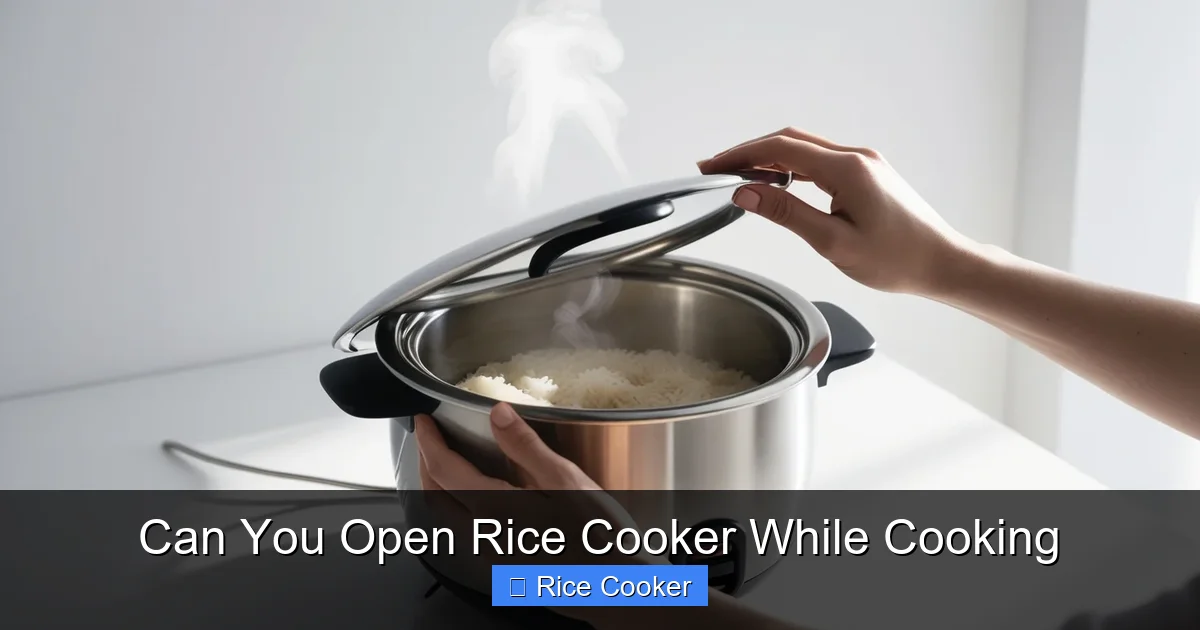
Can you open rice cooker while cooking? The short answer is no, not during the active cooking phase. Opening the lid disrupts steam buildup, which can lead to uneven cooking or undercooked rice. However, there are safe moments when it’s okay—like checking progress after the timer starts. Always follow your rice cooker’s instructions and use caution to ensure both safety and great results.
Key Takeaways
- Safety First: Opening a rice cooker during active cooking releases steam and heat, which can cause burns or create pressure imbalance inside the unit.
- Cooking Process Matters: Most modern rice cookers go through stages—soaking, heating, and steaming—and opening them mid-process affects each stage differently.
- Modern Models Vary: Some smart rice cookers have sealed lids or delay-start timers that allow limited access without risking the cooking cycle.
- Best Time to Check: It’s safest to open the rice cooker only after the “warm” setting has activated, meaning the cooking is complete.
- Use the Right Tools: Always use oven mitts or a towel when handling hot lids, even if you’re just peeking inside.
- Don’t Rush It: Patience ensures perfect texture and prevents dry or mushy rice due to interrupted steam circulation.
- Clean After Use: Regular maintenance keeps your rice cooker functioning safely and efficiently, especially around the seal and vent areas.
📑 Table of Contents
- Can You Open Rice Cooker While Cooking? What You Need to Know
- How Rice Cookers Work: Understanding the Cooking Cycle
- Is It Safe to Open a Rice Cooker Mid-Cooking?
- When Is It Okay to Open Your Rice Cooker?
- Tips for Safe and Effective Rice Cooker Use
- Common Myths About Rice Cooker Lid Opening
- Choosing the Right Rice Cooker for Your Needs
- What to Do If Your Rice Turns Out Wrong
- The Future of Rice Cooking: Automation and Innovation
- Final Thoughts: Trust the Machine, But Stay Alert
Can You Open Rice Cooker While Cooking? What You Need to Know
If you’ve ever stood over a rice cooker, tempted to peek at how your meal is coming along, you’re not alone. That little window into the pot feels like a peek into your future dinner—but should you actually open it?
The question “can you open rice cooker while cooking” comes up often among home cooks, from beginners trying their first batch of jasmine rice to seasoned chefs preparing sushi-grade grains. The simple truth is: it depends. But before we dive into the details, let’s set the stage with how a rice cooker actually works.
Rice cookers are marvels of kitchen engineering. Inside that sleek plastic or stainless-steel body lies a combination of sensors, heating elements, and timers designed to mimic the ancient art of steaming rice over boiling water. Modern models do much more—they can brown, simmer, keep warm, and even cook porridge or steamed vegetables. But at its core, rice cooking relies on consistent heat and steam to transform raw grains into fluffy, flavorful perfection.
How Rice Cookers Work: Understanding the Cooking Cycle
The Science Behind Perfectly Cooked Rice
Rice is made up of starch, water, and proteins. When heated properly, the outer layers absorb moisture, swell, and gelatinize, creating that tender yet firm bite we love. This process needs steady, indirect heat—usually from below the pot—while steam builds above to finish cooking the grains evenly.
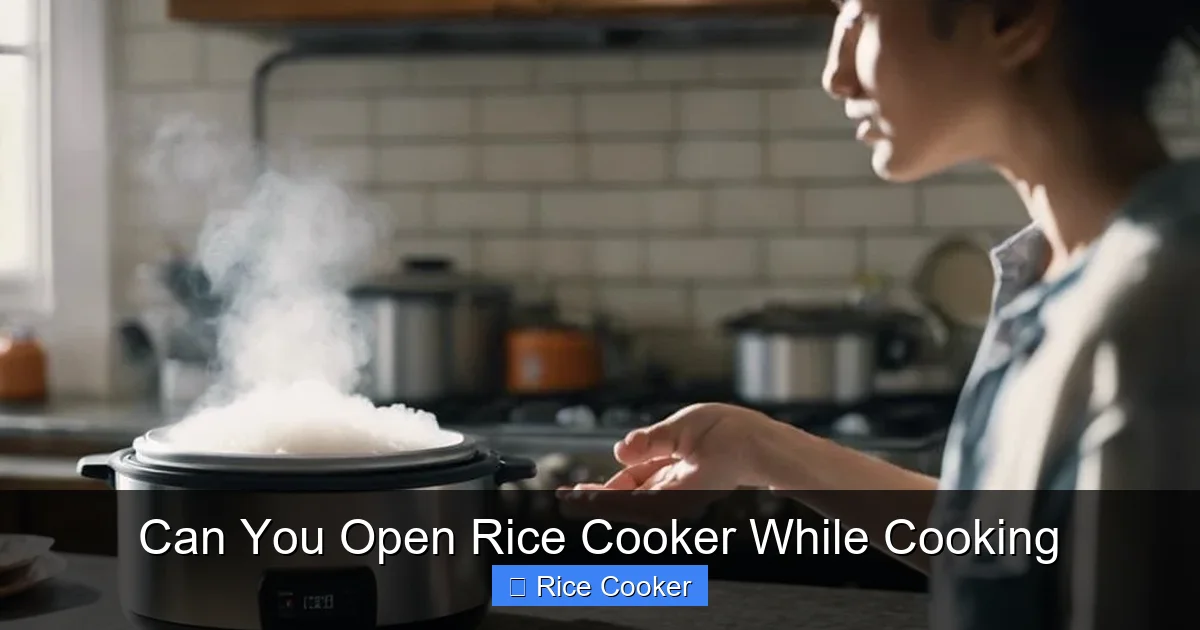
Visual guide about Can You Open Rice Cooker While Cooking
Image source: ricearray.org
In most rice cookers, this happens in phases. First, the unit heats up rapidly to bring water to a boil. Then, it switches to a lower temperature to maintain gentle steaming. Once the water evaporates and the internal sensor detects dry grains (or a specific internal temperature), the cooker automatically shifts to “keep warm” mode.
Stages of the Cooking Process
- Pre-soak (if applicable): For long-grain rice, some models gently heat water first to encourage even absorption.
- Boiling phase: Water reaches 100°C (212°F) and begins evaporating.
- Steaming phase: Heat drops slightly; steam circulates inside the pot.
- Keep warm: Temperature stabilizes around 60–70°C (140–158°F).
This sequence is carefully calibrated. Disrupting any part—especially by opening the lid—can throw off the entire balance.
Is It Safe to Open a Rice Cooker Mid-Cooking?
Here’s where things get tricky. Technically, yes—you can open a rice cooker while it’s cooking. But doing so comes with risks.
When you lift the lid, you release built-up steam instantly. Steam carries heat energy, and removing it reduces the overall thermal efficiency of the system. More importantly, sudden airflow cools the interior, which can halt the cooking process prematurely.
For example, if you open a rice cooker during the steaming phase, the sudden drop in temperature might prevent the grains from fully gelatinizing. You could end up with mushy rice near the bottom and dry, undercooked kernels on top.
Potential Risks of Opening During Active Cooking
- Burns: Superheated steam escapes violently when the lid is opened—this is a major burn hazard.
- Inconsistent Texture: Grains may cook unevenly, leading to a disappointing meal.
- Pressure Imbalance: Some high-end models use pressure settings (like in a pressure cooker). Opening them mid-cycle can be dangerous.
- Wear on Seals: Frequent lid opening strains the gasket and latch, shortening the appliance’s lifespan.
So while it’s physically possible to open the rice cooker while cooking, it’s rarely advisable—unless you’re checking on something specific, like adding broth or adjusting seasoning.
When Is It Okay to Open Your Rice Cooker?
Despite the warnings, there are a few exceptions where opening the rice cooker is acceptable—even helpful.
After the Timer Starts (But Before Keep Warm)
If your rice cooker has a digital display showing “Cook” or “Steaming,” wait until the cycle completes before peeking. Many people mistakenly think they need to monitor progress, but trust the machine. If it says it’s done, it usually is.
During the Keep Warm Phase
This is the safest time to open the rice cooker. Once it switches to “warm,” the heat is low enough that steam release won’t ruin the rice. You might even want to stir gently to redistribute moisture—just don’t open it too frequently, as each opening introduces cold air.
Adding Ingredients Midway (With Caution)
If your recipe calls for adding butter, garlic, or herbs halfway through, most rice cookers allow this—provided you turn the unit off first, add your ingredients, then restart. Never add anything hot or liquid directly into an actively heating pot.
Using Delay Start or Smart Features
Modern smart rice cookers often include features like “peek mode” or delayed start timers. These let you check ingredients without interrupting the cycle. Always consult your user manual—these functions vary widely between brands.
Tips for Safe and Effective Rice Cooker Use
Even if you decide not to open your rice cooker during cooking, proper usage makes all the difference in achieving restaurant-quality results at home.
Choose the Right Amount of Water
Rice-to-water ratios are critical. A general rule is 1 cup rice to 1.2–1.5 cups water, depending on grain type. Short-grain rice likes less water; brown rice needs more due to its bran layer. Using a measuring cup and sticking to guidelines ensures consistency.
Let Rice Rest After Cooking
Once the “warm” light turns on, let the rice sit for 5–10 minutes. This allows residual steam to distribute evenly, fluffing the grains naturally. Fluffing with a fork afterward gives it that airy texture.
Avoid Opening Too Often
Each time you open the lid, you lose heat and introduce air. For best results, minimize interruptions once cooking begins.
Clean the Lid Seal Regularly
Dirt, oil, or food particles on the lid’s rubber gasket can prevent a tight seal, affecting temperature control and safety. Wipe it down weekly with warm, soapy water.
Use Oven Mitts or Towels
Whether opening during warm mode or lifting the pot later, always protect your hands. The lid gets extremely hot—even after switching to “warm.”
Common Myths About Rice Cooker Lid Opening
There’s no shortage of advice floating online about rice cookers. Let’s clear up some myths.
Myth: Peeking Speeds Up Cooking
Nope. Opening the lid doesn’t speed things up—it slows them down by releasing steam. Think of it like opening a sauna door: you lose all the heat and humidity.
Myth: All Rice Cookers Are the Same
Not true! Basic models rely on simple thermostats, while advanced ones use fuzzy logic, pressure sensors, or induction heating. Their behavior when opened varies significantly.
Myth: You Can Add Liquid Anytime
Only during the soaking or pre-heat phase—or after turning off the unit. Adding cold liquid during active heating causes splatter and uneven cooking.
Myth: Rice Cookers Don’t Need Supervision
While they automate the process, it’s still wise to stay nearby, especially with new recipes or unfamiliar grains. Safety checks never hurt.
Choosing the Right Rice Cooker for Your Needs
If you find yourself constantly wanting to check on your rice, consider upgrading to a model with better visibility or smart features.
Transparent Lids
Some brands offer clear polycarbonate lids that let you see inside without opening. These are rare but worth looking for if you’re a frequent peaker.
Smart Connectivity
Wi-Fi-enabled rice cookers allow remote monitoring via smartphone apps. You can check status updates without touching the device—ideal for multitasking cooks.
Multiple Settings
Models with settings like “quick cook,” “porridge,” or “sushi rice” give you more control over timing and texture, reducing the need to intervene manually.
Non-Stick vs. Stainless Steel Pans
Non-stick pans are easier to clean and prevent sticking, but stainless steel distributes heat more evenly. Choose based on your cooking style.
What to Do If Your Rice Turns Out Wrong
Even with careful attention, things go wrong sometimes. Here’s what to do if your rice isn’t perfect.
Undercooked Rice
If grains are hard and chalky, return the pot to the cooker and add a splash of hot water. Close the lid and continue cooking for 5–10 minutes. Avoid stirring—this releases starch and makes rice gummy.
Mushy or Sticky Rice
This usually results from too much water or interrupted steam. Drain excess liquid gently using a colander, then fluff with a fork. Serve immediately.
Burnt Bottom Layer
Scrape away the burnt part and transfer the rest to a serving bowl. The top layer may still be edible—just avoid the scorched section.
Too Much Steam Buildup
If condensation drips back into the rice, it can make grains soggy. Ensure the lid fits snugly and isn’t warped from heat exposure.
The Future of Rice Cooking: Automation and Innovation
Rice cookers aren’t standing still. As kitchen tech evolves, so does our ability to cook rice with precision—without constant supervision.
Newer models incorporate AI-driven algorithms that adjust cooking times based on real-time grain expansion. Others use ultrasonic sensors to monitor moisture levels, eliminating guesswork with water ratios.
Imagine a rice cooker that learns your preferences—fluffier jasmine rice one day, softer brown rice the next—all while you focus on other parts of dinner prep. Soon, the days of wondering “can you open rice cooker while cooking” may become irrelevant, thanks to smarter designs that eliminate human error.
Final Thoughts: Trust the Machine, But Stay Alert
The bottom line is this: while you technically *can* open a rice cooker while cooking, it’s usually best to resist the urge unless absolutely necessary. Steam, heat, and timing are delicate allies—disrupting them risks ruining your meal and compromising safety.
That said, modern rice cookers are built to do most of the work for you. Once you understand how they operate, you’ll find that patience pays off. Let the machine cook, then enjoy the results.
And remember: even the best appliances benefit from care. Clean your rice cooker regularly, follow the manual, and treat it like the valuable tool it is.
Now go ahead—make that perfect pot of rice. Just save the peeking for after the cycle ends.
Frequently Asked Questions
Can I open my rice cooker while it’s cooking?
It’s generally not recommended to open a rice cooker during the active cooking phase. Doing so releases steam and disrupts the temperature needed for even cooking, which can result in undercooked or unevenly textured rice. Wait until the “keep warm” phase before opening.
Is it safe to peek inside my rice cooker?
Peeking briefly is usually safe only after cooking is complete and the unit has switched to “keep warm.” Opening the lid during active heating can cause burns from escaping steam and affect the final outcome of your rice.
Why shouldn’t I open my rice cooker during cooking?
Opening the lid interrupts the buildup of steam and lowers the internal temperature, which can stop the gelatinization of starch in rice. This leads to inconsistent textures—some grains soft, others hard or dry.
What happens if I open the rice cooker too many times?
Frequent lid openings introduce cold air and release steam repeatedly, extending cooking time and potentially causing mushiness or stickiness. Each interruption resets the thermal equilibrium inside the pot.
Can I add ingredients during the cooking process?
Yes, but only if you turn off the rice cooker first, add your ingredients, then restart the cycle. Never add liquids or hot items directly into an actively heating pot to avoid splatter or damage.
Do all rice cookers behave the same when opened?
No. Basic models use simple thermostats, while advanced ones may have pressure controls or smart sensors. Behavior varies by brand and model—always consult your user manual for specific guidance.