
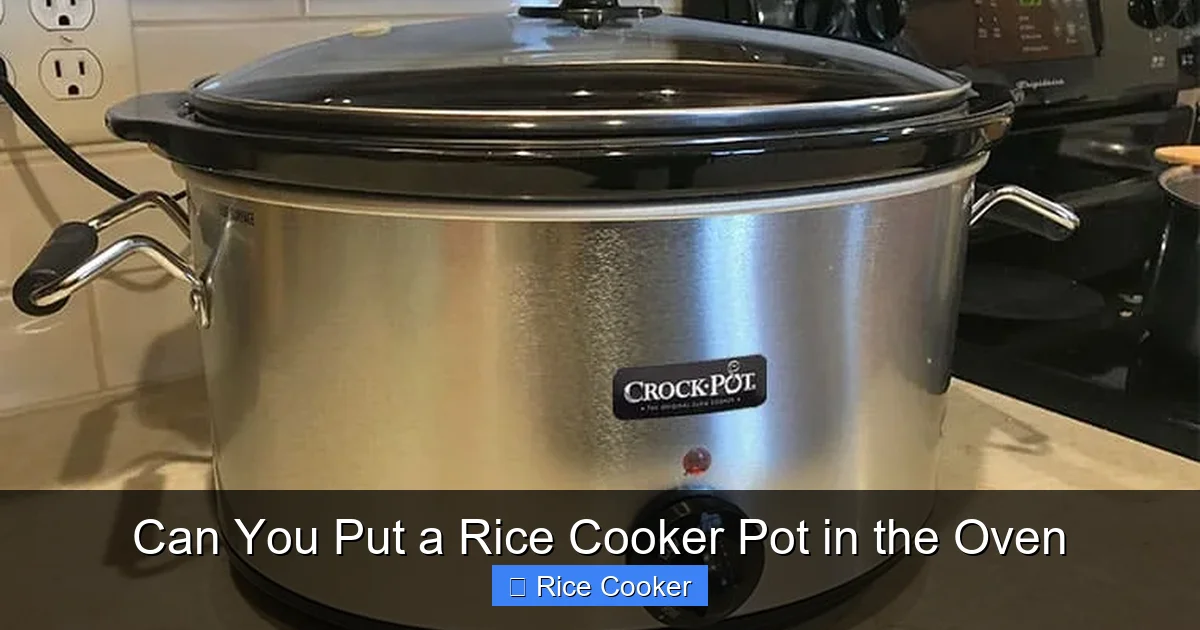
Putting a rice cooker pot in the oven is possible only under specific conditions. The key factor is the material of the pot—aluminum, stainless steel, or nonstick coatings determine whether it’s safe. Most rice cooker pots are not designed for high-heat environments like ovens, so misuse can lead to warping, coating damage, or even fire risks. Always check manufacturer guidelines and consider safer alternatives for baking or roasting.
Key Takeaways
- Rice cooker pots are not oven-safe by default – Most are made from materials like aluminum or nonstick-coated steel that aren’t designed to withstand high oven temperatures (above 350°F/175°C).
- Material matters most – Stainless steel rice cooker pots may be more oven-resistant than aluminum ones, but even then, prolonged exposure can cause warping or discoloration.
- Nonstick coatings degrade quickly in heat – Heating nonstick surfaces above 400°F (200°C) can release harmful fumes and ruin the coating, posing health risks.
- Check your manual first – Some premium models come with oven-safe lids or specially coated pots—always verify before heating.
- Use alternatives for baking – If you need to bake, transfer food to an oven-safe dish to avoid damaging your rice cooker pot.
- Monitor temperature closely – If you must use the pot briefly in a low-heat oven (under 300°F), keep it short and avoid direct flame contact.
- Prevent warping and leaks – Metal expansion at high temps can warp lids or seals, causing spills or unsafe cooking conditions.
📑 Table of Contents
- Can You Put a Rice Cooker Pot in the Oven?
- Understanding Rice Cooker Pots: Design and Materials
- Safety Risks of Using Rice Cooker Pots in the Oven
- When Is It Actually Safe to Use a Rice Cooker Pot in the Oven?
- Practical Tips for Safer Kitchen Multitasking
- How to Identify Oven-Safe Cookware
- Cleaning and Maintaining Your Rice Cooker Pot
- Creative Alternatives to Baking in a Rice Cooker Pot
- Conclusion: Play It Safe in the Kitchen
Can You Put a Rice Cooker Pot in the Oven?
Have you ever finished cooking a perfect pot of jasmine rice in your trusty rice cooker, only to realize you still have leftover ingredients from dinner last night? Maybe you want to reheat a casserole or bake a small dessert without grabbing another dish. It’s tempting to just pop the rice cooker pot into the oven—after all, it’s sturdy metal and looks like it could handle heat. But here’s the real question: can you actually do that without breaking it, ruining your food, or worse, creating a safety hazard?
Most people assume that if a pot can cook rice—something that involves boiling water and simmering—then it should survive the dry, consistent heat of an oven. But rice cookers and ovens operate very differently. A rice cooker uses controlled electric heating elements and cycles between on and off to maintain moisture-rich, moderate temperatures. An oven, especially when used for baking or broiling, delivers intense, sustained heat over long periods. This difference in heat application means that not every part of your kitchenware is built to last through both environments.
In this article, we’ll break down everything you need to know about using a rice cooker pot in the oven—from material safety to practical tips and safer alternatives. Whether you’re a home cook looking to save time or someone who simply loves multi-tasking in the kitchen, understanding the limits of your cookware will help you cook smarter, safer, and with less stress.
Understanding Rice Cooker Pots: Design and Materials
Before deciding whether to toss your rice cooker pot into the oven, it helps to understand what it’s made of. Rice cooker pots are typically constructed from three main materials: aluminum, stainless steel, or nonstick-coated variants. Each has its own strengths and weaknesses when exposed to heat—especially the kind of heat found in an oven.
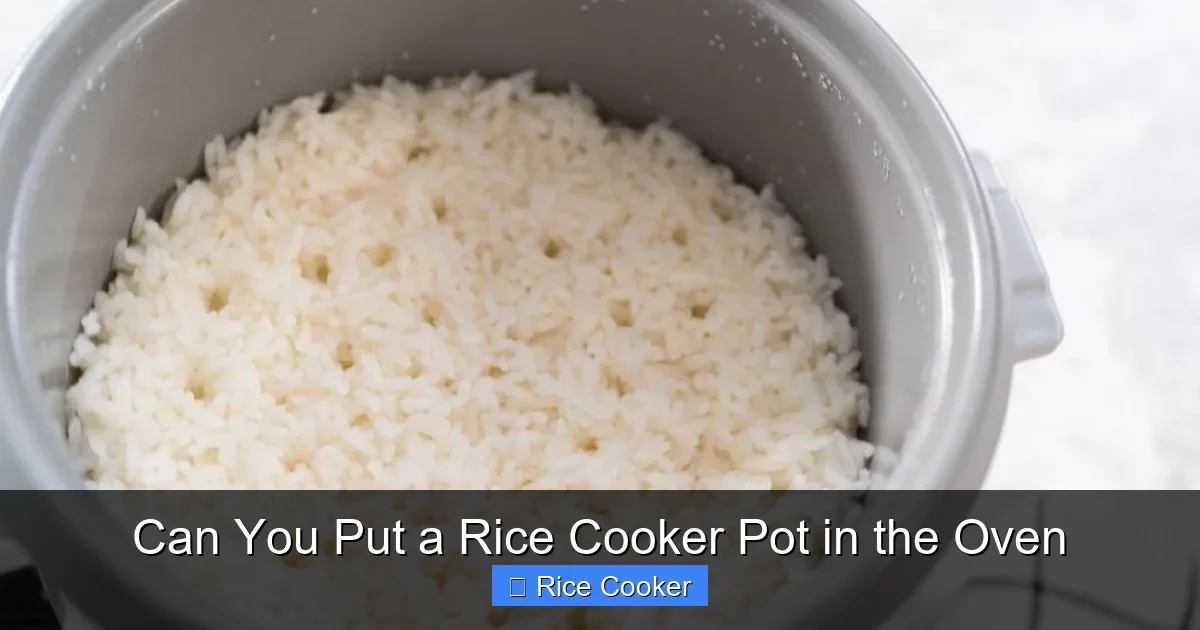
Visual guide about Can You Put a Rice Cooker Pot in the Oven
Image source: keeshaskitchen.com
Common Materials Used in Rice Cooker Pots
Aluminum is lightweight, heats up quickly, and distributes heat evenly—ideal for cooking rice. However, it’s soft and prone to scratching or denting. More importantly, aluminum isn’t naturally oven-safe at high temperatures. When heated beyond 350°F (175°C), it can warp, react with acidic foods, and lose structural integrity. While brief exposure to lower oven temperatures might not immediately destroy it, repeated use increases the risk of failure.
Stainless steel is stronger and more durable than aluminum. Many high-end rice cookers use stainless steel pots because they resist corrosion, don’t react with food, and are easier to clean. Some stainless steel models are labeled as oven-safe up to 400°F (204°C), especially if they include a thick base or special alloy composition. Still, unless explicitly stated, assume caution—even stainless steel can expand and warp under prolonged high heat.
Nonstick-coated pots are popular for their ease of cleaning and ability to prevent rice from sticking. These coatings, usually Teflon (PTFE) or ceramic-based, are highly sensitive to high heat. Exceeding 400°F (200°C) can cause the coating to melt, flake off, or release toxic fumes—a serious health concern. Never preheat a nonstick pot in the oven, and avoid using metal utensils even when it’s just on the stovetop.
Why Rice Cooker Pots Aren’t Built for Ovens
Rice cookers are engineered for one job: cooking grains using moist heat. Their pots are designed to withstand boiling water and steam, not radiant oven heat. The internal mechanisms, including heating elements and sensors, are not meant to be removed or exposed to external heat sources. Removing the pot risks damaging the cooker itself and voids warranties.
Additionally, rice cooker pots often have plastic handles, rubber seals, or silicone lids—none of which belong in an oven. Even if the metal body survives, these components will melt, smoke, or catch fire. For example, the sealing ring inside many rice cookers starts to degrade at around 300°F (150°C), leading to leaks or poor insulation when reused.
Safety Risks of Using Rice Cooker Pots in the Oven
Even if your pot seems fine after a quick test, using a rice cooker pot in the oven carries several risks. Let’s go over the most common dangers so you can make informed decisions.
Visual guide about Can You Put a Rice Cooker Pot in the Oven
Image source: thefoodietakesflight.com
1. Warping and Structural Damage
Metal expands when heated. Rice cooker pots, especially thin-walled aluminum models, are particularly vulnerable to warping when exposed to oven heat. A slightly bent pot won’t sit flat on a baking sheet, leading to uneven heating and potential spills. Over time, repeated oven use accelerates wear, making the pot unusable for its original purpose.
2. Release of Harmful Chemicals
If your rice cooker pot has a nonstick coating, heating it in the oven—even briefly—can trigger chemical breakdown. At temperatures above 400°F, Teflon begins to decompose, releasing perfluorooctanoic acid (PFOA) and other volatile organic compounds. These fumes are linked to flu-like symptoms (often called “polymer fume fever”) and long-term health concerns. Ceramic coatings also degrade at high heat, though they’re generally safer than traditional nonstick.
3. Fire Hazards
Plastic handles, rubber gaskets, or silicone lids on rice cooker pots can ignite at relatively low oven temperatures (as low as 300°F). A sudden flare-up not only damages your cookware but also poses a real fire risk in your kitchen. Always remove any non-metal parts before attempting to heat the pot.
4. Uneven Cooking and Food Safety
Rice cooker pots are shaped specifically to work with the cooker’s heat distribution system. In an oven, heat circulates differently—often hotter near the top or bottom. This can result in burnt edges and raw centers, especially in recipes like custards, gratins, or baked rice dishes. Without proper monitoring, you risk undercooked or unsafe food.
When Is It Actually Safe to Use a Rice Cooker Pot in the Oven?
Despite the warnings, there are rare cases where using a rice cooker pot in the oven might be acceptable—if you follow strict guidelines. Let’s explore those scenarios carefully.
Oven-Safe Rice Cooker Models
Some premium rice cookers, especially Japanese brands like Zojirushi or Tiger, offer models with oven-safe lids or dual-use pots. These are designed to handle occasional oven use for tasks like steaming vegetables, proofing dough, or warming dishes. If your rice cooker comes with an official oven-safe lid or is marketed as “multi-functional,” refer to the user manual for exact temperature and time limits.
Low-Temperature, Short-Duration Use
If you absolutely must warm something in the oven using your rice cooker pot, limit the temperature to under 300°F (150°C) and duration to 10–15 minutes max. This might work for gently reheating soups or keeping food warm during a party. Never bake or roast—dry heat is too harsh for most rice cooker construction.
Using Only the Metal Body (No Lid or Handle)
In theory, if you remove the plastic handle, silicone seal, and any electronic components, the bare metal pot might survive short oven exposure. But even then, aluminum will oxidize and change color. Plus, you lose the convenience and safety features of the original design. It’s rarely worth the effort.
Practical Tips for Safer Kitchen Multitasking
Instead of risking your rice cooker pot, consider these smart alternatives that let you multitask without compromising safety or quality.
Use a Dedicated Oven-Safe Dish
For reheating, baking, or roasting, transfer food to a glass, ceramic, or oven-safe stainless steel dish. Pyrex containers, enameled cast iron, or even repurposed Dutch ovens work perfectly. This keeps your rice cooker pot intact and ready for its intended use.
Invest in Multi-Purpose Cookware
Consider buying a small oven-safe saucepan or casserole dish that fits your rice cooker’s size. Brands like Le Creuset, All-Clad, or even budget-friendly options from Costco offer affordable, durable pieces that double as stovetop and oven tools.
Leverage Your Rice Cooker’s Other Functions
Many modern rice cookers have “warm,” “slow cook,” or “steam” settings. Instead of moving food to the oven, use these features to keep dishes warm or gently reheat leftovers without extra equipment.
Label and Organize Your Cookware
Keep a mental note—or better yet, label—your rice cooker pot as “stovetop only.” Visual cues like sticky notes on handles or color-coded lids help prevent accidental oven use. After all, prevention beats cleanup!
How to Identify Oven-Safe Cookware
Not all metal pots are created equal. Here’s how to tell if your cookware can handle oven heat—whether it’s a rice cooker pot or another type.
Look for Manufacturer Labels
Check for markings like “Oven Safe Up To 400°F” or symbols such as a wavy line inside a circle. These indicate testing and certification for heat resistance. If no label exists, assume it’s not safe.
Test the Temperature Tolerance
If you’re unsure, place the empty pot in a cold oven, turn it on to 350°F, and leave it for 15 minutes. Carefully feel the handle and rim afterward. If it’s uncomfortably hot or warped, don’t use it in the oven.
Avoid Thin-Walled or Lightweight Pots
Thin aluminum or nonstick-coated pots are rarely oven-safe. Opt for heavier-gauge stainless steel or cast iron instead.
Cleaning and Maintaining Your Rice Cooker Pot
Proper care extends the life of your rice cooker pot—even if you never put it in the oven. Follow these simple steps to keep it in top shape.
- Hand wash only: Avoid dishwashers, especially for nonstick models. Harsh detergents and high heat can strip coatings.
- Use soft sponges: Steel wool or abrasive pads scratch surfaces and expose underlying metal.
- Store properly: Keep the lid on to prevent dust buildup. Avoid stacking heavy pots on top of it.
- Inspect regularly: Look for cracks, warping, or peeling in coatings. Replace damaged pots immediately.
Creative Alternatives to Baking in a Rice Cooker Pot
Don’t let limited cookware stop your creativity! Try these fun, safe ways to use your rice cooker beyond rice.
Steaming Vegetables or Fish
Add a steaming tray to your rice cooker and steam broccoli, dumplings, or salmon. It’s faster than a steamer basket and retains nutrients better than boiling.
Making Congee or Porridge
Switch to congee mode for a creamy, comforting breakfast. Add oats, rice, milk, and cinnamon for a twist on traditional recipes.
Proofing Bread Dough
The warm, enclosed environment of a rice cooker makes an excellent dough proofer. Just set it to “warm” and cover the bowl with plastic wrap.
Reheating Leftovers
Place a small oven-safe container inside the rice cooker (on the “warm” setting) to gently reheat meals without drying them out.
Conclusion: Play It Safe in the Kitchen
While it might seem convenient to use your rice cooker pot in the oven, doing so without proper knowledge can lead to damaged cookware, unhealthy fumes, or even kitchen fires. The bottom line? Only use a rice cooker pot in the oven if it’s explicitly labeled as oven-safe, made of high-grade stainless steel, and used at low temperatures for short durations. Otherwise, invest in a dedicated oven-safe dish or find creative ways to use your rice cooker for its intended purposes.
Your kitchen tools are investments—both in time and money. By respecting their design limits and choosing safer alternatives, you protect yourself, your family, and your appliances. Next time you reach for that rice cooker pot to bake a quiche, pause and ask: “Is this really the best way?” With a little awareness and planning, the answer is almost always yes.
Frequently Asked Questions
Can I put an aluminum rice cooker pot in the oven?
Generally, no. Aluminum becomes soft and warps at oven temperatures above 350°F (175°C). Repeated exposure weakens its structure and can lead to leaks or failure. Always check your model’s specifications first.
What happens if I heat a nonstick rice cooker pot in the oven?
Heating nonstick coatings above 400°F (200°C) causes them to break down, releasing toxic fumes and potentially flaking onto your food. This poses health risks and ruins the pot’s functionality.
Are stainless steel rice cooker pots safe in the oven?
Some high-quality stainless steel models may be oven-safe up to 400°F (204°C), but only if labeled as such. Without confirmation, treat them as not oven-safe due to potential warping or damage to attached components like handles or lids.
Can I bake a cake in my rice cooker pot in the oven?
Not recommended. Rice cooker pots lack proper heat distribution, depth, and insulation needed for even baking. Transferring batter to an oven-safe cake pan or springform dish is far safer and yields better results.
How can I tell if my rice cooker pot is oven-safe?
Look for manufacturer labels indicating oven safety with temperature limits. If unclear, consult the user manual or contact customer support. When in doubt, assume it’s not safe.
What’s the safest way to reheat food without an oven-safe pot?
Use your rice cooker’s “warm” setting, transfer food to a microwave-safe container, or reheat on the stovetop in a saucepan. These methods preserve food quality and avoid unnecessary risks.