
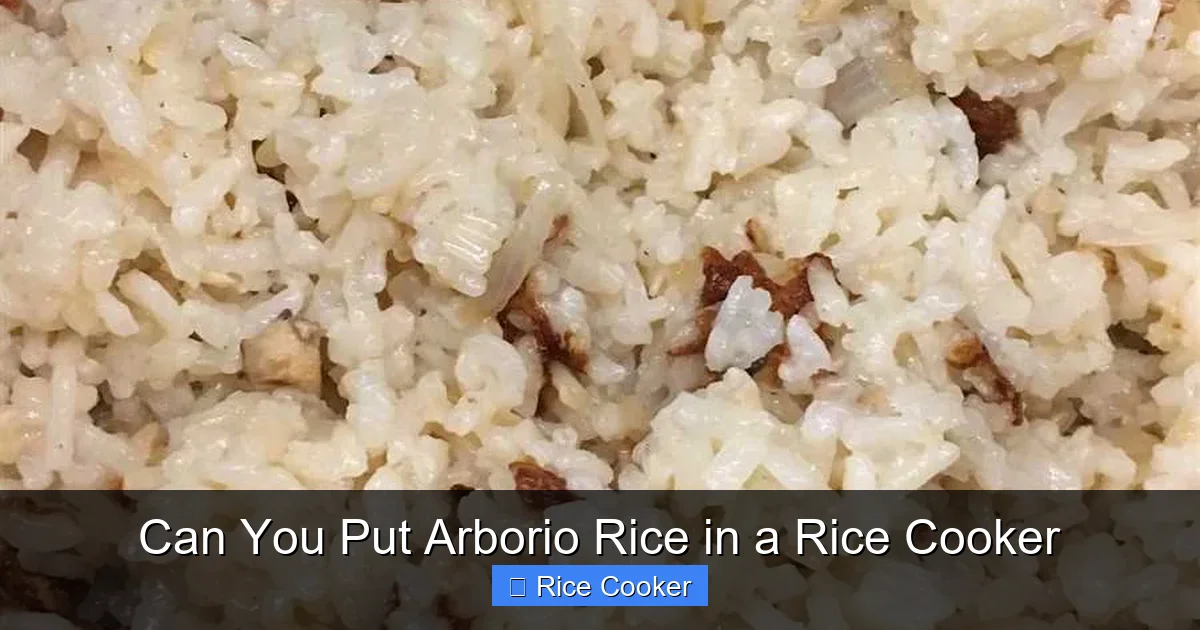
Arborio rice is not only compatible with rice cookers—it thrives in them! This short-grain Italian rice, known for its high starch content and creamy texture, cooks beautifully in standard electric rice cookers when using the right water-to-rice ratio. Whether you’re making a simple side dish or aiming for restaurant-quality risotto, your rice cooker can deliver consistent, delicious results every time. With just a few adjustments, you’ll unlock the full potential of Arborio rice without the constant stirring.
Key Takeaways
- Arborio rice works perfectly in most rice cookers. Its unique starch structure responds well to controlled heat and steam, yielding creamy, tender grains.
- The ideal water ratio is 1:2 (rice to water). Unlike long-grain varieties, Arborio needs less water than traditional white rice but more than brown versions for optimal texture.
- Pre-soaking isn’t necessary but can help. While optional, soaking Arborio for 15–30 minutes ensures even cooking and reduces mushiness.
- Use the “brown rice” or “porridge” setting if available. These settings offer gentler, longer cooking that mimics hand-stirred risottos.
- Don’t open the lid during cooking. Steam release affects temperature and timing—resist temptation until the cycle completes.
- Season after cooking for best flavor. Add butter, salt, or Parmesan cheese post-cooking to enhance taste without overcooking.
- Cooking time varies by model—follow manufacturer guidelines. Most Arborio rice takes 18–25 minutes on high heat, depending on freshness and moisture level.
📑 Table of Contents
- Can You Put Arborio Rice in a Rice Cooker? The Ultimate Guide
- Understanding Arborio Rice: Why It Matters
- Why Choose a Rice Cooker for Arborio?
- How to Cook Arborio Rice in a Rice Cooker: Step-by-Step Guide
- Advanced Techniques & Recipe Ideas
- Comparing Methods: Stovetop vs. Rice Cooker
- Frequently Asked Questions
Can You Put Arborio Rice in a Rice Cooker? The Ultimate Guide
If you’ve ever craved the rich, velvety texture of authentic Italian risotto but found yourself intimidated by hours of constant stirring, you’re not alone. Risotto has long been considered a labor-intensive dish—requiring vigilant attention, precise timing, and expert technique. But what if we told you that modern kitchen gadgets like rice cookers could simplify the process? Enter Arborio rice: the star ingredient behind creamy, luxurious risottos. And yes—you can absolutely use it in your rice cooker.
In recent years, culinary enthusiasts and home cooks alike have discovered that certain short-grain rices, particularly Arborio, respond exceptionally well to automated cooking methods. While traditionalists may scoff at the idea of substituting a stovetop ritual with an appliance, the truth is that many rice cookers are now engineered to handle delicate grains with care. In fact, when used correctly, a rice cooker can produce risotto-style results that rival—and sometimes surpass—handmade versions in terms of consistency and flavor.
This comprehensive guide will walk you through everything you need to know about cooking Arborio rice in a rice cooker: from understanding its unique properties to mastering the ideal ratios, selecting the right settings, and troubleshooting common issues. Whether you’re preparing a romantic dinner, feeding a hungry family, or simply craving comfort food with minimal effort, this article will empower you to make the most of your rice cooker and elevate your grain game.
Understanding Arborio Rice: Why It Matters
A Staple of Italian Cuisine
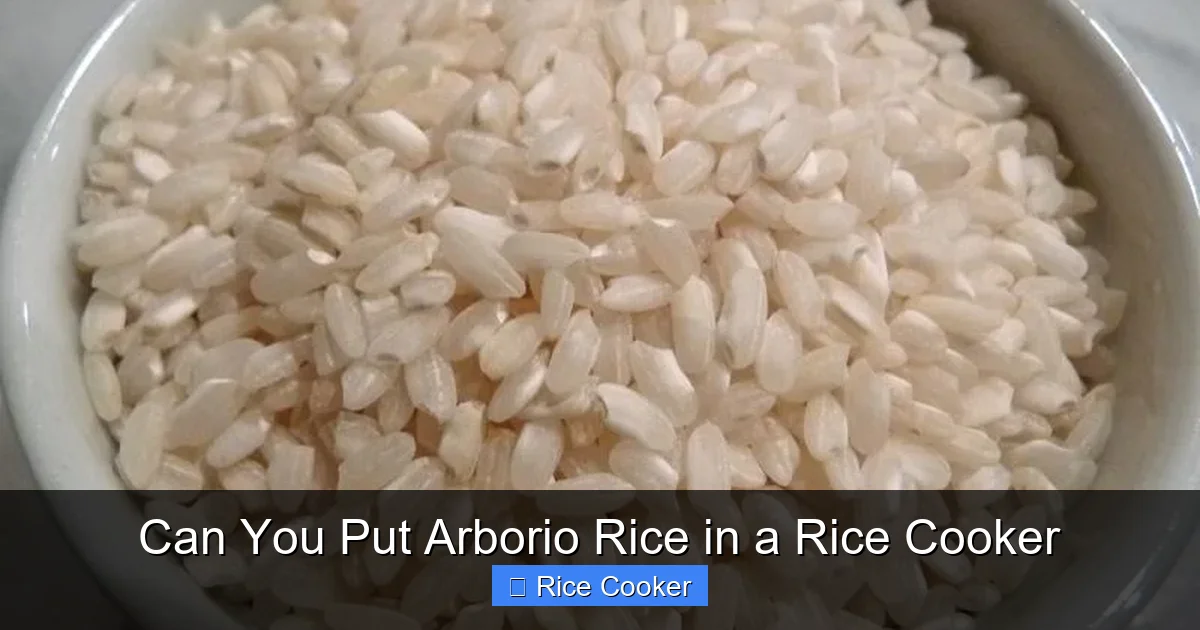
Arborio rice originates from the Piedmont region of northern Italy and has been cultivated there since the late 19th century. Named after the town of Arborio, this medium-to-short grain variety is prized for its ability to absorb liquids while retaining a firm, al dente core—even after prolonged cooking. Its high amylopectin starch content gives risottos their signature creaminess without requiring constant agitation.
Visual guide about Can You Put Arborio Rice in a Rice Cooker
Image source: ricearray.org
Unlike long-grain jasmine or basmati rice, which fluff up when cooked, Arborio maintains a cohesive, slightly chewy texture that clings together beautifully. This characteristic makes it ideal not just for risotto but also for other creamy dishes like risotto-stuffed vegetables, rice puddings, and even savory porridges.
The Science Behind Creaminess
The secret to Arborio’s creamy mouthfeel lies in its starch composition. When heated in liquid, the surface starch gelatinizes and releases into the surrounding broth, thickening the mixture as it cooks. On the stove, this happens gradually due to manual stirring; in a rice cooker, it occurs uniformly under controlled conditions.
Most importantly, Arborio rice contains about 7% more starch than regular short-grain rice. This means it can transform plain broth into a luxuriously thick sauce with minimal intervention—provided you respect its cooking requirements.
Why Choose a Rice Cooker for Arborio?
Consistency Over Guesswork
One of the biggest advantages of using a rice cooker is precision. Instead of guessing whether your risotto needs more broth or if the heat is too high, the appliance automates the process. Once you add the correct amount of liquid and press start, the machine handles temperature regulation and timing.
Visual guide about Can You Put Arborio Rice in a Rice Cooker
Image source: i.pinimg.com
This is especially beneficial for beginners who might struggle with monitoring simmer levels or adjusting for altitude variations. A good rice cooker maintains steady steam pressure, ensuring each grain receives equal exposure to moisture and heat.
Time Efficiency Without Sacrificing Quality
While traditional risotto requires 18–20 minutes of active stirring, rice cooker versions typically take 20–25 minutes total—with zero hands-on effort after setup. Many models include delay timers, allowing you to prep ingredients earlier and enjoy warm, ready-to-eat risotto straight from the pot.
Versatility Beyond Risotto
Beyond classic mushroom or saffron risotto, Arborio works wonderfully in:
- Seafood risottos (e.g., with shrimp, scallops, or mussels)
- Vegetable-packed versions (zucchini, asparagus, wild mushrooms)
- Cheesy delights (add grated Parmesan, nutmeg, and garlic powder)
- Sweet applications (when combined with milk, cinnamon, and sugar)
Your rice cooker becomes a multi-functional tool capable of handling both savory and sweet recipes with ease.
How to Cook Arborio Rice in a Rice Cooker: Step-by-Step Guide
Choosing the Right Rice Cooker
Not all rice cookers are created equal. For best results with Arborio rice, look for models featuring:
- Multiple cooking programs (e.g., brown rice, porridge, slow cook)
- Non-stick inner pots (easier cleanup and better heat distribution)
- Transparent lids (to monitor progress without opening)
- Keep-warm function (ideal for serving later)
Popular brands like Zojirushi, Tiger, and Instant Pot offer excellent options tailored for specialty grains. If your current cooker lacks specific settings, don’t worry—many still perform admirably with adjusted ratios.
Ingredients & Ratios That Work
The foundation of any great risotto starts with the right proportions. For Arborio rice, the universal rule is 1 cup dry rice : 2 cups liquid. This includes water, broth, milk, or a combination thereof. Avoid using pure water unless specified—broth adds depth of flavor and helps maintain moisture during extended cooking.
Example recipe base:
- 1 cup Arborio rice
- 2 cups vegetable or chicken broth
- 1/4 cup dry white wine (optional)
- 1 tbsp olive oil or butter
- Salt and pepper to taste
Preparation Steps
- Rinse the rice. Place Arborio in a fine-mesh strainer and rinse under cold running water until the water runs clear. This removes excess starch and prevents gummy clumps.
- Heat the base. In the rice cooker pot, warm oil/butter over medium heat (if your model allows). Sauté onions or garlic briefly before adding rice.
- Add liquid gradually. Pour in hot broth slowly while stirring. Close the lid and select the appropriate setting.
- Avoid opening the lid. Resist checking progress until the timer signals completion. Opening disrupts internal steam buildup and extends cooking time.
- Rest and fluff. Let the cooked rice sit for 5 minutes off-heat. Then gently fold in finishing touches like butter or cheese.
Troubleshooting Common Issues
Mushy texture? Likely caused by too much water or overcooking. Try reducing liquid by 1/4 cup next time and ensure your cooker isn’t set too long.
Gummy clumps? Happens when starch isn’t rinsed properly. Always wash Arborio thoroughly before cooking.
Dry or chalky grains? Indicates insufficient liquid or premature lid opening. Double-check ratios and avoid peeking.
Advanced Techniques & Recipe Ideas
Lacto-Fermented Broths for Depth
Elevate your risotto by using homemade broths—beef, chicken, or even miso-based vegetable stock. Fermented ingredients introduce umami notes that complement Arborio’s natural sweetness.
Layering Flavors with Aromatics
Before adding rice, toast whole spices like bay leaves, black peppercorns, or fennel seeds in oil. Their essential oils infuse the entire dish with aromatic complexity.
Gluten-Free & Vegan Adaptations
Replace dairy with coconut milk or almond milk for vegan versions. Use nutritional yeast instead of Parmesan for a cheesy, nutty kick. Ensure all broths are certified gluten-free if needed.
Creative Toppings & Garnishes
Finish with crispy fried shallots, toasted pine nuts, fresh herbs (parsley, chives), or a drizzle of truffle oil. Presentation matters as much as taste!
Comparing Methods: Stovetop vs. Rice Cooker
| Method | Pros | Cons |
|---|---|---|
| Stovetop | Full control over texture; traditional technique | Requires constant stirring; higher skill barrier |
| Rice Cooker | Hands-off; consistent results; multitask-friendly | Limited customization; potential overcooking if misused |
Ultimately, both methods yield delicious outcomes—but the rice cooker offers convenience without sacrificing quality, especially for busy households.
Frequently Asked Questions
Is Arborio rice the same as Carnaroli or Vialone Nano?
No—these are distinct Italian short-grain rices. Carnaroli is often called the “king of risotto” for its superior starch release; Vialone Nano is smaller and milder. All work in rice cookers, though ratios may vary slightly based on starch density.
Can I substitute Arborio with Calrose or Jasmine rice?
Technically yes, but results won’t match. Calrose and Jasmine lack sufficient starch to create creamy textures. They’re better suited for pilafs or fried rice.
Do I need to soak Arborio rice before cooking?
Soaking isn’t required but can improve uniformity. Soak for 15–30 minutes to reduce cooking time and minimize stickiness. Drain thoroughly before proceeding.
What if my rice cooker doesn’t have a “risotto” setting?
Use the “white rice” or “porridge” mode. Porridge settings run longer at lower temps, mimicking risotto’s gradual absorption method.
Can I cook leftover rice in the rice cooker?
Absolutely! Reheat Arborio with a splash of broth or milk until warmed through. Stir in cheese for instant comfort food.
How do I store and reheat Arborio risotto?
Store leftovers in an airtight container for up to 3 days. Reheat gently on low heat with added liquid, stirring frequently. Avoid microwaving whole batches—it dries out the texture.
Frequently Asked Questions
Is Arborio rice the same as Carnaroli or Vialone Nano?
No—these are distinct Italian short-grain rices. Carnaroli is often called the “king of risotto” for its superior starch release; Vialone Nano is smaller and milder. All work in rice cookers, though ratios may vary slightly based on starch density.
Can I substitute Arborio with Calrose or Jasmine rice?
Technically yes, but results won’t match. Calrose and Jasmine lack sufficient starch to create creamy textures. They’re better suited for pilafs or fried rice.
Do I need to soak Arborio rice before cooking?
Soaking isn’t required but can improve uniformity. Soak for 15–30 minutes to reduce cooking time and minimize stickiness. Drain thoroughly before proceeding.
What if my rice cooker doesn’t have a “risotto” setting?
Use the “white rice” or “porridge” mode. Porridge settings run longer at lower temps, mimicking risotto’s gradual absorption method.
Can I cook leftover rice in the rice cooker?
Absolutely! Reheat Arborio with a splash of broth or milk until warmed through. Stir in cheese for instant comfort food.
How do I store and reheat Arborio risotto?
Store leftovers in an airtight container for up to 3 days. Reheat gently on low heat with added liquid, stirring frequently. Avoid microwaving whole batches—it dries out the texture.