
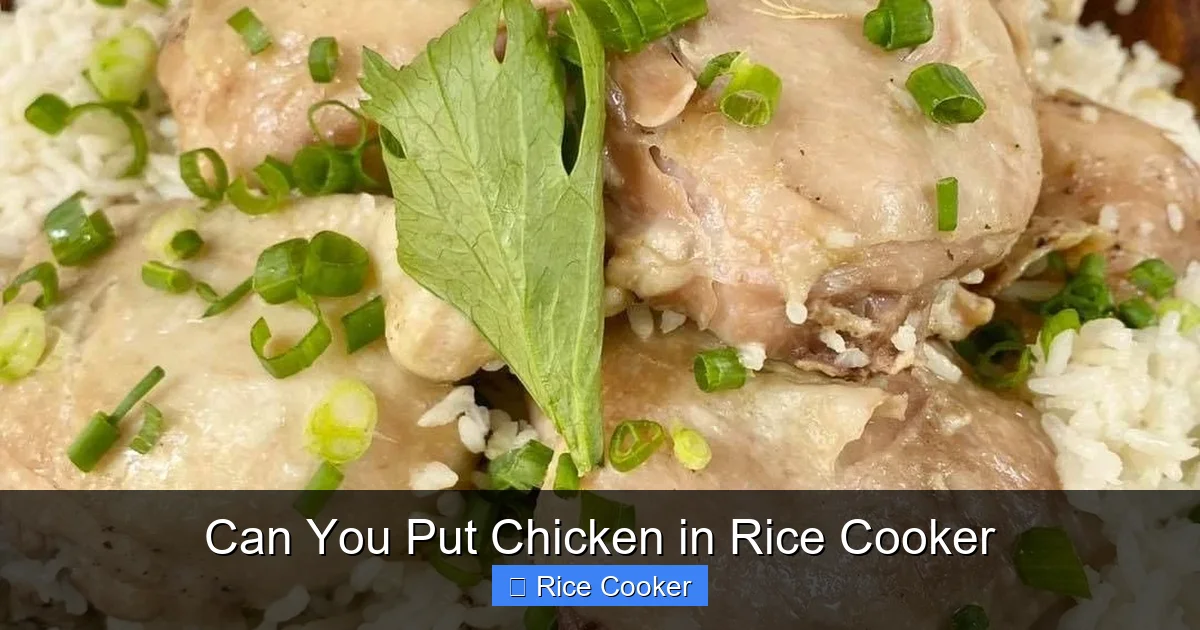
You can definitely put chicken in your rice cooker, and it’s one of the easiest ways to make a complete, delicious meal with minimal effort. Whether you’re using boneless breasts, thighs, or even whole rotisserie chicken, the rice cooker handles both ingredients perfectly. This method saves time, reduces cleanup, and results in tender, flavorful chicken every time.
Key Takeaways
- Rice cookers are versatile: They can cook both rice and chicken simultaneously without compromising flavor or texture.
- No special equipment needed: A standard rice cooker works just as well as an electric pressure cooker for this task.
- Moisture control is key: Proper liquid ratios ensure perfectly cooked rice and juicy chicken.
- Seasoning matters: Marinate or season chicken ahead of time to infuse maximum flavor into the dish.
- Hands-off cooking: Set it and forget it—ideal for busy days when you still want a home-cooked meal.
- Cleanup is simple: Most rice cooker pots are nonstick and dishwasher-safe.
- Customizable recipes: From Asian-inspired teriyaki chicken to Mexican-style cilantro-lime chicken, the possibilities are endless.
📑 Table of Contents
- Can You Put Chicken in Rice Cooker? Absolutely — And It’s Genius!
- The Science Behind Cooking Chicken in a Rice Cooker
- Types of Chicken That Work Best in a Rice Cooker
- Essential Tools and Setup Tips
- Step-by-Step Guide: How to Cook Chicken and Rice Together
- Flavorful Variations: Beyond Plain Chicken and White Rice
- Common Mistakes to Avoid
- Cleaning and Maintenance Tips
- Final Thoughts: Why This Method Is Worth Trying
Can You Put Chicken in Rice Cooker? Absolutely — And It’s Genius!
Have you ever come home after a long day, craving a warm, comforting meal but dreading the hours spent chopping vegetables, browning meat, and monitoring multiple pots on the stove? If so, your rice cooker might be the unsung hero you never knew you needed. Yes, that little kitchen gadget you use only for fluffy white rice can actually do so much more — especially when it comes to cooking chicken. Putting chicken in a rice cooker is not only possible, but it’s also incredibly convenient, efficient, and delicious.
Imagine this: you toss some chicken, rice, and your favorite seasonings into the pot before heading out the door. Come dinner time, you’re greeted with golden-brown, fall-apart chicken and perfectly cooked grains — all done in one pot with no stirring, flipping, or babysitting required. That’s the magic of rice cooker chicken. It’s hands-off cooking at its finest, perfect for beginners, busy parents, or anyone who wants to simplify their meal prep. In this comprehensive guide, we’ll walk you through everything you need to know about cooking chicken in a rice cooker — from basic techniques to flavor-packed recipes — so you can start making restaurant-quality meals right at home.
The Science Behind Cooking Chicken in a Rice Cooker
Before we dive into recipes, let’s talk about why this method works so well. At its core, cooking chicken in a rice cooker relies on moist heat and steam. When you combine chicken and rice in a sealed environment with the right amount of liquid, the moisture released by the chicken and the steam generated during cooking create a gentle, even heat distribution. This helps the chicken stay juicy while the rice absorbs the flavors and cooks uniformly.
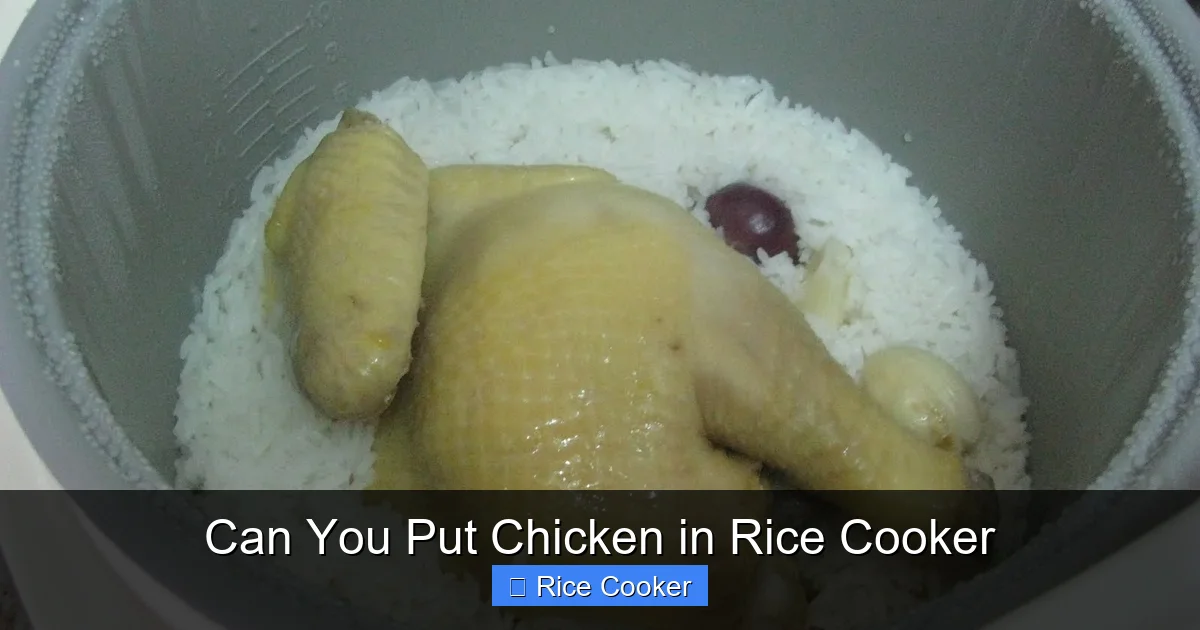
Visual guide about Can You Put Chicken in Rice Cooker
Image source: 4.bp.blogspot.com
How Heat Transfer Works
In traditional stovetop cooking, you often have hot spots that can overcook or dry out chicken. But rice cookers are designed to regulate temperature precisely. Once they reach the desired level, the heating element cycles on and off to maintain consistency. This prevents scorching and ensures even cooking — whether you’re simmering jasmine rice or braising chicken thighs.
Why Chicken Cooks So Well
Chicken, especially cuts like thighs or drumsticks, benefit greatly from moist-heat cooking methods like poaching or steaming. Unlike high-heat grilling or frying, which can cause proteins to contract and squeeze out juices, the low-and-slow approach of a rice cooker keeps chicken tender and moist. The fat content in darker cuts (like thighs) also adds richness and prevents drying out during the extended cooking process.
Liquid Ratios Are Everything
One of the most common mistakes when cooking chicken and rice together is getting the water-to-rice ratio wrong — or forgetting to account for the moisture from the chicken. As a rule of thumb, use about 1 cup of liquid per 1 cup of rice. If you’re using bone-in chicken, add a bit more liquid since bones release moisture slowly. Always check the manufacturer’s guidelines for your specific model, as some rice cookers require less water than others.
Types of Chicken That Work Best in a Rice Cooker
Not all chicken cuts are created equal when it comes to rice cooker cooking. Some work better than others depending on how long they need to cook and how much moisture they release. Here’s a breakdown of the best options:
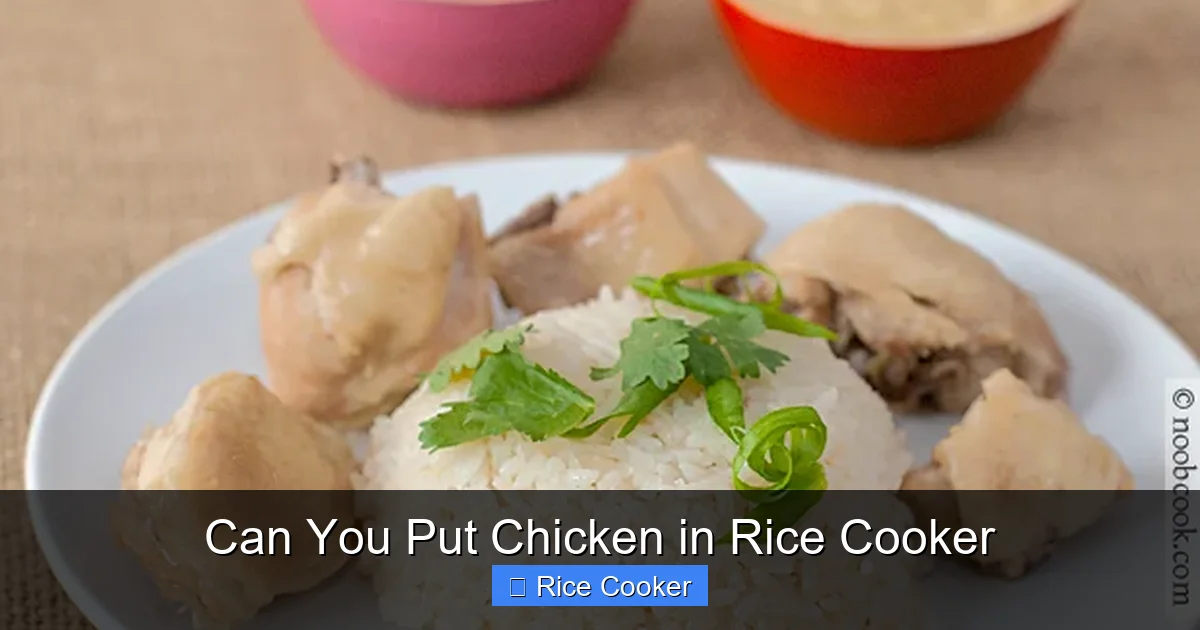
Visual guide about Can You Put Chicken in Rice Cooker
Image source: noobcook.com
- Boneless, skinless chicken breasts: These cook quickly and stay lean, but they can dry out if overcooked. Use them in dishes where you want tender, mild-flavored protein.
- Bone-in, skin-on chicken thighs: The most forgiving cut for beginners. The skin crisps up slightly during the initial heating phase, then melts into rich, flavorful fat. Thighs stay juicy even after 45–60 minutes of cooking.
- Chicken drumsticks: Great for families or meal prep. They hold their shape well and absorb marinades beautifully.
- Rotisserie chicken (shredded): Add leftover shredded chicken toward the end of the cooking cycle to warm through without drying out.
- Chicken tenders or strips: Perfect for kids or quick dinners. Cook them in the last 15–20 minutes to avoid toughness.
Avoid using very thin or pre-seasoned processed chicken products, as they may become mushy or lose too much moisture during long cooking times.
Essential Tools and Setup Tips
To get the best results, you don’t need fancy gadgets — just a few smart choices and a little prep work. Here’s what you’ll need and how to set it up:
What You’ll Need
- A standard rice cooker with a removable inner pot (preferably nonstick)
- Measuring cups for accurate liquid and rice portions
- A sharp knife and cutting board (for prepping chicken)
- Seasonings, herbs, or marinades (optional but recommended)
- A fork or tongs for checking doneness
Prep Your Ingredients First
Meal prep is your secret weapon here. Chop your vegetables, trim excess fat from the chicken, and measure out your seasonings before you start. This ensures everything goes in smoothly and reduces stress during cooking.
Layering Strategy
For best results, follow this order when adding ingredients:
- Start with rice at the bottom.
- Add any aromatics (garlic, ginger, onions) directly onto the rice.
- Place chicken pieces on top — don’t bury them under rice.
- Drizzle with oil, broth, or sauce for extra flavor.
This layering allows steam to circulate evenly and prevents the chicken from sticking to the bottom.
Don’t Skip the Oil or Broth
Even though the rice cooker creates its own steam, adding a splash of oil or broth helps prevent sticking and enhances flavor. Olive oil, chicken broth, or even coconut milk can transform plain rice and chicken into something extraordinary.
Step-by-Step Guide: How to Cook Chicken and Rice Together
Ready to try it yourself? Follow these simple steps for foolproof results every time.
Step 1: Prep the Rice
Rinse 1 cup of long-grain rice under cold water until the water runs clear. This removes excess starch and prevents gunkiness. Drain thoroughly and set aside.
Step 2: Season the Chicken
Pat chicken dry with paper towels. Generously season both sides with salt, pepper, and your choice of spices — paprika, garlic powder, oregano, or curry powder work great. For extra flavor, marinate for 30 minutes or up to overnight.
Step 3: Add Ingredients to the Pot
Spray the inner pot with cooking spray or brush lightly with oil. Add rinsed rice, then place seasoned chicken pieces on top. Pour in 1¼ to 1½ cups of liquid (water, broth, or a mix). Add optional extras like sliced carrots, peas, or diced tomatoes halfway through cooking.
Step 4: Cook and Wait
Close the lid and select the “Cook” or “White Rice” setting. Most models will take 20–30 minutes total — the rice usually finishes first, then the chicken continues steaming in the residual heat. Avoid opening the lid frequently; every time you do, you lose precious steam.
Step 5: Check for Doneness
After the cycle ends, let the pot sit for 5 minutes with the lid closed. Then carefully remove the chicken and test it with a meat thermometer — it should read 165°F (74°C) internally. If it needs more time, switch to the “Keep Warm” setting and cook in 5-minute increments until done.
Step 6: Fluff and Serve
Use a fork to fluff the rice gently. Shred or slice the chicken, then return it to the pot briefly to absorb more flavor. Garnish with fresh herbs, lime wedges, or a drizzle of soy sauce before serving.
Flavorful Variations: Beyond Plain Chicken and White Rice
The beauty of cooking chicken in a rice cooker is how easily you can customize it to suit your taste buds. Here are five delicious variations to try:
Teriyaki Chicken and Rice
Combine 1 cup jasmine rice, 1¼ cups water, 1 lb boneless chicken breasts, and ¼ cup teriyaki sauce. Add a tablespoon of honey and a teaspoon of grated ginger for sweetness and depth. Cook as usual, then garnish with sesame seeds and green onions.
Cilantro-Lime Chicken and Brown Rice
Use brown rice (which takes longer to cook — add 10 extra minutes). Season chicken with cumin, chili powder, and zest from one lime. Top with chopped cilantro, diced avocado, and a squeeze of fresh lime juice when serving.
Italian Herb Chicken and Rice
Brown rice, chicken thighs, and a mix of dried basil, thyme, rosemary, and oregano. Stir in sun-dried tomatoes and olives during the last 10 minutes. Finish with mozzarella cheese on top — let it melt under the broiler for 2 minutes.
Curry Chicken and Rice
Sauté onions and garlic in the rice cooker pot before adding rice and chicken. Stir in 2 tablespoons of curry paste, 1 can coconut milk, and 1 cup vegetable broth. Simmer until rice is done. Serve with mango chutney or naan bread.
Mexican Street Corn Chicken
Use corn kernels mixed with rice. Add cubed chicken, black beans, corn, diced tomatoes, and a splash of lime juice. Season with smoked paprika and cumin. Top with crumbled queso fresco and cotija cheese before serving.
Common Mistakes to Avoid
Even experienced cooks make errors when using their rice cooker for chicken. Keep these pitfalls in mind to ensure success:
- Using too much liquid: Excess water leads to soggy rice and bland flavors. Stick to recommended ratios.
- Overcrowding the pot: Too many ingredients block steam circulation. Cook in batches if necessary.
- Skipping the rest time: Letting the pot sit after cooking helps redistribute moisture and makes fluffing easier.
- Not checking internal temperature: Always verify chicken reaches 165°F to ensure food safety.
- Ignoring seasoning: Dry, unseasoned chicken turns out bland. Marinate or sauté with aromatics beforehand.
Cleaning and Maintenance Tips
Most rice cooker pots are dishwasher-safe, but hand-washing preserves the nonstick coating longer. Use warm soapy water and a soft sponge. Never soak metal utensils in the pot, and always dry thoroughly before storing. A clean rice cooker means better-tasting food next time!
Final Thoughts: Why This Method Is Worth Trying
Cooking chicken in a rice cooker isn’t just a clever trick — it’s a game-changer for anyone looking to simplify mealtime. It’s affordable, energy-efficient, and produces consistent results with minimal effort. Whether you’re feeding a crowd, meal prepping for the week, or just want a cozy dinner after work, this method delivers.
And the best part? You don’t need to be a chef or spend hours in the kitchen. With just a few ingredients and your trusty rice cooker, you can whip up a nutritious, satisfying meal that tastes like it came from a restaurant. So go ahead — grab that chicken, add some rice, and press “start.” Your future self will thank you.
Frequently Asked Questions
Can I cook frozen chicken in a rice cooker?
Yes, but it requires extra time and care. Add 10–15 extra minutes to the cooking cycle and ensure the chicken reaches 165°F internally. For safety, thaw partially or use a meat thermometer to confirm doneness.
Do I need to brown the chicken before adding it?
No, browning is optional. While it adds extra flavor, many people skip this step because the rice cooker’s moist environment keeps chicken tender. If you do brown it, use the sauté function (if available) or a skillet first.
What if my rice is undercooked or mushy?
Undercooked rice usually means too much liquid or too short a cooking time. Mushy rice often results from over-stirring or opening the lid frequently. Always measure liquids accurately and let the pot rest after cooking.
Can I add vegetables along with the chicken and rice?
Absolutely! Carrots, peas, mushrooms, and bell peppers all work well. Add harder vegetables like potatoes early, softer ones like spinach near the end to prevent overcooking.
Is it safe to leave chicken in the rice cooker overnight?
It’s not recommended. Leaving perishable food at room temperature for more than 2 hours increases the risk of bacterial growth. If you need to delay serving, finish cooking and transfer to the fridge within 1 hour.
Can I use this method for other meats like turkey or pork?
Yes! Pork tenderloins, turkey breast, and even ground beef (with adjustments) can be cooked in a rice cooker. Just monitor cooking times closely, as different meats have varying requirements.