

You can definitely use coconut milk in a rice cooker, but it requires careful attention to ratio and cooking time. Coconut milk adds richness and aroma, perfect for dishes like Thai jasmine rice or creamy risotto-style meals. With the right technique, your rice cooker becomes a versatile tool for global cuisine.
Key Takeaways
- Understanding can you put coconut milk in a rice cooker: Provides essential knowledge
📑 Table of Contents
- Can You Put Coconut Milk in a Rice Cooker?
- Understanding Your Rice Cooker
- Can You Actually Use Coconut Milk in a Rice Cooker?
- Choosing the Right Coconut Milk
- Step-by-Step Guide: Making Coconut Milk Rice
- Creative Recipes Using Coconut Milk in the Rice Cooker
- Common Mistakes and How to Avoid Them
- Cleaning and Maintenance Tips
- Frequently Asked Questions About Coconut Milk and Rice Cookers
- Conclusion
Can You Put Coconut Milk in a Rice Cooker?
Have you ever wondered if your trusty rice cooker can handle more than just plain water and rice? The short answer is yes—you can absolutely put coconut milk in a rice cooker. In fact, using coconut milk opens up a world of delicious possibilities, from fragrant Asian-inspired dishes to creamy comfort meals. While rice cookers are traditionally designed for water-based cooking, many modern models are versatile enough to accommodate alternative liquids like coconut milk without damaging the appliance.
But here’s the catch: coconut milk behaves differently than water. It’s thicker, richer, and contains fats that can affect how rice absorbs moisture and cooks. If you’ve ever tried making coconut rice on the stove and ended up with mushy or unevenly cooked grains, you know the challenges. The good news is that with the right techniques and understanding of your rice cooker’s function, you can achieve perfectly cooked, aromatic coconut-infused rice every time.
In this comprehensive guide, we’ll walk through everything you need to know about using coconut milk in your rice cooker—from choosing the right type of coconut milk to adjusting cooking times and ratios. Whether you’re a fan of Thai curries, Indian biryanis, or even dessert rice puddings, this method will elevate your home cooking game.
Understanding Your Rice Cooker
How Rice Cookers Work
Before diving into coconut milk recipes, it helps to understand the basic mechanics of a rice cooker. Most rice cookers use a combination of heat and steam to cook rice. A thermostat detects when the internal temperature rises due to evaporation of water, signaling the cooker to switch from heating to warming mode. This prevents overcooking and keeps rice warm until ready to serve.
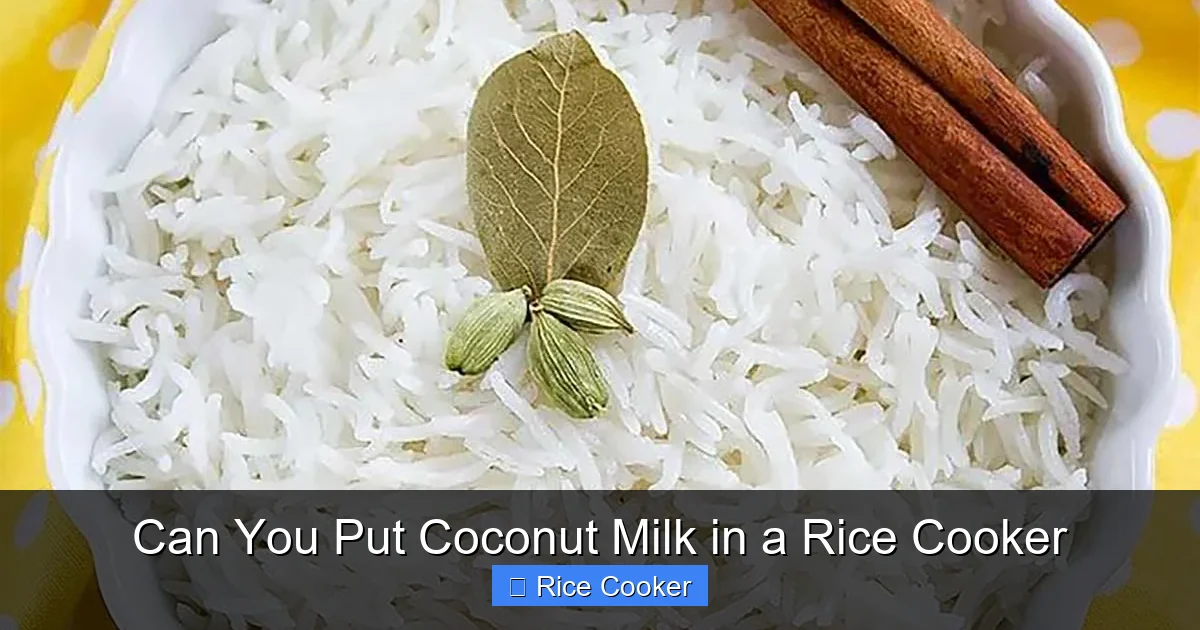
Visual guide about Can You Put Coconut Milk in a Rice Cooker
Image source: munatycooking.com
The key component is the inner pot, usually made of aluminum or ceramic-coated steel. These materials conduct heat evenly and are designed to withstand high temperatures. However, they’re not meant to be used on open stovetops unless specifically labeled as such. Always follow your manufacturer’s instructions regarding safe usage.
Types of Rice Cookers
Rice cookers come in several types, each with unique features:
- Basic Rice Cookers: Simple models with one-button operation—ideal for white rice and simple variations.
- Multi-Function Rice Cookers: Include settings for porridge, steaming, slow cooking, and even yogurt. These often have better temperature control.
- Sushi Rice Cookers: Designed specifically for delicate sushi rice, with precise water absorption control.
- Smart Rice Cookers: Wi-Fi enabled models with pre-programmed recipes and app connectivity.
For coconut milk cooking, a multi-function or smart model gives you more flexibility, especially if you want to use the “steam” or “slow cook” functions later. But even a basic model can work—just be prepared to monitor the process a bit closer.
Can You Actually Use Coconut Milk in a Rice Cooker?
The Short Answer
Yes, you can safely use coconut milk in a rice cooker. Most rice cookers are built to handle liquids other than water, including broths, milks, and yes—coconut milk. As long as you follow proper ratios and avoid overfilling (usually no more than two-thirds full), your appliance should operate normally.
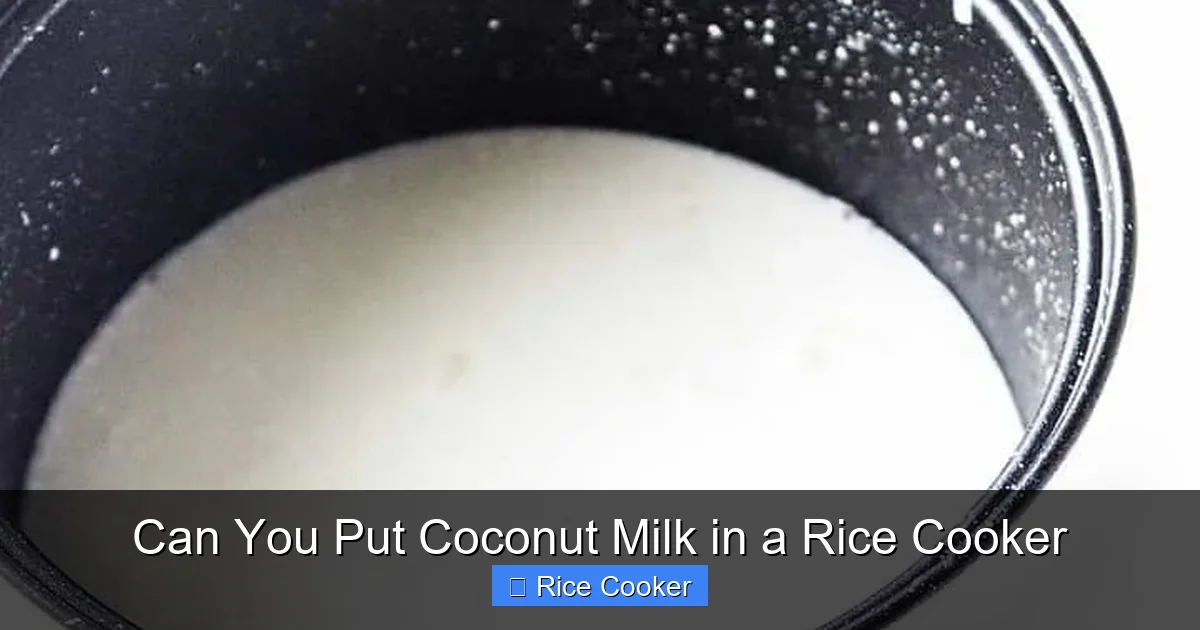
Visual guide about Can You Put Coconut Milk in a Rice Cooker
Image source: smellslikedelish.com
Potential Challenges
While it’s possible, there are a few things to watch out for:
- Texture differences: Coconut milk makes rice creamier and softer compared to water-cooked rice.
- Separation risk: Fat from coconut milk can rise to the top during cooking, creating an oily layer.
- Sticking issues: Thicker liquids may cling to the bottom if not stirred occasionally.
- Flavor absorption: Rice absorbs coconut flavor quickly, which is great for taste but means less room for customization.
Don’t let these deter you—they’re all manageable with the right approach!
Choosing the Right Coconut Milk
Full-Fat vs. Light Coconut Milk
The type of coconut milk you choose significantly impacts the outcome:
- Full-fat (thick) coconut milk: Best for rice. Comes in a solid layer at the top of the can. Provides richness and prevents dryness.
- Light coconut milk: More diluted, often used in smoothies. Can result in bland, watery rice.
- Canned vs. Fresh: Canned is convenient and consistent. Fresh has a stronger aroma but varies in consistency.
Tip: Always drain the thick part of canned coconut milk and reserve the thin liquid for soups or sauces.
Unsweetened vs. Sweetened
For savory dishes, use unsweetened coconut milk. For desserts like coconut rice pudding, sweetened versions add natural sweetness without needing added sugar.
Step-by-Step Guide: Making Coconut Milk Rice
Gather Your Ingredients
Here’s what you’ll need for a standard batch (serves 4):
- 1 cup jasmine or basmati rice (rinsed)
- ¾ cup full-fat coconut milk (thick portion only)
- ½ cup water (optional, for adjustment)
- ¼ teaspoon salt
- 1 tablespoon butter or oil (optional, for shine)
- 1 small shallot or garlic clove (optional, for flavor)
Preparation Steps
- Rinse the rice: Wash under cold water until the water runs clear. This removes excess starch and prevents gumminess.
- Add ingredients to the pot: Place rice, coconut milk, water (if using), salt, and optional aromatics in the inner pot.
- Mix gently: Stir once to distribute ingredients evenly. Avoid overmixing.
- Close lid and start cooking: Press “Cook” or “White Rice” setting. No need to stir during cooking.
- Wait for completion: Most cookers take 20–25 minutes. Let it rest for 5–10 minutes after the cycle ends.
- Fluff and serve: Use a fork to gently break up any clumps. Drizzle with reserved coconut cream if desired.
Adjusting Ratios for Texture
If your rice turns out too soft, try reducing coconut milk by 10%. For firmer grains, increase water slightly or cook on a shorter cycle.
Creative Recipes Using Coconut Milk in the Rice Cooker
Thai Coconut Jasmine Rice
A classic side dish that pairs beautifully with red curry, green curry, or grilled meats.
- 1 cup jasmine rice
- ¾ cup thick coconut milk
- ½ cup water
- Pinch of salt
- 1 kaffir lime leaf (optional, for fragrance)
Cook as usual. Discard lime leaf before serving.
Indian Coconut Biryani
Layer coconut milk rice with spiced meat (chicken or lamb) and fragrant spices for a luxurious one-pot meal.
- 1 cup basmati rice
- ¾ cup coconut milk
- 1 cup chicken broth
- 1 tsp turmeric, ½ tsp garam masala
- Marinated chicken pieces
Cook rice first, then layer with chicken and spices. Steam together for 15 minutes.
Coconut Rice Pudding
Sweet version using sweetened coconut milk and a touch of cinnamon.
- 1 cup glutinous rice
- 2 cups sweetened coconut milk
- ⅓ cup sugar
- 1 tsp vanilla extract
- ½ tsp ground cinnamon
Cook on “Porridge” or “Rice” setting. Stir halfway through to prevent sticking.
Common Mistakes and How to Avoid Them
Overfilling the Pot
Never fill the inner pot beyond two-thirds capacity. Expansion during cooking can cause overflow and damage.
Not Rinsing the Rice
Skipping rinsing leads to sticky, gummy rice—especially with short-grain varieties.
Using Cold Coconut Milk
Room-temperature liquids help distribute heat evenly. Warm slightly before adding if refrigerated.
Ignoring the Resting Time
Letting rice rest allows steam to redistribute moisture. Skipping this step results in uneven texture.
Stirring During Cooking
Most rice cookers don’t need stirring. Interrupting the cycle disrupts the automatic shut-off mechanism.
Cleaning and Maintenance Tips
After cooking with coconut milk, clean the inner pot immediately. Fat residues can harden and make cleaning difficult. Use warm soapy water and a soft sponge. Never submerge electrical parts in water.
Check the sealing ring regularly for buildup. Some models allow removable rings for deep cleaning.
Frequently Asked Questions About Coconut Milk and Rice Cookers
Can I substitute almond milk for coconut milk in a rice cooker?
Almond milk lacks the fat content needed for creamy rice and may result in dry, crumbly grains. Stick to coconut milk for best results.
Will my rice cooker warranty cover damage from coconut milk?
Generally, using coconut milk won’t void your warranty unless you misuse the appliance (e.g., boiling it dry). Follow manual guidelines.
How do I prevent coconut milk from burning at the bottom?
Ensure adequate liquid, avoid high heat settings, and consider adding a splash of water. Stir once halfway if your model allows.
Can I make overnight coconut rice in the rice cooker?
Yes! Cook rice, let it cool, then store in the fridge. Reheat with a splash of water to restore moisture.
Is coconut milk rice healthy?
Moderately—it provides healthy fats and flavor without added sodium. Choose unsweetened versions and watch portion sizes.
What rice types work best with coconut milk?
Jasmine, basmati, and glutinous (sticky) rice absorb coconut milk beautifully. Avoid very long-grain varieties like wild rice.
Conclusion
Putting coconut milk in a rice cooker isn’t just possible—it’s a game-changer for home cooks looking to expand their culinary repertoire. With a little knowledge and attention to detail, you can turn a simple appliance into a gateway to international flavors. From fragrant Thai curries to comforting Indian biryanis and decadent desserts, coconut milk rice offers endless possibilities.
Remember to start with full-fat, unsweetened coconut milk, rinse your rice thoroughly, and adjust ratios based on your desired texture. Don’t fear experimentation—each recipe teaches something new. And always prioritize safety: respect your cooker’s limits and clean up promptly.
So go ahead—open that can of coconut milk, grab your rice cooker, and discover why this tropical ingredient belongs in your kitchen arsenal. Your taste buds will thank you.
Frequently Asked Questions
Can I use light coconut milk in a rice cooker?
Light coconut milk can work, but it results in thinner, less flavorful rice. Full-fat coconut milk is recommended for richness and creaminess.
Do I need to add extra water when using coconut milk?
Not always. Coconut milk is moisturizing, so start with equal parts rice and coconut milk. Add water only if the rice seems too thick or dry after cooking.
Can I make coconut milk rice in a pressure cooker instead?
Yes, but reduce liquid by 20% and cook on high pressure for 2–3 minutes. Natural release for 10 minutes before opening.
How long does coconut milk rice last in the fridge?
Up to 5 days if stored in an airtight container. Reheat with a splash of water or coconut milk to restore texture.
Can I freeze coconut milk rice?
Absolutely. Portion into freezer-safe containers. Thaw overnight in the fridge and reheat gently on the stove or in the microwave.
Why is my coconut rice too greasy?
Too much fat rises to the top. To fix, let it sit uncovered for 5 minutes post-cooking, then skim off excess cream before fluffing.