
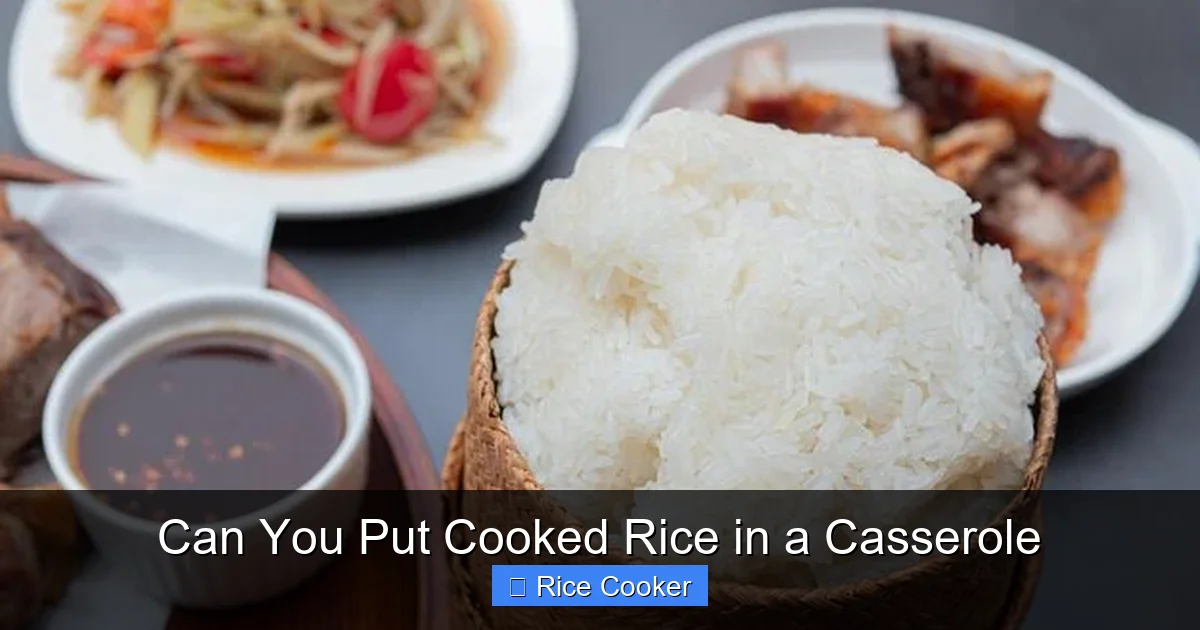
Absolutely yes! Using cooked rice in a casserole is not only possible but also a smart way to repurpose leftovers into something delicious. Whether you’re making a creamy chicken and rice bake or a veggie-packed casserole, adding rice adds heartiness, texture, and nutrition. With the right ingredients and technique, your casserole becomes a complete meal—easy, comforting, and full of flavor.
Have you ever found yourself staring at a container of leftover cooked rice, wondering what to do with it? Maybe you overcooked it, or dinner plans changed last minute. Instead of letting it go to waste, why not turn it into a delicious casserole? Yes, you read that right—cooked rice in a casserole isn’t just okay, it’s often better than starting from scratch. In fact, using cooked rice in casserole recipes is a time-saving, budget-friendly trick that home cooks swear by.
Whether you’re making a creamy chicken and rice bake, a cheesy Mexican-inspired casserole, or a hearty vegetarian option, adding rice gives structure and substance. It turns a simple mix of ingredients into a complete meal that’s satisfying and filling. Plus, casseroles are perfect for feeding a crowd or prepping ahead of time—ideal for meal prep or potlucks. So, let’s dive into everything you need to know about using cooked rice in your next casserole creation.
Key Takeaways
- You can definitely use cooked rice in casseroles. It adds bulk, improves texture, and makes meals more filling without extra effort.
- Rice acts as a natural binder, helping hold casseroles together—perfect for no-stir dishes that stay intact when served.
- Using leftover rice saves time and reduces waste. Instead of tossing it out, turn it into a new dish with minimal prep.
- Cooking methods matter. Rice that’s too wet can make casseroles soggy; drain excess moisture before mixing.
- Flavor infusion is easy. Let rice absorb spices, herbs, or broth while cooking to deepen taste in your casserole.
- Pair rice with proteins and veggies to create balanced, nutritious one-pan meals ideal for busy weeknights.
📑 Table of Contents
Why Use Cooked Rice in Casseroles?
Using cooked rice in casserole recipes might seem counterintuitive—after all, aren’t casseroles usually made from scratch with raw ingredients? But there are several compelling reasons to reach for that leftover bowl of rice instead:
First, it saves time and energy. Cooking rice takes about 18–20 minutes (depending on type), and then you have to wait for other components like meat or vegetables to cook. By using already-cooked rice, you cut down on overall prep time significantly. This is especially helpful on busy weeknights when you want a home-cooked meal without spending hours in the kitchen.
Second, cooked rice adds natural binding properties. When mixed into a casserole, it helps hold everything together, reducing the chance of your dish falling apart when served. This is particularly useful for no-bake or low-moisture recipes where ingredients might otherwise separate.
Third, it enhances texture and mouthfeel. Rice brings a soft, slightly chewy bite that complements richer ingredients like cheese, cream, or meat. Without it, some casseroles can feel too dense or heavy.
Finally, using leftover rice is eco-friendly and economical. Food waste is a real concern, and repurposing cooked grains is a simple way to reduce it. Plus, you’re saving money by not buying new ingredients unnecessarily.
The Science Behind Rice in Casseroles
So how exactly does rice help in casserole-making? It all comes down to starch content and absorption. Rice contains starches that, when heated again (even gently), release and thicken sauces. This means your casserole sauce clings better to each grain, creating a more cohesive dish.
When rice is added to a casserole, it also absorbs flavors from broths, spices, cheeses, and meats. That’s why seasoned or flavored rice works even better than plain white rice. For example, if you cooked rice in chicken broth earlier, using it now means your casserole starts with built-in depth.
Just be cautious—too much moisture can lead to a soggy result. Always drain excess water from previously steamed rice before mixing it in. And if your recipe calls for baking, avoid overcooking the top layer to prevent mushiness.
Best Types of Rice to Use in Casseroles
Not all rice is created equal when it comes to casserole-making. Some varieties hold up better under reheating and blending with other ingredients than others. Here’s a quick guide:
- White Rice: Quick-cooking and neutral-tasting, white rice is versatile and absorbs flavors well. Long-grain varieties like basmati or jasmine work great because they don’t get sticky.
- Brown Rice: Higher in fiber and nutrients, brown rice adds heartiness. However, it takes longer to cook and may become overly soft if reheated too long.
- Wild Rice: Unique in flavor and texture, wild rice pairs beautifully with mushrooms or poultry. It holds its shape well during baking.
- Sushi Rice: Sticky and clingy, this short-grain rice can work in Asian-inspired casseroles but may make dishes too dense if overused.
- Cooked Leftovers: Cold, refrigerated rice actually works best for binding since the starch has retrograded (cooled and hardened), making it less likely to become gluey.
For most casseroles, we recommend using cold leftover rice that’s been stored properly in an airtight container. This prevents clumping and ensures even distribution throughout the dish.
Preparing Your Rice: Tips for Success
Even though your rice is already cooked, proper handling before adding it to the casserole matters. Here’s how to prep it like a pro:
– Cool it first: Let hot rice cool slightly before mixing—this prevents melting cheese or curdling cream.
– Break up clumps: Gently fluff cooled rice with a fork to separate any stuck-together grains.
– Drain excess liquid: If rice was cooked with extra broth or water, blot or drain off any surplus.
– Season lightly: Toss rice with a pinch of salt, garlic powder, or herbs while still warm to infuse flavor.
– Chill overnight: Cold rice absorbs flavors better and bakes more evenly. Store in the fridge for up to 5 days.
Pro tip: For gluten-free or grain-free diets, substitute rice with quinoa, cauliflower rice, or mashed potatoes. These alternatives offer similar binding qualities and work well in most casserole recipes.
Classic Casserole Recipes Featuring Cooked Rice
Now that you know why and how to use cooked rice, let’s look at some tried-and-true casserole ideas. These recipes showcase how versatile rice can be—whether you’re craving comfort food or looking for a healthy twist.
1. Chicken and Rice Casserole (Classic Comfort)
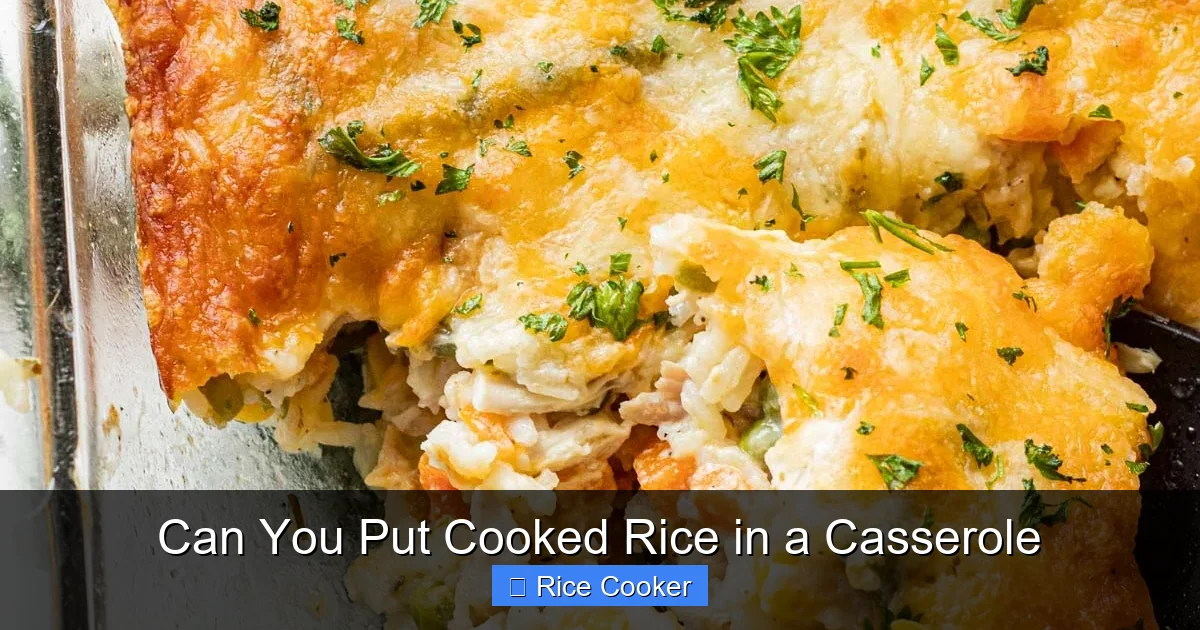
This timeless favorite layers tender chicken, savory gravy, and fluffy rice for a dish that feels like home. The key is using cold rice so it doesn’t turn mushy during baking.
Ingredients:
– 2 cups cooked rice (cold)
– 2 cups shredded cooked chicken
– 1 can (10.5 oz) condensed cream of chicken soup
– 1 cup milk or broth
– 1 tsp dried thyme
– Salt and pepper to taste
– 1 cup shredded cheddar cheese
– ½ cup frozen peas
Directions:
1. Preheat oven to 375°F (190°C).
2. In a large bowl, combine rice, chicken, soup, milk, thyme, salt, and pepper.
3. Fold in peas and half the cheese.
4. Pour into greased 9×13-inch baking dish.
5. Top with remaining cheese.
6. Bake uncovered for 30–35 minutes until bubbly and golden.
Serve with a side salad for a balanced meal.
2. Mexican Rice Casserole (Cheesy & Spicy)
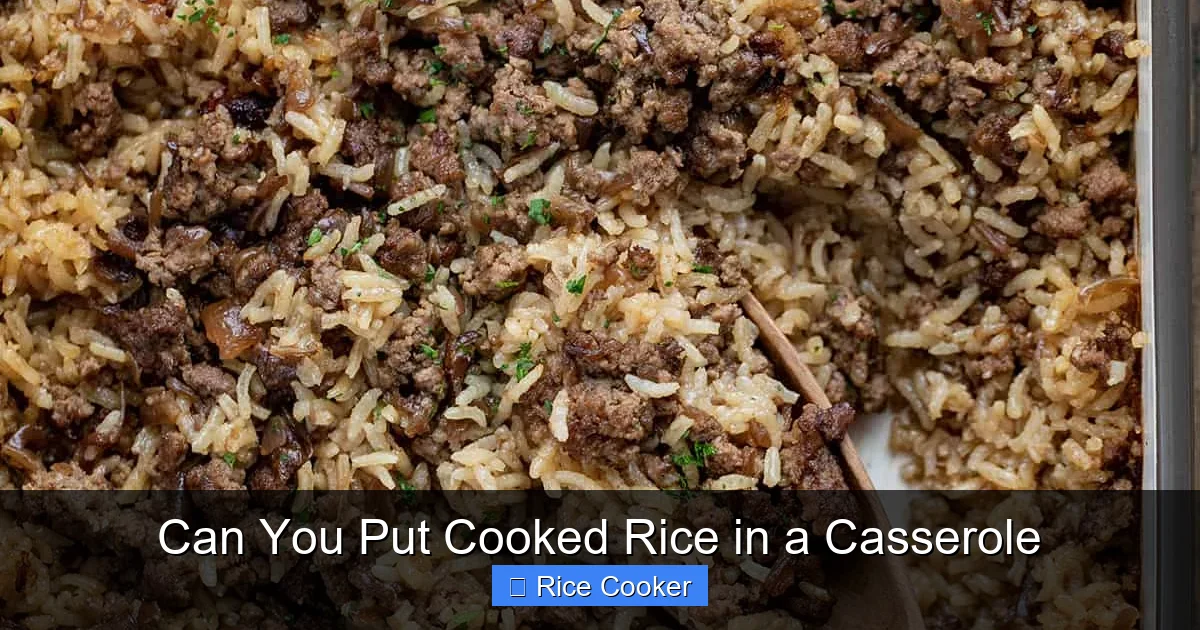
Perfect for game day or taco night, this version swaps traditional refried beans for ground beef and loads of cheese. The rice soaks up the bold flavors of tomatoes, onions, and spices.
Ingredients:
– 2 cups cooked rice
– 1 lb ground beef
– 1 onion, diced
– 1 packet taco seasoning
– 1 cup corn kernels
– 1 cup black beans, drained
– 2 cups shredded Monterey Jack cheese
– 1 cup salsa
Directions:
1. Brown beef and onion in a skillet. Stir in taco seasoning.
2. Mix in rice, corn, beans, salsa, and half the cheese.
3. Transfer to baking dish and top with rest of cheese.
4. Bake at 350°F for 25–30 minutes until hot through.
Garnish with sour cream, guacamole, or fresh cilantro.
3. Veggie-Packed Broccoli and Cheese Casserole
A kid-friendly and veggie-loving crowd pleaser, this casserole uses cold rice to bind broccoli, carrots, and cheese in a creamy sauce. No raw eggs needed!
Ingredients:
– 2 cups cooked rice
– 4 cups chopped broccoli florets
– 1 cup shredded carrots
– 2 cups shredded cheddar
– 1 cup milk
– 2 tbsp butter
– 2 tbsp flour
– Salt and pepper
Directions:
1. Steam broccoli and carrots until tender-crisp. Set aside.
2. Make béchamel: melt butter, whisk in flour, slowly add milk.
3. Stir in cheese until melted.
4. Combine rice, veggies, and sauce. Season.
5. Bake at 375°F for 25 minutes.
Top with breadcrumbs for extra crunch.
Creative Twists: Beyond the Basics
Once you master the basics, you can get adventurous! Try these innovative ideas to elevate your rice casseroles:
– Add pasta: Mix in cooked elbow macaroni or penne for a double-grain casserole.
– Go international: Use Japanese-style fried rice base with teriyaki sauce, bell peppers, and chicken.
– Make it vegan: Swap dairy with coconut milk and nutritional yeast for a cheesy flavor.
– Use different cheeses: Go beyond cheddar—try gouda, feta, or goat cheese for tang.
– Add protein powders: For fitness-focused meals, blend in whey or plant-based protein.
Don’t forget herbs and spices! Cumin, paprika, oregano, or turmeric can transform a plain casserole into something extraordinary.
Common Mistakes to Avoid
Even experienced cooks slip up sometimes. Here are the most frequent errors when using cooked rice in casseroles—and how to fix them:
- Mistake: Using hot, wet rice directly from the pot.
Fix: Cool and drain rice first. Hot rice releases steam and can make the casserole soggy. - Mistake: Not seasoning the rice beforehand.
Fix: Toss rice with salt, garlic, or herbs while still warm to maximize flavor absorption. - Mistake: Overmixing after adding rice.
Fix: Gently fold rice in to keep layers intact—especially important in layered casseroles. - Mistake: Baking at too high a temperature.
Fix: Stick to 350–375°F to ensure even heating without drying out the rice. - Mistake: Skipping a crust or topping.
Fix: Add breadcrumbs, crushed tortilla chips, or extra cheese for texture contrast.
Remember: less is often more. Too much rice can overwhelm other ingredients, so balance is key.
Storage and Reheating Tips
Leftover casserole with rice keeps beautifully—if handled correctly. Store uneaten portions in an airtight container in the refrigerator for up to 4 days. For longer storage, freeze for up to 3 months.
To reheat:
– Microwave: Cover with damp paper towel to retain moisture. Heat in 30-second intervals.
– Oven: Reheat at 325°F until steaming (about 15–20 minutes). Add a splash of milk if too dry.
– Stovetop: Place in a saucepan over low heat, stirring occasionally with a bit of broth.
Avoid microwaving uncovered—it leads to uneven spots and dry edges.
Frequently Asked Questions About Cooked Rice in Casseroles
Can I use uncooked rice in a casserole?
Yes, but it requires longer baking time since the rice needs to cook through. Add extra liquid and cover tightly to prevent drying. It’s a good option if you don’t have leftovers.
Visual guide about Can You Put Cooked Rice in a Casserole
Image source: iwashyoudry.com
Visual guide about Can You Put Cooked Rice in a Casserole
Image source: iamhomesteader.com
How do I prevent my casserole from being soggy?
Drain excess liquid from cooked rice, avoid overcrowding the pan, and ensure proper oven temperature. A crispy top layer also helps absorb moisture.
Can I freeze a rice casserole?
Absolutely! Assemble the casserole, cover tightly, and freeze for up to 3 months. Thaw overnight in the fridge before baking. You may need to add a little extra liquid when reheating.
Is it safe to eat rice that’s been sitting out?
Unrefrigerated rice can harbor bacteria that survive boiling and multiply in warm, moist environments. Always store cooked rice within 2 hours of cooking and refrigerate promptly.
What’s the difference between using cold vs. warm rice?
Cold rice has retrograded starch, which binds better and resists becoming mushy. Warm rice is fine for mixing but should be cooled before baking to avoid raising internal temperatures too quickly.
Can I use instant rice?
Yes, but follow package instructions carefully. Instant rice cooks faster and can turn gummy if overdone. It’s best used in no-bake or slow-cooked casseroles.
Frequently Asked Questions
Can I use uncooked rice in a casserole?
Yes, but it requires longer baking time since the rice needs to cook through. Add extra liquid and cover tightly to prevent drying. It’s a good option if you don’t have leftovers.
How do I prevent my casserole from being soggy?
Drain excess liquid from cooked rice, avoid overcrowding the pan, and ensure proper oven temperature. A crispy top layer also helps absorb moisture.
Can I freeze a rice casserole?
Absolutely! Assemble the casserole, cover tightly, and freeze for up to 3 months. Thaw overnight in the fridge before baking. You may need to add a little extra liquid when reheating.
Is it safe to eat rice that’s been sitting out?
Unrefrigerated rice can harbor bacteria that survive boiling and multiply in warm, moist environments. Always store cooked rice within 2 hours of cooking and refrigerate promptly.
What’s the difference between using cold vs. warm rice?
Cold rice has retrograded starch, which binds better and resists becoming mushy. Warm rice is fine for mixing but should be cooled before baking to avoid raising internal temperatures too quickly.
Can I use instant rice?
Yes, but follow package instructions carefully. Instant rice cooks faster and can turn gummy if overdone. It’s best used in no-bake or slow-cooked casseroles.