
Can you put cooked rice in compost? Absolutely! Cooked rice breaks down quickly in compost and adds valuable nutrients like carbon and nitrogen. Just remember to balance it with other materials and avoid adding too much at once.
Cooked rice is a great compost ingredient that helps speed up decomposition when mixed properly with greens, browns, and moisture. Whether you’re using a traditional compost pile or a worm bin, rice works well as long as you follow basic composting rules. This guide will show you exactly how to compost cooked rice the right way.
Have you ever wondered whether that leftover bowl of jasmine rice from last night’s dinner can go straight into your compost bin? You’re not alone. With growing interest in sustainable living and zero-waste practices, many people are looking for ways to reduce food waste while still maintaining healthy compost systems. Cooked rice is one of those everyday kitchen scraps that often gets tossed out without a second thought — but what if we told you it could be a valuable addition to your compost?
Composting isn’t just about turning trash into treasure—it’s about creating a balanced ecosystem inside your backyard (or balcony) that mimics nature’s own recycling process. And yes, cooked rice absolutely belongs here. In fact, because it contains starches and sugars, it acts as a high-energy food source for beneficial microbes and worms. The challenge comes not in whether you *can* compost cooked rice, but rather in doing so effectively without disrupting the harmony of your compost pile.
Let’s break down everything you need to know about composting cooked rice—from why it works so well to how to do it safely and efficiently. Whether you’re new to composting or already have a thriving system, this guide will help you turn your leftover rice into rich, fertile soil.
Key Takeaways
- Cooked rice composts easily: It breaks down quickly due to its starch content, making it an excellent green material for compost piles.
- Balancing is key: Always mix cooked rice with brown materials like dry leaves or cardboard to maintain proper carbon-to-nitrogen ratios.
- Avoid raw rice: Raw rice takes much longer to decompose and may attract pests, so only compost fully cooked rice.
- Moisture control matters: Keep your compost moist but not soggy—rice can make piles too wet if added in large amounts.
- Pest prevention: Bury cooked rice deep in your compost or use a closed container to avoid attracting rodents or insects.
- Worm-friendly option: Red wigglers love small bits of cooked rice as part of their diet in vermicomposting systems.
- No seasonings needed: Plain cooked rice composts best; avoid adding salt, oil, or spices which can harm microorganisms.
📑 Table of Contents
- Why Cooked Rice Makes Great Compost Material
- What Type of Rice Should You Compost?
- How to Add Cooked Rice to Your Compost Pile
- Common Mistakes When Composting Cooked Rice
- Environmental Benefits of Composting Cooked Rice
- Alternatives to Traditional Composting
- Final Thoughts: Yes, You Can (And Should!) Compost Cooked Rice
Why Cooked Rice Makes Great Compost Material
Before diving into the “how,” let’s talk about the “why.” What makes cooked rice such a good candidate for composting? The answer lies in its composition. Cooked rice is mostly carbohydrates—specifically complex starches that have been softened by heat and water. These starches are easily broken down by microorganisms like bacteria and fungi, which are the real workers behind any successful compost pile.
When these microbes consume the rice, they convert it into simpler compounds like carbon dioxide, water, and minerals. Over time, this biological activity transforms the organic matter into humus—a dark, crumbly substance teeming with life that enriches garden soil. Plus, cooked rice adds both carbon and nitrogen to your mix, though slightly more toward carbon since rice grains themselves aren’t protein-rich. That’s why pairing it with nitrogen sources like vegetable scraps or grass clippings becomes important.
Another benefit? Speed. Unlike woody stems or eggshells, cooked rice decomposes relatively fast—sometimes within weeks under optimal conditions. This means you get quicker turnover in your compost pile, especially during warmer months when microbial activity peaks.
What Type of Rice Should You Compost?
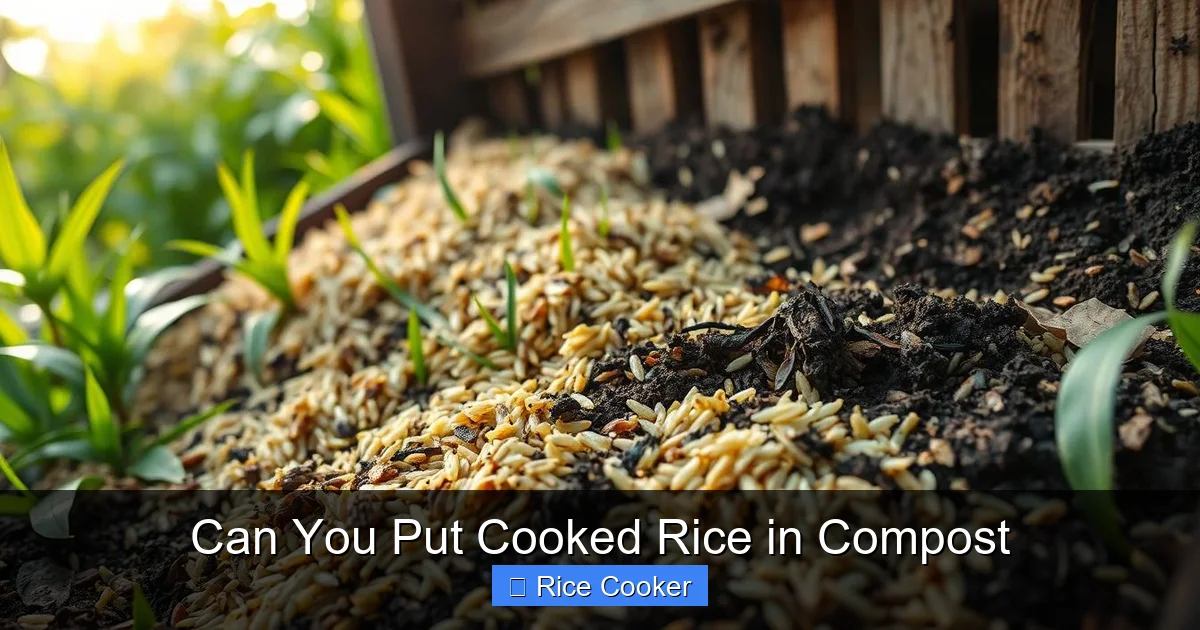
Visual guide about Can You Put Cooked Rice in Compost
Image source: compostcharm.co.uk
Not all rice is created equal when it comes to composting. For starters, **only compost fully cooked rice**. Raw rice is another story entirely. While technically organic, uncooked rice grains are dense, waxy, and designed to survive years underground before sprouting. They resist decomposition far better than their cooked counterparts—and worse, they can absorb moisture from the environment and actually swell up, potentially causing issues in enclosed bins or even starting unwanted germination.
So always check your leftovers: if the rice has been heated and cooled (like after a meal), it’s safe to compost. Avoid adding rice that’s still in its original packaging or hasn’t been exposed to cooking temperatures.
Also, stick to plain white or brown rice unless specified otherwise. Some specialty varieties might contain additives or coatings that aren’t ideal for composting, though in most cases, even flavored rice (without meat or dairy) should be fine. However, if your rice includes sauces, oils, meats, or cheeses, it’s best to leave those out. Those items can attract pests or create odors, and some—like dairy—can sour and slow down the entire composting process.
How to Add Cooked Rice to Your Compost Pile
Visual guide about Can You Put Cooked Rice in Compost
Image source: metrocookingdallas.com
Adding cooked rice to your compost is simple, but a few best practices ensure success:
Start by breaking up large clumps. If you’ve got a big portion of leftover rice from a family dinner, crush it into smaller pieces before tossing it in. Smaller surface area = faster breakdown. Think of it like tearing up cardboard instead of feeding whole sheets to your worms.
Next, layer appropriately. Don’t dump all your rice into one spot—spread it evenly across the pile. This prevents anaerobic pockets where decomposition slows down or produces unpleasant smells. Aim for a mix similar to the classic “greens and browns” ratio: one part nitrogen-rich materials (like rice) to two parts carbon-heavy ones (such as dried leaves or shredded paper).
If you’re using a tumbling composter or indoor bin, stir frequently to aerate the contents. Aeration helps oxygen-loving microbes thrive and keeps things moving along smoothly.
Finally, monitor moisture levels. Rice holds onto water, so if you’ve added a lot of wet rice, your pile might become too soggy. The ideal compost feels like a damp sponge—not dripping wet. If yours starts smelling funky or slimy, add more dry browns and give it a good turn.
Tips for Different Composting Methods
Different setups require slightly different approaches:
– Outdoor windrows or open piles: Bury the rice under several inches of other compostable materials. This hides it from animals and speeds up decomposition while reducing odor.
– Tumbling composters: Add rice in moderation—no more than a cup at a time—and rotate regularly to prevent clumping.
– Vermicomposting (worm bins): Feed worms small amounts of finely chopped rice daily. Too much at once can overwhelm them or create ammonia buildup. Remember, worms prefer soft, wet foods like fruit peels over fibrous grains.
– Bokashi systems: While not traditional composting, Bokashi bins ferment all food waste, including rice. After fermentation, bury the pre-composted mash in soil to finish the process.
Each method has its quirks, but the golden rule remains: balance, moisture, and aeration.
Common Mistakes When Composting Cooked Rice
Even experienced composters make errors—especially when dealing with something as seemingly harmless as leftover rice. Here are the top mistakes to avoid:
1. Adding too much at once. A single large serving can overwhelm your pile, leading to excess moisture and potential mold growth. Instead, spread out additions over days or weeks.
2. Not mixing with browns. Without enough carbon material, your compost turns anaerobic and stinky. Always pair rice with dry, airy inputs.
3. Leaving rice exposed on top. This invites pests like flies, rodents, and raccoons. Bury it deep within the pile or cover with fresh layers.
4. Using seasoned or fried rice. Grease, salt, and spices interfere with microbial health. Stick to plain boiled or steamed rice whenever possible.
5. Assuming all rice is safe. As mentioned earlier, raw rice doesn’t belong in active compost. It may also act as a seed bank, sprouting in your finished compost and invading gardens later.
By sidestepping these pitfalls, you’ll keep your compost healthy, efficient, and odor-free.
Environmental Benefits of Composting Cooked Rice
Beyond personal satisfaction, composting cooked rice contributes positively to the planet. Food waste accounts for nearly 20% of landfill volume in many countries, and when buried, it generates methane—a greenhouse gas far more potent than CO₂. By diverting rice from landfills and returning it to the soil via compost, you’re helping reduce emissions and conserve resources.
Additionally, home composting reduces reliance on synthetic fertilizers, which often leach into waterways and damage ecosystems. Homemade compost improves soil structure, retains moisture, and supports beneficial soil organisms—all without chemical inputs.
On a smaller scale, every kilogram of rice saved from landfill becomes potential energy for future plant growth. Imagine your morning oatmeal being grown from tomatoes fertilized with compost made from last night’s stir-fry—including the rice! It’s a beautiful cycle of sustainability.
Alternatives to Traditional Composting
While traditional composting works wonders, sometimes space, time, or local regulations limit options. Fortunately, there are alternatives:
Compostable bags: If you live in an apartment without outdoor access, look for certified compostable bags containing rice. These break down in industrial facilities designed for food scraps.
Community compost programs: Many cities offer drop-off locations for organic waste. Check local government websites for details near you.
Animal feed (if appropriate): Chickens and ducks enjoy eating cooked rice, though moderation is key to avoid nutritional imbalances.
However, for most households, integrating cooked rice into a well-managed compost system remains the simplest, most effective approach.
Final Thoughts: Yes, You Can (And Should!) Compost Cooked Rice
So, can you put cooked rice in compost? The short answer is a resounding yes. With proper technique, it becomes a dynamic contributor to healthy, productive compost. From speeding up decomposition to enriching garden beds, rice offers tangible benefits when handled correctly.
The key takeaway? Balance, timing, and awareness matter more than quantity. Treat cooked rice like any other green compost material—mix it in, bury it, and let nature do its work. Over time, you’ll notice richer soil, happier plants, and fewer trips to the landfill.
Whether you’re a seasoned gardener or just starting your eco-journey, embracing everyday items like cooked rice in your compost routine is a small step with big impact. So next time you’re clearing the table, don’t toss that rice bowl—grab your shovel and turn it into tomorrow’s fertilizer.
Frequently Asked Questions
Can you compost raw rice?
No, raw rice should not be composted because it resists decomposition and may sprout in your finished compost. Only fully cooked rice is suitable for composting.
Does cooked rice attract pests?
Yes, if left exposed. Always bury cooked rice deep in your compost pile or use a closed bin to prevent attracting rodents, flies, or other animals.
How much cooked rice can I add at once?
It’s best to add cooked rice gradually—no more than a cup per week in most home compost systems. Overloading can disrupt the balance.
Can I compost fried rice?
Only plain fried rice without grease, meat, or dairy is acceptable. Oils and fats can harm compost microorganisms and attract pests.
Will worms eat cooked rice?
Yes, red wigglers enjoy small amounts of cooked rice as part of their diet in vermicomposting systems. Chop it finely and feed sparingly.
How long does cooked rice take to decompose?
Under ideal conditions, cooked rice typically breaks down within 2–6 weeks. Factors like temperature, moisture, and particle size affect the rate.