
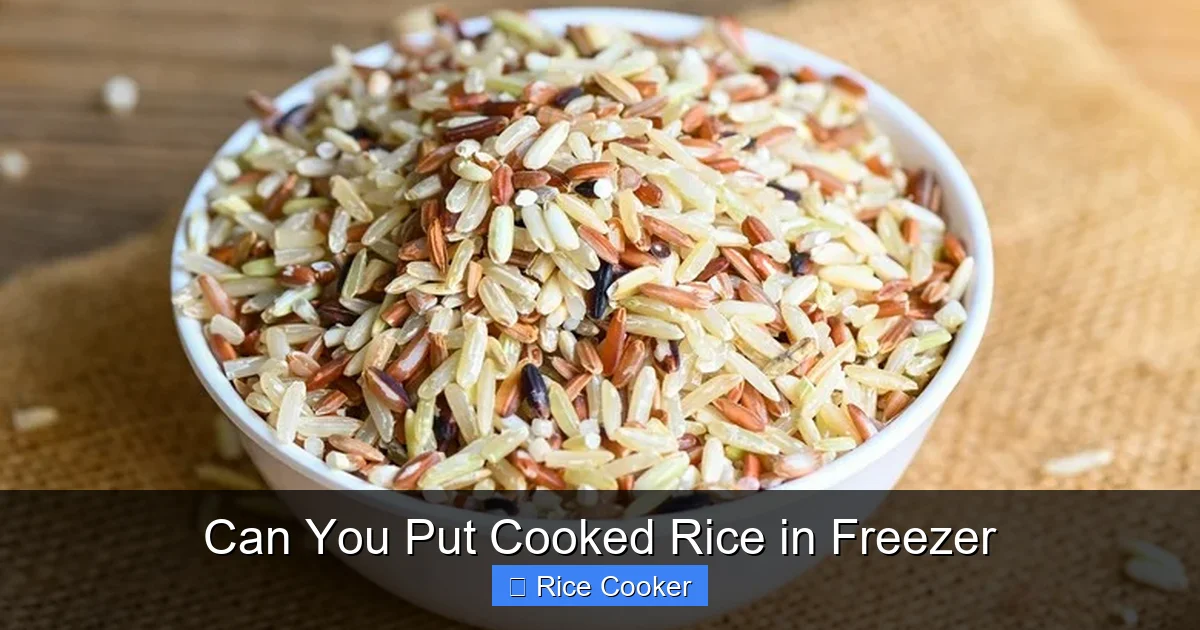
Yes, you can freeze cooked rice, but doing it the right way ensures it stays safe and tastes great later. Freezing rice is a smart move for meal prep, reducing food waste, and saving time when you need quick meals. Just follow simple steps like cooling quickly and storing properly.
Key Takeaways
- Freezing cooked rice is safe and effective when done correctly—it helps prevent bacterial growth and extends shelf life.
- Cool rice quickly before freezing to avoid condensation, which can lead to mushy texture or spoilage.
- Use airtight containers or freezer bags to protect rice from freezer burn and odors.
- Label and date your frozen rice so you know how long it’s been stored—best used within 3 months.
- Reheating frozen rice properly restores its texture; steam it with a bit of water or heat it in a microwave with a damp paper towel.
- Freezing prevents Bacillus cereus growth, a bacteria that can survive normal cooking and thrive if rice cools slowly.
- Portion control makes thawing easier—freeze small batches (1–2 cups) for quick access later.
[FEATURED_IMAGE_PLACEHOLDER]
Can You Put Cooked Rice in Freezer? A Complete Guide
If you love making large batches of rice for meal prep or just hate wasting leftover rice, you might be wondering: Can you put cooked rice in the freezer? The short answer is yes—you absolutely can. In fact, freezing cooked rice is one of the safest and most practical ways to preserve it. Not only does it help reduce food waste, but it also gives you a quick, ready-to-eat base for stir-fries, fried rice, casseroles, and more.
But before you start tossing leftovers into the freezer, it’s important to understand the best practices. Freezing rice incorrectly—like leaving it out too long or not storing it properly—can lead to texture issues, spoilage, or even foodborne illness. That’s why this guide walks you through everything you need to know about freezing cooked rice, from safety tips to storage methods and reheating tricks.
Why Freeze Cooked Rice?
Rice is a staple in many diets around the world, and it’s easy to overcook or make too much. Instead of throwing it away, freezing is a smart solution. Here are some key benefits:
- Saves time: Having pre-cooked rice on hand means faster meal assembly.
- Reduces food waste: No more sad, day-old rice stuck in the fridge.
- Maintains safety: Properly frozen rice is less likely to grow harmful bacteria.
- Preserves quality: With correct freezing, rice retains its texture and flavor.
Whether you’re cooking for a crowd, prepping for the week, or just want backup for those last-minute dinner ideas, freezing cooked rice is a game-changer.
The Science Behind Freezing Cooked Rice
Understanding Bacillus Cereus
One of the biggest concerns people have about storing cooked rice is the risk of Bacillus cereus, a type of bacteria that can cause food poisoning. This bacterium produces spores that survive normal cooking temperatures. If cooked rice is left at room temperature for too long, these spores can multiply and produce toxins that aren’t destroyed by reheating.
Freezing rice slows down bacterial growth significantly. While freezing doesn’t kill all bacteria, it halts their activity, giving you a safe window to use the rice later—as long as it’s handled properly.
How Freezing Affects Texture
When rice freezes, the moisture inside forms ice crystals. If not managed well, these crystals can break down cell walls, leading to a mushy or gummy texture when thawed. However, this issue is avoidable with proper techniques like rapid cooling and portioning.
Also, rice tends to absorb flavors better after freezing, which is great if you’re adding sauces or seasonings later. Just remember to avoid over-salting before freezing, as salt can affect texture when reheated.
How Long Can You Store Cooked Rice in the Freezer?
Cooked white rice can safely stay in the freezer for up to 3 months. Brown rice, due to its higher oil content, may begin to develop off-flavors sooner—ideally, consume it within 2 months.
While rice won’t spoil immediately in the freezer, quality decreases over time. After 3 months, it may start to lose moisture, become dry, or develop freezer burn. Always check for signs of damage before using.
Pro tip: Use a freezer-safe container and leave a little headspace (about ½ inch) to allow for expansion during freezing. This prevents cracking and keeps the rice intact.
Step-by-Step Guide: How to Freeze Cooked Rice Properly
Step 1: Cool the Rice Quickly
Don’t let cooked rice sit at room temperature for more than 1 hour. Bacteria multiply rapidly between 40°F and 140°F (4°C and 60°C), known as the “danger zone.”
To cool rice fast:
– Spread it in a shallow pan or tray.
– Stir occasionally to release heat.
– Place it in the refrigerator or freezer for the first 30 minutes.
This rapid cooling reduces the chance of bacterial growth and prepares it for safe storage.
Step 2: Portion the Rice
Divide the cooled rice into single or double servings. Use measuring cups or small containers to keep portions consistent. This makes thawing and reheating faster and more convenient.
Avoid freezing rice in large blocks unless you plan to use it all at once. Large amounts take longer to thaw and may warm unevenly.
Step 3: Pack It Right
Use airtight containers or heavy-duty freezer bags. Squeeze out excess air before sealing—this minimizes freezer burn.
If using bags, lay them flat so they stack neatly and take up less space. Label each bag with the date and contents for easy identification.
Step 4: Freeze Flat (If Using Bags)
For freezer bags, place them flat in the freezer. This speeds up freezing and saves space. Once frozen solid, you can stand them upright or stack them.
Alternatively, use silicone ice cube trays to freeze rice into small cubes. These are perfect for adding rice directly to soups or sauces without thawing.
Best Containers and Storage Tips
Choosing the right storage method matters for both convenience and food safety. Here’s what works best:
- Glass containers: Great for durability and reheating, but heavier and more breakable.
- Plastic freezer bags: Lightweight and space-saving; ideal for small portions.
- Silicone molds: Reusable and perfect for portion control.
- Airtight plastic containers: Good balance of protection and ease of use.
Avoid using regular plastic wrap or open containers—they don’t block air or moisture effectively.
Another tip: double-wrap rice in foil or parchment paper inside the container for extra protection against odors and freezer burn.
How to Reheat Frozen Cooked Rice
Thawing rice doesn’t require refrigeration—just let it sit at room temperature for 15–30 minutes. Or, thaw it in the microwave using the defrost setting.
Microwave Method
- Place rice in a microwave-safe dish.
- Add 1 tablespoon of water per cup of rice.
- Cover with a damp paper towel or vented lid.
- Heat in 30-second intervals, stirring between each, until hot throughout.
This method adds moisture back and prevents drying out.
Stovetop Method
- Transfer rice to a saucepan.
- Add a splash of water or broth.
- Cook over medium heat, stirring frequently, until heated through.
For stir-fries or fried rice, heat oil in a pan and cook frozen rice directly—no need to thaw first!
Oven Method
- Preheat oven to 350°F (175°C).
- Place rice in an oven-safe dish with a lid or aluminum foil.
- Steam for 10–15 minutes until warmed through.
This is best for larger batches or casserole recipes.
Meal Prep Ideas Using Frozen Rice
Frozen rice is a lifesaver for busy weeks. Here are some creative ways to use it:
- Fried Rice: Sauté frozen rice with eggs, vegetables, soy sauce, and your favorite protein.
- Casseroles: Mix rice with cheese, beans, and veggies for a hearty bake.
- Risotto: Add hot broth gradually while stirring for creamy perfection.
- Stuffed Peppers: Fill bell peppers with rice, meat, and sauce, then bake.
- Salads: Thaw and mix with fresh veggies, herbs, and dressing for cold dishes.
You can even freeze rice with mild seasonings (like garlic or herbs) for flavor boosts without extra work.
Common Mistakes to Avoid
Even experienced cooks make errors when freezing rice. Here’s how to dodge the pitfalls:
- Leaving rice out too long: Never let cooked rice sit beyond 1 hour at room temperature.
- Using non-freezer-safe containers: Regular jars or bags may crack or leak.
- Not labeling: You’ll forget how long it’s been stored—leading to potential waste.
- Overfilling containers: Rice expands when frozen; leave space to prevent cracking.
- Thawing on the counter overnight: This brings rice back into the danger zone. Thaw in the fridge or microwave instead.
Can You Freeze Different Types of Rice?
Most types of cooked rice can be frozen, but some handle it better than others.
White Rice
Best choice for freezing. It has a neutral flavor and holds up well in texture when stored properly.
Brown Rice
Can be frozen, but oils in brown rice can go rancid over time. Use within 2 months and store in airtight containers.
Wild Rice
Works well frozen, though it may separate slightly when reheated. Stir well after thawing.
Sushi Rice
Not recommended for freezing. It absorbs too much water and becomes sticky and unpalatable.
Jasmine and Basmati Rice
These aromatic varieties freeze well and can add fragrance to dishes when reheated.
Does Freezing Kill Bacteria in Rice?
No, freezing does not kill bacteria—it only stops their growth. That’s why it’s critical to cool rice quickly and store it properly before freezing. Once thawed and reheated, rice should be consumed immediately to avoid recontamination.
Always follow safe food handling practices: wash hands, clean surfaces, and use fresh ingredients when combining frozen rice with other foods.
Signs Your Frozen Rice Has Gone Bad
Before using frozen rice, check for these warning signs:
- Off smell: Rancid or sour odor indicates spoilage.
- Discoloration: Gray, yellow, or green patches suggest mold or freezer burn.
- Texture changes: Excessive dryness, clumping, or mushiness may mean poor storage.
- Ice crystals: Large crystals indicate repeated thawing and refreezing, which degrades quality.
If any of these are present, discard the rice—don’t risk foodborne illness.
Creative Uses for Frozen Rice Beyond Basic Meals
Don’t limit yourself to plain reheating. Frozen rice opens up a world of culinary possibilities:
- Rice Pudding: Warm rice with milk, sugar, and spices for a comforting dessert.
- Rice Bread or Muffins: Use as a binder in gluten-free baking.
- Energy Bites: Mix with oats, nut butter, and honey for no-bake snacks.
- Rice Cakes: Toast and serve with avocado or hummus.
- Smoothie Boosters: Add a spoonful to protein shakes for extra fiber.
Get creative—frozen rice isn’t just for savory dishes!
Final Thoughts: Is Freezing Cooked Rice Worth It?
Absolutely. Freezing cooked rice is a simple, safe, and efficient way to manage leftovers, cut down on waste, and simplify meal prep. With the right techniques—quick cooling, proper packaging, and labeled storage—you’ll enjoy rice that tastes fresh and holds up well over time.
Whether you’re a home cook looking to save time or someone trying to reduce food costs, freezing rice is a habit worth adopting. Just remember: speed matters when cooling, and airtight containers make all the difference.
So next time you have extra rice, don’t toss it. Pop it in the freezer, and you’ll thank yourself later when hunger strikes and dinner needs to happen fast.
This is a comprehensive guide about can you put cooked rice in freezer.
Key Takeaways
- Understanding can you put cooked rice in freezer: Provides essential knowledge
Frequently Asked Questions
Is it safe to freeze cooked rice?
Yes, freezing cooked rice is completely safe when done properly. It prevents bacterial growth and extends shelf life. Just ensure it’s cooled quickly and stored in airtight containers.
How long does frozen rice last?
Cooked white rice lasts up to 3 months in the freezer, while brown rice is best used within 2 months due to its higher oil content.
Should I thaw frozen rice before reheating?
Not necessarily. For stir-fries or fried rice, you can cook frozen rice directly in a pan. For other dishes, thaw it in the microwave or let it sit at room temperature for 15–30 minutes.
Can I freeze rice with sauce or seasoning?
Yes, but avoid strong flavors like vinegar or citrus, as they can change texture upon reheating. Mild sauces like tomato or curry work well.
Does freezing ruin the taste of rice?
No, if done correctly. Freezing preserves flavor and can even enhance it by allowing rice to absorb seasonings better during reheating.
Can I refreeze rice after thawing?
It’s not recommended. Each thawing increases the risk of bacterial growth. Use thawed rice promptly and don’t refreeze unless you cook it thoroughly first.