
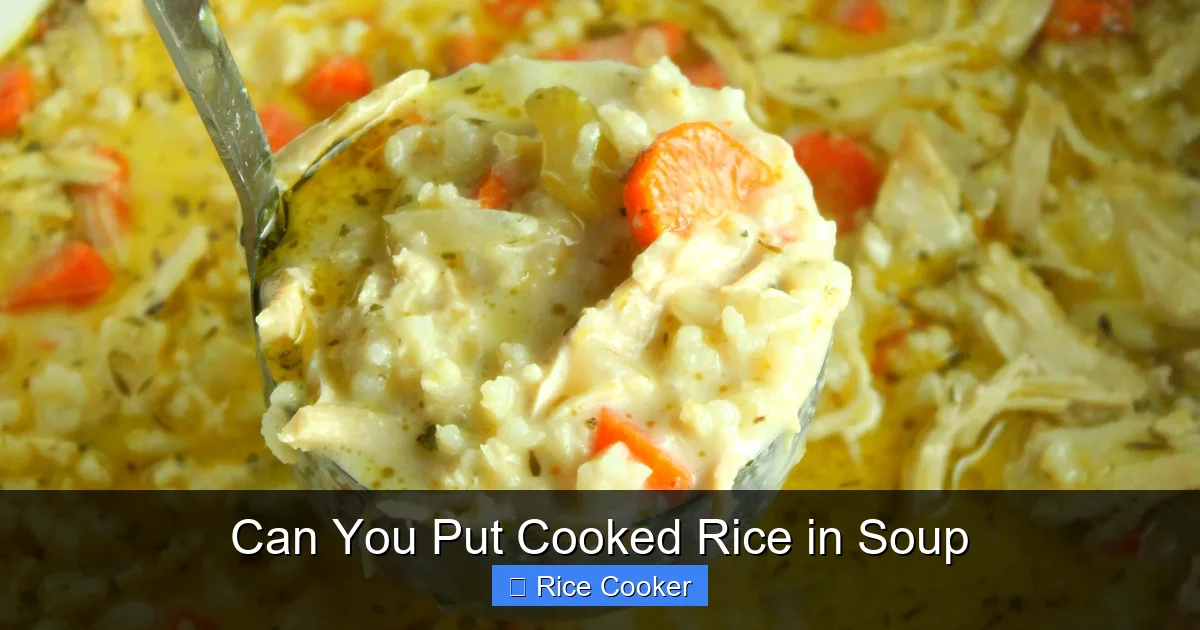
Can you put cooked rice in soup? Absolutely — it’s a delicious, budget-friendly way to add heartiness, creaminess, and fiber to your favorite broths. Whether you’re using leftover grains or starting from scratch, combining cooked rice with soup enhances texture and makes meals more satisfying.
Key Takeaways
- Rice Adds Texture: Cooked rice brings softness and chewiness that balances rich broths and chunky vegetables.
- Enhances Flavor Absorption: Rice soaks up broth flavors over time, deepening taste without extra salt or fat.
- Boosts Nutritional Value: Adding rice increases carbohydrates, fiber, and essential B vitamins in your soup.
- Easy to Reheat & Combine: Leftover rice works perfectly — just stir into hot soup for instant comfort.
- Versatile in Many Cuisines: From Vietnamese pho to American gumbo and Italian minestrone, rice is a global soup staple.
- Tips for Success: Use slightly undercooked rice for better mouthfeel; avoid overcooking to prevent mushiness.
📑 Table of Contents
- Can You Put Cooked Rice in Soup? Yes — And Here’s Why It Works
- The Science of Flavor: Why Rice Absorbs Broth So Well
- Types of Rice Best Suited for Soup
- Practical Tips for Adding Cooked Rice to Soup
- Creative Ways to Use Cooked Rice in Different Soups
- Common Mistakes to Avoid When Combining Rice and Soup
- Health Benefits of Eating Rice in Soup
- Storage and Leftovers: How to Keep Your Rice-Soup Combo Fresh
- Frequently Asked Questions
- Conclusion: Embrace the Versatility of Rice in Soup
Can You Put Cooked Rice in Soup? Yes — And Here’s Why It Works
Have you ever found yourself staring into the fridge at yesterday’s leftover rice and a pot of simmering vegetable broth? Instead of tossing them out, why not combine them? Can you put cooked rice in soup? The short answer? Absolutely. In fact, doing so might just transform an ordinary bowl of broth into something extraordinary.
Soup and rice are a match made in culinary heaven — not just because they’re both comforting, but because they complement each other beautifully. Rice absorbs liquid like a sponge, soaking up flavors from herbs, spices, and sauces. This makes it an ideal companion for soups, stews, and broths. Whether you’re whipping up a quick weeknight meal or serving guests at a dinner party, adding cooked rice to soup is a simple trick that elevates both texture and taste.
In this guide, we’ll dive deep into everything you need to know about using cooked rice in soup. We’ll cover the science behind flavor absorption, explore different types of rice for various soups, share practical tips for perfect integration, and even suggest creative recipe ideas. By the end, you’ll feel confident adding rice to any soup — and maybe discover new favorites along the way.
The Science of Flavor: Why Rice Absorbs Broth So Well
Understanding why rice works so well in soup starts with knowing what happens when grains meet liquid. When rice is cooked, its starches break down and become gelatinous, creating a structure that readily soaks up surrounding liquids. This process is called flavor infusion, and it’s one of the reasons rice-based dishes like risotto or congee are so beloved.
Visual guide about Can You Put Cooked Rice in Soup
Image source: eurasiaherbs.co
Starch Gelatinization
When rice is boiled, heat causes the starch molecules inside to swell and burst. This releases amylose and amylopectin, which form a gel-like matrix that traps water and dissolved flavors. In soup, this means every grain becomes a tiny vessel carrying the essence of garlic, onions, tomatoes, or miso paste — all without needing extra seasoning.
Texture Transformation
Cooked rice also changes texture depending on how it’s prepared. Long-grain rice stays separate and fluffy, while short-grain varieties like sushi or jasmine rice become sticky and cling together. Both types absorb broth differently — long-grain rice adds lightness, while short-grain rice creates a thicker, creamier consistency.
Nutrient Synergy
Beyond flavor and texture, combining rice with soup boosts nutritional balance. Rice provides complex carbohydrates for sustained energy, while soups often contain vegetables, legumes, or lean proteins. Together, they create a complete meal that’s both filling and nourishing.
Types of Rice Best Suited for Soup
Not all rice is created equal — and some work better in soup than others. Choosing the right variety depends on your desired outcome: light and airy? Try basmati. Creamy and cohesive? Go for arborio or sushi rice. Let’s break down the top picks.
Visual guide about Can You Put Cooked Rice in Soup
Image source: nogettingoffthistrain.com
Long-Grain Rice (Jasmine, Basmati, White)
These grains remain distinct when cooked and absorb broth slowly. Jasmine rice, popular in Thai cuisine, pairs wonderfully with coconut-based soups like tom kha gai. Basmati rice shines in Indian lentil soups such as dal tadka, where its nutty flavor enhances spice blends.
Short-Grain Rice (Arborio, Sushi, Glutinous)
High in amylopectin, these sticky grains create a creamy texture ideal for soups that benefit from thickness. Arborio rice is famously used in Italian risotto, but it also works great in mushroom or tomato-based broths. Glutinous rice, common in Southeast Asian desserts, adds chewiness to savory soups like Vietnamese bun bo Hue.
Brown Rice (Medium- or Long-Grain)
Though it takes longer to cook, brown rice holds its shape better in soup and adds extra fiber and nutrients. Try it in hearty bean soups or miso-based broths for a nuttier, earthier bite.
Instant or Pre-Cooked Rice
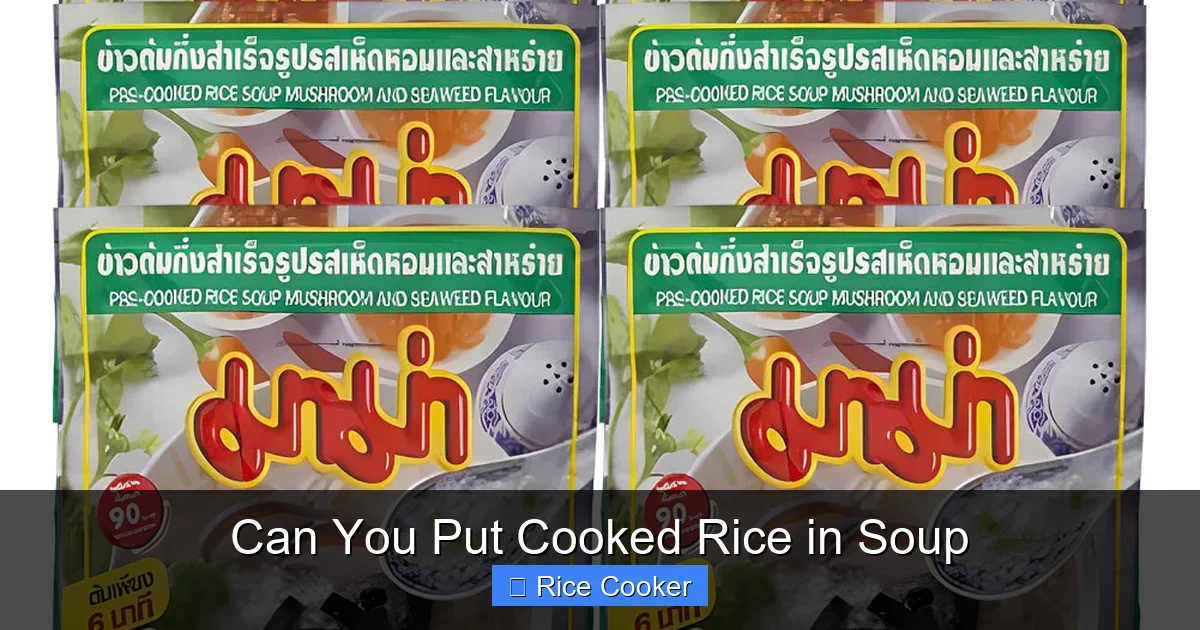
For convenience, many brands offer pre-cooked rice sold in cups or bags. These are fine for quick additions to soup — just heat them briefly with broth before stirring in. Avoid those labeled “microwaveable” if you’re concerned about sodium content, though most plain varieties are low-salt.
Practical Tips for Adding Cooked Rice to Soup
Ready to try it? Follow these easy steps to ensure your rice-soup combo turns out perfectly every time.
1. Start With Properly Cooked Rice
Undercooked rice won’t soften in soup, while overcooked rice risks becoming mushy. Aim for al dente grains that still have a slight firmness — especially if you’re using long-grain types. If you’re unsure, cook rice slightly firmer than usual, then let it rest covered for 5 minutes before adding to soup.
2. Warm the Rice First
Never add cold rice directly to boiling soup. Doing so lowers the temperature too much and may cause uneven heating. Instead, warm the rice gently in a saucepan with a splash of broth or water for 2–3 minutes until heated through.
3. Stir Gently to Distribute
Once warmed, stir the rice into the soup gradually. This helps distribute flavors evenly and prevents clumping. For chunky soups, fold in small portions at a time.
4. Adjust Cooking Time
If your soup is already thick, you may only need to heat the rice briefly. For thin broths like consommé, allow the rice to simmer for 5–10 minutes to fully absorb liquid.
5. Balance Consistency
Too much rice can make soup overly heavy. As a rule of thumb, use about ½ cup cooked rice per serving. Thin soups tolerate more; thick ones like chowders should stay lighter.
6. Season After Adding Rice
Rice absorbs salt quickly, so taste-test after incorporating it. You might need a pinch more pepper, soy sauce, or herbs to round out the flavor.
Creative Ways to Use Cooked Rice in Different Soups
The beauty of rice in soup lies in its adaptability. Below are five inspired combinations across cuisines and styles — all showcasing how rice transforms broth into something unforgettable.
African Peanut Stew with Brown Rice
Swap traditional noodles or potatoes for chewy brown rice in this West African classic. The nutty grain stands up to bold peanut butter, tomatoes, and warming spices like cumin and paprika. Serve with crusty bread for dipping.
Vietnamese Pho-Style Noodle-Free Broth
Skip the rice noodles and use broken-up cooked jasmine rice instead. The result is a texturally fun, aromatic broth packed with star anise, ginger, and beef or chicken stock. Top with bean sprouts, lime, and cilantro for an authentic twist.
Italian Minestrone with Farro
Farro — a ancient grain similar to wheat berries — makes a fantastic rice substitute in minestrone. Its toothsome bite complements beans, zucchini, carrots, and pasta. Finish with a drizzle of olive oil and fresh basil.
Thai Coconut Curry Soup with Basmati
Instead of egg noodles, stir in fluffed-up basmati rice into a creamy coconut curry soup. The subtle floral notes of jasmine rice enhance red or green curry paste without overpowering the dish.
American Chicken and Dumpling Alternative
Make “chicken and rice” soup by simmering shredded chicken, celery, onions, and carrots in broth, then mixing in warm cooked white rice. Add a touch of thyme and lemon zest for brightness. It’s comfort food reimagined.
Common Mistakes to Avoid When Combining Rice and Soup
Even experienced cooks occasionally stumble when blending rice and soup. Recognizing these pitfalls helps you avoid disappointment and ensures consistent results.
Mistake #1: Using Cold or Stale Rice
Cold rice doesn’t heat evenly and can disrupt the soup’s temperature. Stale rice loses moisture and becomes hard. Always use freshly cooked or refrigerated rice (stored properly) and warm it before adding.
Mistake #2: Overcrowding the Pot
Adding too much rice at once can dilute flavors and make the soup watery. Add rice incrementally and check consistency frequently.
Mistake #3: Neglecting Texture Balance
If your soup is already thick, adding dense rice may make it gloopy. Conversely, skimpy rice in a large volume of broth yields bland bites. Adjust quantities based on your soup’s base.
Mistake #4: Skipping Salt After Adding Rice
Rice soaks up salt rapidly. Taste after incorporation and adjust seasonings accordingly. A quick swirl of fish sauce or a squeeze of citrus can brighten muted flavors.
Mistake #5: Not Stirring Enough
Uneven distribution leads to clumps and inconsistent flavor. Gentle, frequent stirring ensures every spoonful is well-coated.
Health Benefits of Eating Rice in Soup
Beyond taste and texture, pairing rice with soup offers several health perks — especially when whole grains are involved.
Improved Digestibility
Softer rice is gentler on sensitive stomachs. This makes rice-soup combos ideal for recovery meals or kids’ lunches.
Balanced Macronutrients
Rice supplies steady glucose release, while soups often include protein and fiber-rich veggies. Together, they support stable blood sugar and satiety.
Hydration Boost
Soups are mostly water, and when paired with rice, they help maintain electrolyte balance — useful during illness or hot weather.
Lower Glycemic Load (with Whole Grains)
Brown rice has a lower glycemic index than white rice, meaning it digests slower and causes fewer insulin spikes. Opt for brown rice in diabetic-friendly or weight-conscious recipes.
Storage and Leftovers: How to Keep Your Rice-Soup Combo Fresh
Planning ahead pays off. Knowing how to store and reheat rice-soup mixtures ensures you always have a tasty meal ready.
Refrigeration Tips
Let cooled soup-rice mixtures sit uncovered for 15 minutes before sealing. This prevents condensation and sogginess. Store in airtight containers for up to 4 days.
Freezing Methods
Portion into ice cube trays for single servings, then transfer to freezer bags. Label with date and contents. Thaw overnight in fridge or reheat directly from frozen with a splash of broth.
Reheating Without Drying Out
Microwave on high with a lid tilted slightly open to vent steam. Stir halfway through. Alternatively, simmer on stove with extra broth to restore moisture.
Avoiding Mushiness
Don’t refreeze thawed rice-soup unless immediately consumed. Repeated freezing-thawing breaks down cell walls, leading to mush.
Frequently Asked Questions
Does the type of rice matter when adding it to soup?
Yes! Short-grain rice creates creamier soups, while long-grain stays separate. Choose based on desired texture. Avoid instant rice if you prefer firm grains.
Can I use frozen rice from the grocery store?
Absolutely — just microwave it with a bit of water first, then stir into hot soup. Check labels for added sodium and rinse if needed.
Will rice make my soup too thick?
It can, especially in broths. Start with small amounts (¼–½ cup per serving) and adjust. Add broth gradually until you reach desired consistency.
Is it safe to add cold rice to boiling soup?
No. Cold rice lowers soup temperature too much and may lead to uneven cooking. Warm rice gently before adding.
How do I prevent rice from turning mushy in soup?
Use slightly undercooked rice initially, avoid prolonged simmering, and don’t overmix. Short-grain rice holds up best in liquids.
Can I make soup entirely from rice and water?
Technically yes — but it’s usually reserved for porridges like congee. Most soups benefit from vegetables, proteins, or fats for flavor and nutrition.
Conclusion: Embrace the Versatility of Rice in Soup
So, can you put cooked rice in soup? Not only can you — you should! This humble grain brings texture, flavor depth, and nutritional balance to countless soup recipes. From quick weekday dinners to elaborate international dishes, rice proves itself as a reliable, delicious partner in broth.
Whether you’re working with leftover grains, experimenting with global flavors, or simply craving something warm and satisfying, combining cooked rice with soup is a win-win. Remember to choose the right rice variety, warm it gently, and trust your taste buds to guide seasoning adjustments. With these tips in hand, you’re ready to turn any pot of soup into a memorable bowl of comfort.
Next time you’re near the rice cooker and a simmering pot, don’t hesitate. Grab that rice, stir it in, and enjoy the magic that happens when two simple ingredients come together.
Frequently Asked Questions
Does the type of rice matter when adding it to soup?
Yes! Short-grain rice creates creamier soups, while long-grain stays separate. Choose based on desired texture. Avoid instant rice if you prefer firm grains.
Can I use frozen rice from the grocery store?
Absolutely — just microwave it with a bit of water first, then stir into hot soup. Check labels for added sodium and rinse if needed.
Will rice make my soup too thick?
It can, especially in broths. Start with small amounts (¼–½ cup per serving) and adjust. Add broth gradually until you reach desired consistency.
Is it safe to add cold rice to boiling soup?
No. Cold rice lowers soup temperature too much and may lead to uneven cooking. Warm rice gently before adding.
How do I prevent rice from turning mushy in soup?
Use slightly undercooked rice initially, avoid prolonged simmering, and don’t overmix. Short-grain rice holds up best in liquids.
Can I make soup entirely from rice and water?
Technically yes — but it’s usually reserved for porridges like congee. Most soups benefit from vegetables, proteins, or fats for flavor and nutrition.