
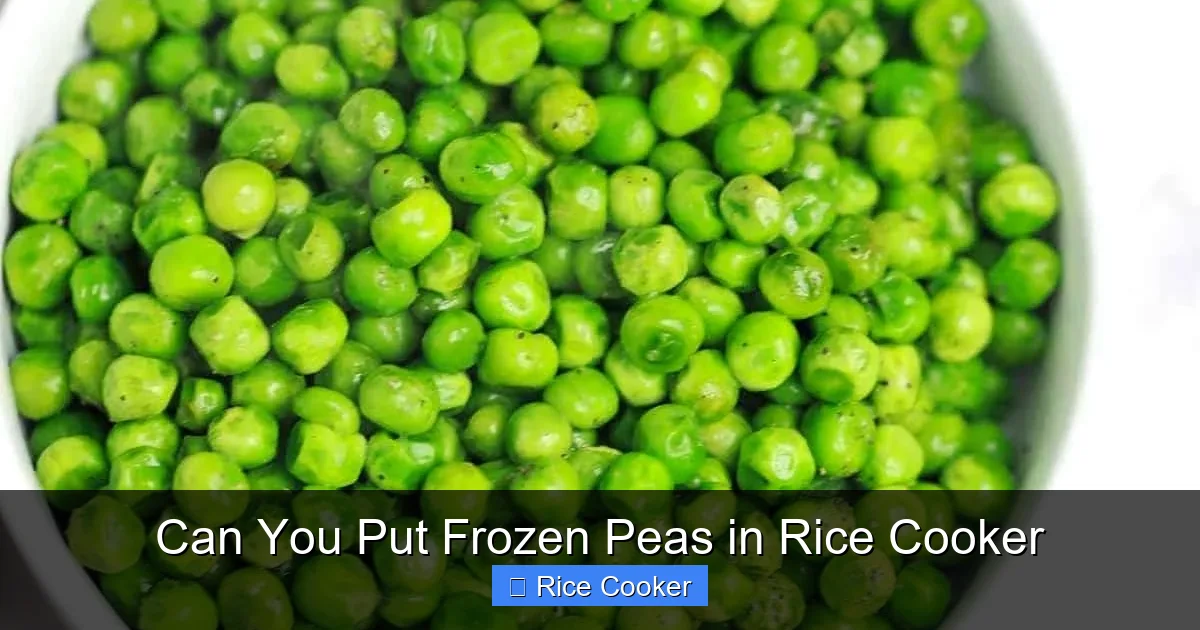
You can definitely toss frozen peas into your rice cooker—it’s a smart, time-saving trick that works surprisingly well. No need to thaw them first, and they’ll cook evenly with minimal effort. Whether you’re making a quick side dish or adding veggies to your meal, the rice cooker handles it like a pro.
Can You Put Frozen Peas in Rice Cooker?
Imagine this: it’s 6 p.m., you’re hungry, and you’ve got a bag of frozen peas and a pot of rice on the go. But wait—do you really have to thaw those peas first? Or can you just toss them right into the rice cooker with the rest of the ingredients? The short answer is yes—you absolutely can put frozen peas in your rice cooker. In fact, it’s not only possible, but it might be easier than you think. With the right technique, you can cook both rice and peas together, creating a balanced, flavorful meal in under 30 minutes. Whether you’re a busy parent, a college student, or someone who just loves simple cooking, this method could become your new kitchen hack.
The beauty of the rice cooker lies in its ability to handle multiple ingredients at once. Unlike traditional stovetop cooking, where timing and temperature control can be tricky, the rice cooker does the heavy lifting for you. It maintains consistent heat and releases steam in a controlled way, which means your frozen peas won’t turn into a slushy mess—they’ll stay firm and bright green. Plus, since peas are small and uniform in size, they cook quickly and evenly, especially when paired with rice, which acts as a natural heat conductor.
In this article, we’ll walk you through everything you need to know about using frozen peas in your rice cooker. From step-by-step instructions to creative recipe ideas, you’ll learn how to make the most of this convenient kitchen appliance. So grab your rice cooker, open that bag of frozen peas, and let’s get cooking!
How to Cook Frozen Peas in a Rice Cooker
Cooking frozen peas in a rice cooker is simpler than you might imagine. The key is knowing the right amount of water, the correct timing, and how to layer your ingredients. Most standard rice cookers come with a measuring cup (usually 180 ml) and follow a rice-to-water ratio of about 1:1.2 to 1:1.5. When adding peas, you don’t need to adjust the water much—just keep in mind that peas absorb some moisture as they thaw and cook.
Start by rinsing your rice thoroughly if you’re using white rice. Then place it into the inner pot of the rice cooker. Add water according to the manufacturer’s instructions. Next, simply scatter the frozen peas over the rice—no need to defrost them first. Stir gently to distribute the peas evenly, then close the lid and press the “Cook” button. Most rice cookers have preset timers, so you don’t need to monitor the process.
Once the cycle completes, let the rice cooker sit for 5–10 minutes before opening the lid. This resting period allows residual steam to finish cooking any remaining frozen bits. After that, fluff the rice with a fork and give the peas a light stir. They should be tender, vibrant green, and ready to serve.
One important tip: avoid overloading the pot. If you’re cooking a large batch of rice, make sure there’s still enough room for the peas to move around and cook properly. A general rule is to use no more than 1–2 cups of peas per 1 cup of uncooked rice. Too many peas can slow down the cooking process and lead to uneven results.
Benefits of Cooking Frozen Peas in a Rice Cooker
There are several advantages to using your rice cooker for peas. First, convenience tops the list. No stove? No problem. Just plug in your rice cooker and let it do the work. This is especially helpful during hot summer months when you want to avoid heating up the kitchen.
Second, energy efficiency matters. Rice cookers use less electricity than stovetops or microwaves, making them an eco-friendly option. They also reduce cleanup—only one pot needs washing instead of multiple pans and utensils.
Third, cooking peas in a rice cooker preserves their nutrients better than boiling. Since the peas aren’t submerged in water for long periods, vitamins like vitamin C and folate remain intact. Plus, the gentle steam environment prevents leaching of nutrients into the water.
Finally, combining peas with rice creates a complete protein source. While rice provides lysine (an essential amino acid), peas contribute sulfur-containing amino acids like methionine. Together, they form a balanced meal that’s satisfying and nutritious.
Creative Ways to Use Frozen Peas in Your Rice Cooker
Don’t limit yourself to plain steamed peas! The rice cooker opens up endless possibilities for creative meals. Here are a few ideas to inspire you:
1. One-Pot Pea and Rice Bowl
Combine cooked rice, peas, diced tomatoes, onions, garlic, and a splash of soy sauce or teriyaki. Cook everything together for 20–25 minutes until flavors meld. Top with sesame seeds or chopped cilantro for freshness.
2. Creamy Pea Risotto (Rice Cooker Style)
Use Arborio or jasmine rice and cook with vegetable broth instead of water. Add frozen peas halfway through the cycle. Once done, stir in a dollop of sour cream or Parmesan cheese for a creamy texture.
3. Indian-Style Pea Pulao
Toast spices like cumin, turmeric, and cardamom in a bit of oil before adding rice and peas. Cook with water and a pinch of salt. Finish with fresh cilantro and a squeeze of lemon juice.
4. Veggie-Packed Fried “Rice”
After the rice cooker finishes, turn on the “Warm” function and sauté peas, carrots, bell peppers, and scrambled eggs in a bit of oil. Mix everything together for a quick fried rice alternative.
5. Pea and Lentil Stew
Add dried lentils or split peas to the rice cooker along with rice and peas. Cook with water and a bay leaf for 25–30 minutes. The result is a hearty, fiber-rich stew perfect for cold days.
Common Mistakes to Avoid
While cooking frozen peas in a rice cooker is straightforward, a few common mistakes can ruin the outcome. First, don’t skip rinsing the rice. Unwashed rice can become gummy or overly sticky, especially when combined with other ingredients.
Second, avoid adding too much salt early in the process. Salt draws out moisture, and if added too soon, it can dry out the peas or cause the rice to cook unevenly. Instead, season toward the end of the cycle.
Third, resist the urge to open the lid frequently. Every time you lift the lid, steam escapes, which slows down the cooking process. Let the rice cooker do its job undisturbed.
Fourth, don’t overfill the inner pot. Most rice cookers are designed to hold a specific volume. Adding too much rice or peas can block airflow and lead to undercooked spots.
Finally, remember that different rice cooker models behave slightly differently. Some have fuzzy logic settings, while others rely on simple timers. Always refer to your user manual for best results.
Tips for Perfect Peas Every Time
To ensure your peas come out tender yet firm, follow these expert tips:
- Use fresh frozen peas: Look for bags labeled “flash-frozen” to guarantee peak quality and flavor.
- Don’t overcrowd: Keep pea-to-rice ratios reasonable to maintain even heat distribution.
- Add herbs and aromatics: Toss in a sprig of thyme, a slice of ginger, or a cinnamon stick for extra depth.
- Let it rest: Allow the cooked mixture to sit for 5–10 minutes after the cycle ends.
- Fluff gently: Use a fork to separate grains and peas without mashing them.
Troubleshooting Common Issues
Even with the best intentions, things don’t always go smoothly. Here’s how to fix a few typical problems:
Peas Are Too Soft or Mushy
This usually happens when the peas cook longer than necessary. Reduce cooking time by 1–2 minutes next time. Also, avoid stirring too vigorously after cooking, as it breaks down the peas.
Rice Is Undercooked or Sticky
Check the water-to-rice ratio. Too little water leads to dry rice; too much makes it soggy. Stick to the recommended 1:1.2 ratio for white rice.
Peas Aren’t Fully Thawed
If some peas remain icy, simply stir them into the hot rice during the resting phase. The residual heat will finish thawing them.
Flavor Is Bland
Add salt, pepper, or spices near the end of cooking. Consider deglazing the pot with a splash of broth or vinegar after the cycle ends.
Nutritional Value of Peas
Frozen peas are packed with nutrients, and cooking them in a rice cooker helps retain most of their benefits. A one-cup serving of cooked peas contains approximately:
- 70 calories
- 4 grams of fiber
- 8 grams of protein
- Vitamin K, Vitamin C, and folate
- Antioxidants like carotenoids
They’re low in fat and sodium (if unsalted), making them ideal for heart-healthy diets. Including peas in your rice cooker meals boosts overall nutrition without adding calories.
Cleaning and Maintenance Tips
After cooking peas in your rice cooker, cleaning is simple. Most inner pots are non-stick and dishwasher-safe. Rinse immediately after use to prevent residue buildup. For stubborn spots, soak the pot in warm, soapy water before scrubbing.
Never immerse the base unit in water. Wipe it with a damp cloth and let it air-dry completely before storing. Regular maintenance ensures your rice cooker lasts for years and continues to perform reliably.
Comparing Methods: Rice Cooker vs. Microwave vs. Stovetop
So how does cooking peas in a rice cooker stack up against other methods?
Microwave:
Quick and easy, but often results in uneven heating. Peas may cook faster on one side while remaining frozen on the other. Also, microwaving doesn’t allow for combining with rice.
Stovetop Boiling:
Traditional but requires constant attention. You must watch the pot to prevent boiling over and track timing. Nutrient loss is higher due to prolonged exposure to high heat and water.
Rice Cooker:
Offers the best balance of speed, convenience, and nutrition. It cooks evenly, saves energy, and lets you multitask. The automated nature reduces human error and frees up your hands.
Safety Considerations
When handling frozen foods, always practice safe food handling. Wash your hands before and after touching raw frozen vegetables. Store leftover cooked peas in the refrigerator within two hours of cooking. Consume within 3–4 days for optimal freshness.
Avoid cross-contamination by using separate utensils for raw and cooked ingredients if preparing meat-based dishes in the same cooker.
Final Thoughts
Putting frozen peas in your rice cooker isn’t just possible—it’s practical, efficient, and delicious. Whether you’re whipping up a quick lunch or feeding a family dinner, this method delivers consistent results every time. With minimal effort and maximum flavor, you’ll wonder why you didn’t try it sooner.
Next time you open that freezer door, skip the microwave and head straight to your rice cooker. Your taste buds—and your schedule—will thank you.
Key Takeaways
- Frozen peas cook quickly: They only take 3–5 minutes in a rice cooker, even straight from the freezer.
- No pre-thawing needed: You can add frozen peas directly to the cooker without defrosting them first.
- Even cooking: The steam and heat distribute evenly, ensuring tender but not mushy peas.
- Great for mixed meals: Combine peas with rice, beans, or other grains for a complete one-pot meal.
- Saves time and energy: Using a rice cooker eliminates the need for a separate stove burner.
- Versatile uses: Ideal for soups, stir-fries, casseroles, or as a simple side dish.
- Tip: Add salt late: To prevent overcooking, add seasoning toward the end of the cycle.
Frequently Asked Questions
Can I put frozen peas in a rice cooker with rice?
Yes, you can add frozen peas directly to the rice cooker along with your rice. They’ll cook perfectly without needing to thaw first, and the steam helps soften them evenly.
How long do frozen peas take to cook in a rice cooker?
Frozen peas typically take 3–5 minutes to cook in a rice cooker, depending on the model and quantity. They’re done when tender but still bright green.
Do I need to thaw frozen peas before adding them to the rice cooker?
No, you don’t need to thaw frozen peas before cooking them in a rice cooker. Adding them straight from the freezer works just fine.
Can I cook other frozen vegetables with peas in the rice cooker?
Yes, you can mix frozen peas with other quick-cooking vegetables like corn, carrots, or green beans. Just be mindful of cooking times to avoid overcooking.
Will the rice cooker overcook the peas?
Most rice cookers have automatic shut-off features, so peas won’t overcook as long as you don’t manually extend the cycle. Keep an eye on them if you’re experimenting with timing.
Is it safe to eat frozen peas cooked in a rice cooker?
Absolutely. As long as the rice cooker is clean and used properly, cooking frozen peas in it is completely safe and hygienic.