

You can easily cook frozen vegetables directly in a rice cooker, making meal prep faster and more convenient than ever. Whether you’re adding them to plain rice or building a full stir-fry-style dish, the rice cooker handles it all—no thawing required. With the right settings and timing, frozen veggies come out tender, flavorful, and perfectly cooked every time. This simple method saves time, reduces waste, and helps you enjoy nutritious meals with minimal effort.
Imagine this: It’s 6 p.m., you’re tired after work, and you don’t feel like standing over a hot stove for an hour. You open your freezer and see a bag of mixed frozen vegetables—broccoli, carrots, peas, and corn. Your fridge is mostly empty, but you do have rice. And you know you have a rice cooker sitting on your counter.
Instead of tossing the veggies, what if you could throw everything into the rice cooker and walk away? No boiling water, no steaming trays, no messy pans. Just press a button, and dinner is done. That’s not science fiction—it’s real, and it’s one of the simplest ways to make healthy eating effortless.
Can you put frozen veggies in a rice cooker? Absolutely. In fact, doing so is one of the most efficient methods available. The rice cooker’s controlled heat and steam environment allow frozen vegetables to thaw and cook evenly while the rice absorbs the moisture. The result? Fluffy rice and tender, vibrant veggies—ready in about the same time as plain rice.
Whether you’re meal prepping for the week, feeding a hungry family, or just want something quick and nutritious, using frozen veggies in your rice cooker opens up endless possibilities. Let’s dive into how it works, why it’s so smart, and how to get the best results every single time.
Key Takeaways
- Frozen veggies cook quickly in a rice cooker without needing to be thawed first, saving time and effort.
- No pre-cooking or soaking is required; simply add them with rice and water for a complete meal.
- Using the right water-to-rice ratio is essential when cooking frozen vegetables to avoid mushy results.
- Different vegetables may need adjusted cooking times; leafy greens cook faster than root vegetables.
- A pressure cooker function can speed up the process if your rice cooker has one, especially for denser veggies.
- Seasonings and sauces can be added before cooking to infuse flavor into both the rice and vegetables.
- This method is ideal for busy schedules, helping you create balanced, ready-to-eat meals in under 30 minutes.
📑 Table of Contents
- Why Use Frozen Veggies in a Rice Cooker?
- The Science Behind Cooking Frozen Veggies in a Rice Cooker
- How to Cook Frozen Veggies in a Rice Cooker: Step-by-Step Guide
- Best Types of Frozen Vegetables to Use
- Troubleshooting Common Mistakes
- Creative Ways to Use Frozen Veggies in Your Rice Cooker
- Tips for Perfect Results Every Time
- Environmental and Nutritional Benefits
- Frequently Asked Questions
Why Use Frozen Veggies in a Rice Cooker?
Frozen vegetables are a pantry staple for good reason. They’re picked at peak ripeness, flash-frozen, and packed with nutrients. Unlike fresh produce that may sit on shelves for days, frozen veggies lock in vitamins and minerals, often making them more nutritious than their fresh counterparts that have traveled across the country.
But beyond nutrition, frozen vegetables offer unmatched convenience. No washing, chopping, or worrying about spoilage. And when it comes to cooking, they save time—especially in appliances like the rice cooker.
When you add frozen veggies directly to the rice cooker, they release moisture as they thaw. This extra steam helps cook the rice from below, creating that perfect fluffy texture. At the same time, the vegetables absorb flavors from the rice and any seasonings you add. It’s a win-win: one pot, one appliance, one meal.
Another benefit? Less cleanup. No separate pots, pans, or steamers needed. Everything cooks together, and you only have one thing to wash afterward.
The Science Behind Cooking Frozen Veggies in a Rice Cooker
You might wonder: How does a rice cooker handle frozen vegetables without turning everything into a soggy mess?
The magic lies in the way rice cookers manage heat and moisture. When you add frozen veggies to uncooked rice, the veggies begin to thaw as the rice heats up. As they release water, the rice cooker detects the increased moisture and adjusts its cycle accordingly. This is thanks to the thermostat inside the device, which senses when the water level drops—just like when you cook regular rice.
The key is balance. Too much water from the thawing veggies can lead to mushy rice. Too little, and the veggies won’t cook through. That’s why adjusting the water ratio is crucial.
Most rice cooker manufacturers recommend reducing the water by about 1/4 cup per cup of rice when adding frozen vegetables. For example, if your recipe calls for 2 cups of rice and 2 ½ cups of water, you’d use 2 cups of water instead. This small adjustment prevents excess moisture from overwhelming the grain.
Additionally, the closed lid traps steam, ensuring even cooking. The veggies are surrounded by heat and moisture, allowing them to cook uniformly without burning or drying out.
How to Cook Frozen Veggies in a Rice Cooker: Step-by-Step Guide
Ready to try it? Here’s a simple, foolproof method to follow:
1. Choose the Right Rice Cooker Settings
Most standard rice cookers have a “White Rice” or “Regular” setting. This is usually the best option for cooking frozen veggies with rice. Avoid settings like “Quick Cook” or “Congee” unless your cooker manual specifies otherwise, as these can overcook or undercook the ingredients.
If your rice cooker has a “Steam” or “Veggie” setting, you can use that—but only if you’re cooking veggies separately from the rice. Since we’re combining them, stick with the main rice setting.
2. Measure Your Ingredients
For every 1 cup of uncooked rice, use:
– ¾ to 1 cup of frozen chopped vegetables (about 1–1½ cups raw volume)
– Reduced water: Start with ¼ cup less than the standard water amount
Example: For 1 cup of jasmine rice, which typically needs 1 ½ cups of water, use 1 ¼ cups of water.
3. Add Everything Together
Place the rice in the inner pot first. Then add the frozen vegetables on top. Pour in the measured water. Give it a gentle stir—just enough to mix, not mash the veggies.
4. Season (Optional)
Want more flavor? Add a pinch of salt, garlic powder, onion powder, or soy sauce before cooking. Some people even toss in a teaspoon of oil or butter for richness. These ingredients will infuse into both the rice and veggies during cooking.
5. Start the Cook Cycle
Close the lid and press the start button. The rice cooker will take longer than usual because the frozen veggies need time to thaw and cook. Expect it to run 30–40% longer than normal.
6. Let It Rest
Once the cycle ends, let the rice cooker sit for 5–10 minutes with the lid closed. This allows residual heat to finish cooking the veggies and lets the rice settle, preventing sticking.
7. Fluff and Serve
Open the lid, fluff the rice gently with a fork, and serve immediately. Enjoy as-is, or pair with eggs, chicken, or a protein of your choice.
Best Types of Frozen Vegetables to Use
Not all frozen vegetables are created equal—and some work better in a rice cooker than others.
Great Choices:
- Mixed Frozen Vegetables: A blend of broccoli, cauliflower, carrots, peas, and corn is a classic combo. They all cook at similar rates, so they stay balanced.
- Broccoli Florets: Tender but not too soft, broccoli adds color and crunch.
- Cauliflower: Mild and versatile, it blends well with rice.
- Green Beans: Keep a nice bite if you prefer them slightly firm.
- Spinach or Kale (in small amounts): These wilt quickly, so add them toward the end if your cooker allows. Otherwise, use sparingly.
Less Ideal (Use with Caution):
- Onions or Garlic: These can burn or become bitter if cooked too long. Add them in the last 5 minutes if possible.
- Mushrooms: They release a lot of water and can make the rice soggy. Consider sautéing them first.
- Bell Peppers: Can turn mushy. Best used in smaller quantities.
Tip: Look for bags labeled “blanched” or “pre-cooked.” These are already partially cooked, so they’ll finish faster in the rice cooker.
Troubleshooting Common Mistakes
Even with the best intentions, things can go wrong. Here’s how to fix the most common issues:
Mushy Rice
This happens when there’s too much water. Always reduce water by ¼ cup per cup of rice. Also, avoid stirring too much after adding the veggies, as that can break down the grains.
Undercooked Veggies
If the veggies are still icy or crunchy, your cooker cycle may have been too short. Try increasing the cooking time by 5–10 minutes next time. Or, use a pressure cooker setting if available.
Soggy Veggies
Too much liquid can drown vegetables. Again, reduce water. Also, consider draining excess water after cooking if the veggies seem waterlogged.
Rice Sticking to the Pot
This can happen if the inner pot isn’t non-stick or if you didn’t add enough oil. Lightly coat the bottom with oil or butter before adding rice and veggies.
Burnt Bottom
Ensure your rice cooker’s heating plate is clean and free of residue. Also, don’t overload the pot—stick to recommended capacity levels.
Creative Ways to Use Frozen Veggies in Your Rice Cooker
The rice cooker isn’t just for plain rice and veggies. With a little creativity, you can turn a simple meal into something special.
One-Pot Fried Rice
After cooking rice and frozen veggies, add scrambled eggs, soy sauce, and sesame oil. Gently fold everything together at the end. Top with green onions and a fried egg for restaurant-style results.
Mexican Rice Bowl
Cook rice with black beans, corn, and diced tomatoes (use canned, drained). Add cumin, chili powder, and a splash of lime juice. Serve with avocado, cheese, and sour cream.
Asian-Inspired Stir-Fry Rice
Add frozen stir-fry veggies with soy sauce, ginger, garlic, and a touch of honey. Finish with a sprinkle of sesame seeds and chopped scallions.
Curry Rice
Simmer rice with frozen vegetables in coconut milk, curry powder, and diced tomatoes. Let it cook slowly until creamy and fragrant.
Breakfast Rice Pudding
Try a sweet version! Cook rice with frozen berries, cinnamon, and a bit of sugar. Top with yogurt or whipped cream for a warm breakfast.
Tips for Perfect Results Every Time
To make frozen veggie rice cooker success a regular thing, keep these pro tips in mind:
- Don’t Overload: Stick to the recommended rice-to-water ratio. Too many veggies can throw off the balance.
- Pre-Chill Your Inner Pot: If you’re in a hurry, place the inner pot in the freezer for 10 minutes before adding frozen veggies. This helps prevent rapid melting and uneven cooking.
- Use a Timer: Set a kitchen timer for 5 minutes after the cycle ends to ensure everything finishes cooking.
- Experiment with Portion Sizes: Start small—like ½ cup rice + ½ cup veggies—to test your cooker’s performance.
- Clean Your Cooker Regularly: Mineral buildup can affect heat distribution. Wipe the heating element after each use.
Environmental and Nutritional Benefits
Choosing frozen vegetables isn’t just convenient—it’s also better for the planet and your health.
Frozen produce often has a lower carbon footprint than imported fresh produce because it doesn’t require long-distance transport. Plus, since it’s processed quickly after harvest, fewer preservatives are needed. Many frozen veggies are even organic.
Nutritionally, studies show that freezing preserves up to 90% of vitamins C and B, compared to fresh produce that may lose nutrients during shipping and storage. So when you cook frozen veggies in your rice cooker, you’re likely getting more nutrients than you would with store-bought fresh veggies that’ve been sitting for days.
And let’s not forget the reduction in food waste. Frozen veggies have a long shelf life, so you’re less likely to throw away spoiled produce.
Frequently Asked Questions
Do I need to thaw frozen vegetables before putting them in the rice cooker?
No, you don’t. Thawing isn’t necessary. In fact, cooking frozen veggies directly helps them cook more evenly and retain moisture. Just adjust the water level slightly to account for the extra liquid they release.
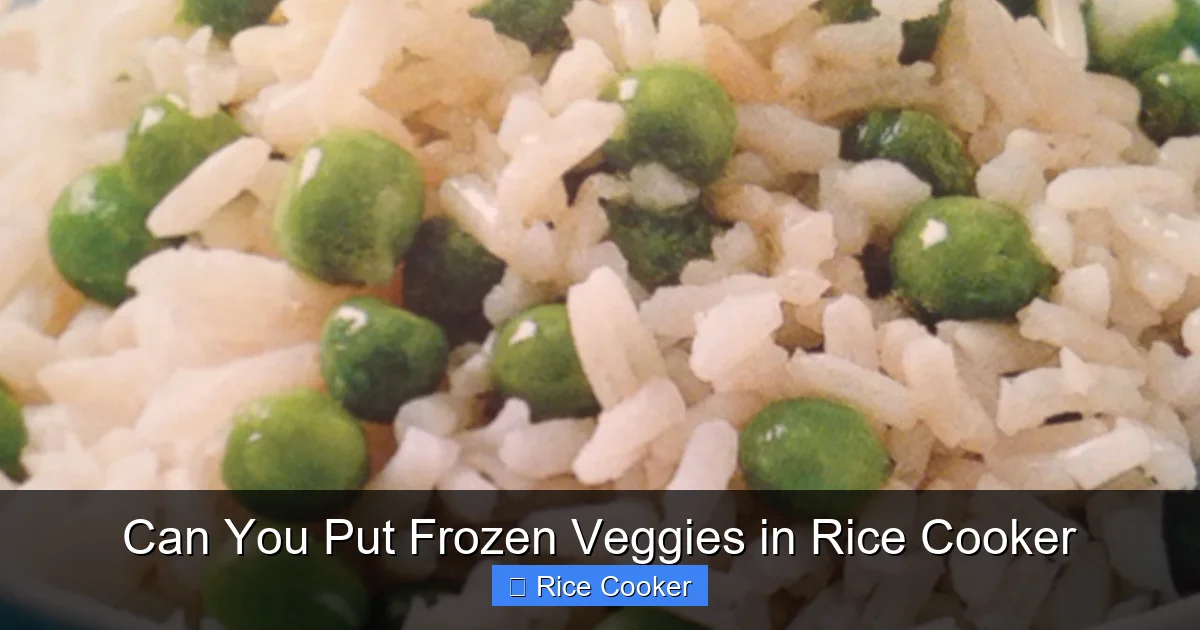
Visual guide about Can You Put Frozen Veggies in Rice Cooker
Image source: bigoven-res.cloudinary.com
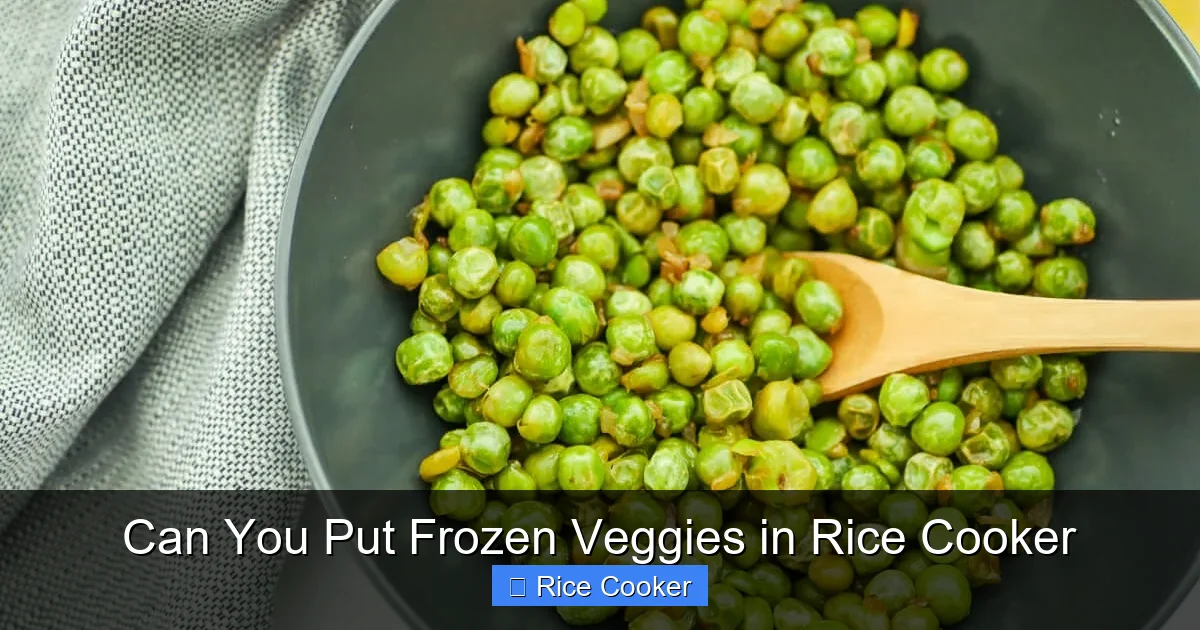
Visual guide about Can You Put Frozen Veggies in Rice Cooker
Image source: recipes.net
Can I use any type of rice with frozen vegetables?
Yes, most rices work—white, brown, jasmine, basmati, or even instant rice. Brown rice may take a bit longer to cook due to its tougher bran layer, so increase the cooking time by 10–15 minutes.
Will the rice cooker detect the extra water from frozen veggies?
Yes, most modern rice cookers have sensors that detect when the water level drops. However, adding too much water can still result in mushy rice, so always reduce the water slightly.
Can I add meat or protein to the rice cooker with frozen veggies?
Absolutely. Chicken, shrimp, tofu, or ground beef can be added at the beginning. Just ensure the meat is fully defrosted to cook evenly. Cook on a higher heat setting if your cooker has one.
What if my rice cooker doesn’t have a “keep warm” function?
Once the cycle ends, serve the rice immediately. If you’re waiting to eat, transfer it to an insulated container or reheat it briefly on the stovetop or microwave.
Is it safe to leave the rice cooker unattended while cooking frozen veggies?
Yes, that’s one of the benefits of using a rice cooker. Once you press start, it monitors itself. Just make sure the power cord isn’t frayed and the area around it is clear of clutter.
Frequently Asked Questions
Do I need to thaw frozen vegetables before putting them in the rice cooker?
No, you don’t. Thawing isn’t necessary. In fact, cooking frozen veggies directly helps them cook more evenly and retain moisture. Just adjust the water level slightly to account for the extra liquid they release.
Can I use any type of rice with frozen vegetables?
Yes, most rices work—white, brown, jasmine, basmati, or even instant rice. Brown rice may take a bit longer to cook due to its tougher bran layer, so increase the cooking time by 10–15 minutes.
Will the rice cooker detect the extra water from frozen veggies?
Yes, most modern rice cookers have sensors that detect when the water level drops. However, adding too much water can still result in mushy rice, so always reduce the water slightly.
Can I add meat or protein to the rice cooker with frozen veggies?
Absolutely. Chicken, shrimp, tofu, or ground beef can be added at the beginning. Just ensure the meat is fully defrosted to cook evenly. Cook on a higher heat setting if your cooker has one.
What if my rice cooker doesn’t have a “keep warm” function?
Once the cycle ends, serve the rice immediately. If you’re waiting to eat, transfer it to an insulated container or reheat it briefly on the stovetop or microwave.
Is it safe to leave the rice cooker unattended while cooking frozen veggies?
Yes, that’s one of the benefits of using a rice cooker. Once you press start, it monitors itself. Just make sure the power cord isn’t frayed and the area around it is clear of clutter.