
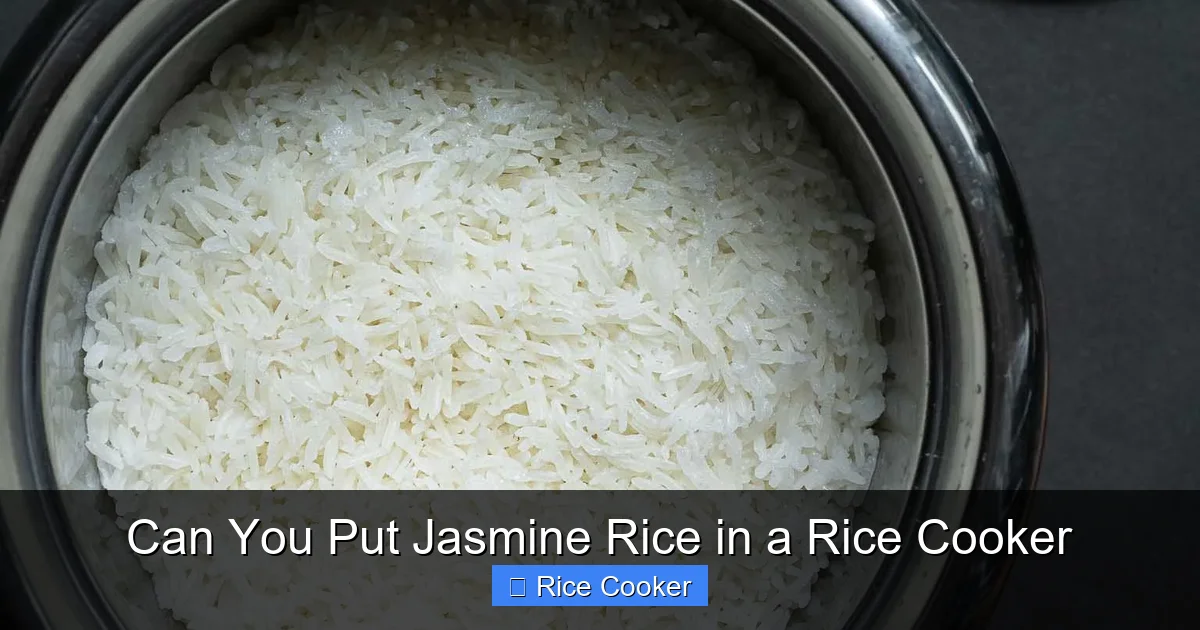
You can definitely use your rice cooker to cook jasmine rice, and it’s one of the most convenient ways to get perfectly fluffy, aromatic results. With the right water-to-rice ratio and proper rinsing, your rice cooker handles jasmine rice like a pro—no special equipment needed. Whether you’re making a simple dinner or a flavorful Asian-inspired dish, this staple grain thrives in a rice cooker.
Key Takeaways
- Jasmine rice cooks perfectly in a rice cooker: Most rice cookers are designed to handle all types of rice, including long-grain varieties like jasmine.
- Proper rinsing is essential: Rinse jasmine rice until the water runs clear to remove excess starch and prevent clumping.
- Use the correct water-to-rice ratio: A 1:1.5 to 1:2 ratio (rice to water) works best for fluffy jasmine rice.
- Let the rice rest after cooking: Allowing the cooked rice to sit for 5–10 minutes helps steam it evenly and improves texture.
- Flavor enhancements are easy: Add broth, herbs, or a splash of coconut milk for extra taste without changing the method.
- Cleaning is simple: Just rinse the inner pot and wipe the exterior—most parts are dishwasher safe.
- Experiment with timing and settings: Some rice cookers have specific modes for jasmine or glutinous rice; check your manual for optimal results.
Key Takeaways
- Understanding can you put jasmine rice in a rice cooker: Provides essential knowledge
📑 Table of Contents
- Can You Put Jasmine Rice in a Rice Cooker?
- Understanding Jasmine Rice and Its Unique Qualities
- Do You Need a Special Rice Cooker for Jasmine Rice?
- How to Cook Jasmine Rice in a Rice Cooker: Step-by-Step Guide
- Troubleshooting Common Issues When Cooking Jasmine Rice
- Tips for Perfect Jasmine Rice Every Time
- Cleaning and Maintaining Your Rice Cooker
- Frequently Asked Questions
Can You Put Jasmine Rice in a Rice Cooker?
If you’re a fan of aromatic, slightly sweet, and incredibly soft long-grain rice, chances are you’ve reached for jasmine rice more than once. Known for its delicate floral aroma and sticky texture when cooked, jasmine rice is a favorite in many Asian cuisines. But when it comes to cooking it, many home cooks wonder: Can you actually use a rice cooker for jasmine rice?
The short answer? Absolutely yes. In fact, using a rice cooker is one of the easiest and most reliable ways to prepare jasmine rice at home. With just a few simple steps—rinsing, measuring, and pressing a button—you can enjoy restaurant-quality jasmine rice without the guesswork.
In this complete guide, we’ll walk you through everything you need to know about cooking jasmine rice in a rice cooker: from choosing the right type of jasmine rice to troubleshooting common mistakes. Whether you’re a beginner in the kitchen or a seasoned home chef, you’ll find practical tips and techniques that make jasmine rice a breeze in any rice cooker.
Understanding Jasmine Rice and Its Unique Qualities
Before diving into the how-to, it’s important to understand what makes jasmine rice special. Native to Thailand and popular across Southeast Asia, jasmine rice is a variety of long-grain rice known for its subtle fragrance, which resembles jasmine flowers—hence the name. Unlike other long-grain rices such as basmati, jasmine rice has a higher amylopectin content, which gives it a naturally sticky texture when cooked.
This stickiness is what makes jasmine rice ideal for dishes like Thai fried rice, stir-fries, and rice bowls. However, it also means that jasmine rice behaves differently during cooking compared to other grains. It absorbs more water and tends to release more starch, which can lead to clumping if not handled properly.
There are two main types of jasmine rice you might encounter:
– Regular jasmine rice: This is the most common type and cooks up fluffy with a slight stickiness.
– Glutinous (or sticky) jasmine rice: Also known as “sticky rice,” this variety is almost entirely glutinous and is typically steamed rather than boiled. It’s commonly used in desserts and traditional dishes.
For everyday cooking in a rice cooker, regular jasmine rice is what you’ll want to use. Glutinous versions are better suited for specialized steaming setups.
The Science Behind Cooking Jasmine Rice
When jasmine rice is heated in water, the starches on the surface gelatinize and absorb moisture. As the temperature rises, the rice grains swell and soften. The key to perfect jasmine rice lies in controlling this process: too little water and the rice stays hard; too much and it becomes mushy.
Because jasmine rice has a higher starch content than other long-grain varieties, it requires precise water ratios and proper rinsing to achieve the ideal texture. Rinsing removes excess surface starch, preventing the grains from sticking together during cooking.
A well-designed rice cooker regulates temperature and timing automatically, ensuring even heat distribution and consistent results. This makes it an excellent tool for mastering jasmine rice, even if you’re new to cooking rice.
Do You Need a Special Rice Cooker for Jasmine Rice?
No, you don’t need a special or high-end rice cooker to cook jasmine rice. Standard electric rice cookers—whether basic models or advanced ones with multiple settings—are perfectly capable of handling jasmine rice.
However, some rice cookers come with preset modes specifically for different rice types, such as “Jasmine,” “Basmati,” or “Mixed Rice.” These settings adjust cooking time and temperature to suit the grain’s unique properties. If your rice cooker has such features, using them can simplify the process and improve results.
But even if your rice cooker doesn’t have a jasmine-specific setting, it will still work just fine. The default “white rice” or “regular” setting is usually sufficient for most jasmine rice varieties.
What to Look for in a Rice Cooker
While any rice cooker can cook jasmine rice, certain features can enhance your experience:
- Non-stick inner pot: Makes cleanup easier and prevents rice from sticking.
- Keep-warm function: Keeps your rice warm and fresh for hours after cooking.
- Timer and delay start: Allows you to prep ingredients ahead and have hot rice ready when you are.
- Steam vent: Helps release excess moisture during cooking, improving texture.
Investing in a quality rice cooker with these features can make cooking jasmine rice not only easier but also more enjoyable.
How to Cook Jasmine Rice in a Rice Cooker: Step-by-Step Guide
Cooking jasmine rice in a rice cooker is simple, but doing it right takes attention to detail. Follow these steps for consistently fluffy, fragrant results every time.
Step 1: Rinse the Rice Thoroughly
Start by measuring out your jasmine rice. For most recipes, a 1:1.5 water-to-rice ratio works well—for example, 1 cup of rice to 1.5 cups of water. Place the rice in a fine-mesh strainer or bowl and rinse under cold running water.
Rub the grains gently between your fingers to help remove surface starch. Continue rinsing until the water runs completely clear. This step is crucial—it prevents clumping and ensures each grain cooks evenly.
Step 2: Measure the Water Accurately
After rinsing, transfer the rice to the inner pot of your rice cooker. Measure the appropriate amount of water according to your recipe or the rice cooker’s markings. If your rice cooker has volume lines, align the rice level with the desired mark.
For beginners, here’s a quick reference:
- 1 cup jasmine rice → 1.5 cups water
- 2 cups jasmine rice → 3 cups water
Avoid adding salt or seasonings directly to the rice before cooking unless specified, as they can affect the cooking process. Instead, flavor the rice after cooking by mixing in butter, herbs, or sauces.
Step 3: Add Optional Enhancements
While not necessary, you can boost the flavor of your jasmine rice by substituting some of the water with broth, coconut milk, or a pat of butter. For example:
- Replace half the water with chicken or vegetable broth for a savory twist.
- Add 1 tablespoon of coconut milk for a creamy, tropical flavor—ideal for Thai-style dishes.
- Mix in a small piece of ginger or a sprig of lemongrass for aromatic depth.
Remember to adjust the total liquid volume accordingly to maintain the correct ratio.
Step 4: Start the Cooking Cycle
Close the lid and turn on your rice cooker. Select the appropriate setting—usually “White Rice” or “Regular.” Press start and let the machine do the work.
Most rice cookers take about 15–20 minutes to complete the cooking cycle for jasmine rice. Once done, the cooker will automatically switch to “Keep Warm” mode.
Step 5: Let It Rest
Here’s a golden rule: never lift the lid during or immediately after cooking. The sudden release of steam can cause uneven cooling and affect texture.
Instead, let the rice rest for 5–10 minutes with the lid closed. This allows residual steam to finish cooking the rice evenly and fluffs it up beautifully. After resting, gently fluff the rice with a fork to separate the grains.
Troubleshooting Common Issues When Cooking Jasmine Rice
Even with the best intentions, things can go wrong. Here’s how to fix the most common problems when cooking jasmine rice in a rice cooker.
Problem: Rice Is Sticky or Clumpy
This usually happens when the rice isn’t rinsed well or too much water is used. Excess starch and improper water ratios lead to clumping.
Solution: Always rinse jasmine rice thoroughly until the water runs clear. Use a 1:1.5 ratio and avoid overfilling the pot. After cooking, fluff gently to separate grains.
Problem: Rice Is Too Dry or Hard
Undercooked rice often results from insufficient water or a low-quality rice cooker that doesn’t maintain consistent heat.
Solution: Increase the water slightly—try 1:1.75 ratio. Also, ensure your rice cooker is functioning properly and the heating element is clean.
Problem: Rice Is Too Mushy
Overcooking or using too much water causes jasmine rice to become soft and soupy.
Solution: Reduce water by 1/4 cup per cup of rice. Also, avoid lifting the lid during cooking, as this releases steam prematurely.
Problem: No Fragrance
Jasmine rice should smell like jasmine flowers. If it lacks aroma, the rice may be old or improperly stored.
Solution: Store jasmine rice in an airtight container in a cool, dry place. Fresh rice retains its fragrance better. Using high-quality jasmine rice makes a big difference.
Tips for Perfect Jasmine Rice Every Time
Want to take your jasmine rice game to the next level? Try these expert tips:
- Use room-temperature water: Cold water can slow down the cooking process, while warm water helps rice cook more evenly.
- Don’t skip the rest period: Resist the urge to eat immediately after cooking. Letting the rice sit improves texture and flavor.
- Fluff with a gentle touch: Over-fluffing can mash the grains. Use a light hand when mixing.
- Store leftovers properly: Refrigerate cooked jasmine rice within two hours and reheat with a splash of water to restore moisture.
- Experiment with toppings: Serve with fried eggs, grilled chicken, or a spicy dipping sauce for a complete meal.
Cooking Jasmine Rice for Different Dishes
Jasmine rice is incredibly versatile. Here are a few ideas for using your perfectly cooked rice:
- Thai Fried Rice: Sauté cooked jasmine rice with soy sauce, garlic, eggs, and vegetables.
- Rice Bowls: Layer rice with teriyaki chicken, pickled veggies, and a soft-boiled egg.
- Dessert Rice Pudding: Simmer cooked rice with coconut milk, sugar, and vanilla for a comforting treat.
- Sushi Rice Alternative: While not traditional sushi rice, jasmine rice can be used in fusion rolls with the right seasoning.
Cleaning and Maintaining Your Rice Cooker
Keeping your rice cooker clean ensures longevity and prevents off-flavors in future batches. Here’s how to maintain it:
Daily Cleaning
After each use, unplug the rice cooker and let it cool. Remove the inner pot and wash it with warm, soapy water. Avoid abrasive scrubbers that can damage the non-stick coating. Wipe the exterior with a damp cloth.
Deep Cleaning Tips
Every few weeks, clean the heating plate and steam vent with a soft brush or cloth to remove any rice residue. Check the lid seal and clean it gently to ensure no buildup affects performance.
Storage
Store your rice cooker in a dry place. If the inner pot isn’t removable, cover the opening with a clean towel to keep dust out.
Frequently Asked Questions
Can I cook jasmine rice in a rice cooker without rinsing it first?
While you technically can, rinsing is highly recommended. Unrinsed jasmine rice releases more starch, leading to a gummy or clumpy texture. Rinsing removes excess starch and ensures fluffy results.

Visual guide about Can You Put Jasmine Rice in a Rice Cooker
Image source: hungryhuy.com
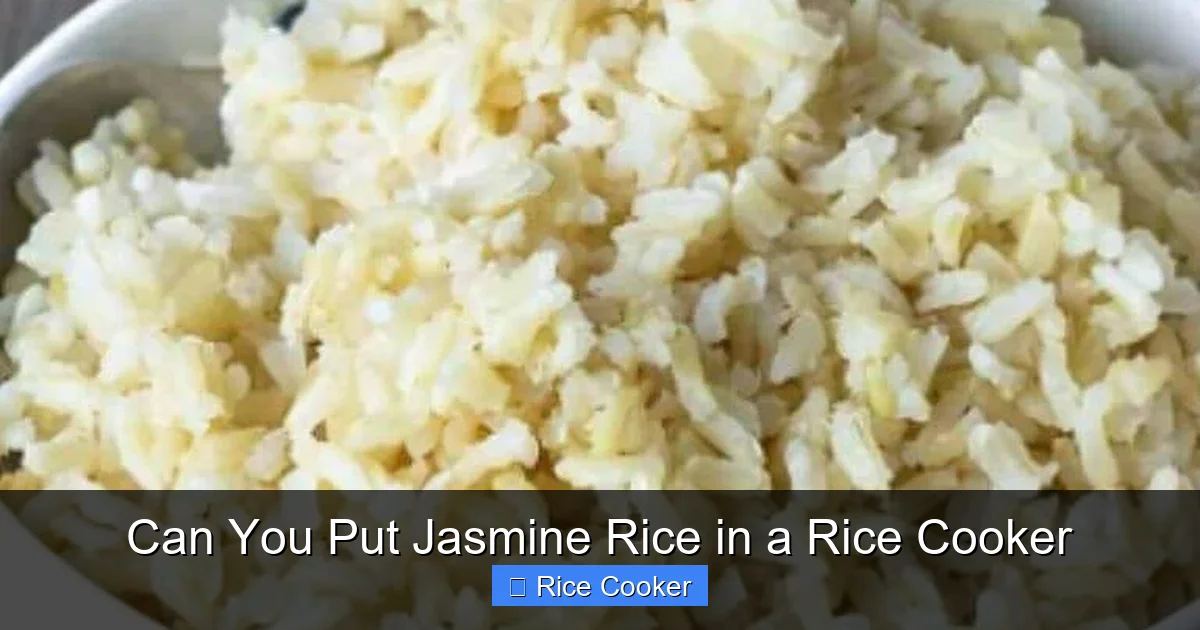
Visual guide about Can You Put Jasmine Rice in a Rice Cooker
Image source: howtocookguides.com
How much water do I use for 1 cup of jasmine rice in a rice cooker?
A 1:1.5 ratio is ideal—use 1 cup of jasmine rice with 1.5 cups of water. Adjust slightly based on your rice cooker model and personal preference for texture.
Can I substitute jasmine rice with another type in my rice cooker?
Yes, you can substitute jasmine rice with basmati, white long-grain rice, or even brown rice, but water ratios and cooking times may vary. Jasmine rice requires a bit more water and careful rinsing.
Why does my jasmine rice always come out sticky?
This is usually due to overcooking, too much water, or not rinsing enough. Ensure proper water ratio, rinse thoroughly, and let the rice rest before fluffing.
Can I cook jasmine rice in a rice cooker with a keep-warm function?
Absolutely. Most rice cookers have a keep-warm feature that maintains the temperature of cooked rice for several hours without affecting its texture.
Is jasmine rice healthier than other types of rice?
Jasmine rice is similar in nutritional value to other white long-grain rices. It’s lower in fiber and nutrients compared to brown rice, but it provides energy-rich carbohydrates. Choose whole grain varieties if you’re looking for added health benefits.
Frequently Asked Questions
What is can you put jasmine rice in a rice cooker?
can you put jasmine rice in a rice cooker is an important topic with many practical applications.